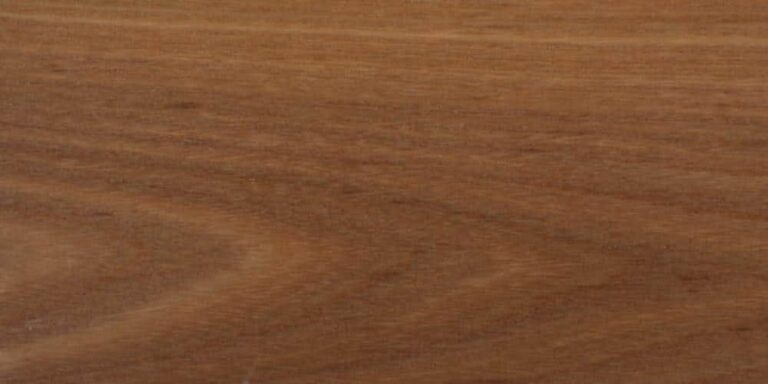
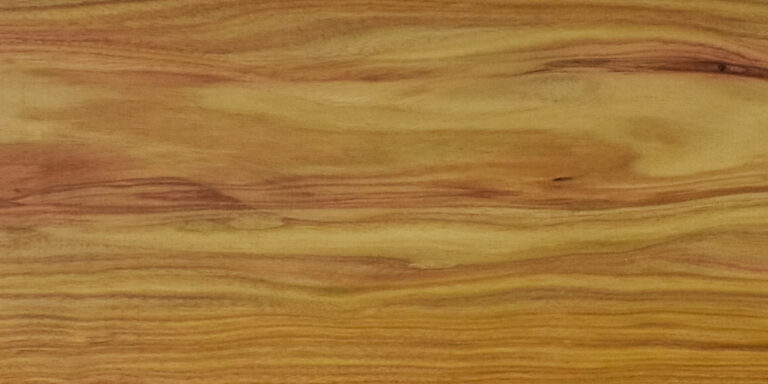
Canarywood (Centrolobium spp.), also called Canary or Yellow Tarara, grows across South America, from Panama to southern Brazil. It's best known for its lively mix of colors, which makes every board a little different.The heartwood ranges from pale yellow through pink and orange to dark reddish-brown, and the best boards show the whole range in a single piece, often with darker streaks. More evenly colored boards can look a lot like Cherry. The colors deepen and mellow over time toward a warmer reddish-brown.It's durable and fairly hard, yet still easy to work. The grain is usually straight, sometimes interlocked, with a medium texture, and it turns, glues and finishes well, taking a high polish. That means you get a colorful South American hardwood without the usual struggle, and at a reasonable price.Canarywood is a great choice for boxes, turnings, inlay, bandings, furniture accents and veneer, and the right board makes a good, lower-priced alternative to Tulipwood. Not to be confused with Red Canarywood, which is a different wood from another genus.
bandings, boxmaking, inlay, specialty items, turnings, veneer
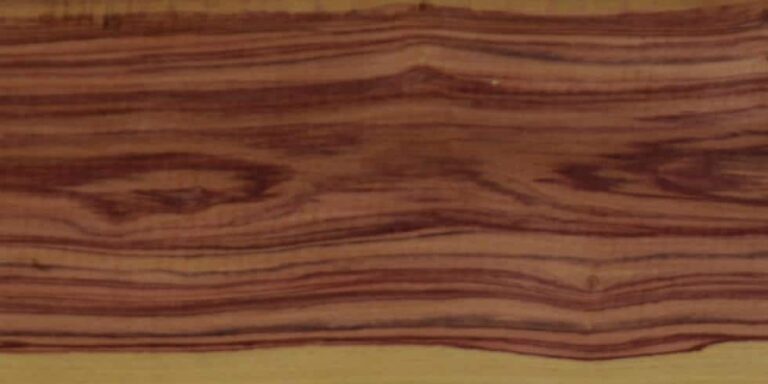
Tulipwood (Dalbergia decipularis), also called Brazilian Tulipwood or Pinkwood, is one of the most coveted and seldom-seen rosewoods. It grows in northeastern Brazil and is unrelated to Tulip Poplar, which is sometimes sold under the same name.The heartwood is cream to salmon, striped with reds, violets, purples, pinks and rose, and the sapwood is pale yellow. It has a mild, sweet scent when cut. The color slowly fades with exposure to light, so a UV-resistant finish helps preserve it.The grain is mostly straight, sometimes wavy or irregular. It's dense and oily, which makes it challenging to work and glue, so keep tools sharp and wipe joints with a solvent first. Despite its open grain, it sands very smooth and polishes to a pleasing luster.The trees are small, so long, wide boards are rare and command a premium, and most Tulipwood comes in craft-sized pieces. It's been a favorite for fine furniture inlay and banding for centuries, and it's used for boxes, turnings, pool cues, bows and instrument parts. For a lower-priced alternative, see Canarywood.
bandings, bows, boxmaking, inlay, musical Instruments, pool cues, specialty items, turnings, veneer
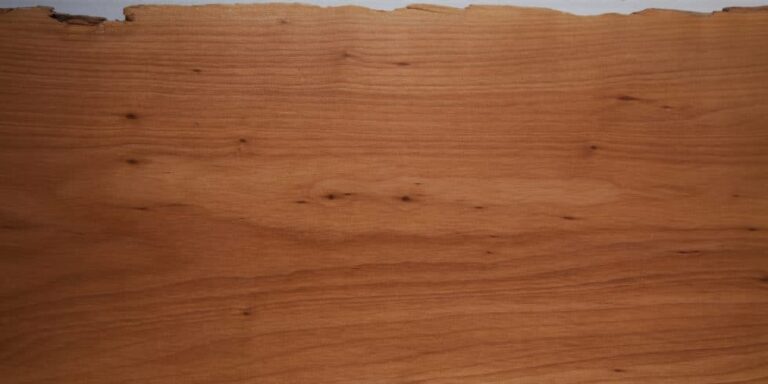
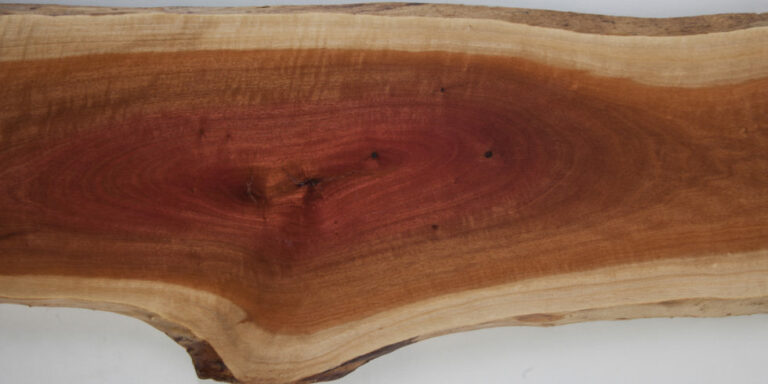
Pink Ivory (Berchemia zeyheri), also known as Red Ivory, is one of the rarest and most sought-after woods in the world. It's native to southern Africa, where it's traditionally associated with Zulu royalty, and many guitar makers see it as a “holy grail” tonewood.It's prized for its dazzling pink to red color, which ranges from pale pink to deep red, and occasional striking figure such as curl or chatoyant stripes. The texture is fine and even, with a lovely natural luster.It's very hard and dense, popular with carvers and turners, but it can be difficult to work and dulls blades. It turns beautifully and polishes to a glassy finish, and a finish with UV protection helps preserve its color. The trees are small, rarely much over 35 feet tall with trunks around a foot across, and harvesting in South Africa is limited by permit.As a result, Pink Ivory is mostly available in small, craft-sized pieces. It's used for turnings, knife handles, chess pieces, pool cues, pens, inlay and instrument parts. For another bright red wood, see Bloodwood.
chess pieces, inlay, knife handles, musical Instruments, pool cues, specialty items, turnings, veneer
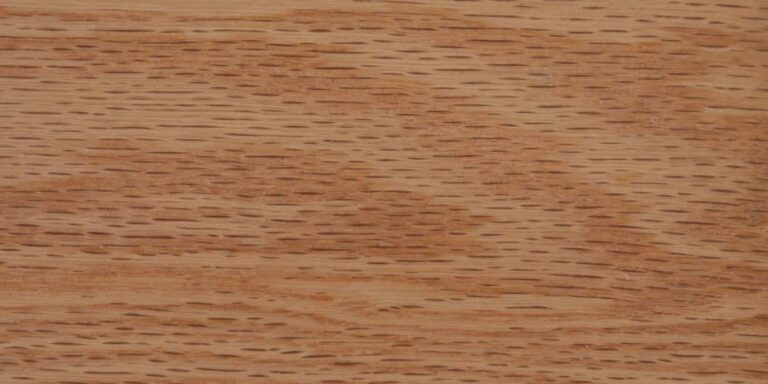
Red Oak (Quercus rubra), also called Northern Red Oak, grows across the eastern US and Canada. It's one of America's most popular hardwoods thanks to its strength, hardness and moderate price.The heartwood is light brown with a reddish tint, and the sapwood can be hard to tell apart. The grain is usually straight, with a coarse texture and large, open pores, and quartersawn boards show the ray fleck oaks are known for.It works, glues and finishes well, and it takes stain evenly, which makes it easy to match existing furniture. It shrinks a fair amount as it dries, so quartersawn stock is the most stable choice. Its open pores let water through, so it isn't durable outdoors and isn't suitable for boats.Red Oak is a favorite with furniture builders and cabinetmakers and has long been a staple of American interiors, from floors and trim to kitchen cabinets. It's also used for handles, stair parts and veneer. For a more durable, water-resistant oak, see White Oak.
cabinetry, flooring, furniture, handles, utility lumber, veneer