
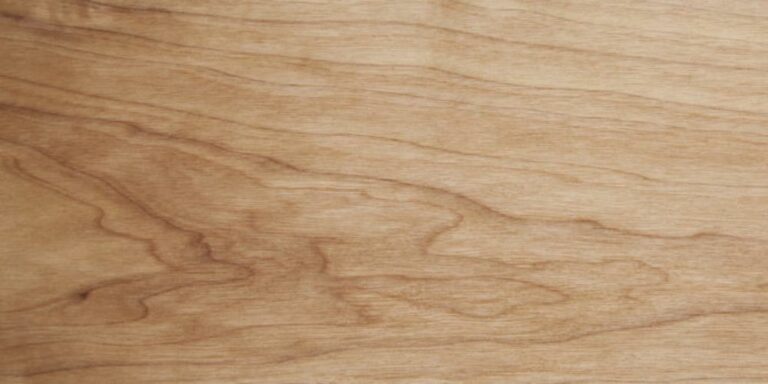
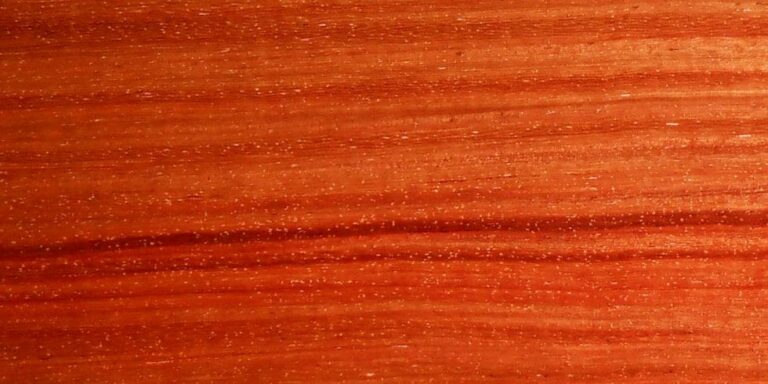
Pau Rosa (Bobgunnia sp.) is a beautiful, dense tropical African hardwood that's rarely found outside Africa. It was formerly classified in the Swartzia genus.Depending on where it grew, the color ranges from medium chocolate brown to an almost Padauk-like red or orange, sometimes mixed with yellows and purples, and it darkens with age. The grain is typically wavy or interlocked and the texture moderately coarse, with a nice luster.Despite its density, it's fairly easy to work: it needs sharp blades but planes well, and it turns, glues and finishes well. It dries slowly and tends to crack while drying, and the trees are short, so long boards are uncommon. Once dry, it's very durable and stable.Pau Rosa has excellent tonal properties and is under-appreciated in the US, largely because supply is so limited. It's used for turnings, carving, furniture, guitar backs and sides, and veneer. See also Pau Ferro.
carpentry, carving, furniture, specialty items, turnings, veneer
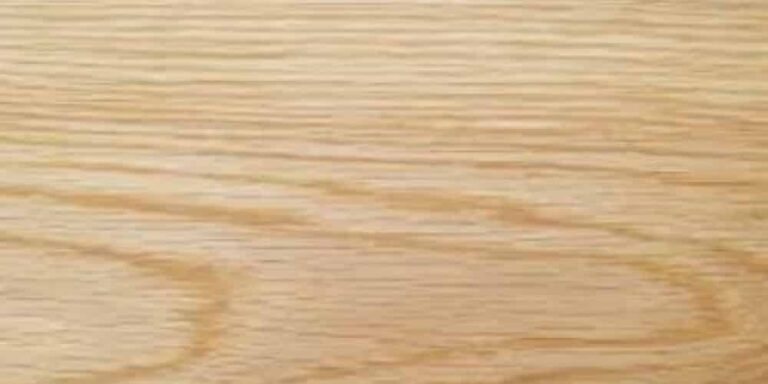
White Oak (Quercus alba) has long been one of America's preeminent hardwoods. It grows across the central and eastern US, and the trees can live for hundreds of years. One in New Jersey is estimated to be over 600 years old.The heartwood ranges from light golden tan to light and medium brown. The grain is straight, and quartersawn boards show the ray fleck oak is famous for. Its pores are plugged with growths called tyloses, which make it watertight, so it's the classic wood for whiskey and wine barrels.It's the most durable of the oaks and steam-bends well, which is why it has been used in boatbuilding for centuries. Despite its coarse texture, it works, glues, stains and finishes very well. It shrinks a lot, so quartersawn stock gives the most stable results. Like all oaks, it can stain when in contact with iron.White Oak is used for furniture, Mission and Arts and Crafts pieces, cabinetry, flooring, boats, barrels and veneer. For a more affordable oak, see Red Oak.
boatbuilding, cabinetry, carpentry, flooring, furniture, veneer,
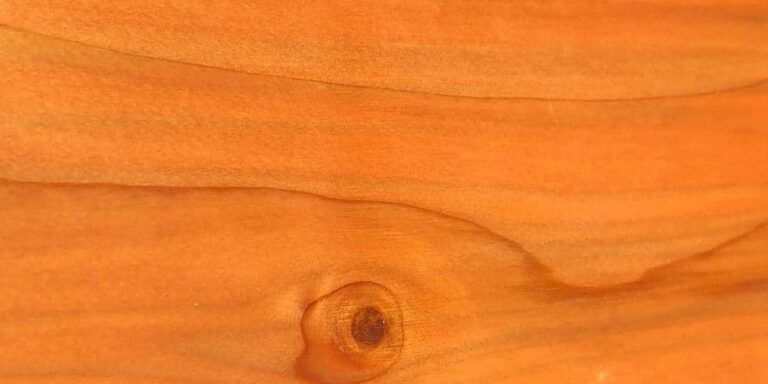
Himalayan Cedar (Cedrus deodara), or Deodar, is a true cedar native to the western Himalayas, where it's an important timber tree in Pakistan, Kashmir and northwestern India. Its name comes from the Sanskrit “devadaru,” meaning “timber of the gods,” and it's a sacred tree in Hinduism.Our Himalayan Cedar was grown in the Eastern Cape of South Africa, a long way from its mountain home. Deodar was introduced to many parts of the world in the 1800s, and it has done well in South Africa's climate.The heartwood ranges from light tan to light brown with a reddish tint. The grain is usually straight and the texture fine and even, with a high natural luster. It's strong for its weight and has a reputation for excellent working properties: it cuts, planes and finishes cleanly. The wood is prized for its durability, pleasant fragrance and resistance to insects, and the trees also yield a fragrant oil with insect-repelling and anti-fungal properties.In its native regions it's used for construction, carpentry, temple building and furniture. It suits furniture, joinery, boxes, closet linings and general woodworking anywhere you want a light, fragrant, durable softwood. See also Aromatic Cedar.
carpentry, construction, furniture, joinery