
English Walnut (Juglans regia), also called European or Persian Walnut, is one of the world's classic furniture woods. Despite the name, it's native to parts of Europe and Central Asia, and it's the same tree that produces the common walnuts sold in stores.The heartwood ranges from warm honey brown to rich chocolate, often with subtle grey, olive or purple undertones. The grain is typically straight, but curly, crotch and burl figure can be spectacular, and burl veneer from this species has graced fine furniture and car dashboards for generations.Compared with American Black Walnut, it's usually lighter and warmer, with a slightly finer texture and softer contrast between heartwood and sapwood. It machines beautifully, turns well and finishes very smoothly, developing a deep luster under oil. It's not as hard as many tropical woods, but it offers an excellent balance of stability, workability and durability.It's a favorite for fine cabinetry, heirloom furniture, gun stocks, paneling, carving, boxes and inlay. For craftsmen who value elegance over brute hardness, it's hard to beat.
boxmaking, cabinetry, inlay, interior panelling, joinery, specialty items, trim
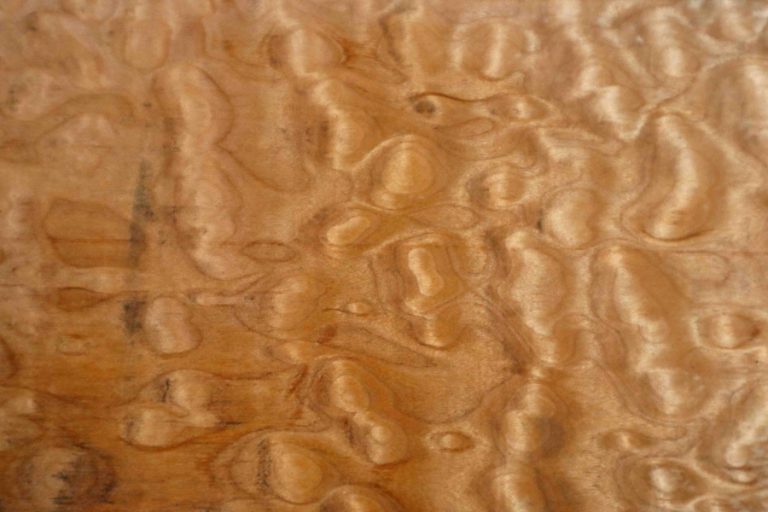
Quilted Maple comes from Bigleaf Maple (Acer macrophyllum), which grows along the Pacific coast from British Columbia to California. It's prized for its rippling, three-dimensional figure, which looks like quilted fabric or rippling water.The figure comes from irregularities in the tree's growth, and it gives the wood real depth and shimmer, especially under finish. Color varies from pale cream to light tan, sometimes with warmer tints. Only a small share of Bigleaf Maple shows strong quilt, which is why good boards command a premium.It's a little softer than Hard Maple and works much like other maples. Take light passes to avoid tear-out in the figure, and sand carefully. A dye or clear finish brings out the shimmer dramatically, which is why it's so popular for guitar tops.Quilted Maple is a favorite with luthiers for electric guitar tops and acoustic backs, and it's also used for fine furniture, boxes, knife handles, paneling and decorative veneer. For a different maple figure, see Birdseye Maple and Curly Maple.
boxmaking, cabinetry, furniture, interior panelling, knife handles, lutherie, musical Instruments
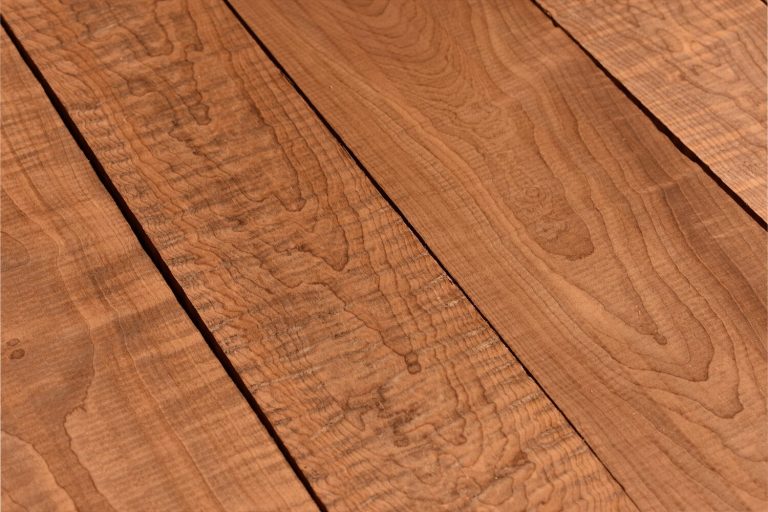
Roasted Curly Soft Maple is Curly Soft Maple that has been thermally modified. The wood is heated gradually to over 160°C in oxygen-free chambers, a natural, chemical-free process that darkens it to a rich caramel or chocolate brown while keeping the curl.The heat changes the wood's cell structure, so it absorbs less moisture. That makes it more dimensionally stable, which guitar makers value for necks. It also becomes a little more brittle, so it chips more easily than unmodified maple, and it's best for tops, panels, flooring and instrument parts rather than intricate joinery. Expect a pleasant, toasty smell when you cut it.The very dry wood soaks up finish, so plan on a generous coat. Our in-house woodworker has had excellent results with Osmo Polyx-Oil, and he suggests a thicker finish works best. Use sharp tools and light passes to avoid chipping in the figure.It's popular with guitar makers for necks and bodies, and for fine furniture, paneling and specialty pieces, where it offers the look of a dark exotic with the reliability of maple. See also Roasted Birdseye Maple.
fine furniture, flooring, interior panelling, lutherie, musical Instruments, specialty items
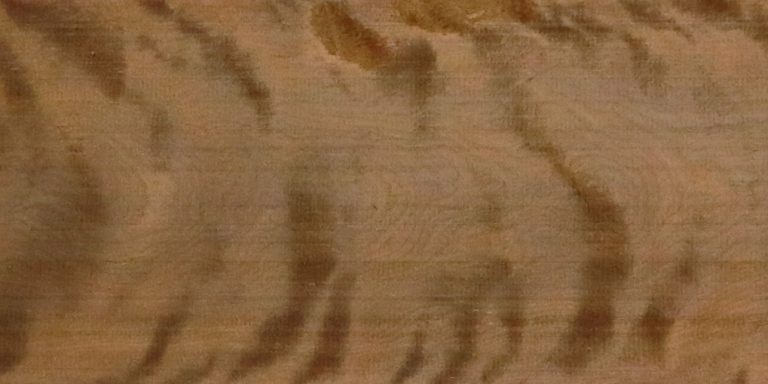
Roasted Flame Birch is flamed Yellow Birch (Betula alleghaniensis) that has been thermally modified. The wood is heated gradually to over 160°C in oxygen-free chambers, a natural, chemical-free process that changes the wood's structure and darkens it to a rich chocolate brown while keeping the flamed figure.Roasting makes the wood more dimensionally stable, but also a little more brittle, so it chips more easily than unmodified birch. That makes it a better fit for floors, tabletops, panels and cladding than for intricate joinery.Thermally modified wood is very dry and soaks up finish, so plan on a generous coat. Our in-house woodworker has had excellent results with Osmo Polyx-Oil.It's also available in wholesale quantities. See also unroasted Flame Birch.
flooring, interior panelling
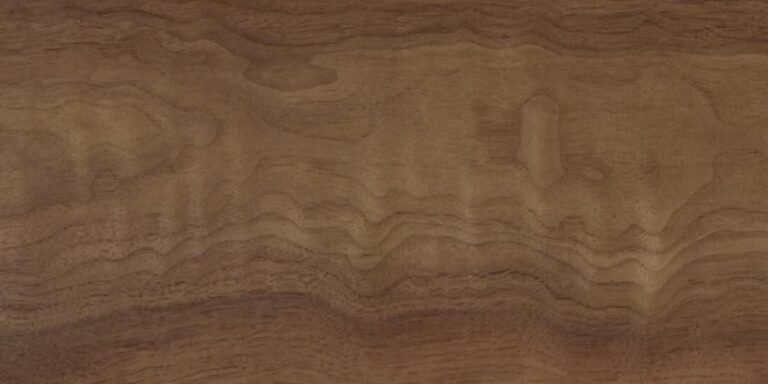
Figured Black Walnut (Juglans nigra) is American Black Walnut with striking figure across the grain, such as curl, crotch or wavy figure. It's the walnut that makers save for their best work.Black Walnut is prized for its deep chocolate color, often with red or purple streaks, a fine texture and a warm luster. Figure adds shimmer and depth that a plain board can't match, and the effect shifts as you move around the piece.It's strong for its weight, stable, shock-resistant and durable, and it's a pleasure to work. Take light passes on figured areas to avoid tear-out, or use a scraper or card scraper for the final surface. An oil finish really brings the figure to life, and a clear topcoat over oil keeps that depth while adding protection.Figured boards are the most sought-after walnut, and the best pieces are limited in supply. They're ideal for showpiece furniture, tabletops, gun stocks, boxes, guitar backs, turnings and veneer. See also plain American Black Walnut and English Walnut.
cabinetry, furniture, gun stocks, interior panelling, specialty items, turnings, veneer
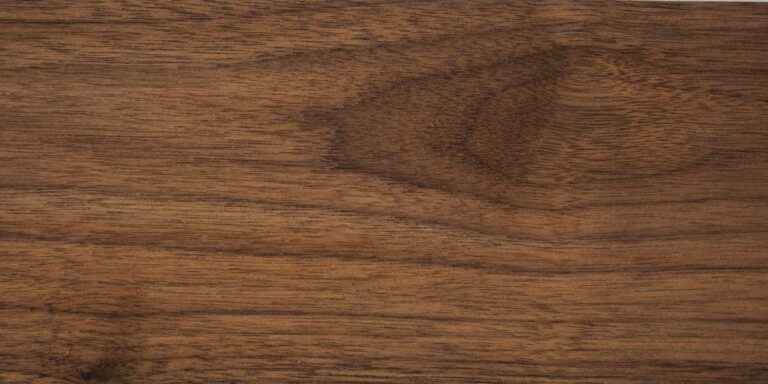
American Black Walnut (Juglans nigra) is one of America's most popular and prized hardwoods, and it's been a favorite of fine furniture makers for centuries. The trees are valued as much for their nuts as for their lumber.It's known for its deep chocolate color, often with red or purple streaks, along with straight to irregular grain, a fine texture and a warm luster. The sapwood is pale cream, and steamed lumber evens out the color, while air-dried boards keep a richer mix of tones.It's strong for its weight, stable once dry, shock-resistant and durable, and its moderate density makes it a pleasure to work. It planes, carves, turns and glues easily and takes an oil finish beautifully, which is why it's long been the top choice for gun stocks.Walnut grows mainly near rivers and streams in the eastern and central US and into southern Ontario. Supply is steady but demand is always strong, making it a premium domestic hardwood. It's used for furniture, cabinetry, gun stocks, paneling, turnings and veneer. For figured stock, see Figured Black Walnut.
cabinetry, furniture, gun stocks, interior panelling, specialty items, turnings, veneer