
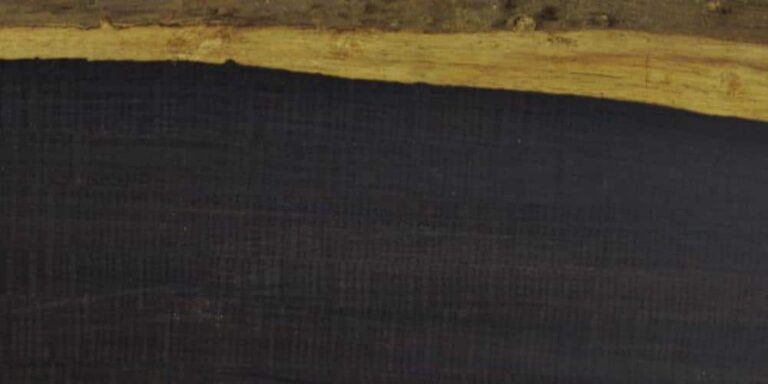
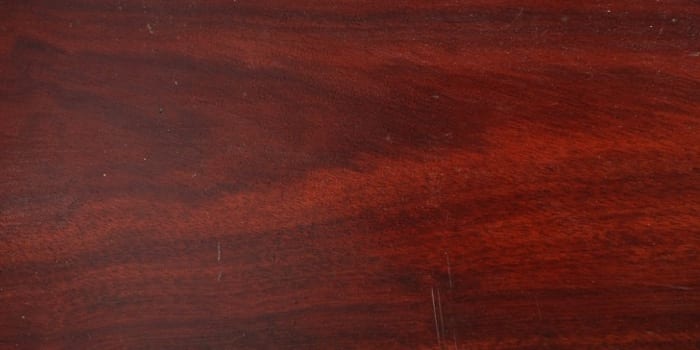
Bloodwood (Brosimum rubescens), also known as Satine, is a South American hardwood that keeps growing in popularity in the US. Its deep red color is the big draw, and unlike many red woods, it doesn't fade or darken as much over time.The heartwood is mostly red, sometimes with patches of orange or pale yellow, and it has a satiny, highly chatoyant finish. It's hard and dense, so sharp tools help, but the results are worth it.Its density makes it ideal for electric guitar fretboards and acoustic backs and sides, and turners love its looks.Bloodwood is also popular for knife and gun handles, inlay and trim. It offers striking color at a very reasonable price for an imported exotic, though exceptional boards command a premium. Its close relative, Snakewood, is in the same genus.
carving, furniture, inlay, knife handles, lutherie, trim, turnings
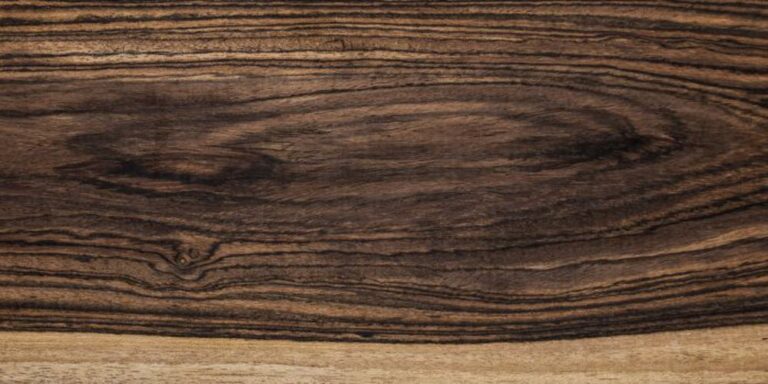
Bocote (Cordia spp.) is a Mexican and Central American hardwood with a golden brown base and dark brown to black stripes.Its best boards are covered in tiny “eyes” in the grain. These aren't knots and cause no trouble when machining. In pieces grown south of Mexico, the base color can be a bright, muted orange.Despite its oily nature, Bocote glues surprisingly well, and it turns and finishes nicely. Some boards contain silica, which can dull blades, so keep a spare sharp edge handy.Its striking looks make it a favorite with furniture and cabinet makers, guitar builders and turners, and it's also used for gun stocks, flooring and veneer. It's related to Ziricote and Louro Preto.
boatbuilding, cabinetry, fine furniture, flooring, gun stocks, specialty items, turnings, veneer
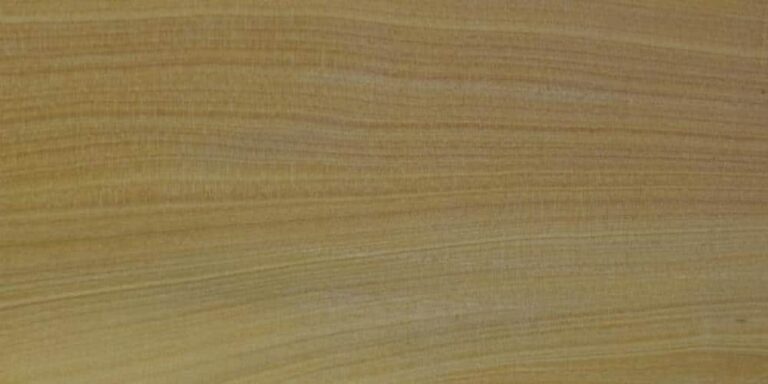
Boxwood (Buxus macowanii), also known as Cape Boxwood or East London Boxwood, is native to the Eastern Cape of South Africa. It's a close cousin of the original European boxwood (Buxus sempervirens) and shares its most prized quality: a dense, ultra-fine texture that holds the crispest detail.The wood is a pale, creamy yellow with almost no visible grain, so nothing competes with the carving or turning itself. It cuts cleanly with sharp tools, turns superbly and finishes to a smooth, silky sheen without much more than fine sanding and a light oil or wax.The trees are small, rarely more than 20 feet tall with trunks of about 6 inches, and the dense wood is prone to cracking as it dries. That limits supply to small, craft-sized pieces. Ours comes from South Africa and has been slowly air-dried over many years for stability. Be wary of other pale, dense woods sold as boxwood.Boxwood has long been the wood of choice for fine carving, engraving blocks, chess pieces, rulers and instrument parts, and it's a favorite with turners for small, detailed work. For a more affordable alternative, see Castello Boxwood.
carving, chess pieces, handles, musical Instruments, specialty items, turnings
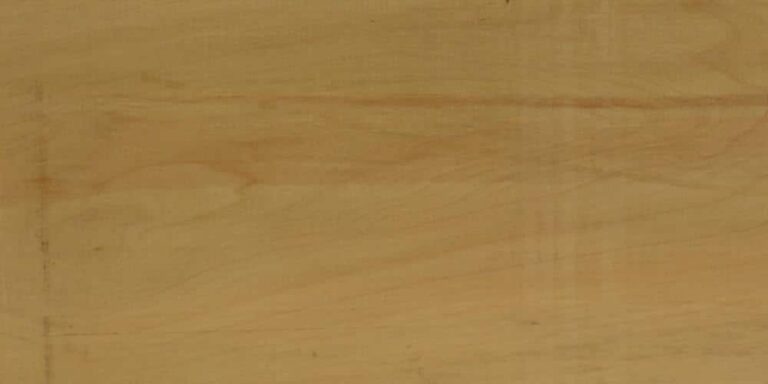
Castello Boxwood (Calycophyllum multiflorum) is a South American wood related to Lemonwood. It isn't a true boxwood, but it has a very similar pale yellow to light brown color.The grain is generally straight, sometimes slightly interlocked, and the texture fine and smooth. It's moderately durable and turns, glues and finishes well. Its small, tightly packed pores make it fairly tough to cut, despite its generally cooperative nature.It dries slowly, so it's often sold green or partly green. The trees are small and supply through US channels is limited, so prices reflect that.Castello Boxwood is a popular choice for turning, carving, inlay and bows. For the real thing, see Boxwood.
bows, carving, inlay, turnings
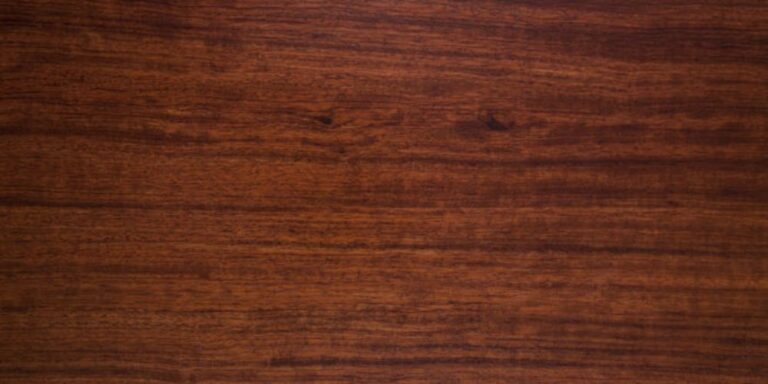
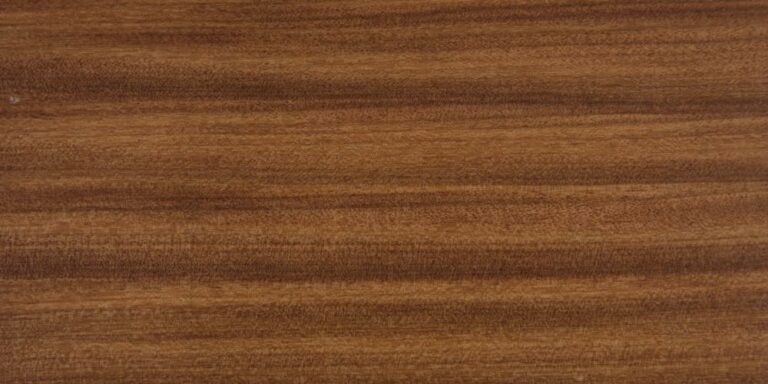
Afrormosia (Pericopsis elata) is a West African hardwood often called African Teak. It earned the name honestly: it's extremely durable and resistant to rot and insects, with working and mechanical properties close to Teak, but without the oiliness.The heartwood ranges from muted tan and gold to light and medium browns, often with darker stripes, and over time it darkens to a look closer to Black Walnut than Teak. The grain is straight to wavy, sometimes interlocked, and the texture fine, with a lovely natural luster once sanded.Although it's harder than Teak, it works well with hand and machine tools, gives crisp joints, and turns, glues and finishes very well. It's tough yet flexible, which is why it has been used in African boatbuilding for centuries.Afrormosia is a long-standing favorite in Europe for cabinetry, architectural trim and fine furniture, and it's also used for flooring, turnings and veneer.
boatbuilding, cabinetry, flooring, furniture, turnings, veneer
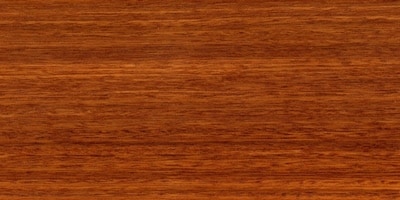
Andiroba (Carapa guianensis), also called Crabwood, grows across Central and South America, where it's used as a mahogany substitute and a general carpentry wood. It's a member of the mahogany family and is durable in use.The wood is a pale reddish-brown that darkens slightly as it dries and continues to deepen with exposure to light. The grain is usually straight, though it can be wavy or interlocked, and the texture is fine with a good natural luster. Most boards are on the plain side, but quartersawn pieces can show a ribbon figure much like Sapele.It's generally easy to work and turns, glues and finishes well. Andiroba isn't often seen in the US, but it's a good choice for furniture, cabinetry, flooring, turnings and veneer, and it has a history in boatbuilding.
boatbuilding, cabinetry, flooring, furniture, turnings, veneer
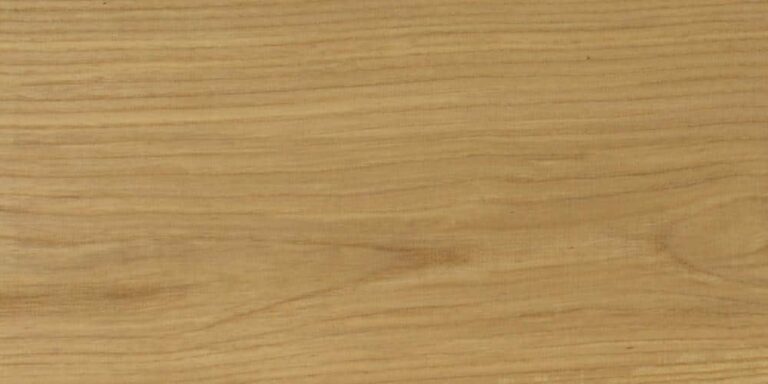
White Ash (Fraxinus americana) is native to eastern and central North America and, along with Oak and Hickory, is one of the most widely used utility hardwoods in the US. It's the tallest-growing of the North American ashes and the one you'll see most often.The color ranges from light beige to light brown, with medium to dark brown grain lines. The grain is usually straight and the texture coarse, often compared to Oak. It's modestly priced, works easily, and glues and finishes well.Ash is tough and shock-resistant, which is why it's the classic wood for tool handles and baseball bats. It's also used for furniture, flooring, boxes and turnings, and occasionally for electric guitar bodies, where it has good resonance. If you're after a lighter ash for guitars, take a look at Swamp Ash.
boxmaking, flooring, turnings