
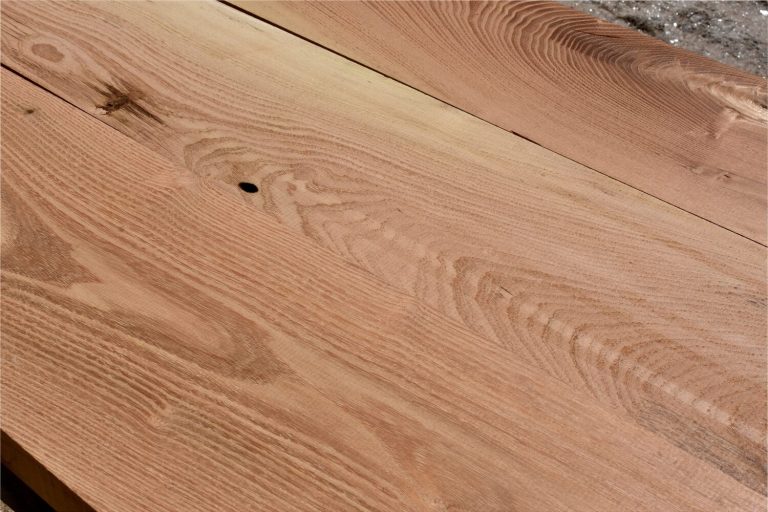
Black Locust (Robinia pseudoacacia) is a hard, strong hardwood native to the central and eastern United States, and one of the most durable woods in North America.The heartwood is greenish-yellow to golden brown when fresh, mellowing to a medium brown with age, and the sapwood is a narrow pale band. The grain is usually fairly straight with a medium texture. It's durable, rot-resistant and fairly stable, which makes it one of the best native woods for outdoor use.Its hardness makes it a little more work to machine, so keep tools sharp and pre-drill for fasteners. It finishes well and weathers to an attractive silver grey if left outdoors.Black Locust fence posts are famous for lasting decades in the ground, and the wood has a long history in shipbuilding, where it was used for wooden pegs called trunnels. It's a great choice for fencing, outdoor furniture, decking, flooring, raised garden beds and handles. We stock it in 4/4 and 8/4, and quality varies, so choose your pieces carefully. For another durable outdoor wood, see Osage Orange.
fencing, flooring, furniture, handles
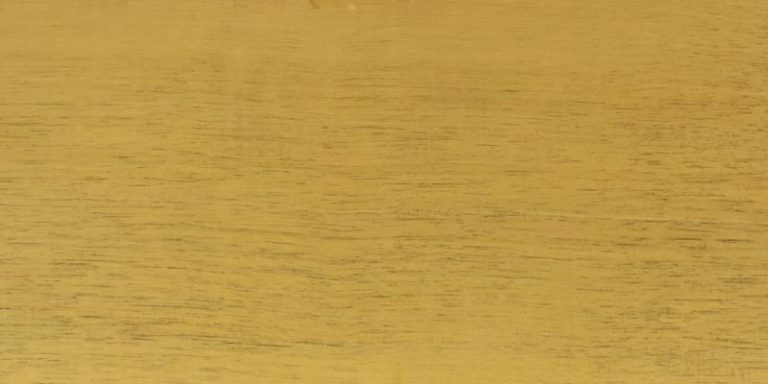
Longhi (Gambeya spp.) is a well-priced, light-colored African hardwood from the tropical forests of West and Central Africa. It has working properties similar to its better-known cousin, Anegre.Its color ranges from greyish-white to beige and pinkish-brown, darkening slightly with age and light exposure. The sapwood is hard to tell apart. The grain is usually straight, sometimes interlocked, and the texture fine to medium-fine, with occasional mottled or subtle tiger-stripe figure that can be very attractive.It needs careful drying to avoid fungal staining. Once dry, it's moderately durable and stable. It machines, glues and finishes well, and its light color takes stain evenly if you want a different look.Longhi has a good strength-to-weight ratio, which makes it a popular choice for flooring and decking, as well as cabinetry, furniture, interior joinery and veneer. It's a practical, affordable option when you want a light-colored hardwood that's easy to work.
cabinetry, decking, flooring, furniture
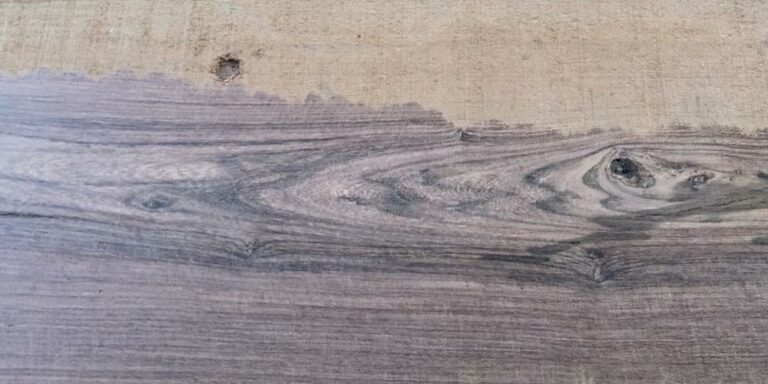
Louro Preto (Cordia spp.), also called Laurel Negro, is a South American hardwood and a close relative of Bocote and Ziricote, though it's often overshadowed by them.The heartwood is typically medium brown with red and green tints, sometimes with bold dark brown lines and streaks, and it darkens considerably with exposure to light. The sapwood is pale and easy to spot. The grain is calmer than its cousins', usually straight or somewhat irregular, with a fine to medium texture and the impressive natural luster typical of the genus.Despite its natural oils, it usually glues well, and it's easy to work, though some boards contain silica, which can dull blades. It turns smoothly and finishes to a lovely sheen.Supply in the US has always been limited, partly because demand has gone to its flashier cousins, but Louro Preto is a handsome, understated choice for furniture, cabinetry, boxes, guitar backs and sides, turnings and veneer.
cabinetry, furniture, turnings, veneer
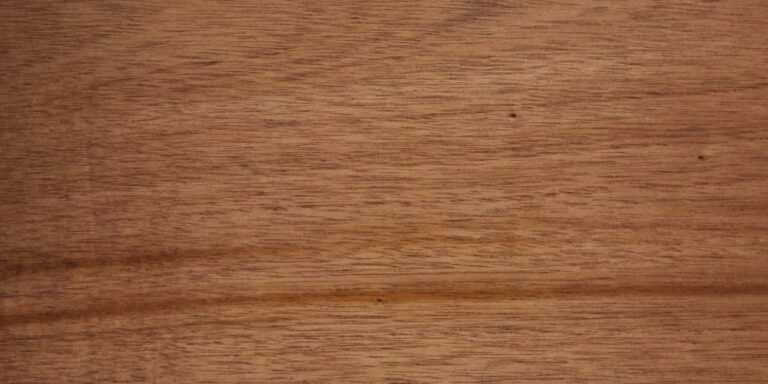
African Mahogany (Khaya spp.) covers four closely related species and is one of Africa's most commercially important woods. It grows across tropical West and Central Africa and is a strong, tough, durable wood with many of the same qualities as Genuine Mahogany.Depending on origin and species, it ranges from pale pink or muted orange to darker reddish or golden brown, sometimes with darker stripes, and it deepens in color over time. Ribbon, wavy and mottled figure and varying chatoyance can make it very attractive.The grain is straight or interlocked, with a medium to coarse texture. It works, turns and finishes easily, though interlocked boards can tear out when planed, so take light passes. It glues well and takes stain evenly.Its popularity as a mahogany substitute has led to plantations in Latin America as well as Africa. It's used for fine furniture, cabinetry, boatbuilding, guitar necks and bodies, turnings, millwork and veneer. For a close alternative, see Sapele.
boatbuilding, furniture, lutherie, turnings, veneer
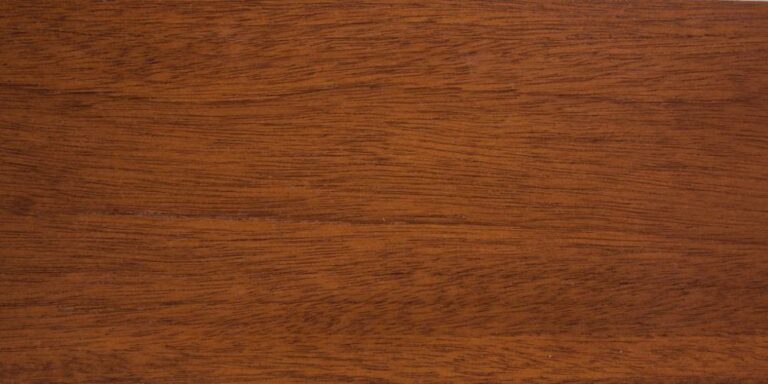
Genuine Mahogany (Swietenia macrophylla), also called Honduran, Brazilian or Big-leaf Mahogany, is the species most people mean when they say “mahogany.” It grows from Mexico to the Amazon and has long been an important wood throughout Latin America.The color ranges from pale pink to light and medium reddish-brown, deepening to a rich, warm red-brown with age, and it's renowned for its chatoyance. The grain is usually straight but can be interlocked, irregular or wavy, with a fine, even texture and a rich luster. Ribbon and fiddleback figure appear in some boards.It's famously easy to work: it cuts, planes, carves, glues and finishes beautifully, and it's very stable once dry. Wood from natural forests is generally considered more durable and stable than plantation-grown stock, which now makes up much of the supply.Genuine Mahogany is a classic for fine furniture, cabinetry, boats, guitars, carving and turnings. Tighter supply has given rise to substitutes such as Sapele and African Mahogany, but demand for the real thing remains strong.
boatbuilding, cabinetry, carving, furniture, turnings, veneer
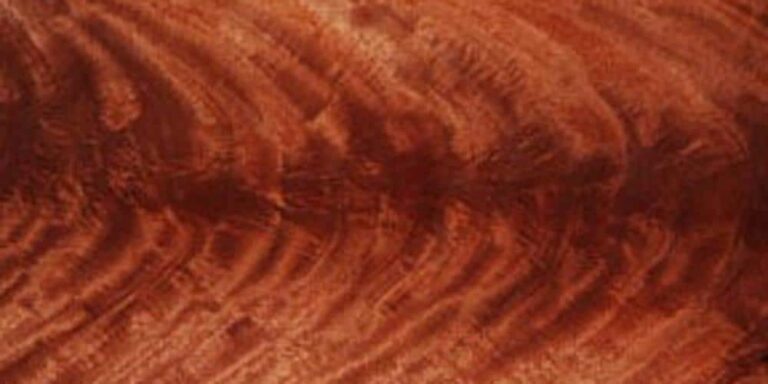
Crotch Mahogany (Swietenia macrophylla) is Genuine Mahogany cut from where the trunk divides into major branches, producing dramatic feather and flame figure that has been prized by furniture makers for centuries.Genuine Mahogany is the world's most sought-after mahogany and the standard others are measured against. Its color ranges from light golden brown to pale pinkish-red, darkening over time to a rich, warm red-brown.Premium pieces have a velvety look, tight, consistent grain and chatoyance from subtle to dramatic. It's very cooperative to work and finish, which also makes it popular with turners and carvers. Crotch grain changes direction a lot, so take light passes and sand carefully to avoid tear-out. Every piece is different, so we recommend choosing by eye.Crotch Mahogany is a showpiece wood for fine furniture, cabinet doors, panels, box lids and veneer, where its figure can be book-matched to dramatic effect. See also Genuine Mahogany lumber.
fine furniture
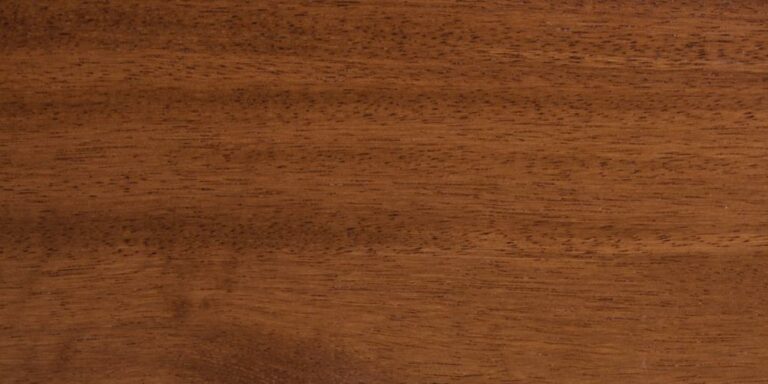
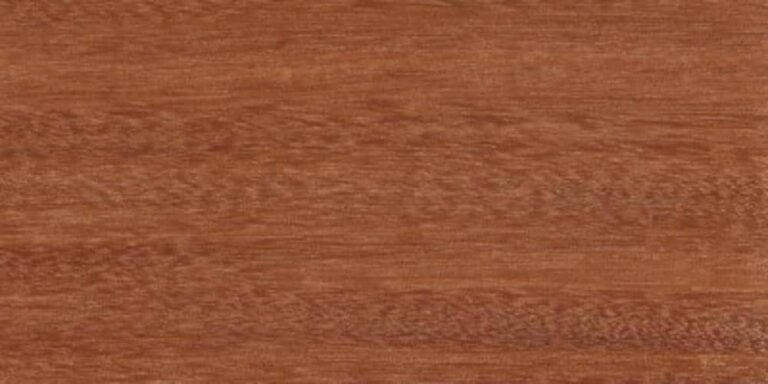
Santos Mahogany (Myroxylon balsamum), also called Cabreuva or Balsamo, grows across Central and South America. It isn't a true mahogany, but it shares much of the look. The tree is also the source of Balsam of Tolu and Balsam of Peru, aromatic resins used in medicine and perfumery.The heartwood ranges from muted yellow-orange to, more commonly, a deep red, and it darkens with age. Figured, chatoyant boards are common. That's where the similarities with mahogany end. It's much heavier and roughly twice as hard as typical mahogany, with a medium texture.The grain is usually interlocked, which makes it harder to work, and it can blunt blades. Its natural oils can complicate gluing but give it a beautiful luster and finish, along with a faint, pleasant scent.Santos Mahogany's toughness and durability make it a popular choice for flooring in the US, as well as furniture, stair treads, construction and veneer. For a lighter, true mahogany, see Genuine Mahogany.
construction, flooring, furniture, veneer
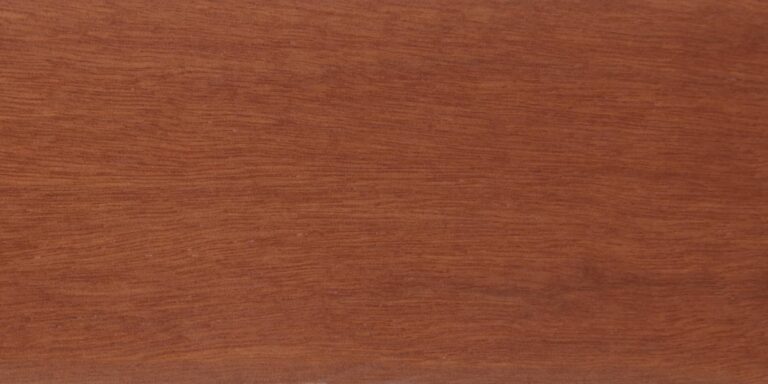
Makore (Tieghemella heckelii), sometimes called African Cherry or Cherry Mahogany, is a beautiful hardwood from the rainforests of West Africa. It's strong and durable for its moderate density, it's often used as a mahogany substitute, and it has served many roles in its native Africa for centuries.The heartwood ranges from pink to light and medium reddish-brown, with clearly paler yellow sapwood. Quartersawn boards often show striped, mottled or even beeswing figure, with a fine, even texture and a lovely luster.It's usually straight-grained and easy to work, though some boards are wavy or interlocked, and it turns well. Its silica content can dull blades, so carbide tools help, but it gives the wood a fine luster and causes no trouble with gluing or finishing. The fine dust can irritate, so use good extraction.The trees grow very tall, so long, wide and thick boards are available. Makore is used for fine furniture, cabinetry, boatbuilding, flooring, turnings and veneer, and its color makes it a handsome alternative to Cherry.
boatbuilding, cabinetry, flooring, furniture, specialty items, turnings, utility lumber, veneer
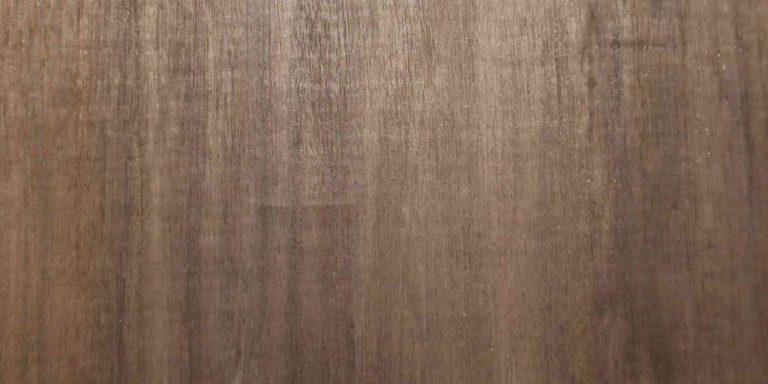
Mansonia (Mansonia altissima) is a modestly priced hardwood from the tropical forests of West Africa, known for its durability and attractive grain.The heartwood ranges from greyish or purplish brown to darker brown, sometimes with lighter or darker bands. The grain is mostly straight to interlocked with a fine, even texture. It's often compared to walnut in appearance, and it's sometimes used as a more affordable alternative.It's resistant to decay and insects, which makes it suitable for outdoor work and boatbuilding, and it's strong enough for everyday furniture. It generally works well with hand and machine tools, turns nicely and finishes to a good luster.Mansonia is a good choice for furniture, flooring, cabinetry, turnings and decorative pieces. Its dust is a known sensitizer, so wear a good dust mask and gloves and use dust extraction when machining or sanding it. If you like its look, see also Black Walnut.
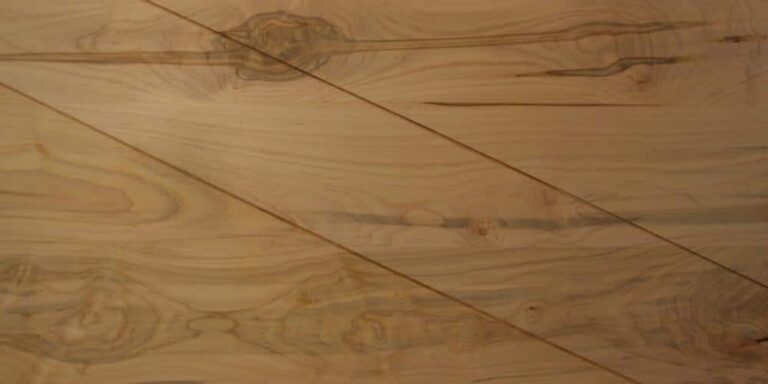
Ambrosia Maple isn't a species. It's maple, most often Red or Sugar Maple, marked with colorful streaks and small holes left by the ambrosia beetle. It's sometimes called Wormy Maple.The beetle burrows into the tree and carries a fungus with it, which feeds its young. As the fungus spreads through the sap, it stains the wood with streaks, mostly blue-grey and sometimes greenish or brown, around the small tunnels. The beetles prefer freshly cut, drying wood and don't return once it's been kiln-dried, so the holes are no cause for concern.The result is a darker, more characterful surface than plain maple, with the same high luster and often other maple figure too, so every board is unique. It works as easily as any maple. Fill the beetle holes with epoxy or leave them as they are, and go slowly with high-speed tools, as maple can burn.Ambrosia Maple isn't durable outdoors, but it's stable enough for furniture, tabletops, guitars, cutting boards, turnings, crafts and veneer. For another naturally marked maple, see Spalted Maple.
crafting, furniture, lutherie, specialty items, turnings, veneer
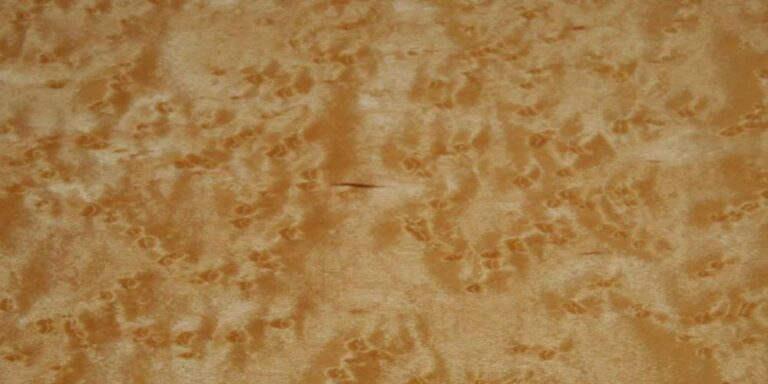
Birdseye Maple isn't a species. It's a figure found mostly in Sugar Maple (Acer saccharum), and much of ours comes from Maine. It remains one of the most coveted figured maples and is rare: only a small fraction of maple trees develop it.The cause isn't proven, but the usual explanation is that tough growing conditions make the tree sprout tiny buds that never develop, leaving small “eyes” in the wood. Eye size and density vary a lot, and boards with more eyes command higher prices. Larger eyes can look almost three-dimensional once finished, like small brown bumps on a golden surface.It works like other hard maple, but occasionally an eye can tear out and leave a small void, so take light passes and sharp blades. Some guitar makers avoid it for fretboards for this reason, or seal it with lacquer. An oil finish makes the eyes pop.It's prized for fine furniture, cabinetry, guitar necks and bodies, boxes, interior trim and veneer, and it was a favorite of Art Deco designers. For a darker version, see Roasted Birdseye Maple.
cabinetry, furniture, lutherie, specialty items, veneer
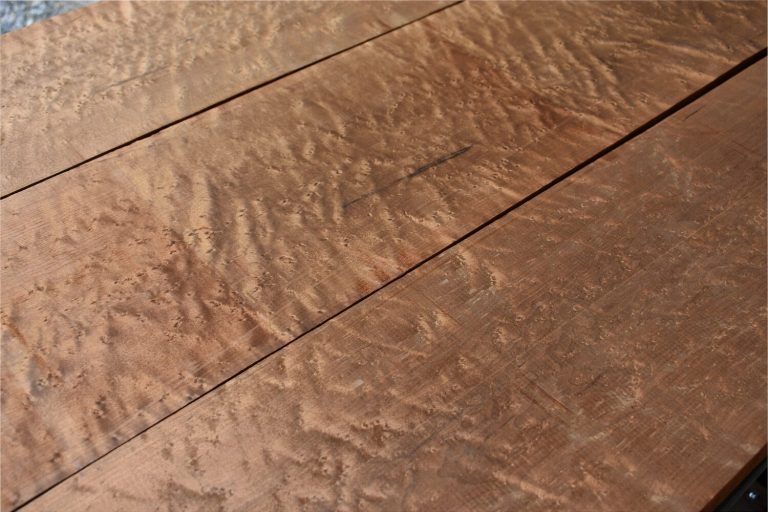
Roasted Birdseye Maple is Birdseye Maple that has been thermally modified. The wood is heated gradually to over 160°C in oxygen-free chambers, a natural, chemical-free process that darkens it to a rich caramel or chocolate brown while keeping the birdseye figure.The heat changes the wood's cell structure, so it absorbs less moisture. That makes it more dimensionally stable, which guitar makers value for necks and fretboards. It also becomes a little more brittle, so it chips more easily than unmodified maple, and it's best for tops, panels, flooring and instrument parts rather than intricate joinery. It also smells pleasantly toasty when cut.The very dry wood soaks up finish, so plan on a generous coat. Our in-house woodworker has had excellent results with Osmo Polyx-Oil, and he suggests a thicker finish works best. Use sharp tools and light passes to avoid chipping around the eyes.Roasted Birdseye Maple is popular for guitar necks and fretboards, fine furniture, knife handles, bandings and specialty pieces, where it gives the look of a dark exotic with the familiarity of maple.
bandings, crafting, fine furniture, flooring, knife handles, lutherie, musical Instruments, specialty items
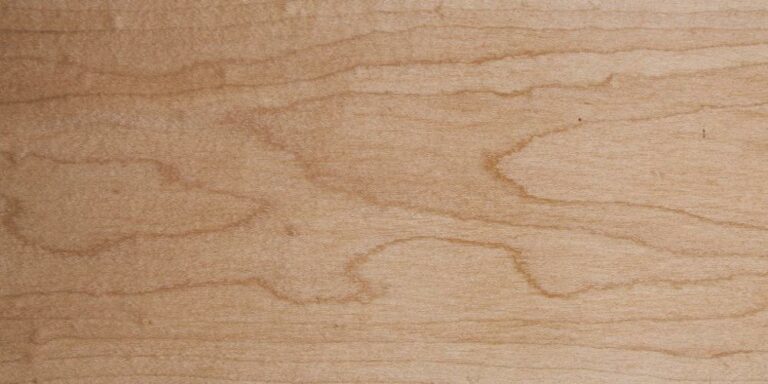
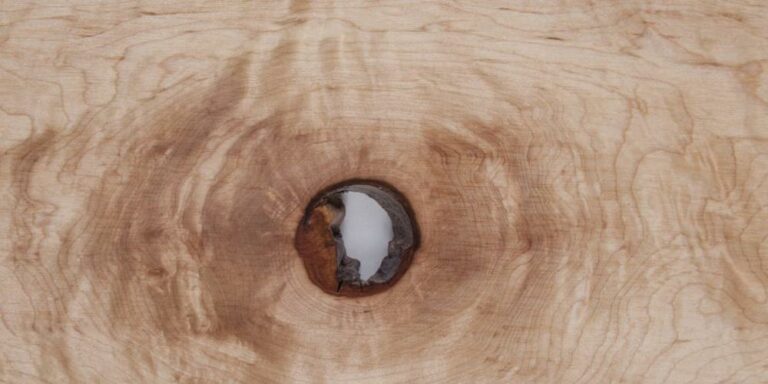
Curly Hard Maple, or Tiger Maple, is Sugar Maple (Acer saccharum) with bold “tiger stripe” figure, also known as fiddleback when it's tight and even. Curl is more common in soft maples, but it appears in hard maple too, and that's what we stock.As with all maple, the pale sapwood is the most valued part. Dense, pure-sapwood boards with strong figure are the most sought-after and command serious prices with electric guitar makers. The tight curl on quartersawn boards is especially striking, with stripes that seem to move as you tilt the board.It works like any hard maple: take light passes to avoid tear-out in the figure, and go slowly with high-speed tools, as maple can burn. A dye or oil finish makes the curl pop dramatically, which is why it's so popular for guitar tops.Curly Hard Maple is a favorite for fine furniture, Shaker and colonial reproductions, boxes, flooring, cabinetry, gun stocks and veneer, as well as violin backs and guitar necks. See also Curly Soft Maple.
boxmaking, fine furniture, veneer
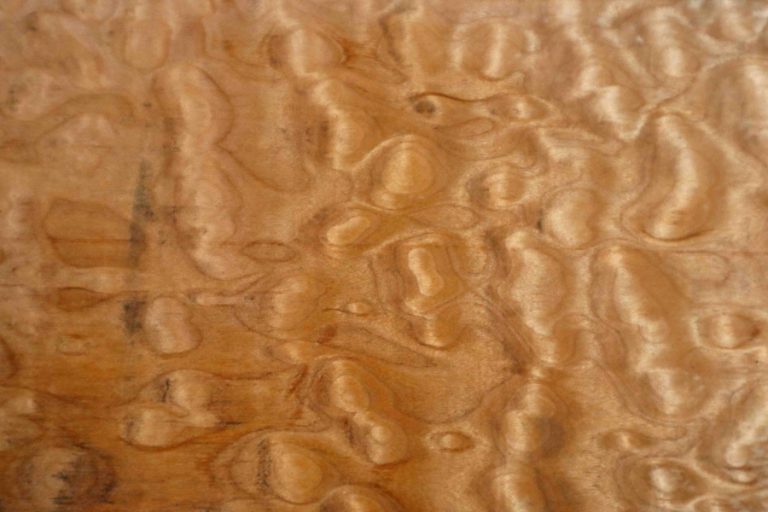
Quilted Maple comes from Bigleaf Maple (Acer macrophyllum), which grows along the Pacific coast from British Columbia to California. It's prized for its rippling, three-dimensional figure, which looks like quilted fabric or rippling water.The figure comes from irregularities in the tree's growth, and it gives the wood real depth and shimmer, especially under finish. Color varies from pale cream to light tan, sometimes with warmer tints. Only a small share of Bigleaf Maple shows strong quilt, which is why good boards command a premium.It's a little softer than Hard Maple and works much like other maples. Take light passes to avoid tear-out in the figure, and sand carefully. A dye or clear finish brings out the shimmer dramatically, which is why it's so popular for guitar tops.Quilted Maple is a favorite with luthiers for electric guitar tops and acoustic backs, and it's also used for fine furniture, boxes, knife handles, paneling and decorative veneer. For a different maple figure, see Birdseye Maple and Curly Maple.
boxmaking, cabinetry, furniture, interior panelling, knife handles, lutherie, musical Instruments
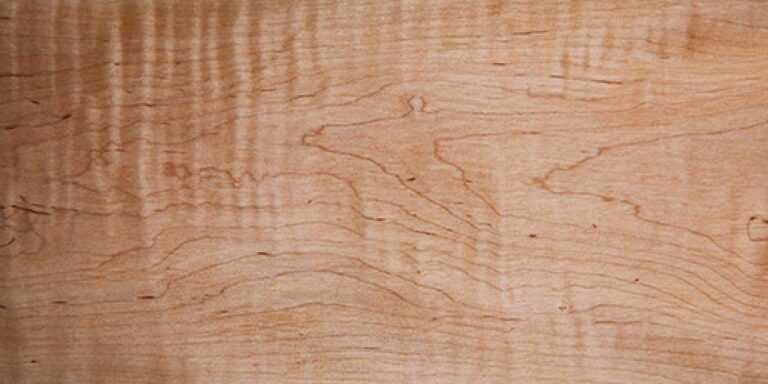
Soft Maple isn't a single species. It's the name for the lighter maples, and ours is Red Maple (Acer rubrum), the heaviest and most common of them, found across the eastern US and Canada. Like all our maples, it's a Maine local.As with all maples, the pale white to golden sapwood is valued more than the darker heartwood. The grain is usually straight with a fine, even texture, and it's only slightly softer than Hard Maple, so it's hard enough for most furniture.It's a little easier to work than Hard Maple, and it machines, turns, glues and finishes well. Go slowly with high-speed tools, as maple can burn, and test stains first, as it can blotch. Figure can be dramatic, from tiger stripe and fiddleback to the occasional quilt.Its extra weight makes Red Maple the most useful of the soft maples for furniture and utility work. Soft Maple is a versatile, affordable choice for cabinetry, painted furniture, boxes, turnings, millwork and veneer. For figured stock, see Curly Soft Maple.
boxmaking, specialty items, turnings, utility lumber, veneer
Curly Soft Maple is Red Maple (Acer rubrum) with shimmering curl figure. Red Maple is the heaviest and most common of the soft maples and grows across the eastern US and Canada, including here in Maine.The pale white to golden sapwood is the most valued part, and the figure can include tiger stripe, fiddleback and occasionally quilt. Curl is actually more common in soft maples than in hard, so there's plenty of character to choose from. Our stock generally ranges from light to medium figure.It's a little easier to work than hard maple. Take light passes to avoid tear-out in the figure, and go slowly with high-speed tools, as maple can burn. A dye or oil finish brings the curl to life.Curly Soft Maple is popular for guitar bodies and tops, furniture, boxes, turnings, specialty items and veneer, and it's a more affordable way to get the curly maple look. For a darker version, see Roasted Curly Soft Maple, and for harder stock, see Curly Hard Maple.
boxmaking, specialty items, turnings, utility lumber, veneer
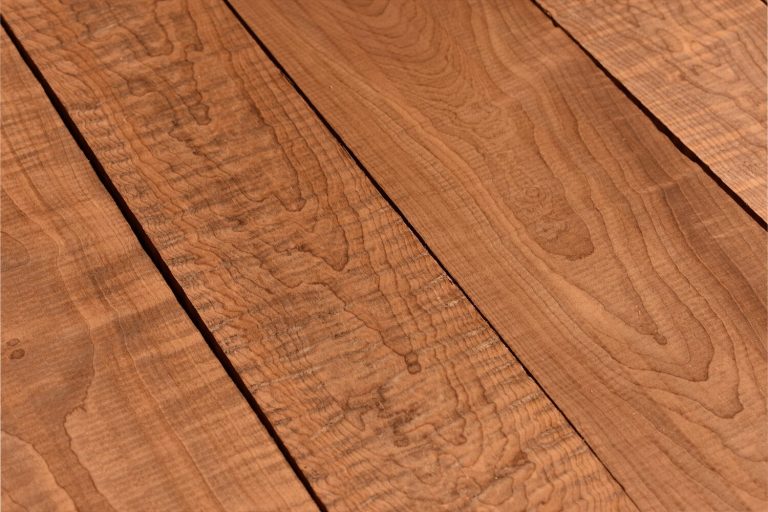
Roasted Curly Soft Maple is Curly Soft Maple that has been thermally modified. The wood is heated gradually to over 160°C in oxygen-free chambers, a natural, chemical-free process that darkens it to a rich caramel or chocolate brown while keeping the curl.The heat changes the wood's cell structure, so it absorbs less moisture. That makes it more dimensionally stable, which guitar makers value for necks. It also becomes a little more brittle, so it chips more easily than unmodified maple, and it's best for tops, panels, flooring and instrument parts rather than intricate joinery. Expect a pleasant, toasty smell when you cut it.The very dry wood soaks up finish, so plan on a generous coat. Our in-house woodworker has had excellent results with Osmo Polyx-Oil, and he suggests a thicker finish works best. Use sharp tools and light passes to avoid chipping in the figure.It's popular with guitar makers for necks and bodies, and for fine furniture, paneling and specialty pieces, where it offers the look of a dark exotic with the reliability of maple. See also Roasted Birdseye Maple.
fine furniture, flooring, interior panelling, lutherie, musical Instruments, specialty items
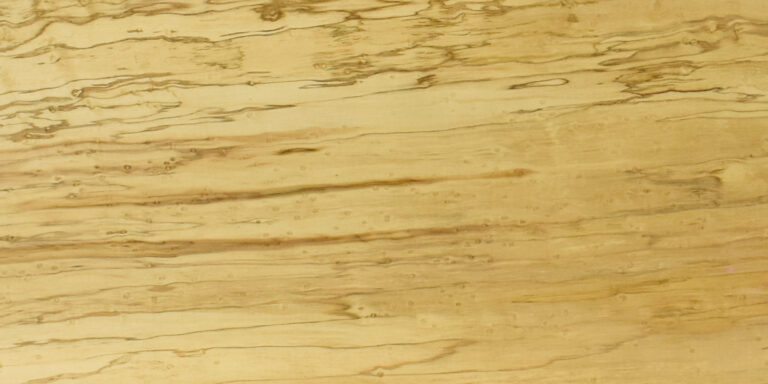
Spalted Maple isn't a species. It's maple with black lines and streaks caused by fungi in the early stages of decay, often in logs that have lain on the forest floor for a while before being sawn.The spalting creates random, dramatic patterns of black zone lines, sometimes with patches of pink, grey or cream, so every board is unique. Spalting can't be planned, so every piece is a one-off. The process is stopped once the wood is kiln-dried.Some pieces may have softer areas where the spalting is heavier, so check your stock, use sharp tools, and consider a sanding sealer or stabilizing before finishing. Sand with fine grits to avoid smearing the dark lines. Wear a dust mask, as fungal spores add to the dust.Spalted Maple is a favorite for turnings, bowls, boxes, guitar tops, furniture accents, carving and specialty pieces. For another spalted wood, see Spalted Tamarind, and for maple with beetle-trail streaks, see Ambrosia Maple.
cabinetry, carving, flooring, furniture, specialty items, turnings, veneer
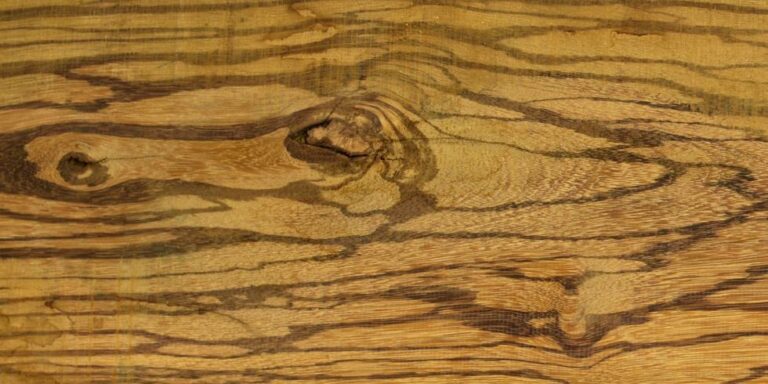
Marblewood (Zygia racemosa) is a South American hardwood that gets its name from its marble-like look: pale yellow wood streaked with dark brown, purple or black.Only the heartwood carries the striping, which is random and irregular, so no two pieces are alike. It looks a little like Zebrawood, but it's coarser and unrelated. Premium boards have bold, high-contrast stripes with few defects.It's heavy, dense and strong, which can make it hard to work, especially where the grain is interlocked, but it's very stable and can be sliced thin and hold its shape. It's also resinous, so thorough kiln-drying is essential if you plan to finish it. Small surface checks that won't sand out are common, so pick boards carefully. Sharp blades and a bit of patience deliver stunning results.Marblewood is popular with turners, and its strength and durability also suit flooring, furniture, cabinetry, carving, knife handles and veneer. For another striped wood, see Goncalo Alves.
cabinetry, carving, flooring, furniture, turnings, utility lumber, veneer
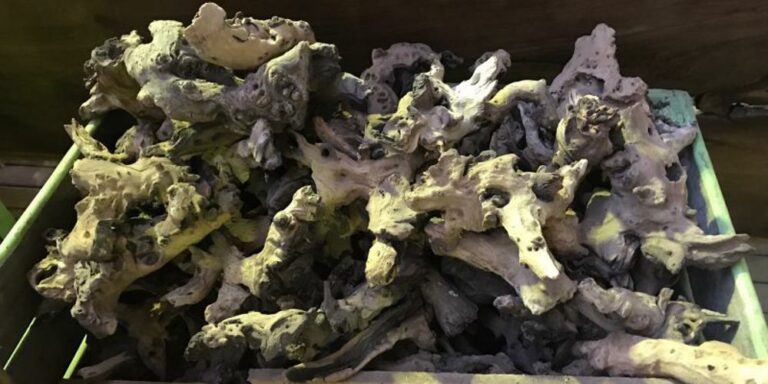
Mopane (Colophospermum mopane) is one of the densest, most stable and durable woods in the world, and still one of southern Africa's best-kept secrets. The tree is known for its butterfly-shaped leaves and is an important food source for the mopane worm, a local delicacy. We stock the roots, and the details here describe the wood.The heartwood is medium to dark brown with a golden to reddish tint, often with black streaks. It's very resistant to insects and has long been used outdoors in its native region. Root pieces offer some of the most interesting figure, with swirling grain and natural shapes.The interlocked grain and great density make it hard to work, but it turns smoothly, polishes to a deep luster and holds fine detail. The trees grow wide and irregular, so large boards are rare.Mopane has been used for centuries for carved woodwind instruments and is valued for its tone, similar to African Blackwood, and it's used today for bagpipe chanters and clarinets. It's a favorite with turners and carvers, and root pieces make striking bowls, bases and natural-edge art.
carving, construction, fencing, flooring, furniture, turnings, utility lumber
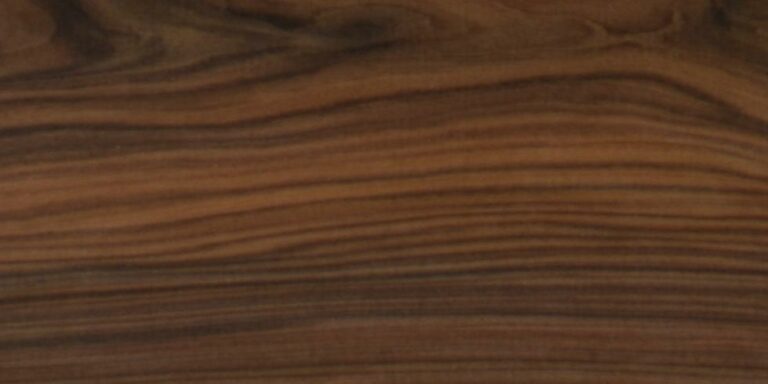
Morado (Machaerium spp.) goes by many names, most commonly Pau Ferro and Bolivian Rosewood. It grows in Bolivia and Brazil, and earned the rosewood nickname for its similar color and density, though it isn't a true rosewood.It has a medium brown base with black streaks, sometimes with purple, tan and golden hues or an overall purplish tint. The grain is usually straight to slightly interlocked with a fine to medium texture and good luster.Straight-grained pieces are very easy to work, and it turns smoothly and finishes well. It's durable, though it can be attacked by insects, and its dust can irritate sensitive skin, so use dust extraction. It's tighter-grained than a typical rosewood and a little lighter.Morado is one of the closest non-rosewood alternatives to Brazilian Rosewood. Guitar makers value it for fretboards, backs and sides, with tight lows, present mids and clear highs, and it's been used on many production electric guitars. It's also used for furniture, cabinetry, flooring, knife handles and turnings. See also Santos Rosewood.
cabinetry, flooring, furniture, lutherie, musical Instruments, specialty items, turnings, veneer
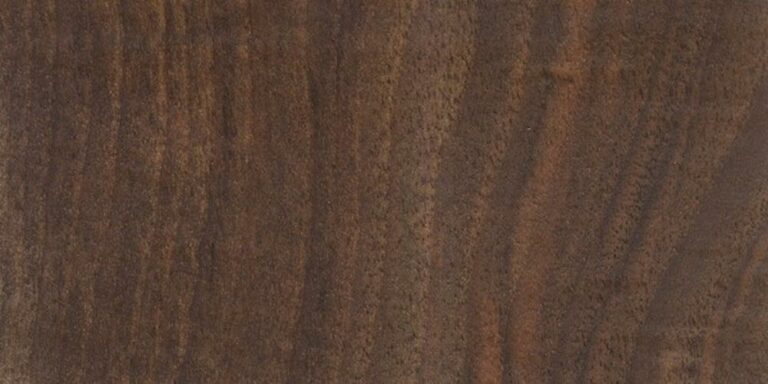
Nogal (Juglans spp.), also known as Peruvian Walnut or Tropical Walnut, is a true walnut that grows in the Andean regions of Central and South America.It's typically darker than American Black Walnut, a deep chocolate brown, often with black lines and occasionally a purple tint. Like Black Walnut, it's usually straight-grained with a medium to coarse texture and good luster, though figure is less common.It's very easy to work, stain, glue and finish, though irregular grain can tear out when planed. It's slow to dry, so it's usually cut into 4/4 boards and carefully air-dried before kilning. It's moderately durable but best kept indoors, as it can attract insects.Nogal has a density and working properties very similar to Black Walnut, making it a great alternative when you want an even darker tone. It's used for furniture, cabinetry, flooring, interior paneling, gun stocks and veneer.
cabinetry, flooring, furniture, veneer