
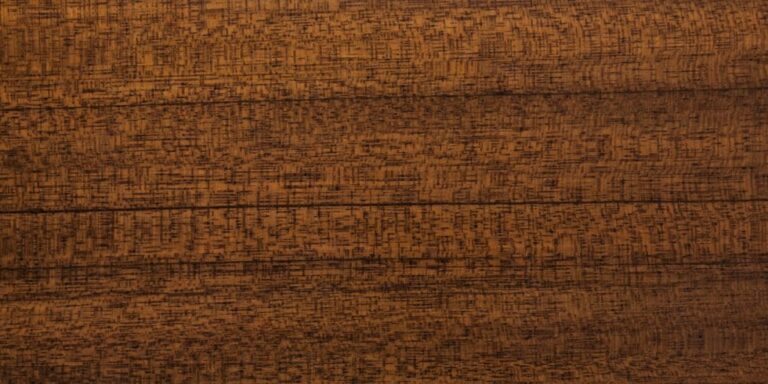
African Walnut (Lovoa trichilioides), also called Dibetou or Congowood, grows in the tropical forests of West and Central Africa. It isn't a true walnut but a member of the mahogany family, though it shares many of walnut's qualities.The heartwood ranges from golden brown to reddish-brown, often with darker streaks, and it deepens to richer brown tones with age. The narrow sapwood is grey to beige. Quartersawn boards can show a ribbon stripe much like Sapele, and figured pieces turn up fairly often.The grain is straight or slightly interlocked, with a fine to medium, consistent texture and a fine natural luster. It works, turns, glues and finishes well, though sharp tools help avoid tear-out on interlocked boards. It's lighter in weight than American walnut, reasonably stable and moderately durable.African Walnut makes a handsome, more affordable alternative to true walnut for many projects. It's used for furniture, cabinetry, paneling, flooring, gun stocks, carving, boatbuilding and veneer. See also American Black Walnut.
boatbuilding, cabinetry, carving, flooring, furniture, gun stocks, joinery, paneling, specialty items, turnings, veneer
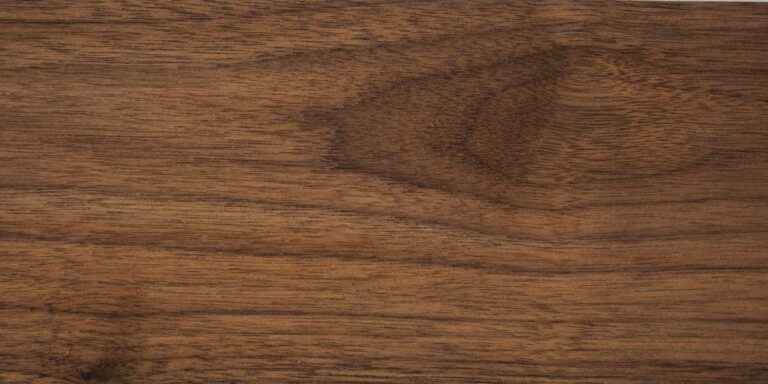
American Black Walnut (Juglans nigra) is one of America's most popular and prized hardwoods, and it's been a favorite of fine furniture makers for centuries. The trees are valued as much for their nuts as for their lumber.It's known for its deep chocolate color, often with red or purple streaks, along with straight to irregular grain, a fine texture and a warm luster. The sapwood is pale cream, and steamed lumber evens out the color, while air-dried boards keep a richer mix of tones.It's strong for its weight, stable once dry, shock-resistant and durable, and its moderate density makes it a pleasure to work. It planes, carves, turns and glues easily and takes an oil finish beautifully, which is why it's long been the top choice for gun stocks.Walnut grows mainly near rivers and streams in the eastern and central US and into southern Ontario. Supply is steady but demand is always strong, making it a premium domestic hardwood. It's used for furniture, cabinetry, gun stocks, paneling, turnings and veneer. For figured stock, see Figured Black Walnut.
cabinetry, furniture, gun stocks, interior panelling, specialty items, turnings, veneer
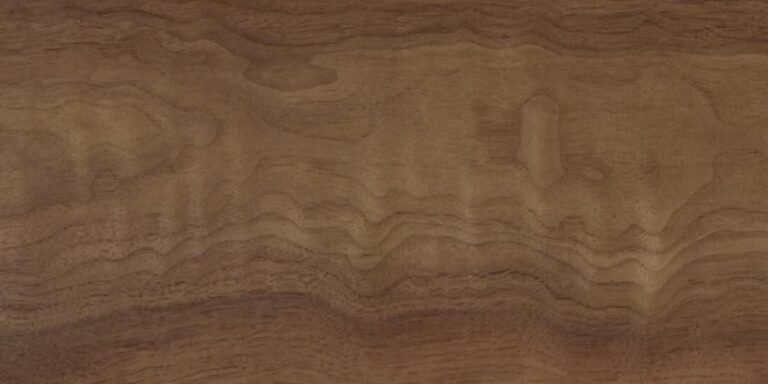
Figured Black Walnut (Juglans nigra) is American Black Walnut with striking figure across the grain, such as curl, crotch or wavy figure. It's the walnut that makers save for their best work.Black Walnut is prized for its deep chocolate color, often with red or purple streaks, a fine texture and a warm luster. Figure adds shimmer and depth that a plain board can't match, and the effect shifts as you move around the piece.It's strong for its weight, stable, shock-resistant and durable, and it's a pleasure to work. Take light passes on figured areas to avoid tear-out, or use a scraper or card scraper for the final surface. An oil finish really brings the figure to life, and a clear topcoat over oil keeps that depth while adding protection.Figured boards are the most sought-after walnut, and the best pieces are limited in supply. They're ideal for showpiece furniture, tabletops, gun stocks, boxes, guitar backs, turnings and veneer. See also plain American Black Walnut and English Walnut.
cabinetry, furniture, gun stocks, interior panelling, specialty items, turnings, veneer
English Walnut (Juglans regia), also called European or Persian Walnut, is one of the world's classic furniture woods. Despite the name, it's native to parts of Europe and Central Asia, and it's the same tree that produces the common walnuts sold in stores.The heartwood ranges from warm honey brown to rich chocolate, often with subtle grey, olive or purple undertones. The grain is typically straight, but curly, crotch and burl figure can be spectacular, and burl veneer from this species has graced fine furniture and car dashboards for generations.Compared with American Black Walnut, it's usually lighter and warmer, with a slightly finer texture and softer contrast between heartwood and sapwood. It machines beautifully, turns well and finishes very smoothly, developing a deep luster under oil. It's not as hard as many tropical woods, but it offers an excellent balance of stability, workability and durability.It's a favorite for fine cabinetry, heirloom furniture, gun stocks, paneling, carving, boxes and inlay. For craftsmen who value elegance over brute hardness, it's hard to beat.
boxmaking, cabinetry, inlay, interior panelling, joinery, specialty items, trim
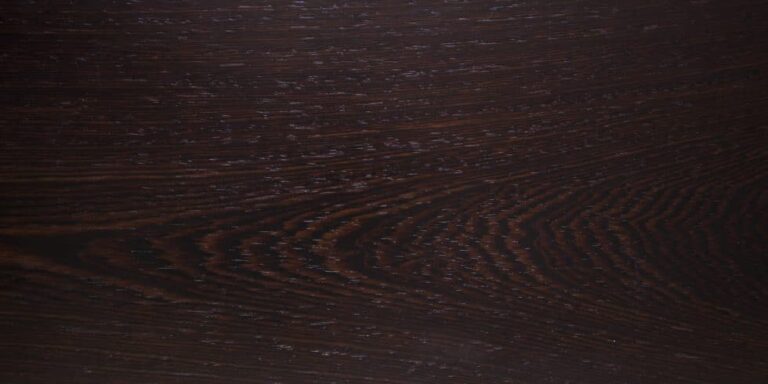
Wenge (Millettia laurentii) is a tough Central African hardwood whose deep chocolate color is so distinctive that “wenge” has become the name of a color used by paint and furniture makers.The dark brown base sometimes carries muted gold, orange, red or burgundy tints, with overlapping black lines across the surface. The grain is generally straight, sometimes wavy or irregular, and quartersawn boards show a striking, even stripe.It's strong, durable, rot- and insect-resistant and very stable, and it glues well, though its coarse texture can make it hard to work. It's often described as dull, but in our experience fine-grit sanding of flat-sawn boards can bring out a surprisingly deep, glossy luster. It's very splintery, and its splinters are sharp and can easily become infected, so wear gloves, remove any splinters promptly and use good dust collection.Its combination of moderate weight, strength and durability makes it well suited to high-traffic flooring, as well as furniture, cabinetry, paneling, handles, bows and walking sticks. See also Panga Panga, its close cousin.
bows, cabinetry, flooring, furniture, handles, paneling, specialty items, veneer, walking sticks
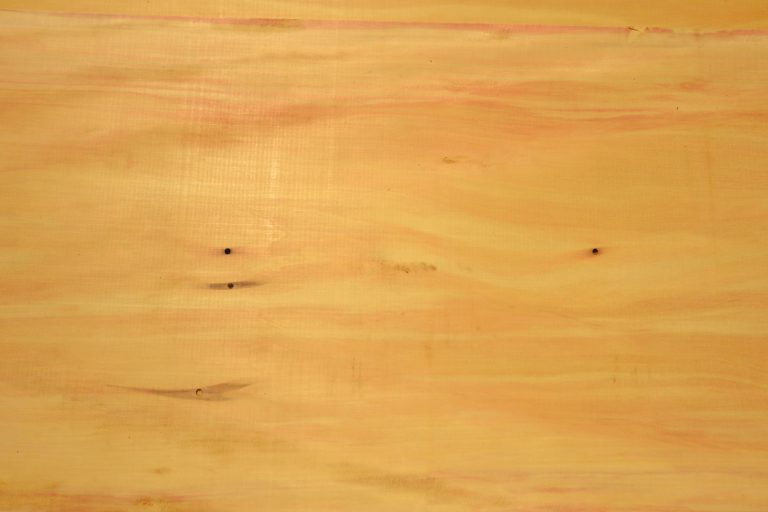
Yellow Rosa (Aspidosperma sp.) is a vibrant yellow hardwood and an excellent alternative to Yellowheart. The Aspidosperma genus grows across Central and South America and includes several well-known timbers, such as Peroba Rosa.It's mostly golden, but some boards show soft patches of pink and orange, reminiscent of Peroba Rosa's classic tones. The grain is mostly straight with a fine, even texture, and those occasional color shifts give each board a bit of individuality.It's fine-textured and durable, with a good balance of beauty, strength and workability, and it takes a finish well. A clear finish brings out its warm golden glow, and like most yellow woods it slowly mellows to a deeper gold over time. Sharp tools help where the grain is irregular, and it sands to a smooth, even surface.Yellow Rosa is well suited to fine furniture, flooring, cabinetry, boxes, crafts and other woodworking where you want a splash of color. It pairs especially well with dark woods like Black Walnut or Wenge for contrast.
boxmaking, cabinetry, crafting, fine furniture, flooring, furniture
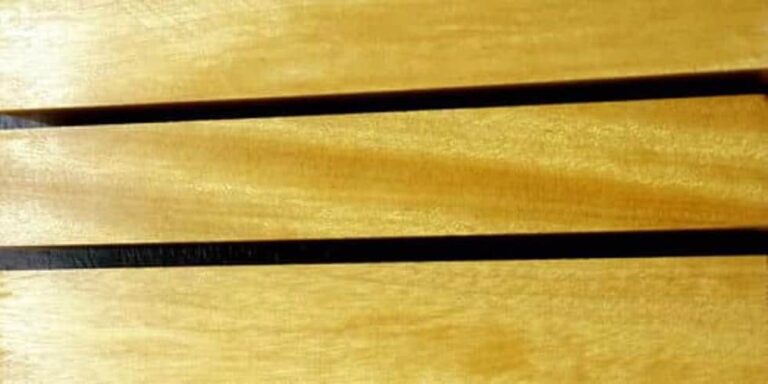
Yellowheart (Euxylophora paraensis), also called Pau Amarelo or Brazilian Satinwood, was once one of the most popular yellow woods around. True Yellowheart has now become almost impossible to find.The tree grows only in a small part of the Brazilian Amazon, mostly in Pará and Maranhão, where it occurs naturally at low densities. Decades of selective logging, along with forest clearing for cattle pasture and farming, are thought to have cut its wild population by half or more over the past 60 years. In 2014 Brazil added it to its official list of threatened species, which bans cutting, transporting and selling wild trees, and supply to the US has all but dried up. Much of the “Yellowheart” sold today is actually a different species.The color ranges from pale yellow to bright yellow and gold, and premium boards show a satiny, shimmering figure. It's fine-textured, durable and easy to work, and it finishes beautifully.We still have a small amount of legacy stock, bought before the ban, and once it's gone we won't be able to replace it. For the same golden look in a wood that's readily available, see Yellow Rosa or East Indian Satinwood.
boatbuilding, cabinetry, carving, flooring, furniture, handles, inlay, musical Instruments, trim, turnings, veneer
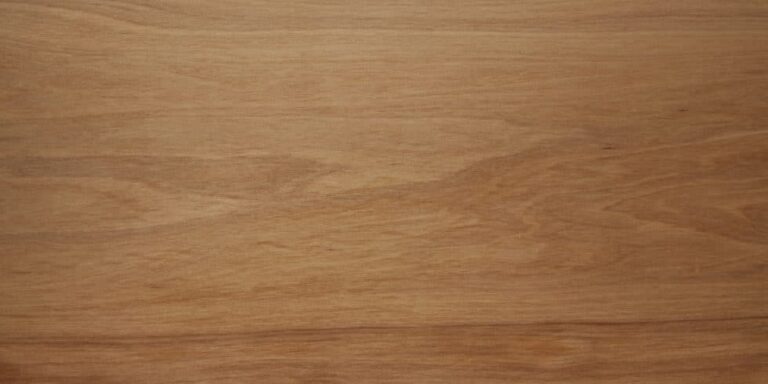
Yellowwood (Podocarpus latifolius) is the national tree of South Africa, and its light, even-grained wood has been used there for hundreds of years, from railway sleepers and building timbers to floors and furniture. The slow-growing trees can reach around 100 feet in moist mountain forests.The heartwood is pale yellowish-brown, sometimes with reddish streaks, and hard to tell apart from the sapwood. The grain is usually straight, occasionally wavy, with a fine, even texture and a nice natural luster.It's tough, stable and easy to work with hand and power tools, and it planes, glues and finishes well. It's fairly light in weight, which makes it pleasant to handle on larger projects, and it takes stains and clear finishes evenly.Old Cape Dutch homes are famous for their yellowwood floors, ceilings and furniture, and antique yellowwood pieces are highly collectible in South Africa. It's still very popular in southern Africa for indoor carpentry and floors. Yellowwood is a lovely choice for boxes, fine furniture and interior work. See also Stinkwood, its traditional partner in Cape furniture.
boxmaking, fine furniture
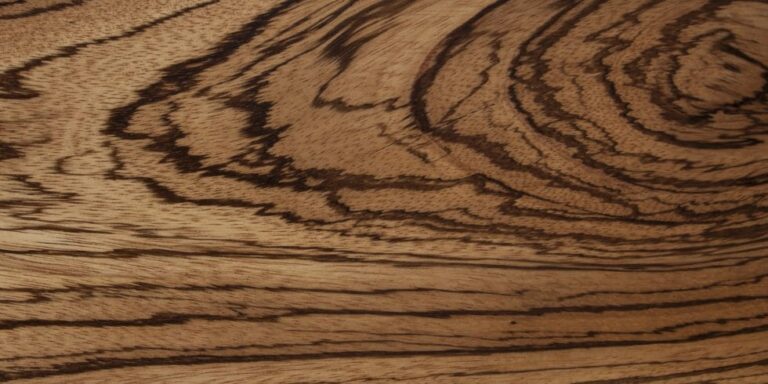
Zebrawood (Microberlinia brazzavillensis), also called Zebrano, is a tough, durable West African wood with bold dark brown to almost black stripes on a pale gold to off-white base. Few woods are as instantly recognizable.Quartersawn boards show long, fairly even stripes, while flat-sawn boards are wavy and wild. The sapwood is pale and unstriped, so it's easy to spot. Once dry, it's a strong, stiff wood, though most people choose it purely for its looks.The texture is coarse with open pores, and the grain is often wavy or interlocked, so planing can be a challenge. Keep blades sharp to minimize tear-out, and fill the pores if you want a glass-smooth finish. It glues well and has a pleasant luster. It can be hard to dry and may warp, so quartersawn stock is the more stable choice, and small voids along the dark stripes aren't unusual.Zebrawood's looks keep it in steady demand with veneer mills around the world, which makes it moderately expensive despite good supply. It's used for veneer, fine furniture, accent panels, handles and turnings. For a lower-priced alternative, see Ababa.
fine furniture, handles, turnings, veneer
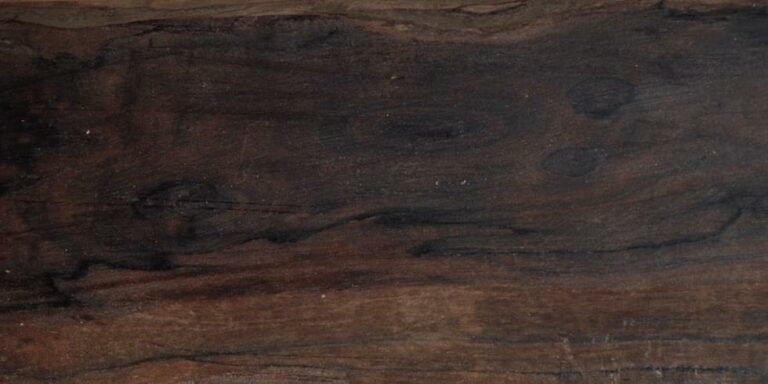
Ziricote (Cordia dodecandra) is one of the most striking exotic woods in the world, famous for its “landscape” or “spiderweb” grain. It grows in southern Mexico and parts of Central America.The color ranges from medium to dark brown, sometimes with a green or purple tint, with irregular black growth rings weaving through it. The sapwood is a dull off-white to pale yellow, and boards with sapwood left on can make for dramatic contrast.Although fairly dense, its mostly straight grain and fine texture make it cooperative to work. It cuts, turns, glues and finishes smoothly. It can be prone to end checking and surface cracks as it dries, so seal ends and store it carefully.Ziricote is a close relative of Bocote, and its dramatic figure has given it something of an elite status among exotic wood enthusiasts. It's prized by guitar makers as a visually stunning tonewood, with a bright, rosewood-like voice. Supply is limited and prices are high. It's also used for fine furniture, cabinetry, gun stocks, turnings, boxes and veneer.
cabinetry, flooring, furniture, gun stocks, joinery, lutherie, musical Instruments, specialty items, trim, turnings, veneer