
English Walnut (Juglans regia), also called European or Persian Walnut, is one of the world's classic furniture woods. Despite the name, it's native to parts of Europe and Central Asia, and it's the same tree that produces the common walnuts sold in stores.The heartwood ranges from warm honey brown to rich chocolate, often with subtle grey, olive or purple undertones. The grain is typically straight, but curly, crotch and burl figure can be spectacular, and burl veneer from this species has graced fine furniture and car dashboards for generations.Compared with American Black Walnut, it's usually lighter and warmer, with a slightly finer texture and softer contrast between heartwood and sapwood. It machines beautifully, turns well and finishes very smoothly, developing a deep luster under oil. It's not as hard as many tropical woods, but it offers an excellent balance of stability, workability and durability.It's a favorite for fine cabinetry, heirloom furniture, gun stocks, paneling, carving, boxes and inlay. For craftsmen who value elegance over brute hardness, it's hard to beat.
boxmaking, cabinetry, inlay, interior panelling, joinery, specialty items, trim
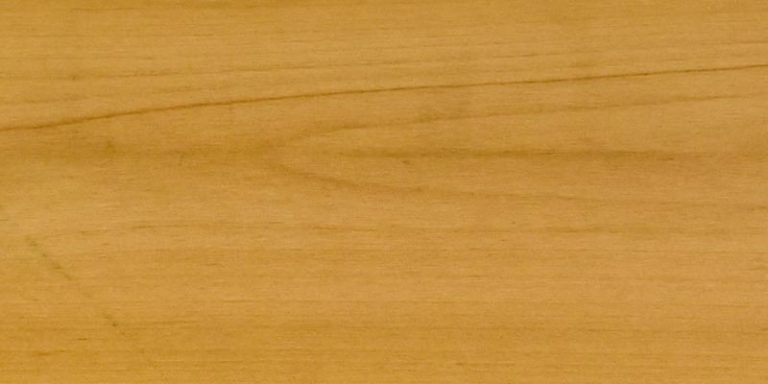
Red Alder (Alnus rubra) is the most abundant hardwood in the US Pacific Northwest, where it has long been used for furniture and cabinetry. It's also been a popular electric guitar body wood since the instrument first went into mass production in the 1950s.The color ranges from light tan to reddish-brown. It's light and soft for a hardwood, which makes it very easy to work, and it glues and finishes well. Many cabinetmakers compare its easy-going nature to Black Cherry.Alder is usually sold in two grades, knotty and clear, with clear preferred for furniture and cabinets. The surface dents easily until it's finished, so a hard finish such as lacquer is a good idea. It isn't durable outdoors, so it's best kept to indoor projects such as cabinetry, millwork and instruments.
cabinetry, lutherie, millwork, musical Instruments
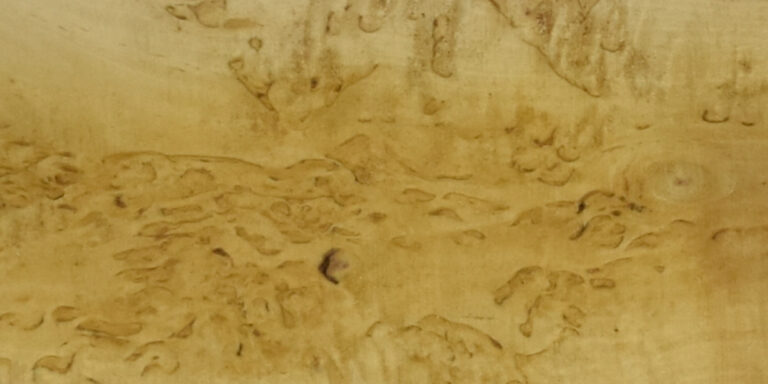
Masur Birch, also called Karelian Birch, isn't a species in its own right. It's a rare figure found in some European birch (Betula pendula) that produces a marbled look somewhere between burl and birdseye.The cause of the figure isn't fully settled. Some point to insect larvae damaging the growing tree, while others believe it's hereditary, and the variety is often named Betula pendula var. carelica. Whatever the cause, the result is striking lumber, and no two pieces are alike.The wood is light brown and works much like other birch, finishing to a smooth surface that shows off the figure.Masur Birch is mostly used for accents, turnings, knife handles and other small specialty pieces. Veneer is rotary-cut, like Birdseye Maple, to show the figure at its best.
fine furniture, knife handles, specialty items, turnings, veneer
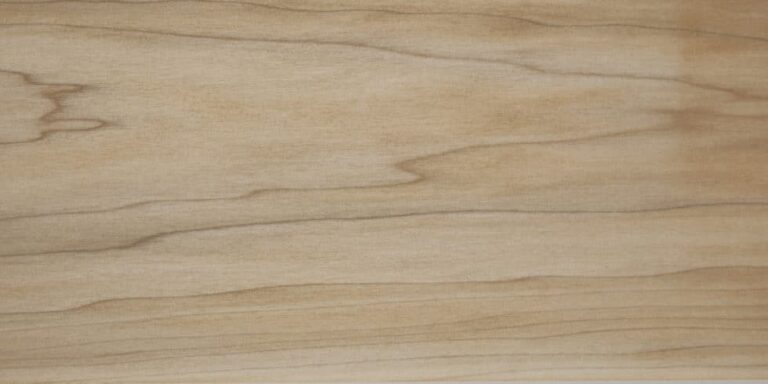
Yellow Poplar (Liriodendron tulipifera), also called Tulip Poplar or American Tulipwood, comes from the tallest hardwood tree in the eastern US, and it's one of the lightest hardwoods. Despite the name, it isn't a true poplar: its tulip-shaped flowers give it its other names.The heartwood is a light cream color, often with grey or green mineral streaks, and the sapwood is ivory to white. Especially colorful boards, with streaks running from red and purple to green and black, are known as Rainbow Poplar. The green tones darken to brown with light exposure.The grain is straight and uniform and the texture medium, so it's very easy to work, and it glues and finishes well when finely sanded. It takes paint better than almost any other hardwood, which makes it the go-to choice for painted work. It's moderately durable and very affordable.It's used for paneling, painted furniture, trim and moulding, drawer sides, crafts, carving, instruments and veneer, and it's a popular electric guitar body wood. For another light, easy-working hardwood, see Basswood.
crafting, lutherie, musical Instruments, paneling, utility lumber, veneer
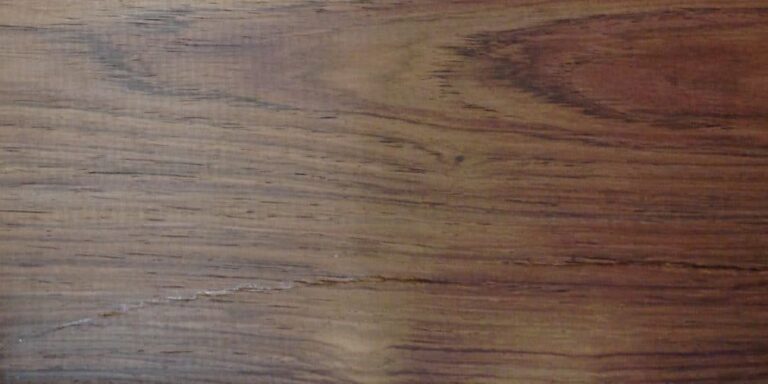
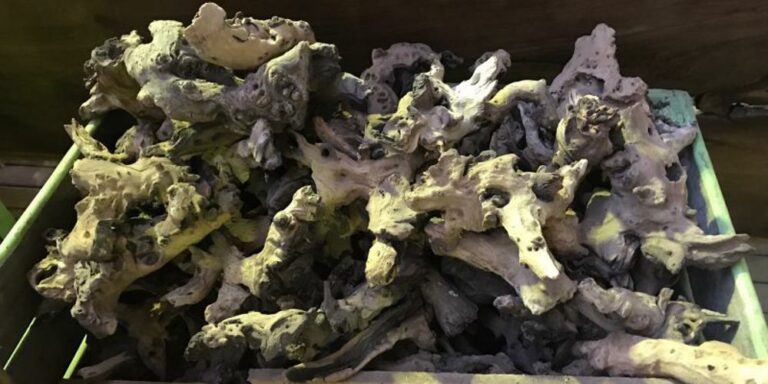
Mopane (Colophospermum mopane) is one of the densest, most stable and durable woods in the world, and still one of southern Africa's best-kept secrets. The tree is known for its butterfly-shaped leaves and is an important food source for the mopane worm, a local delicacy. We stock the roots, and the details here describe the wood.The heartwood is medium to dark brown with a golden to reddish tint, often with black streaks. It's very resistant to insects and has long been used outdoors in its native region. Root pieces offer some of the most interesting figure, with swirling grain and natural shapes.The interlocked grain and great density make it hard to work, but it turns smoothly, polishes to a deep luster and holds fine detail. The trees grow wide and irregular, so large boards are rare.Mopane has been used for centuries for carved woodwind instruments and is valued for its tone, similar to African Blackwood, and it's used today for bagpipe chanters and clarinets. It's a favorite with turners and carvers, and root pieces make striking bowls, bases and natural-edge art.
carving, construction, fencing, flooring, furniture, turnings, utility lumber
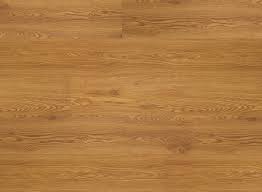
Slavonian Oak (Quercus robur) is European Oak from Slavonia, a region of eastern Croatia whose slow-grown forests produce some of Europe's finest oak. It's rarely seen in the US.It's best known for wine barrels, where its tight grain is said to mellow the taste and texture of the wine, and it's a long-time favorite of Italian winemakers. The heartwood is light to medium brown, sometimes with a greenish hue. The grain is mostly straight, sometimes interlocked or irregular, and the texture coarse.Quartersawn boards show dramatic ray fleck and are the most stable. It's tough and durable, steam-bends well, and is easy to work, gluing, staining and finishing well. Like all oaks, it can stain dark when in contact with iron.Besides barrels, it's used for fine furniture, cabinetry, flooring, boatbuilding and veneer, and its renown in the wine trade dates back centuries. See also White Oak and Bog Oak, the same species preserved in a peat bog.
boatbuilding, cabinetry, flooring, furniture, veneer,
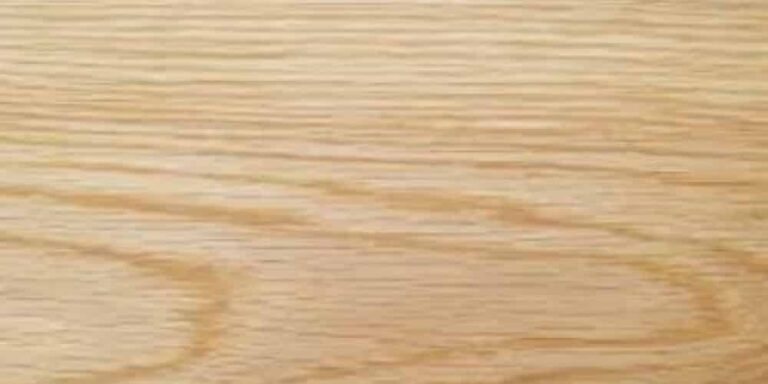
White Oak (Quercus alba) has long been one of America's preeminent hardwoods. It grows across the central and eastern US, and the trees can live for hundreds of years. One in New Jersey is estimated to be over 600 years old.The heartwood ranges from light golden tan to light and medium brown. The grain is straight, and quartersawn boards show the ray fleck oak is famous for. Its pores are plugged with growths called tyloses, which make it watertight, so it's the classic wood for whiskey and wine barrels.It's the most durable of the oaks and steam-bends well, which is why it has been used in boatbuilding for centuries. Despite its coarse texture, it works, glues, stains and finishes very well. It shrinks a lot, so quartersawn stock gives the most stable results. Like all oaks, it can stain when in contact with iron.White Oak is used for furniture, Mission and Arts and Crafts pieces, cabinetry, flooring, boats, barrels and veneer. For a more affordable oak, see Red Oak.
boatbuilding, cabinetry, carpentry, flooring, furniture, veneer,
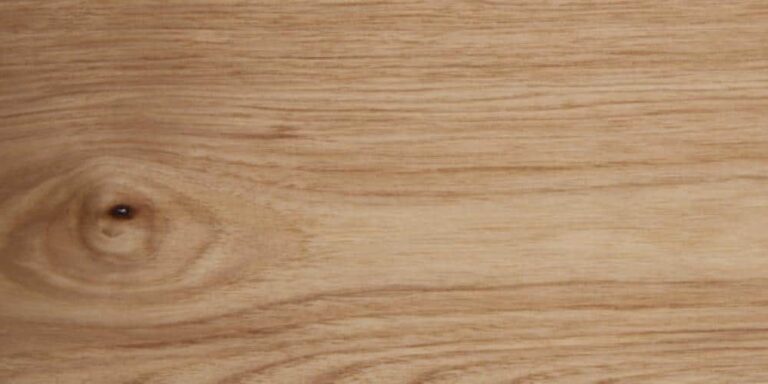

Cerejeira (Amburana cearensis), also known as Amburana or Brazilian Oak, is an important wood in the dry regions of central and southern South America. In Brazil, it's also famous for the barrels used to age cachaça, where it gives the spirit a sweet, spicy character.The wood is a warm golden to light brown, sometimes with an orange tint, and it often has a pleasant vanilla-like scent when cut. It's valued for its beauty, durability, strength and stability, and it works and finishes well.Left undisturbed, the trees grow very large. Big trees are cut mainly for their dramatic slabs, which are prized by South American furniture makers and slab importers worldwide, and many highly figured logs go to veneer.Cerejeira is a tough, versatile wood for furniture, cabinetry, doors, flooring and veneer. Despite its popularity with those who know it, it's still a bit of a well-kept secret in the US. For the most dramatic figure, see Cerejeira Crotch.
cabinetry, construction, furniture, veneer
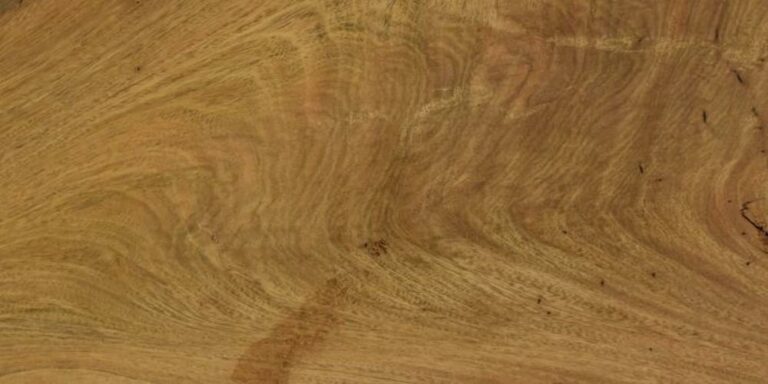
Cerejeira Crotch (Amburana cearensis) is the most dramatic part of the Cerejeira tree, cut from where the trunk divides into major branches. It's prized for its detailed, almost three-dimensional figure, which shifts and shimmers as the light moves across it.Cerejeira, also known as Amburana or Brazilian Oak, comes from the dry regions of central and southern South America. It's valued for its beauty, durability, strength and stability, with a warm golden to light brown color and often a pleasant vanilla-like scent.Large trees are cut mainly for their slabs, which are prized by furniture makers and slab importers around the world, and many highly figured logs go to the veneer industry. Crotch pieces are the pick of the tree. Crotch grain changes direction a lot, so take light passes and sand carefully to avoid tear-out.Cerejeira Crotch makes standout tabletops, cabinet doors, panels, box lids and veneer, anywhere the figure can be the star. Every piece is different, so we recommend choosing by eye. For straight-grained stock, see Cerejeira.
cabinetry, construction, furniture, veneer
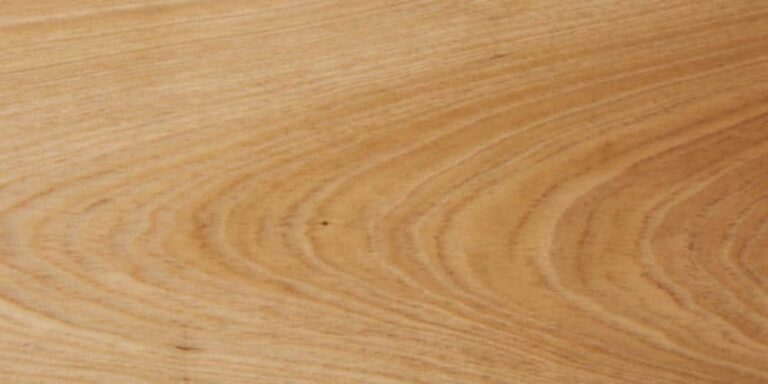
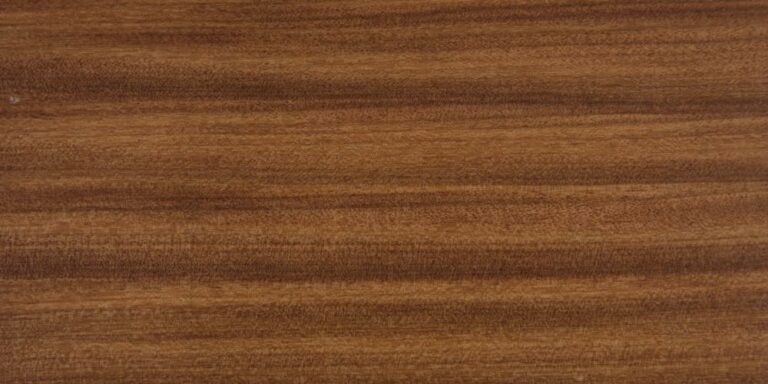
Afrormosia (Pericopsis elata) is a West African hardwood often called African Teak. It earned the name honestly: it's extremely durable and resistant to rot and insects, with working and mechanical properties close to Teak, but without the oiliness.The heartwood ranges from muted tan and gold to light and medium browns, often with darker stripes, and over time it darkens to a look closer to Black Walnut than Teak. The grain is straight to wavy, sometimes interlocked, and the texture fine, with a lovely natural luster once sanded.Although it's harder than Teak, it works well with hand and machine tools, gives crisp joints, and turns, glues and finishes very well. It's tough yet flexible, which is why it has been used in African boatbuilding for centuries.Afrormosia is a long-standing favorite in Europe for cabinetry, architectural trim and fine furniture, and it's also used for flooring, turnings and veneer.
boatbuilding, cabinetry, flooring, furniture, turnings, veneer
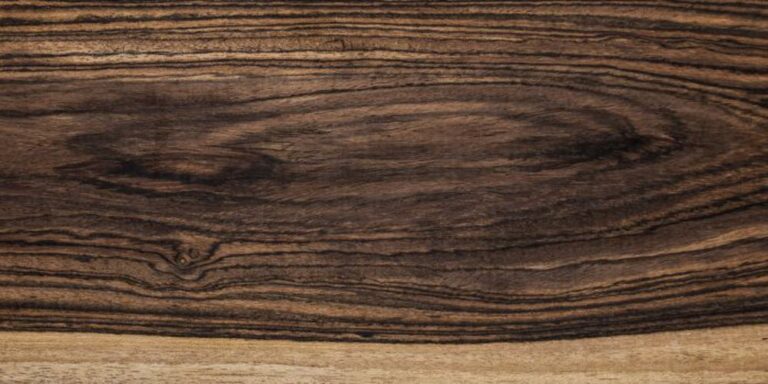
Bocote (Cordia spp.) is a Mexican and Central American hardwood with a golden brown base and dark brown to black stripes.Its best boards are covered in tiny “eyes” in the grain. These aren't knots and cause no trouble when machining. In pieces grown south of Mexico, the base color can be a bright, muted orange.Despite its oily nature, Bocote glues surprisingly well, and it turns and finishes nicely. Some boards contain silica, which can dull blades, so keep a spare sharp edge handy.Its striking looks make it a favorite with furniture and cabinet makers, guitar builders and turners, and it's also used for gun stocks, flooring and veneer. It's related to Ziricote and Louro Preto.
boatbuilding, cabinetry, fine furniture, flooring, gun stocks, specialty items, turnings, veneer
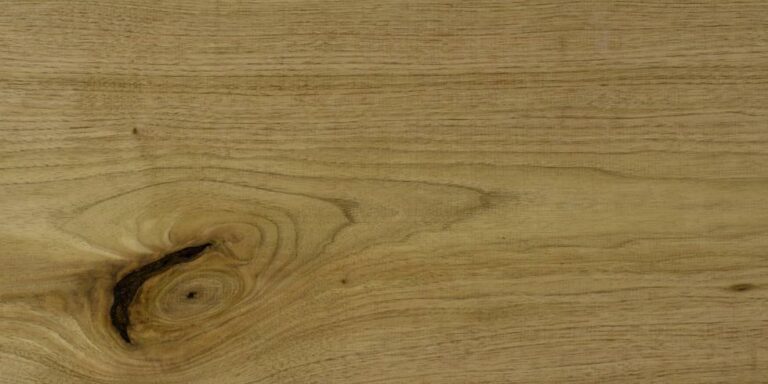
Butternut (Juglans cinerea) is often called White Walnut, and it's a true member of the walnut family. It grows across the eastern United States and southeastern Canada, and it's much lighter and softer than its walnut cousins.The color is a pleasant light tan with a soft, pastel look, and some boards carry a pink or reddish tint. The grain is mostly straight with a medium to coarse texture, and the tree's fluted trunk can produce irregular, eye-catching figure. It looks a lot like a pale walnut, which makes it a handsome choice for furniture with a softer, lighter tone.Its low density makes it very easy to work by hand or machine, and like other walnuts it turns, glues, stains and finishes well. Despite being soft it's fairly durable, though like all walnuts it can be attacked by insects, and it dents more easily than harder woods.Butternut is a favorite with carvers and is also used for furniture, paneling, boxes, crafts and veneer. Many North American trees have been lost to butternut canker, a fungal disease, so good lumber is becoming harder to find. For a darker walnut, see American Black Walnut.
boxmaking, carving, crafting, furniture, veneer