
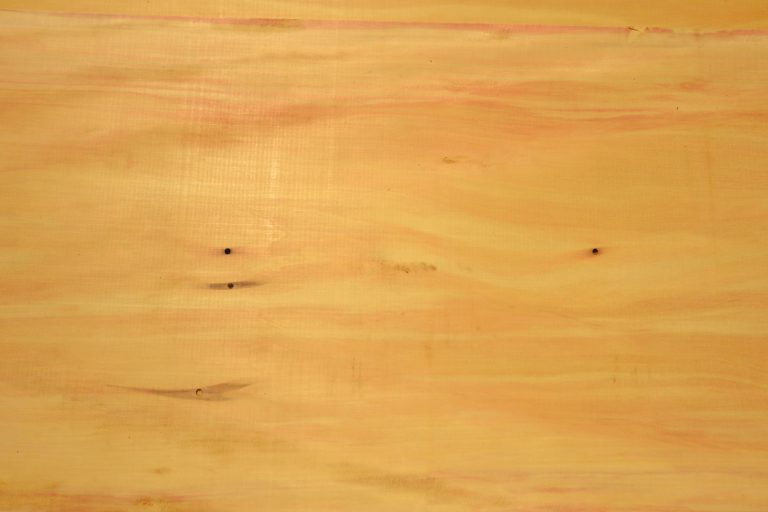
Yellow Rosa (Aspidosperma sp.) is a vibrant yellow hardwood and an excellent alternative to Yellowheart. The Aspidosperma genus grows across Central and South America and includes several well-known timbers, such as Peroba Rosa.It's mostly golden, but some boards show soft patches of pink and orange, reminiscent of Peroba Rosa's classic tones. The grain is mostly straight with a fine, even texture, and those occasional color shifts give each board a bit of individuality.It's fine-textured and durable, with a good balance of beauty, strength and workability, and it takes a finish well. A clear finish brings out its warm golden glow, and like most yellow woods it slowly mellows to a deeper gold over time. Sharp tools help where the grain is irregular, and it sands to a smooth, even surface.Yellow Rosa is well suited to fine furniture, flooring, cabinetry, boxes, crafts and other woodworking where you want a splash of color. It pairs especially well with dark woods like Black Walnut or Wenge for contrast.
boxmaking, cabinetry, crafting, fine furniture, flooring, furniture
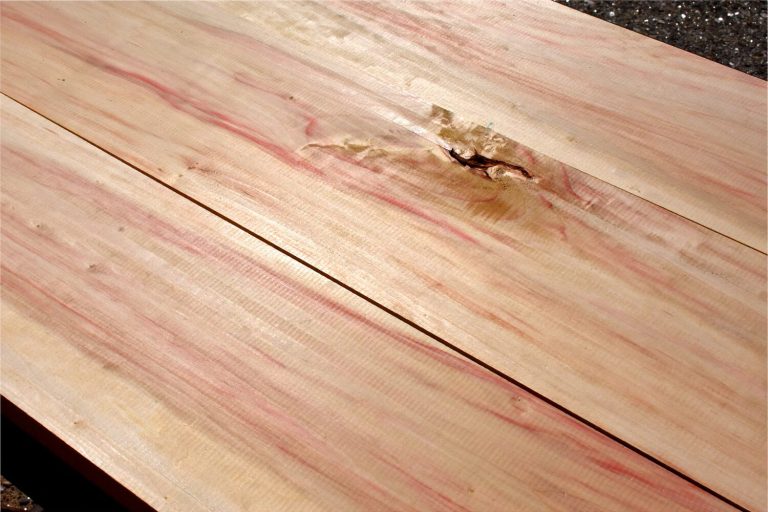
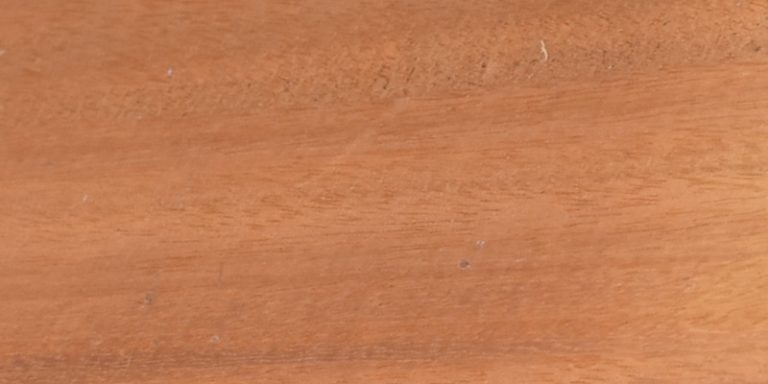
Argentine Osage Orange (Maclura tinctoria), also called Fustic or Mora, is a South American relative of the domestic Osage Orange, with the same bright yellow-orange color. It grows from Mexico to Argentina, and was once a major source of yellow dye.It usually comes in larger sizes, with cleaner lumber and fewer defects than the US species. Like its cousin, its color deepens over time toward a richer golden brown, and a finish with UV protection slows the change. The grain is straight to interlocked with a medium texture.It's hard and dense, so it's tough on tools, but it turns and finishes well, polishing to a lovely luster. Sharp tools and light passes give the cleanest results. It's naturally durable, sharing much of its cousin's resistance to rot.It's a great choice for boxes, inlay, carving, cabinetry, crafts, bows, turnings and specialty pieces where you want a splash of color, and its larger, cleaner boards make it easier to use than the domestic species. For another bright yellow, see Yellowheart.
boxmaking, cabinetry, carving, crafting, inlay, specialty items
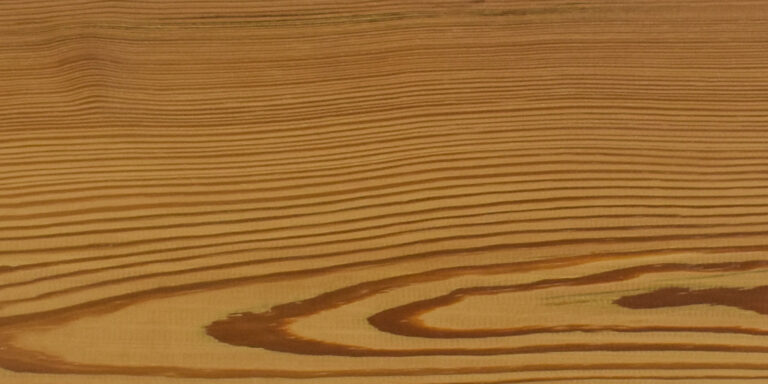
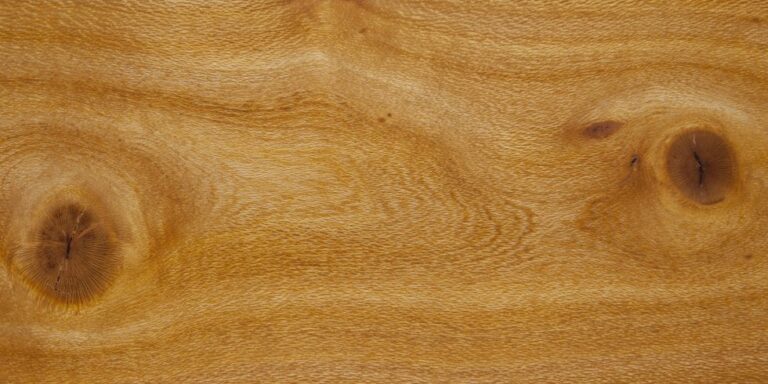
Silky Oak (Cardwellia sublimis) is an Australian hardwood from the rainforests of northern Queensland. It isn't a true oak but a member of the protea family, though it shares the look, with large rays and flecked figure that can be very dramatic on quartersawn faces.It's light to medium reddish-brown, with slightly darker rays ranging from muted brown to grey, and a silky sheen that gives it its name. It's easily mistaken for Lacewood, which looks and weighs much the same.Its coarse texture and flecks can make planing tricky, but otherwise it's easy to work, and it glues and finishes well. It's more durable than American oaks, and a clear finish makes the flecks shimmer.Supply to the US is sporadic, so it isn't widely known here. In Australia it has a long history in fine furniture and cabinetry. It's used for furniture, cabinetry, boxes, turnings, guitar backs and veneer. For a similar flecked look, see Leopardwood.
cabinetry, fine furniture, specialty items, turnings, veneer
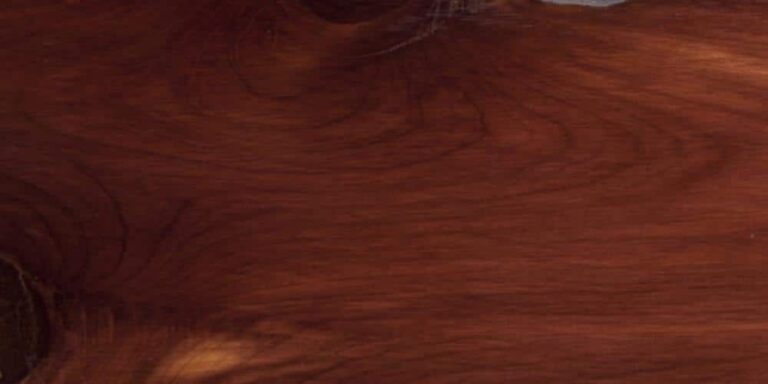
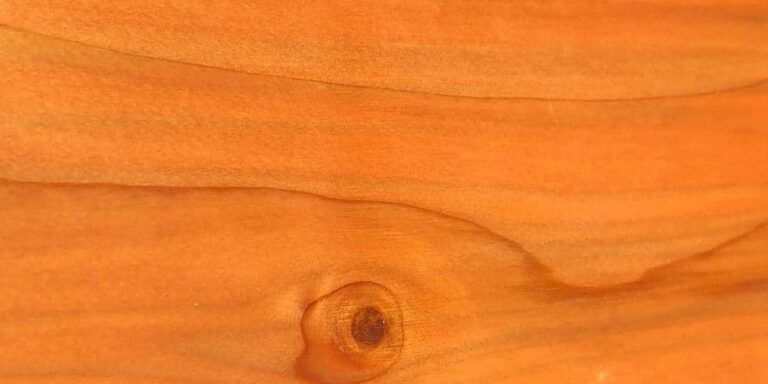
Himalayan Cedar (Cedrus deodara), or Deodar, is a true cedar native to the western Himalayas, where it's an important timber tree in Pakistan, Kashmir and northwestern India. Its name comes from the Sanskrit “devadaru,” meaning “timber of the gods,” and it's a sacred tree in Hinduism.Our Himalayan Cedar was grown in the Eastern Cape of South Africa, a long way from its mountain home. Deodar was introduced to many parts of the world in the 1800s, and it has done well in South Africa's climate.The heartwood ranges from light tan to light brown with a reddish tint. The grain is usually straight and the texture fine and even, with a high natural luster. It's strong for its weight and has a reputation for excellent working properties: it cuts, planes and finishes cleanly. The wood is prized for its durability, pleasant fragrance and resistance to insects, and the trees also yield a fragrant oil with insect-repelling and anti-fungal properties.In its native regions it's used for construction, carpentry, temple building and furniture. It suits furniture, joinery, boxes, closet linings and general woodworking anywhere you want a light, fragrant, durable softwood. See also Aromatic Cedar.
carpentry, construction, furniture, joinery
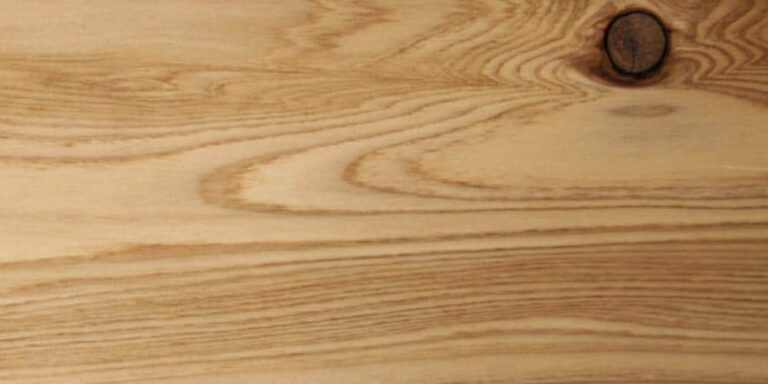
Japanese Cedar (Cryptomeria japonica), known in Japan as Sugi, is the country's national tree. It's planted at temples and sacred sites across Japan, and some ancient trees are famous landmarks in their own right. It's prized for its scented, strong but lightweight timber, and it's been planted well beyond Japan, including in South Africa.The wood is reddish-pink to light brown, straight-grained and medium-textured, often with a pleasant, clean fragrance. It's strong for its weight and resists water well, which is why it has been used in Japanese boat and ship building for centuries.Knots are fairly common, as you'd expect from a cedar, but otherwise it works very easily with hand and power tools, and it glues, stains and finishes well. It's soft, so it dents more easily than hardwoods.Japanese Cedar is used for construction, interior paneling, furniture, boatbuilding, carving and turnings, and it's a traditional choice for Japanese architecture and woodwork. Our Japanese Cedar was grown in South Africa, where the species was introduced and does well. If you like light, fragrant softwoods, see also Western Red Cedar.
boatbuilding, carving, construction, furniture, turnings
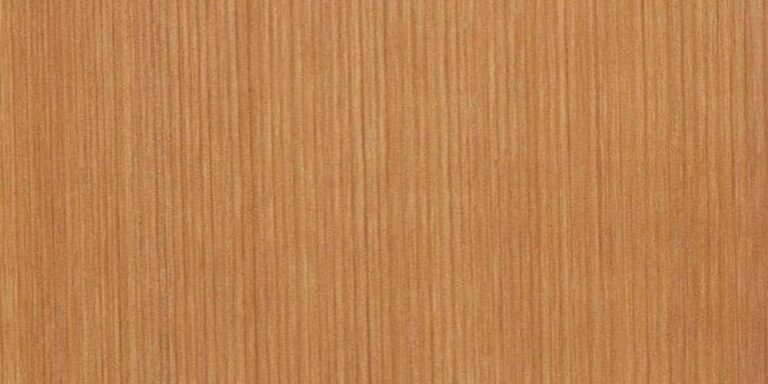
Western Red Cedar (Thuja plicata) grows in the Pacific Northwest of North America and is one of the most beautiful and useful softwoods in the world. Its colors range from mellow amber to reddish cinnamon and sienna brown, often in the same board.The grain is straight and the texture fine and even, with a satin-like luster. It's light, yet remarkably stable for its weight, and it has a pleasant, spicy scent when cut. Left outdoors unfinished, it weathers to a soft silver grey.It's naturally durable outdoors, which makes it a go-to for siding, cladding, decking, fencing and garden projects. It's easy to work by hand or machine, and it glues and finishes well, though it's soft and dents easily, so handle finished pieces with care.Western Red Cedar is wonderfully versatile, used for everything from home construction to clear, quartersawn soundboards for classical and acoustic guitars, where its warm, responsive tone is highly valued. For another classic soundboard wood, see Engelmann Spruce.
exterior cladding
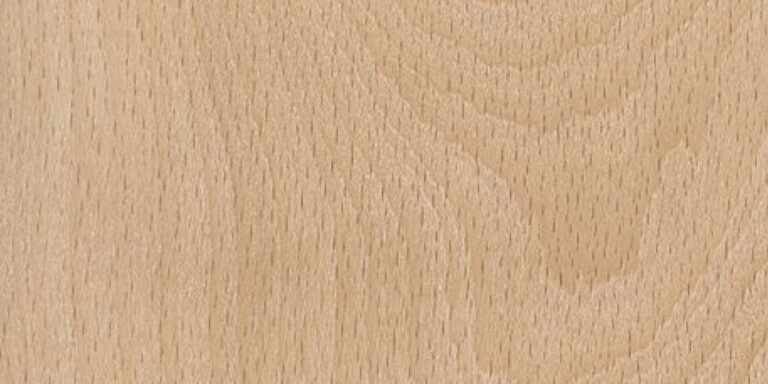
American Beech (Fagus grandifolia) is a common, reasonably priced hardwood with a pale cream color, often tinted pink or light reddish-brown.The grain is usually straight, sometimes wavy, and the texture medium. It cuts, turns, glues and finishes very well, with a moderate natural luster, and it steam-bends nicely. It's similar to Maple in hardness and density, so it's sometimes used in its place. It can move with changes in humidity, and it isn't durable outdoors.Flat-sawn boards are fairly plain and mostly go to utility work, while quartersawn pieces show an attractive silvery fleck that suits furniture and instruments. Steamed beech veneer takes on a pleasant golden brown.Beech is used for furniture, flooring, turnings and specialty items. See also European Beech.
flooring, furniture, specialty items, turnings, veneer