
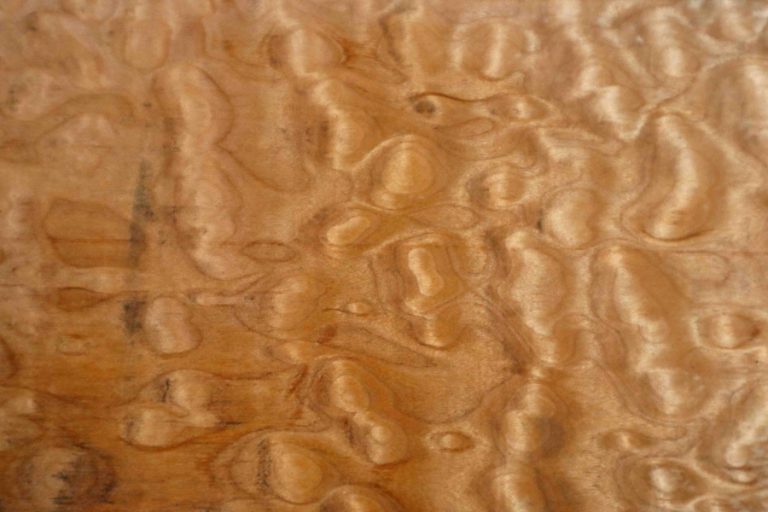
Quilted Maple comes from Bigleaf Maple (Acer macrophyllum), which grows along the Pacific coast from British Columbia to California. It's prized for its rippling, three-dimensional figure, which looks like quilted fabric or rippling water.The figure comes from irregularities in the tree's growth, and it gives the wood real depth and shimmer, especially under finish. Color varies from pale cream to light tan, sometimes with warmer tints. Only a small share of Bigleaf Maple shows strong quilt, which is why good boards command a premium.It's a little softer than Hard Maple and works much like other maples. Take light passes to avoid tear-out in the figure, and sand carefully. A dye or clear finish brings out the shimmer dramatically, which is why it's so popular for guitar tops.Quilted Maple is a favorite with luthiers for electric guitar tops and acoustic backs, and it's also used for fine furniture, boxes, knife handles, paneling and decorative veneer. For a different maple figure, see Birdseye Maple and Curly Maple.
boxmaking, cabinetry, furniture, interior panelling, knife handles, lutherie, musical Instruments
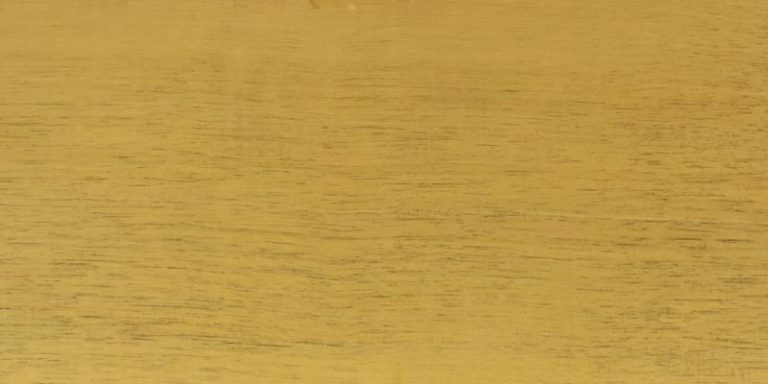
Longhi (Gambeya spp.) is a well-priced, light-colored African hardwood from the tropical forests of West and Central Africa. It has working properties similar to its better-known cousin, Anegre.Its color ranges from greyish-white to beige and pinkish-brown, darkening slightly with age and light exposure. The sapwood is hard to tell apart. The grain is usually straight, sometimes interlocked, and the texture fine to medium-fine, with occasional mottled or subtle tiger-stripe figure that can be very attractive.It needs careful drying to avoid fungal staining. Once dry, it's moderately durable and stable. It machines, glues and finishes well, and its light color takes stain evenly if you want a different look.Longhi has a good strength-to-weight ratio, which makes it a popular choice for flooring and decking, as well as cabinetry, furniture, interior joinery and veneer. It's a practical, affordable option when you want a light-colored hardwood that's easy to work.
cabinetry, decking, flooring, furniture
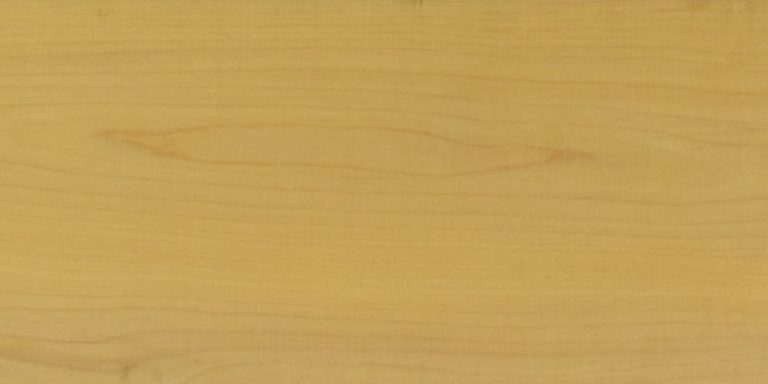
Yellow Birch (Betula alleghaniensis) is one of the most useful North American hardwoods, and ours is sourced locally in Maine. It's a well-priced alternative to Maple.The heartwood ranges from pale yellow to a light reddish-brown, with grayish-white sapwood. The grain is generally straight and the texture fine and even. Figured boards with wide curl, similar to Cherry, are especially prized and sold as Flame Birch.It works easily, and it turns, glues and finishes well, though most boards have little natural luster until finished. It's strong and hard-wearing, but it isn't durable outdoors, so keep it protected.Yellow Birch is used for cabinetry, furniture, flooring, boxes and crafts, and it's one of the most popular woods for veneer and plywood.
boxmaking, cabinetry, crafting, flooring, furniture
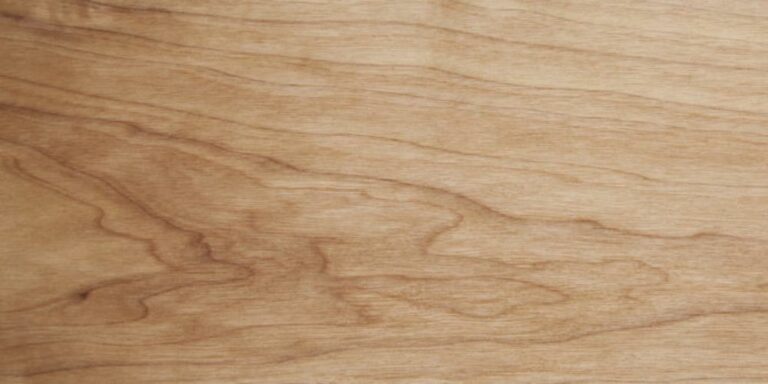
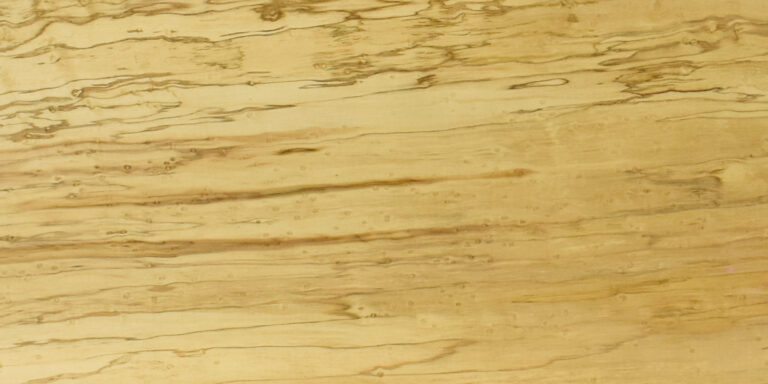
Spalted Maple isn't a species. It's maple with black lines and streaks caused by fungi in the early stages of decay, often in logs that have lain on the forest floor for a while before being sawn.The spalting creates random, dramatic patterns of black zone lines, sometimes with patches of pink, grey or cream, so every board is unique. Spalting can't be planned, so every piece is a one-off. The process is stopped once the wood is kiln-dried.Some pieces may have softer areas where the spalting is heavier, so check your stock, use sharp tools, and consider a sanding sealer or stabilizing before finishing. Sand with fine grits to avoid smearing the dark lines. Wear a dust mask, as fungal spores add to the dust.Spalted Maple is a favorite for turnings, bowls, boxes, guitar tops, furniture accents, carving and specialty pieces. For another spalted wood, see Spalted Tamarind, and for maple with beetle-trail streaks, see Ambrosia Maple.
cabinetry, carving, flooring, furniture, specialty items, turnings, veneer
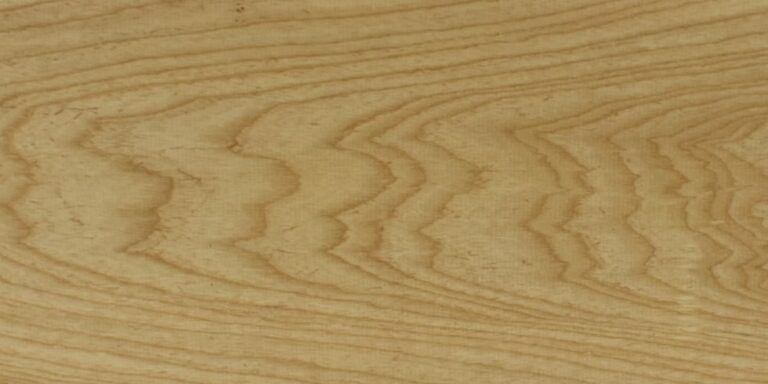
Swamp Ash isn't a single species. It's the name for ash (Fraxinus) from trees growing with their roots in or near water, which produces the lightest, softest ash available.The wood is pale with an open grain. It's light and resonant yet stable, easy to work by hand or machine, and it steam-bends, sands, glues and stains well. Because ash gets denser further up the tree, the most sought-after boards come from the midsection down to the trunk.Swamp Ash is best known as an electric guitar body wood. Players and builders value its crisp highs, tight lows and scooped mids, and steady worldwide demand makes it the most expensive of the ashes.It's also used for boxes, turnings and flooring. For a harder, more general-purpose ash, see White Ash.
boxmaking, flooring, musical Instruments, turnings
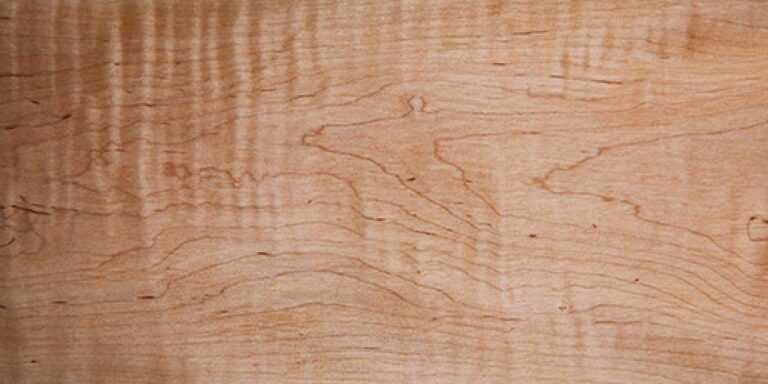
Curly Soft Maple is Red Maple (Acer rubrum) with shimmering curl figure. Red Maple is the heaviest and most common of the soft maples and grows across the eastern US and Canada, including here in Maine.The pale white to golden sapwood is the most valued part, and the figure can include tiger stripe, fiddleback and occasionally quilt. Curl is actually more common in soft maples than in hard, so there's plenty of character to choose from. Our stock generally ranges from light to medium figure.It's a little easier to work than hard maple. Take light passes to avoid tear-out in the figure, and go slowly with high-speed tools, as maple can burn. A dye or oil finish brings the curl to life.Curly Soft Maple is popular for guitar bodies and tops, furniture, boxes, turnings, specialty items and veneer, and it's a more affordable way to get the curly maple look. For a darker version, see Roasted Curly Soft Maple, and for harder stock, see Curly Hard Maple.
boxmaking, specialty items, turnings, utility lumber, veneer
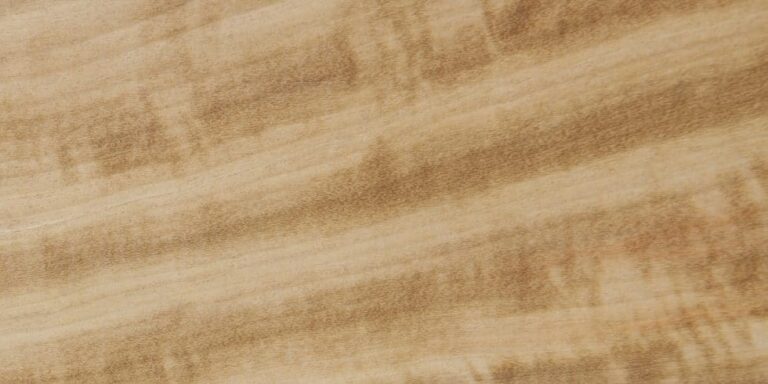
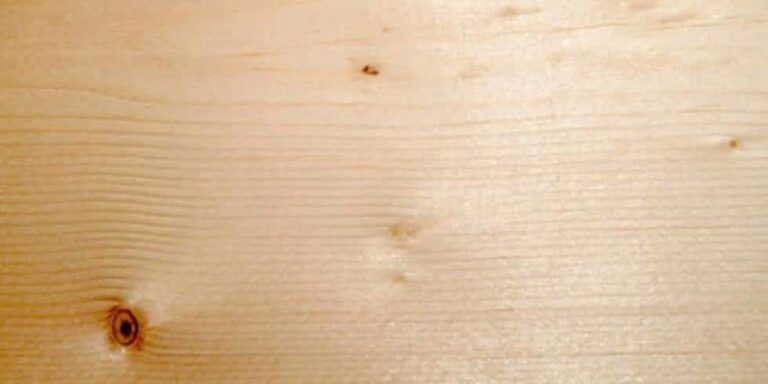
Engelmann Spruce (Picea engelmannii) grows high in the mountains of western North America, from British Columbia and Alberta down through the Rockies. It's prized by acoustic guitar makers for soundboards, thanks to its resonance and quick, responsive tone.The wood is light off-white to cream, a touch paler than Sitka, with straight grain and a fine, even texture. It's generally easy to work with hand and power tools, though it can blotch when stained, so a sealer coat or a clear finish is the safer choice.What makes it special for instruments is its stiffness-to-weight ratio. Construction-grade spruce is plentiful and inexpensive, but small knots are common, so clear, tight-grained, quartersawn billets come from slow-grown, high-altitude trees and are priced accordingly.Sitka Spruce is more widely used for guitar tops, but many builders prefer Engelmann for fingerstyle and classical guitars, where its warm, open sound and lighter weight really shine. It's also used for harps, mandolins, violin family tops and other instruments. For another classic soundboard wood, see Western Red Cedar.
construction, harps, lutherie, musical Instruments
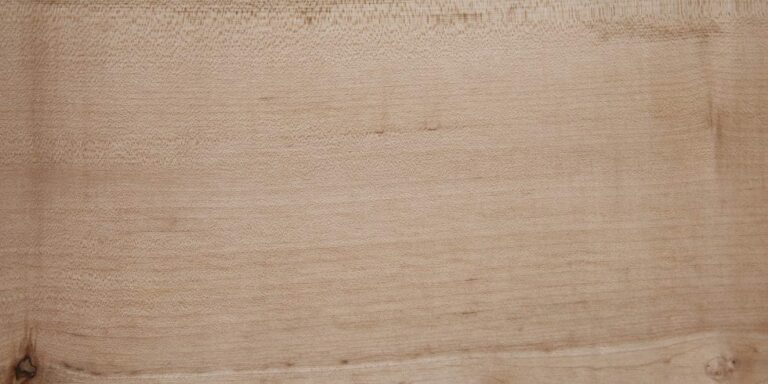
European Sycamore (Acer pseudoplatanus), also called French Sycamore, is a true maple, not the American sycamore or plane tree. As with other maples, the pale sapwood is the part that's prized.The sapwood ranges from almost pure white to light cream, sometimes tinted golden or muted red, while the heartwood is a medium to dark reddish-brown. The grain is usually straight, sometimes wavy, and figured boards with strong curl or flame can be truly dramatic.Its fine, even texture makes it easy to work by hand or machine, though like other maples it can burn with dull cutters or slow feed rates. It turns, glues and finishes well, with a good natural luster, and its pale color takes stains and dyes evenly.European Sycamore has been the traditional wood for the backs, sides and necks of violins, violas, cellos and basses for centuries, valued for its resonance at a moderate weight, which is why it's usually sold quartersawn. It's also used for furniture, cabinetry, flooring, turnings and veneer. For a North American cousin, see Curly Hard Maple.
cabinetry, flooring, furniture, joinery, millwork, musical Instruments, specialty items, turnings, utility lumber, veneer
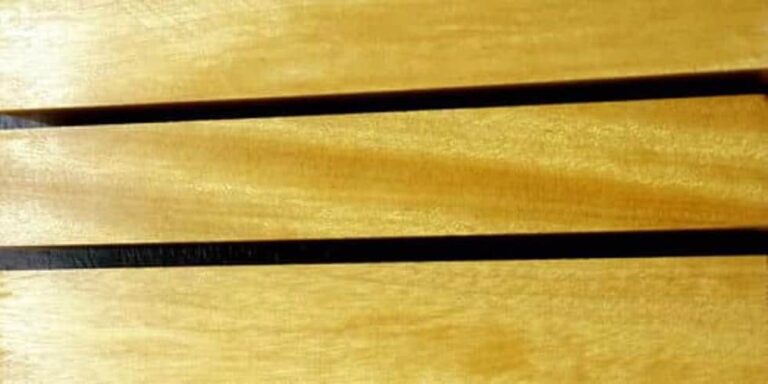
Yellowheart (Euxylophora paraensis), also called Pau Amarelo or Brazilian Satinwood, was once one of the most popular yellow woods around. True Yellowheart has now become almost impossible to find.The tree grows only in a small part of the Brazilian Amazon, mostly in Pará and Maranhão, where it occurs naturally at low densities. Decades of selective logging, along with forest clearing for cattle pasture and farming, are thought to have cut its wild population by half or more over the past 60 years. In 2014 Brazil added it to its official list of threatened species, which bans cutting, transporting and selling wild trees, and supply to the US has all but dried up. Much of the “Yellowheart” sold today is actually a different species.The color ranges from pale yellow to bright yellow and gold, and premium boards show a satiny, shimmering figure. It's fine-textured, durable and easy to work, and it finishes beautifully.We still have a small amount of legacy stock, bought before the ban, and once it's gone we won't be able to replace it. For the same golden look in a wood that's readily available, see Yellow Rosa or East Indian Satinwood.
boatbuilding, cabinetry, carving, flooring, furniture, handles, inlay, musical Instruments, trim, turnings, veneer
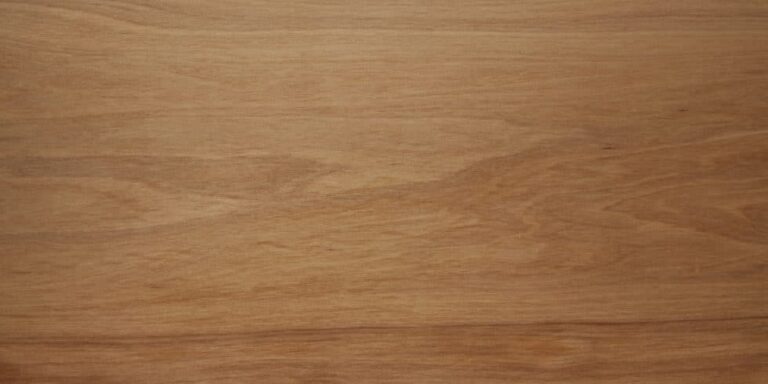
Yellowwood (Podocarpus latifolius) is the national tree of South Africa, and its light, even-grained wood has been used there for hundreds of years, from railway sleepers and building timbers to floors and furniture. The slow-growing trees can reach around 100 feet in moist mountain forests.The heartwood is pale yellowish-brown, sometimes with reddish streaks, and hard to tell apart from the sapwood. The grain is usually straight, occasionally wavy, with a fine, even texture and a nice natural luster.It's tough, stable and easy to work with hand and power tools, and it planes, glues and finishes well. It's fairly light in weight, which makes it pleasant to handle on larger projects, and it takes stains and clear finishes evenly.Old Cape Dutch homes are famous for their yellowwood floors, ceilings and furniture, and antique yellowwood pieces are highly collectible in South Africa. It's still very popular in southern Africa for indoor carpentry and floors. Yellowwood is a lovely choice for boxes, fine furniture and interior work. See also Stinkwood, its traditional partner in Cape furniture.
boxmaking, fine furniture
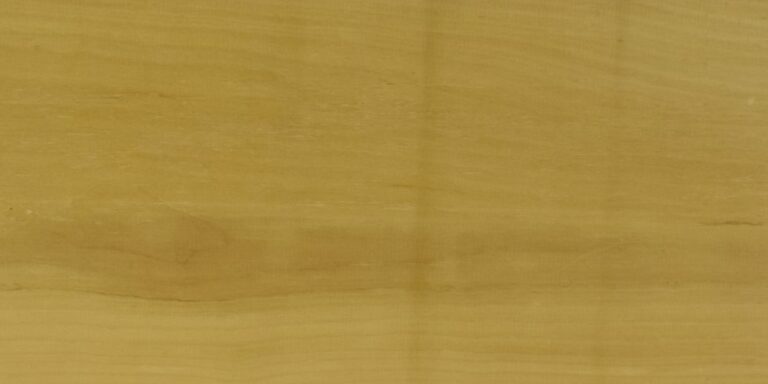
Pau Marfim (Balfourodendron riedelianum), also called Ivorywood or Guatambu, is a dense, fine-textured South American hardwood from Brazil, Argentina and Paraguay. “Marfim” means ivory in Portuguese, after its creamy white color.Its color can range from lemon to a pale yellowish-brown, with little contrast between heartwood and sapwood, though darker streaks sometimes appear. The grain is mostly straight with a very fine, even texture, and density can vary with growing conditions.It's extremely tough and very stable, and it turns excellently. It nails, screws and glues easily and polishes to a smooth, fine finish. It's harder to work than Maple or Birch, and it isn't decay-resistant, so finish it well for outdoor use.Pau Marfim looks a lot like Maple or Birch but is more wear-resistant, which makes it an excellent light-colored flooring. It's also used for tool handles, furniture, cabinetry, carving, turnings, guitar parts and even oars and canoes. For a similar pale wood, see Hard Maple.
cabinetry, canoes, carving, flooring, furniture, handles, oars, paneling, specialty items, turnings, veneer
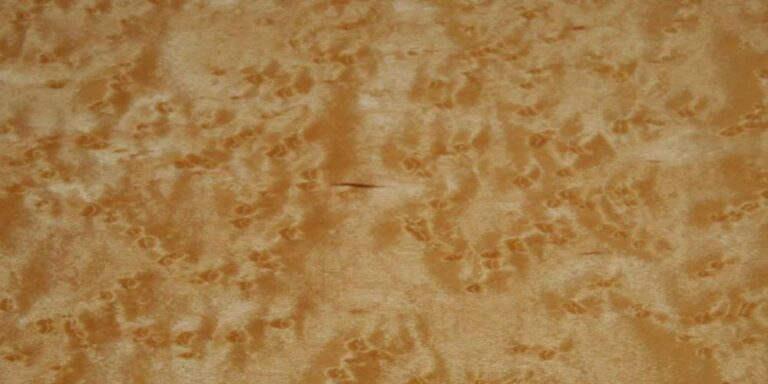
Birdseye Maple isn't a species. It's a figure found mostly in Sugar Maple (Acer saccharum), and much of ours comes from Maine. It remains one of the most coveted figured maples and is rare: only a small fraction of maple trees develop it.The cause isn't proven, but the usual explanation is that tough growing conditions make the tree sprout tiny buds that never develop, leaving small “eyes” in the wood. Eye size and density vary a lot, and boards with more eyes command higher prices. Larger eyes can look almost three-dimensional once finished, like small brown bumps on a golden surface.It works like other hard maple, but occasionally an eye can tear out and leave a small void, so take light passes and sharp blades. Some guitar makers avoid it for fretboards for this reason, or seal it with lacquer. An oil finish makes the eyes pop.It's prized for fine furniture, cabinetry, guitar necks and bodies, boxes, interior trim and veneer, and it was a favorite of Art Deco designers. For a darker version, see Roasted Birdseye Maple.
cabinetry, furniture, lutherie, specialty items, veneer
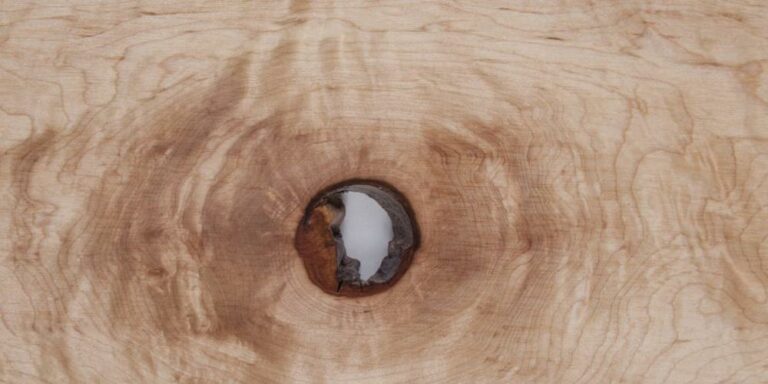
Curly Hard Maple, or Tiger Maple, is Sugar Maple (Acer saccharum) with bold “tiger stripe” figure, also known as fiddleback when it's tight and even. Curl is more common in soft maples, but it appears in hard maple too, and that's what we stock.As with all maple, the pale sapwood is the most valued part. Dense, pure-sapwood boards with strong figure are the most sought-after and command serious prices with electric guitar makers. The tight curl on quartersawn boards is especially striking, with stripes that seem to move as you tilt the board.It works like any hard maple: take light passes to avoid tear-out in the figure, and go slowly with high-speed tools, as maple can burn. A dye or oil finish makes the curl pop dramatically, which is why it's so popular for guitar tops.Curly Hard Maple is a favorite for fine furniture, Shaker and colonial reproductions, boxes, flooring, cabinetry, gun stocks and veneer, as well as violin backs and guitar necks. See also Curly Soft Maple.
boxmaking, fine furniture, veneer
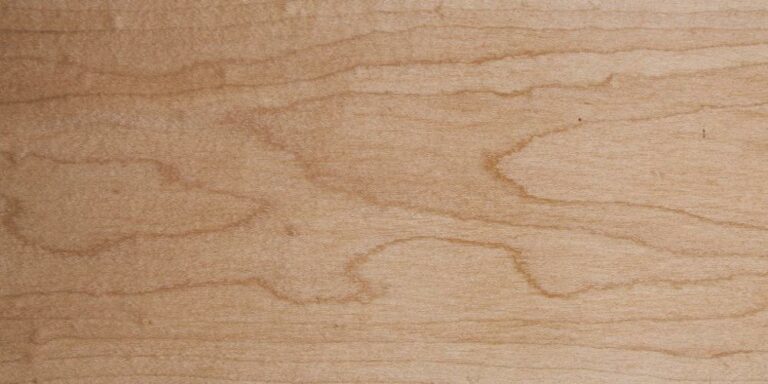
Soft Maple isn't a single species. It's the name for the lighter maples, and ours is Red Maple (Acer rubrum), the heaviest and most common of them, found across the eastern US and Canada. Like all our maples, it's a Maine local.As with all maples, the pale white to golden sapwood is valued more than the darker heartwood. The grain is usually straight with a fine, even texture, and it's only slightly softer than Hard Maple, so it's hard enough for most furniture.It's a little easier to work than Hard Maple, and it machines, turns, glues and finishes well. Go slowly with high-speed tools, as maple can burn, and test stains first, as it can blotch. Figure can be dramatic, from tiger stripe and fiddleback to the occasional quilt.Its extra weight makes Red Maple the most useful of the soft maples for furniture and utility work. Soft Maple is a versatile, affordable choice for cabinetry, painted furniture, boxes, turnings, millwork and veneer. For figured stock, see Curly Soft Maple.
boxmaking, specialty items, turnings, utility lumber, veneer
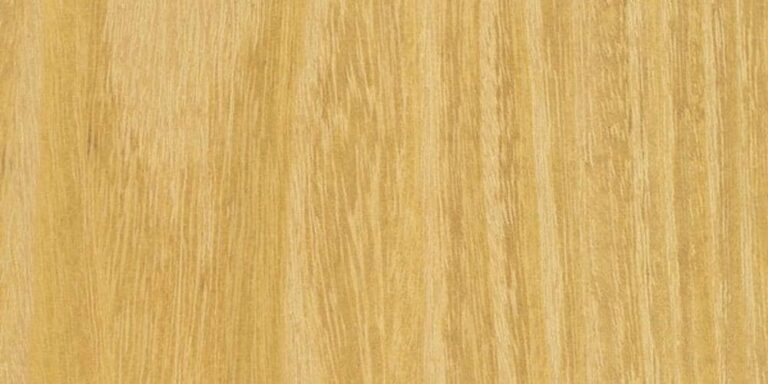
Osage Orange (Maclura pomifera), also called Horse Apple or Bodark, is a dense, durable hardwood from the south-central United States, named after the Osage Nation, who prized it for bows. It has striking color.The heartwood starts out bright golden yellow and darkens over time to a deeper golden brown, sometimes with reddish streaks. A finish with UV protection slows the change. The grain is usually straight with a fine to medium texture, and the wood fluoresces under black light.It's hard and dense, which makes it tough to work, but it turns and finishes well. It's one of the most rot-resistant woods in North America, and fence posts made from it are famous for lasting generations. Trees are often short and knotty, so long, clear boards are scarce.It's the classic wood for archery bows, and it's also used for fence posts, tool handles, turnings, pens and specialty pieces. Its South American relative, Argentine Osage Orange, comes in larger sizes with fewer knots.
bows, fencing, specialty items, turnings
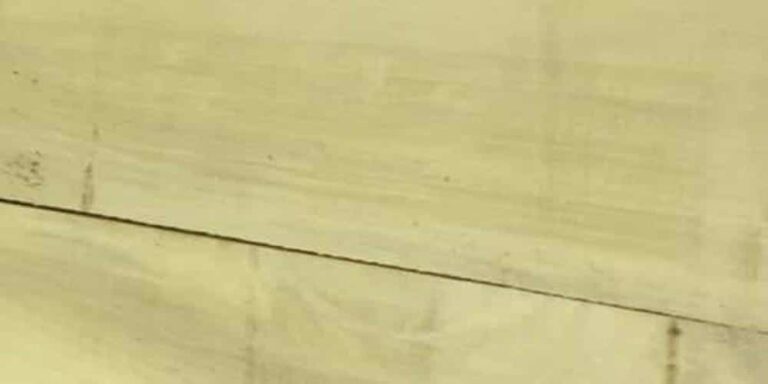
Holly (Ilex opaca), also called American Holly, is the closest thing to a truly white wood. It's prized for its consistent pale color, which shows little to no visible grain, and it holds that color well over time.The wood is ivory white to very pale grey, with a fine, even texture. Holly has to be dried quickly after cutting to prevent blue-grey fungal discoloration, so it's usually harvested in winter and kiln-dried promptly. That's why truly white boards command a premium.It glues, stains and finishes well, though interlocked grain and knots can make it tricky to work. It turns and carves beautifully. A clear, hard finish helps it keep its color, and it isn't durable outdoors.Traditionally used for inlay, stringing, marquetry and accents, it's becoming popular with turners for its looks and turning qualities. It's sometimes dyed black as an ebony substitute for decorative work, though it isn't dense enough for most instrument uses. For a creamy yellow alternative, see Boxwood.
inlay, specialty items
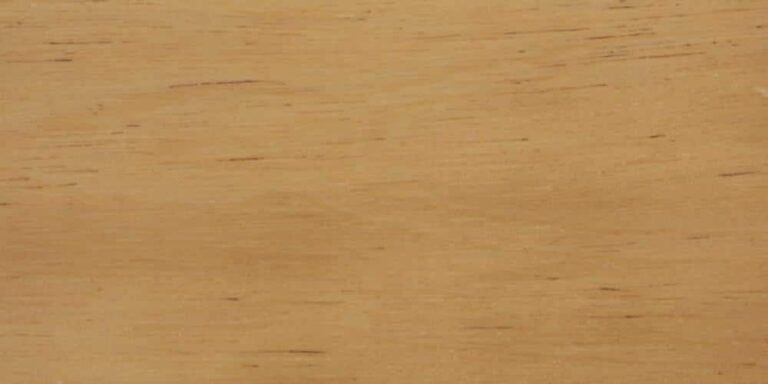
Jelutong (Dyera costulata) is a light-colored Southeast Asian wood from Malaysia and Indonesia. Its trees were once tapped for latex used in chewing gum, before gum makers switched to synthetics.The wood is pale cream to straw-colored, with a generally straight grain and a fine, even texture. You may see small slit-like latex canals in some boards, a reminder of the tree's history.It's a favorite with carvers. The low density makes it exceptionally easy to work, and it's dimensionally stable and takes stain and finish well, with a subtle luster. It holds detail better than you might expect for such a soft wood, and it sands smoothly. It isn't durable outdoors, so keep it inside.The trees grow tall, so wide, clear boards are common, though lumber can be hard to find in the US. In Southeast Asia it's used much like Basswood: for carving, pattern-making, models, picture frames, drawing boards and utility work. It's an excellent choice for beginners learning to carve.
carving, specialty items, utility lumber
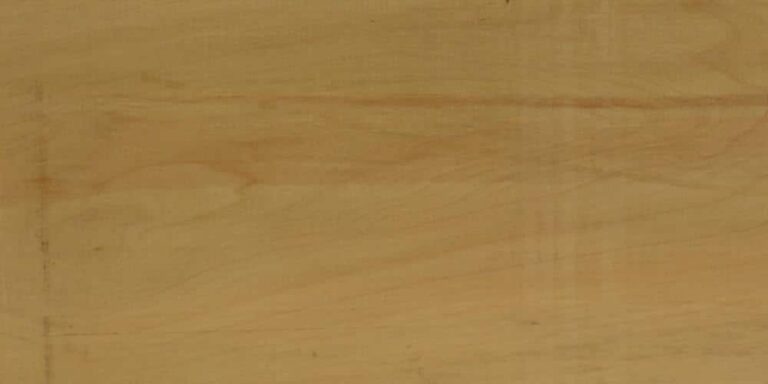
Castello Boxwood (Calycophyllum multiflorum) is a South American wood related to Lemonwood. It isn't a true boxwood, but it has a very similar pale yellow to light brown color.The grain is generally straight, sometimes slightly interlocked, and the texture fine and smooth. It's moderately durable and turns, glues and finishes well. Its small, tightly packed pores make it fairly tough to cut, despite its generally cooperative nature.It dries slowly, so it's often sold green or partly green. The trees are small and supply through US channels is limited, so prices reflect that.Castello Boxwood is a popular choice for turning, carving, inlay and bows. For the real thing, see Boxwood.
bows, carving, inlay, turnings
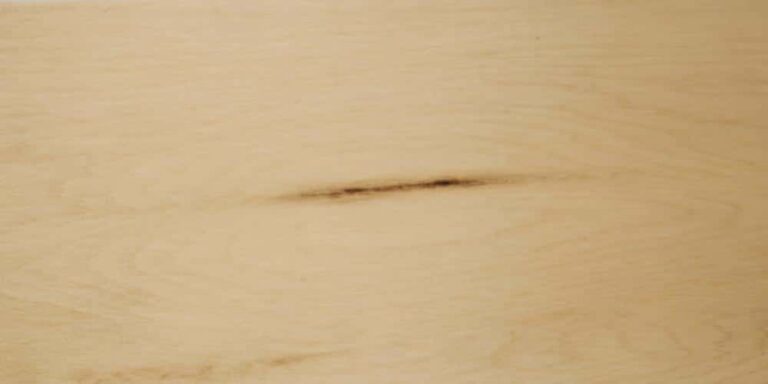
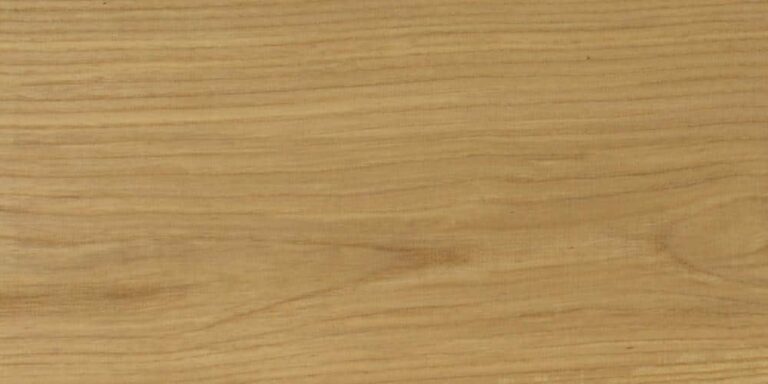
White Ash (Fraxinus americana) is native to eastern and central North America and, along with Oak and Hickory, is one of the most widely used utility hardwoods in the US. It's the tallest-growing of the North American ashes and the one you'll see most often.The color ranges from light beige to light brown, with medium to dark brown grain lines. The grain is usually straight and the texture coarse, often compared to Oak. It's modestly priced, works easily, and glues and finishes well.Ash is tough and shock-resistant, which is why it's the classic wood for tool handles and baseball bats. It's also used for furniture, flooring, boxes and turnings, and occasionally for electric guitar bodies, where it has good resonance. If you're after a lighter ash for guitars, take a look at Swamp Ash.
boxmaking, flooring, turnings
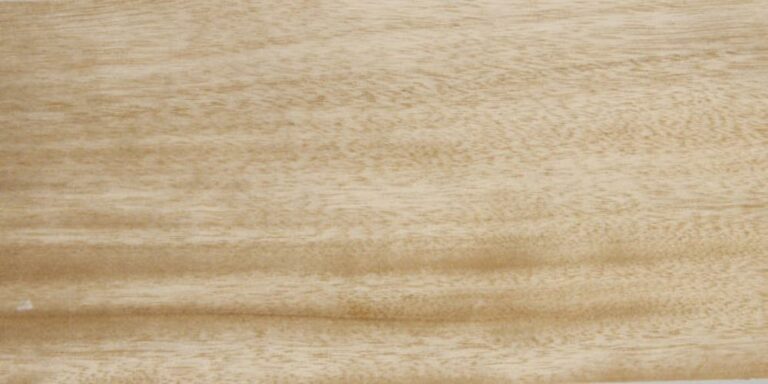
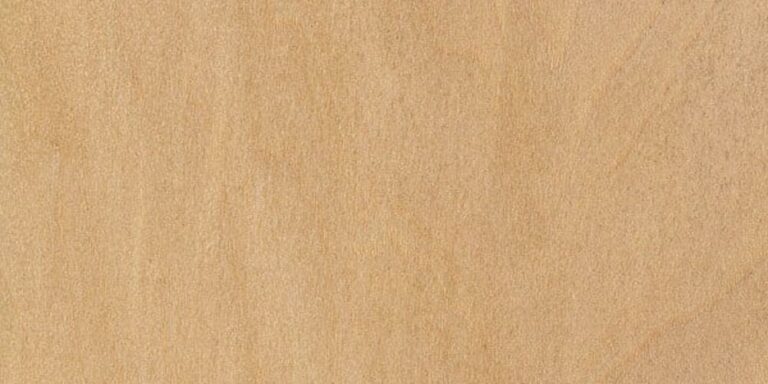
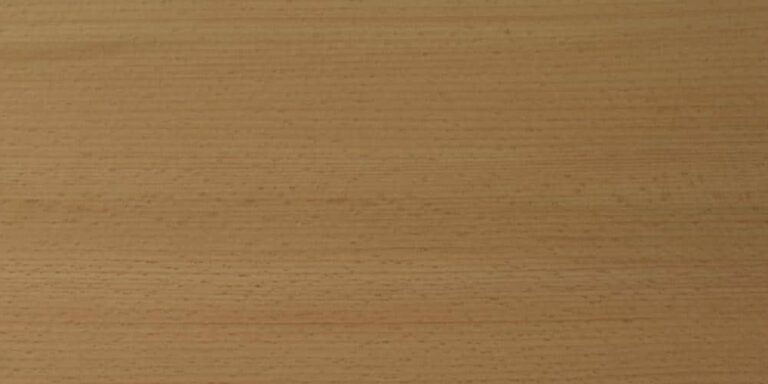
European Beech (Fagus sylvatica) is one of the most popular and commercially important hardwoods in Europe, thanks to its large supply and modest price. It's slightly harder than its American cousin.The wood is pale cream, often with a pink or light reddish-brown tint. The grain is straight and the texture medium, and it machines, turns, glues and finishes easily. Large trees yield long, wide boards.It's strong, tough and steam-bends very well, which is why it has been used in European boatbuilding for centuries. Like all beech it isn't durable outdoors and can move in service, so well-dried, quartersawn stock is the best choice where stability matters.European Beech is used for furniture, cabinetry, flooring, turnings, instruments and veneer. See also American Beech.
boatbuilding, cabinetry, flooring, furniture, musical Instruments, turnings, veneer
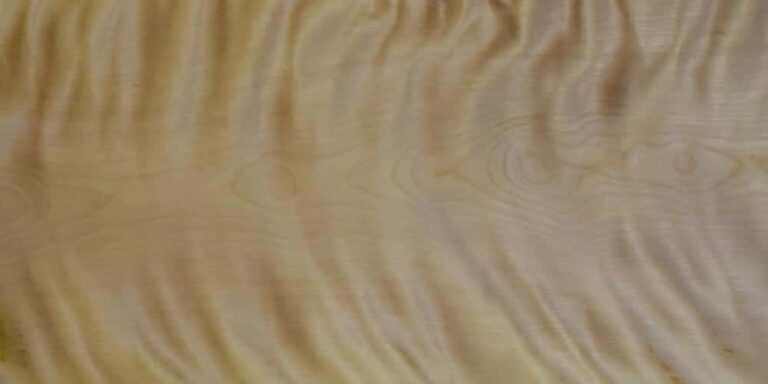
Flame Birch isn't a separate species. It's Yellow Birch (Betula alleghaniensis) with a bold, wavy flamed figure running across the grain.The heartwood ranges from pale yellow to a light reddish-brown, with grayish-white sapwood. The best boards show wide, dramatic curl, similar to figured Cherry, that shimmers under a clear finish.It works easily and turns, glues and finishes well, though most boards have little natural luster until finished. It isn't durable outdoors, so keep it protected.Flame Birch is a favorite for boxes, turnings, crafts and specialty pieces where the figure can take center stage, and the best logs go to veneer. For a darker, more stable version, see Roasted Flame Birch.
boxmaking, crafting, specialty items, turnings, veneer
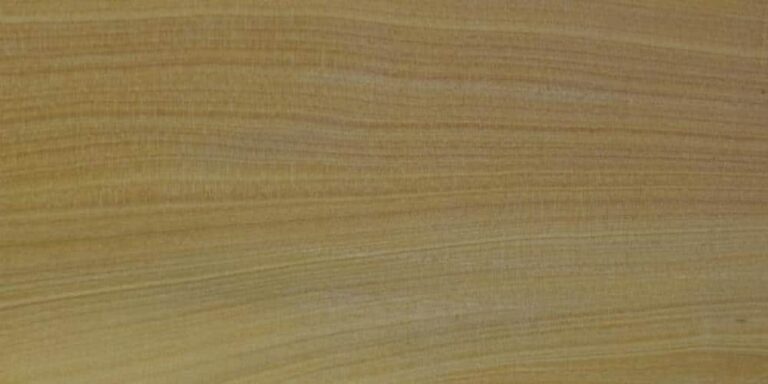
Boxwood (Buxus macowanii), also known as Cape Boxwood or East London Boxwood, is native to the Eastern Cape of South Africa. It's a close cousin of the original European boxwood (Buxus sempervirens) and shares its most prized quality: a dense, ultra-fine texture that holds the crispest detail.The wood is a pale, creamy yellow with almost no visible grain, so nothing competes with the carving or turning itself. It cuts cleanly with sharp tools, turns superbly and finishes to a smooth, silky sheen without much more than fine sanding and a light oil or wax.The trees are small, rarely more than 20 feet tall with trunks of about 6 inches, and the dense wood is prone to cracking as it dries. That limits supply to small, craft-sized pieces. Ours comes from South Africa and has been slowly air-dried over many years for stability. Be wary of other pale, dense woods sold as boxwood.Boxwood has long been the wood of choice for fine carving, engraving blocks, chess pieces, rulers and instrument parts, and it's a favorite with turners for small, detailed work. For a more affordable alternative, see Castello Boxwood.
carving, chess pieces, handles, musical Instruments, specialty items, turnings