
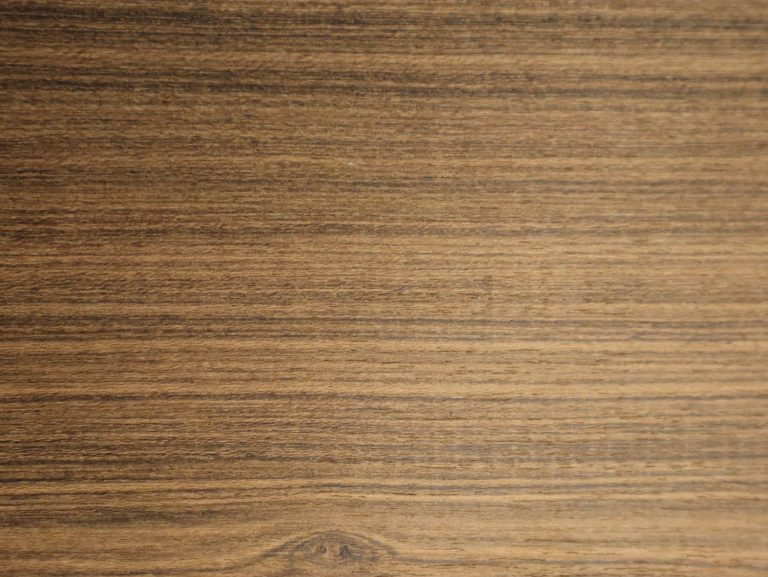
Picana Negra (Cordia alliodora), also called Bolivian Bocote, Laurel Negro or Salmwood, is a South American hardwood from the same genus as Bocote. The species grows widely from Mexico to Argentina.It has dark brown tones with black streaks and a fine texture, and some boards show grain every bit as striking as Bocote's. The color can vary from golden brown to darker chocolate depending on where the tree grew, and it darkens a little with age.It's prized by craftsmen for its workability and smooth finish, and it's a medium-weight wood that's comfortable to handle. It cuts cleanly, sands well and takes an oil or clear finish beautifully, which brings out the contrast in its streaks. It's also fairly stable and moderately durable.Picana Negra offers great grain at a fair price. It's well suited to boxes, cabinetry, fine furniture, handles, guitar backs and sides, and other musical instruments. See also its relatives Louro Preto and Ziricote.
boxmaking, cabinetry, fine furniture, handles
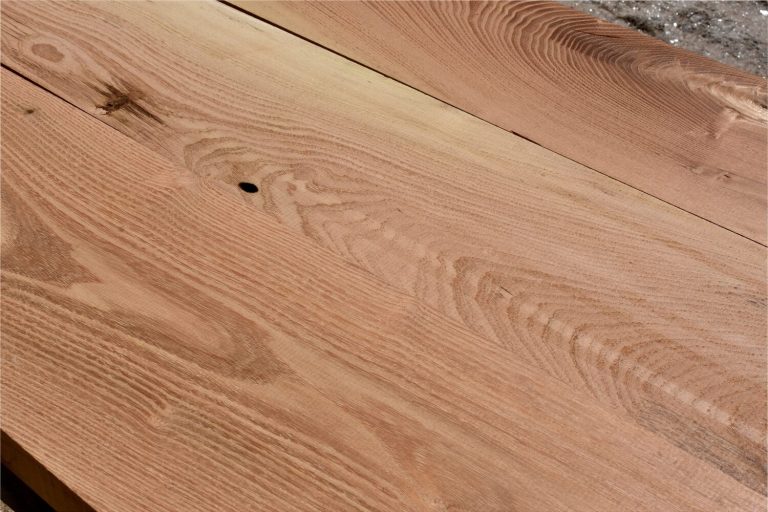
Black Locust (Robinia pseudoacacia) is a hard, strong hardwood native to the central and eastern United States, and one of the most durable woods in North America.The heartwood is greenish-yellow to golden brown when fresh, mellowing to a medium brown with age, and the sapwood is a narrow pale band. The grain is usually fairly straight with a medium texture. It's durable, rot-resistant and fairly stable, which makes it one of the best native woods for outdoor use.Its hardness makes it a little more work to machine, so keep tools sharp and pre-drill for fasteners. It finishes well and weathers to an attractive silver grey if left outdoors.Black Locust fence posts are famous for lasting decades in the ground, and the wood has a long history in shipbuilding, where it was used for wooden pegs called trunnels. It's a great choice for fencing, outdoor furniture, decking, flooring, raised garden beds and handles. We stock it in 4/4 and 8/4, and quality varies, so choose your pieces carefully. For another durable outdoor wood, see Osage Orange.
fencing, flooring, furniture, handles
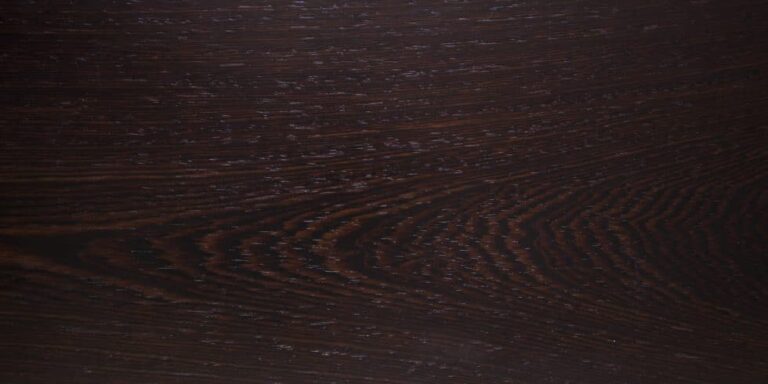
Wenge (Millettia laurentii) is a tough Central African hardwood whose deep chocolate color is so distinctive that “wenge” has become the name of a color used by paint and furniture makers.The dark brown base sometimes carries muted gold, orange, red or burgundy tints, with overlapping black lines across the surface. The grain is generally straight, sometimes wavy or irregular, and quartersawn boards show a striking, even stripe.It's strong, durable, rot- and insect-resistant and very stable, and it glues well, though its coarse texture can make it hard to work. It's often described as dull, but in our experience fine-grit sanding of flat-sawn boards can bring out a surprisingly deep, glossy luster. It's very splintery, and its splinters are sharp and can easily become infected, so wear gloves, remove any splinters promptly and use good dust collection.Its combination of moderate weight, strength and durability makes it well suited to high-traffic flooring, as well as furniture, cabinetry, paneling, handles, bows and walking sticks. See also Panga Panga, its close cousin.
bows, cabinetry, flooring, furniture, handles, paneling, specialty items, veneer, walking sticks
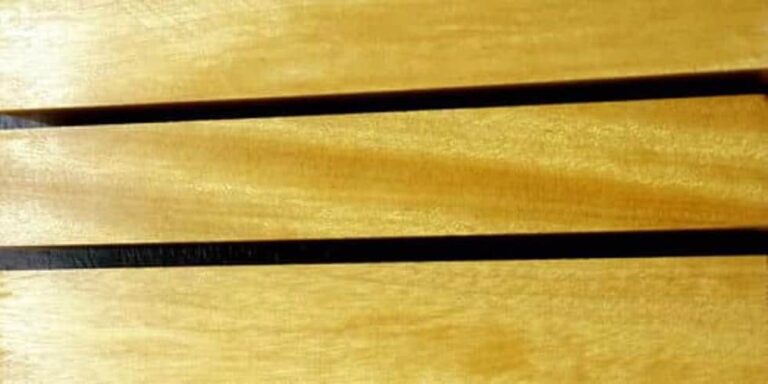
Yellowheart (Euxylophora paraensis), also called Pau Amarelo or Brazilian Satinwood, was once one of the most popular yellow woods around. True Yellowheart has now become almost impossible to find.The tree grows only in a small part of the Brazilian Amazon, mostly in Pará and Maranhão, where it occurs naturally at low densities. Decades of selective logging, along with forest clearing for cattle pasture and farming, are thought to have cut its wild population by half or more over the past 60 years. In 2014 Brazil added it to its official list of threatened species, which bans cutting, transporting and selling wild trees, and supply to the US has all but dried up. Much of the “Yellowheart” sold today is actually a different species.The color ranges from pale yellow to bright yellow and gold, and premium boards show a satiny, shimmering figure. It's fine-textured, durable and easy to work, and it finishes beautifully.We still have a small amount of legacy stock, bought before the ban, and once it's gone we won't be able to replace it. For the same golden look in a wood that's readily available, see Yellow Rosa or East Indian Satinwood.
boatbuilding, cabinetry, carving, flooring, furniture, handles, inlay, musical Instruments, trim, turnings, veneer
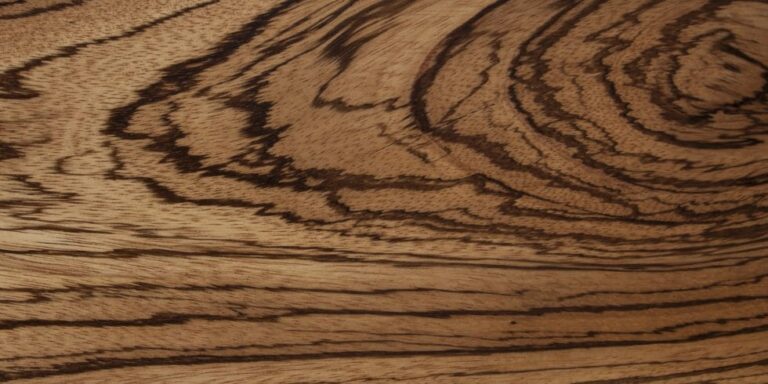
Zebrawood (Microberlinia brazzavillensis), also called Zebrano, is a tough, durable West African wood with bold dark brown to almost black stripes on a pale gold to off-white base. Few woods are as instantly recognizable.Quartersawn boards show long, fairly even stripes, while flat-sawn boards are wavy and wild. The sapwood is pale and unstriped, so it's easy to spot. Once dry, it's a strong, stiff wood, though most people choose it purely for its looks.The texture is coarse with open pores, and the grain is often wavy or interlocked, so planing can be a challenge. Keep blades sharp to minimize tear-out, and fill the pores if you want a glass-smooth finish. It glues well and has a pleasant luster. It can be hard to dry and may warp, so quartersawn stock is the more stable choice, and small voids along the dark stripes aren't unusual.Zebrawood's looks keep it in steady demand with veneer mills around the world, which makes it moderately expensive despite good supply. It's used for veneer, fine furniture, accent panels, handles and turnings. For a lower-priced alternative, see Ababa.
fine furniture, handles, turnings, veneer
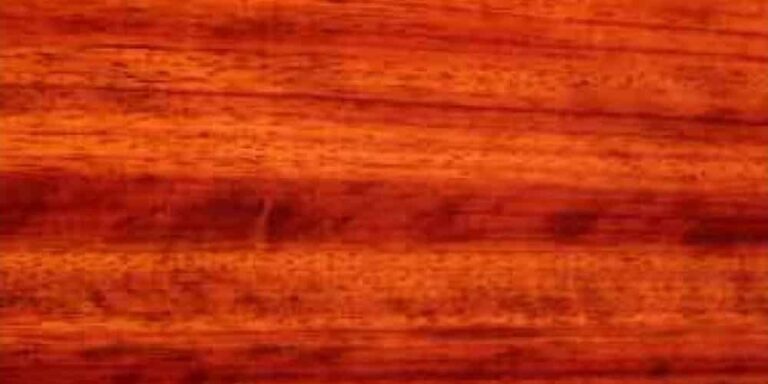
African Padauk (Pterocarpus soyauxii) is a strong, very stable hardwood from Central and West Africa known for its bold color, and it's a reasonably priced exotic.Freshly cut, it's a vivid orange-red, deepening over time to a robust reddish-brown. Colors can range from bright orange to muted burgundy, with grain lines in brick red or purple. The best boards have long, straight grain with ribbon figure and deep chatoyance. A finish with UV protection helps keep the color bright.The grain is mostly straight, sometimes interlocked, with large pores and a texture similar to African Mahogany. It works and finishes very well, though its fine red dust gets everywhere and can irritate, so use good extraction. The trees grow over 100 feet tall, so long, wide boards are available.Padauk is durable and resistant to insects and termites, and it's been used outdoors in Africa for centuries. It's used for furniture, flooring, trim, handles, turnings, marimba and xylophone bars, and accents. For a related wood, see Kiaat.
flooring, furniture, handles, specialty items, trim, turnings, utility lumber, veneer
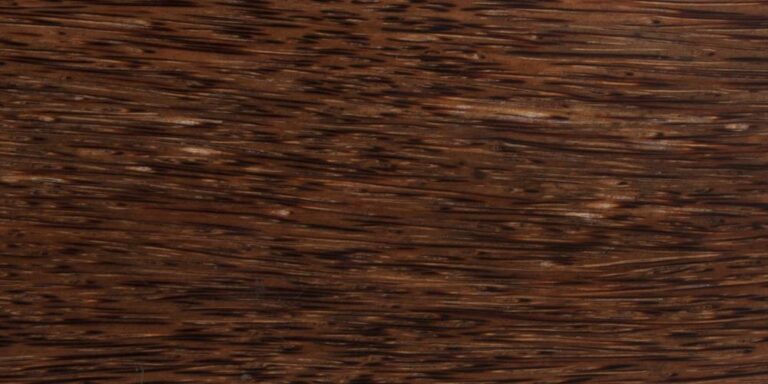
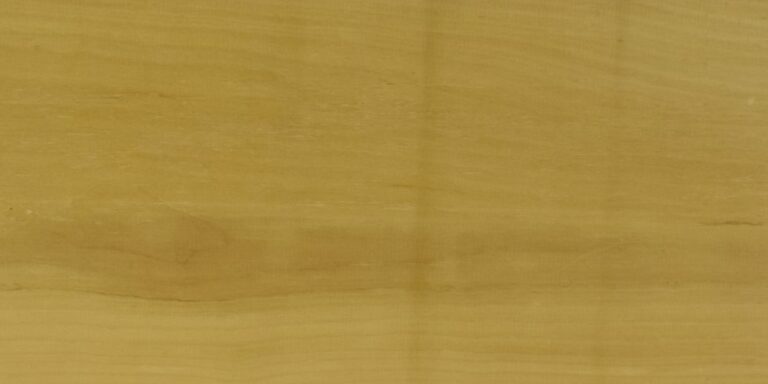
Pau Marfim (Balfourodendron riedelianum), also called Ivorywood or Guatambu, is a dense, fine-textured South American hardwood from Brazil, Argentina and Paraguay. “Marfim” means ivory in Portuguese, after its creamy white color.Its color can range from lemon to a pale yellowish-brown, with little contrast between heartwood and sapwood, though darker streaks sometimes appear. The grain is mostly straight with a very fine, even texture, and density can vary with growing conditions.It's extremely tough and very stable, and it turns excellently. It nails, screws and glues easily and polishes to a smooth, fine finish. It's harder to work than Maple or Birch, and it isn't decay-resistant, so finish it well for outdoor use.Pau Marfim looks a lot like Maple or Birch but is more wear-resistant, which makes it an excellent light-colored flooring. It's also used for tool handles, furniture, cabinetry, carving, turnings, guitar parts and even oars and canoes. For a similar pale wood, see Hard Maple.
cabinetry, canoes, carving, flooring, furniture, handles, oars, paneling, specialty items, turnings, veneer
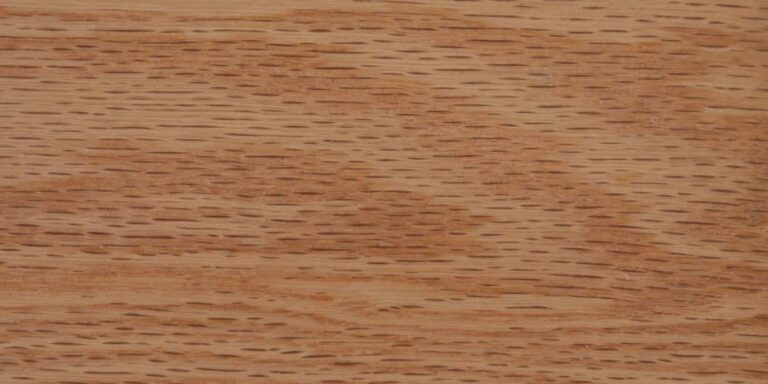
Red Oak (Quercus rubra), also called Northern Red Oak, grows across the eastern US and Canada. It's one of America's most popular hardwoods thanks to its strength, hardness and moderate price.The heartwood is light brown with a reddish tint, and the sapwood can be hard to tell apart. The grain is usually straight, with a coarse texture and large, open pores, and quartersawn boards show the ray fleck oaks are known for.It works, glues and finishes well, and it takes stain evenly, which makes it easy to match existing furniture. It shrinks a fair amount as it dries, so quartersawn stock is the most stable choice. Its open pores let water through, so it isn't durable outdoors and isn't suitable for boats.Red Oak is a favorite with furniture builders and cabinetmakers and has long been a staple of American interiors, from floors and trim to kitchen cabinets. It's also used for handles, stair parts and veneer. For a more durable, water-resistant oak, see White Oak.
cabinetry, flooring, furniture, handles, utility lumber, veneer
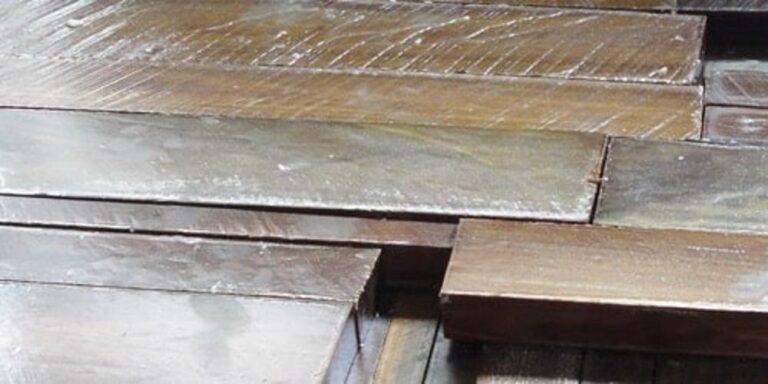
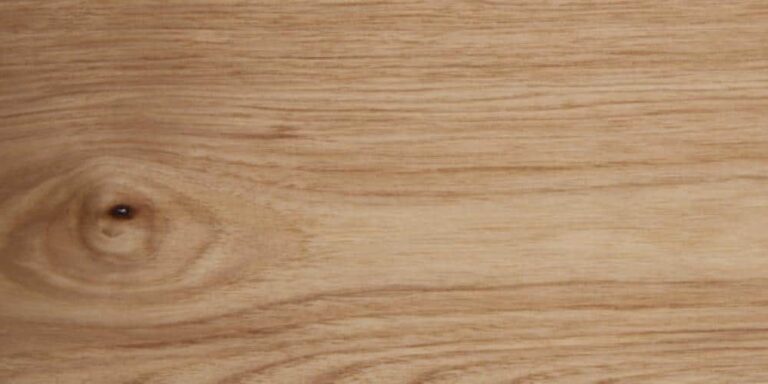
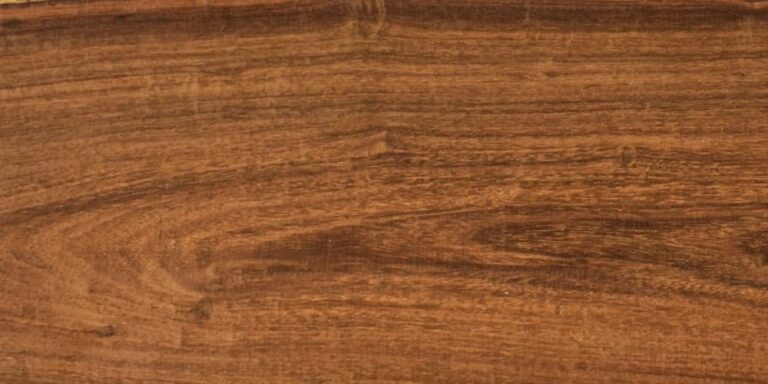
Granadillo (Platymiscium spp.), also known as Hormigo or Macacauba, is known throughout Central America as “the wood that sings.” It's been a popular rosewood alternative with guitar builders ever since Brazilian Rosewood was placed under the strictest CITES protection in 1992.It's slightly less dense than a typical rosewood and much less oily. The base is brown, highlighted with muted purples, reds, oranges and golds, and the color deepens toward a richer reddish-brown with age. The grain is mostly straight, sometimes interlocked, with a medium texture.It works and finishes very well, with a natural luster, and strong chatoyance often appears after finish sanding. Because it's less oily than true rosewoods, it glues more easily, which makes it a practical choice for instrument building.Granadillo is a beautiful, slightly more affordable rosewood substitute with more than 50 years of use as a tonewood, especially for guitar backs, sides and fretboards, and for marimba bars. It's also popular for furniture, handles, inlay and turnings. See also its relative, Red Canarywood.
furniture, handles, inlay, musical Instruments, specialty items, turnings
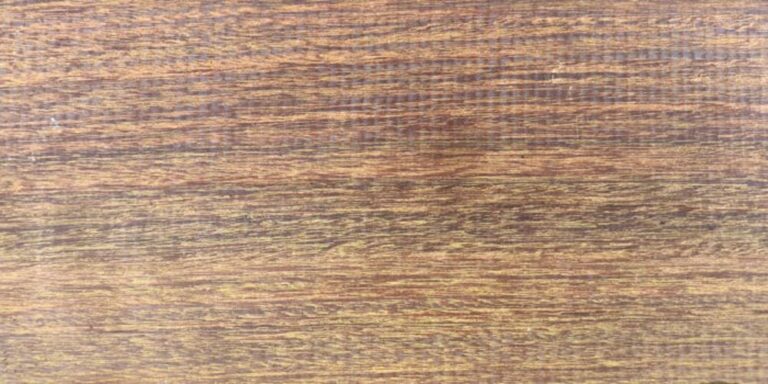
Ipe (Handroanthus spp.) is known across Central and South America as an extremely dense, durable wood. It covers several species, so its color and grain vary quite a bit. In flooring it's sometimes sold as “Brazilian Walnut,” though it isn't related to walnut.It can be a deep chocolate brown with a reddish tint, or more olive-toned with hints of yellow, orange or red, often with darker striping and occasional mottled figure. Left outdoors unfinished, it weathers to a silver grey.The grain can be straight, irregular or interlocked, and the texture fine to medium with good luster. It's famously hard on saw blades, so carbide tooling is a must, and you should pre-drill for fasteners. Straight-grained pieces plane and turn well, but always use your sharpest tools, and note that some boards contain a powdery yellow deposit called lapachol. Wear a dust mask, as the dust can irritate.Ipe is virtually impossible to wear out and resists insects, rot and fire, which makes it a favorite for decking, boardwalks and flooring. It's also used for outdoor furniture, handles, turnings and veneer. For a similar alternative, see Cumaru.
construction, decking, flooring, handles, turnings, veneer
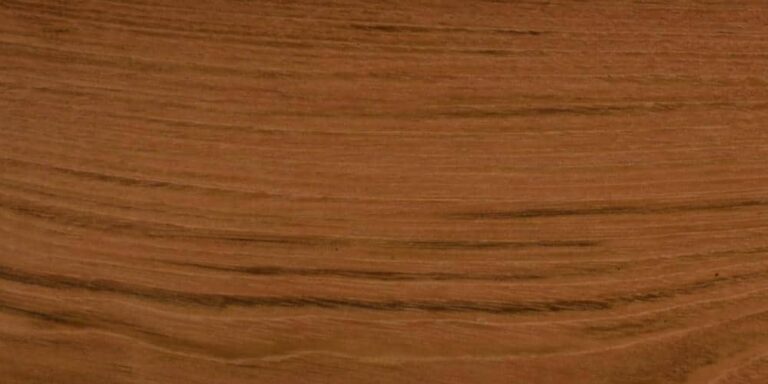
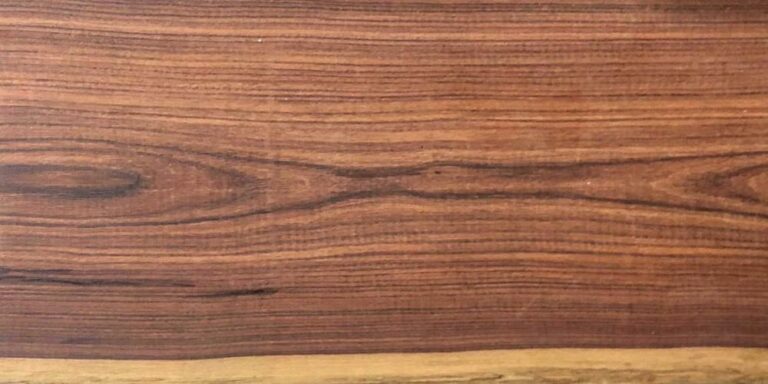
Kingwood (Dalbergia cearensis), also called Brazilian Kingwood or Violetwood, is one of the densest rosewoods and one of the most colorful. It grows in northeastern Brazil and has been prized by European furniture makers since the 17th century, when it was a favorite for royal cabinetry and marquetry.The reddish-brown heartwood is streaked with dark violet to black, and the pale yellow sapwood often adds dramatic contrast. The grain is usually straight, sometimes wavy or interlocked, with a fine, even texture and natural luster.Logs tend to check and crack, so clean, defect-free boards are rare, especially in larger sizes. It's very rot- and insect-resistant, and its oils can make gluing tricky, so wipe joints with a solvent first. It's also hard on tools, but it turns beautifully and polishes to a glassy finish.Kingwood is a favorite for fine inlay, banding, custom knife handles, pens and turnings, and it's also used for gun stocks, small boxes and veneer. For a softer-colored rosewood, see Tulipwood.
gun stocks, handles, inlay, specialty items, turnings, veneer
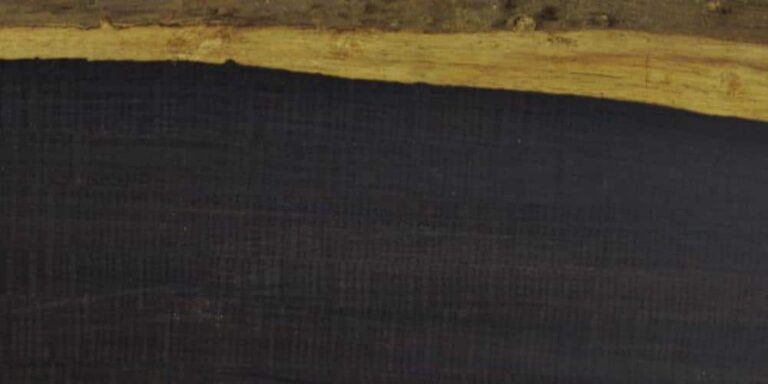
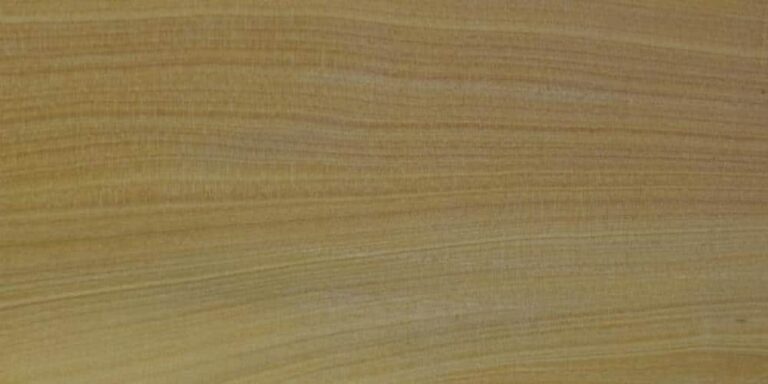
Boxwood (Buxus macowanii), also known as Cape Boxwood or East London Boxwood, is native to the Eastern Cape of South Africa. It's a close cousin of the original European boxwood (Buxus sempervirens) and shares its most prized quality: a dense, ultra-fine texture that holds the crispest detail.The wood is a pale, creamy yellow with almost no visible grain, so nothing competes with the carving or turning itself. It cuts cleanly with sharp tools, turns superbly and finishes to a smooth, silky sheen without much more than fine sanding and a light oil or wax.The trees are small, rarely more than 20 feet tall with trunks of about 6 inches, and the dense wood is prone to cracking as it dries. That limits supply to small, craft-sized pieces. Ours comes from South Africa and has been slowly air-dried over many years for stability. Be wary of other pale, dense woods sold as boxwood.Boxwood has long been the wood of choice for fine carving, engraving blocks, chess pieces, rulers and instrument parts, and it's a favorite with turners for small, detailed work. For a more affordable alternative, see Castello Boxwood.
carving, chess pieces, handles, musical Instruments, specialty items, turnings