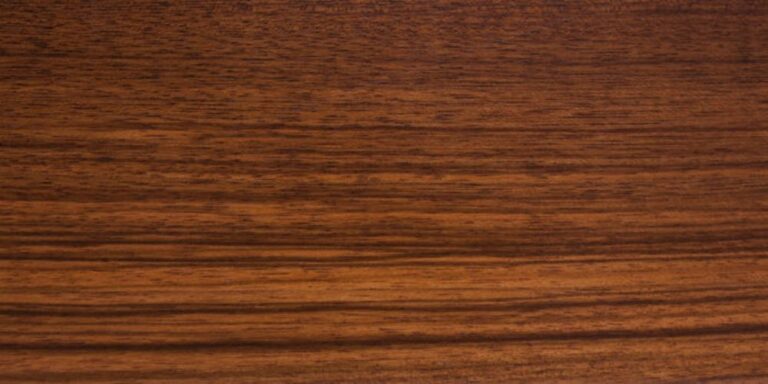
English Walnut (Juglans regia), also called European or Persian Walnut, is one of the world's classic furniture woods. Despite the name, it's native to parts of Europe and Central Asia, and it's the same tree that produces the common walnuts sold in stores.The heartwood ranges from warm honey brown to rich chocolate, often with subtle grey, olive or purple undertones. The grain is typically straight, but curly, crotch and burl figure can be spectacular, and burl veneer from this species has graced fine furniture and car dashboards for generations.Compared with American Black Walnut, it's usually lighter and warmer, with a slightly finer texture and softer contrast between heartwood and sapwood. It machines beautifully, turns well and finishes very smoothly, developing a deep luster under oil. It's not as hard as many tropical woods, but it offers an excellent balance of stability, workability and durability.It's a favorite for fine cabinetry, heirloom furniture, gun stocks, paneling, carving, boxes and inlay. For craftsmen who value elegance over brute hardness, it's hard to beat.
boxmaking, cabinetry, inlay, interior panelling, joinery, specialty items, trim

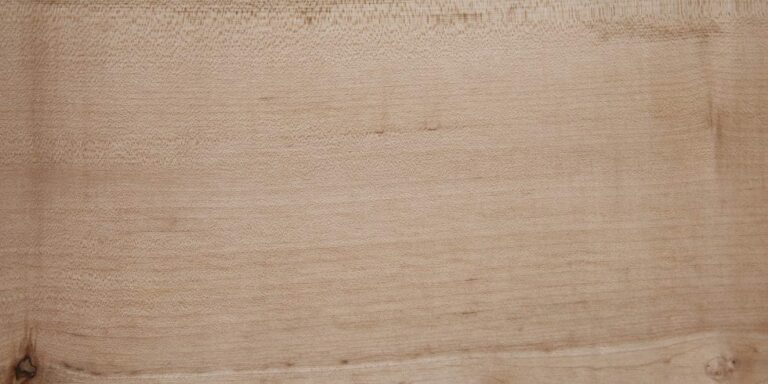
European Sycamore (Acer pseudoplatanus), also called French Sycamore, is a true maple, not the American sycamore or plane tree. As with other maples, the pale sapwood is the part that's prized.The sapwood ranges from almost pure white to light cream, sometimes tinted golden or muted red, while the heartwood is a medium to dark reddish-brown. The grain is usually straight, sometimes wavy, and figured boards with strong curl or flame can be truly dramatic.Its fine, even texture makes it easy to work by hand or machine, though like other maples it can burn with dull cutters or slow feed rates. It turns, glues and finishes well, with a good natural luster, and its pale color takes stains and dyes evenly.European Sycamore has been the traditional wood for the backs, sides and necks of violins, violas, cellos and basses for centuries, valued for its resonance at a moderate weight, which is why it's usually sold quartersawn. It's also used for furniture, cabinetry, flooring, turnings and veneer. For a North American cousin, see Curly Hard Maple.
cabinetry, flooring, furniture, joinery, millwork, musical Instruments, specialty items, turnings, utility lumber, veneer
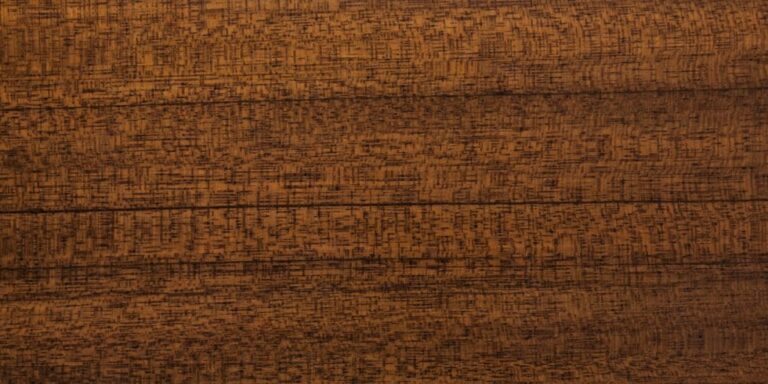
African Walnut (Lovoa trichilioides), also called Dibetou or Congowood, grows in the tropical forests of West and Central Africa. It isn't a true walnut but a member of the mahogany family, though it shares many of walnut's qualities.The heartwood ranges from golden brown to reddish-brown, often with darker streaks, and it deepens to richer brown tones with age. The narrow sapwood is grey to beige. Quartersawn boards can show a ribbon stripe much like Sapele, and figured pieces turn up fairly often.The grain is straight or slightly interlocked, with a fine to medium, consistent texture and a fine natural luster. It works, turns, glues and finishes well, though sharp tools help avoid tear-out on interlocked boards. It's lighter in weight than American walnut, reasonably stable and moderately durable.African Walnut makes a handsome, more affordable alternative to true walnut for many projects. It's used for furniture, cabinetry, paneling, flooring, gun stocks, carving, boatbuilding and veneer. See also American Black Walnut.
boatbuilding, cabinetry, carving, flooring, furniture, gun stocks, joinery, paneling, specialty items, turnings, veneer
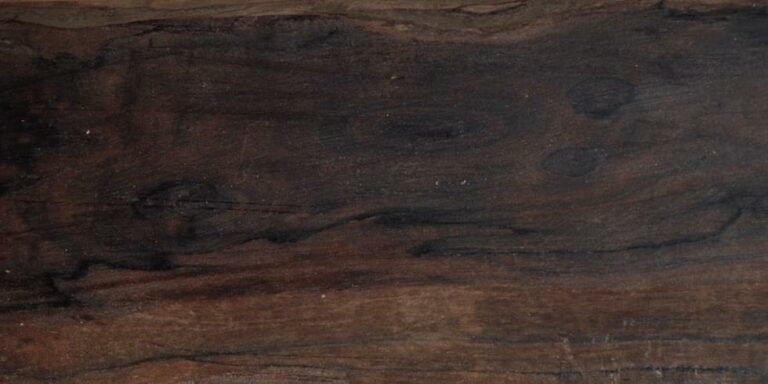
Ziricote (Cordia dodecandra) is one of the most striking exotic woods in the world, famous for its “landscape” or “spiderweb” grain. It grows in southern Mexico and parts of Central America.The color ranges from medium to dark brown, sometimes with a green or purple tint, with irregular black growth rings weaving through it. The sapwood is a dull off-white to pale yellow, and boards with sapwood left on can make for dramatic contrast.Although fairly dense, its mostly straight grain and fine texture make it cooperative to work. It cuts, turns, glues and finishes smoothly. It can be prone to end checking and surface cracks as it dries, so seal ends and store it carefully.Ziricote is a close relative of Bocote, and its dramatic figure has given it something of an elite status among exotic wood enthusiasts. It's prized by guitar makers as a visually stunning tonewood, with a bright, rosewood-like voice. Supply is limited and prices are high. It's also used for fine furniture, cabinetry, gun stocks, turnings, boxes and veneer.
cabinetry, flooring, furniture, gun stocks, joinery, lutherie, musical Instruments, specialty items, trim, turnings, veneer
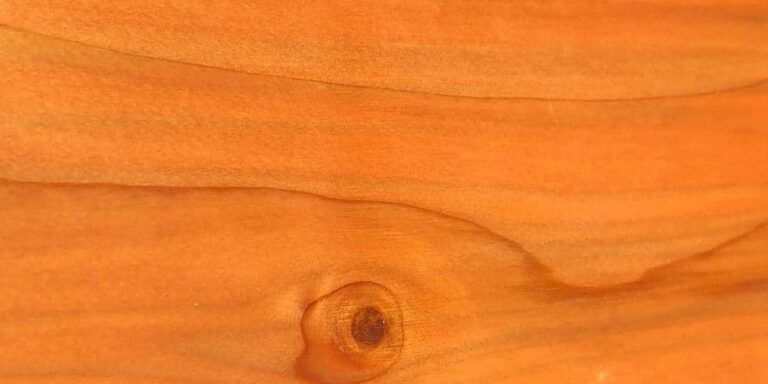
Himalayan Cedar (Cedrus deodara), or Deodar, is a true cedar native to the western Himalayas, where it's an important timber tree in Pakistan, Kashmir and northwestern India. Its name comes from the Sanskrit “devadaru,” meaning “timber of the gods,” and it's a sacred tree in Hinduism.Our Himalayan Cedar was grown in the Eastern Cape of South Africa, a long way from its mountain home. Deodar was introduced to many parts of the world in the 1800s, and it has done well in South Africa's climate.The heartwood ranges from light tan to light brown with a reddish tint. The grain is usually straight and the texture fine and even, with a high natural luster. It's strong for its weight and has a reputation for excellent working properties: it cuts, planes and finishes cleanly. The wood is prized for its durability, pleasant fragrance and resistance to insects, and the trees also yield a fragrant oil with insect-repelling and anti-fungal properties.In its native regions it's used for construction, carpentry, temple building and furniture. It suits furniture, joinery, boxes, closet linings and general woodworking anywhere you want a light, fragrant, durable softwood. See also Aromatic Cedar.
carpentry, construction, furniture, joinery