
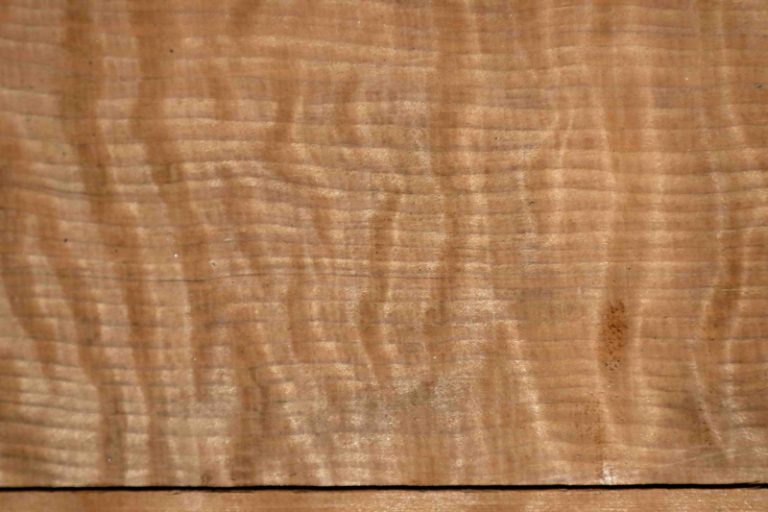
Curly Redwood (Sequoia sempervirens) is a rare, prized form of the iconic Coast Redwood, the tallest tree species on Earth, which grows along the coast of northern California and southern Oregon.Its swirling, intricate figure creates a shimmering, three-dimensional effect when properly finished, over a rich reddish-brown color. The figure comes from irregularities in the tree's growth, and much of today's curly stock is salvaged from old logs and stumps.Redwood is light and soft, so it's easy to work, but sand carefully to bring out the figure without tearing the soft grain. A clear finish makes the shimmer pop. It's naturally resistant to decay, though curly pieces are usually reserved for indoor showpieces.Curly Redwood is treasured by guitar makers for instrument tops, where it offers a warm tone and a striking look, and by woodworkers for fine furniture, cabinetry, boxes, decorative accents and specialty pieces. It's rare, and well-figured pieces are always in demand. For another figured top wood, see Quilted Maple.
cabinetry, crafting, lutherie, musical Instruments, specialty items
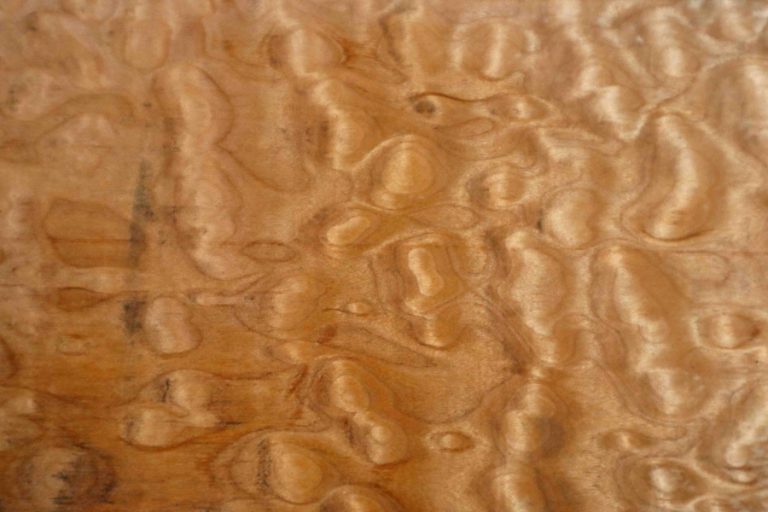
Quilted Maple comes from Bigleaf Maple (Acer macrophyllum), which grows along the Pacific coast from British Columbia to California. It's prized for its rippling, three-dimensional figure, which looks like quilted fabric or rippling water.The figure comes from irregularities in the tree's growth, and it gives the wood real depth and shimmer, especially under finish. Color varies from pale cream to light tan, sometimes with warmer tints. Only a small share of Bigleaf Maple shows strong quilt, which is why good boards command a premium.It's a little softer than Hard Maple and works much like other maples. Take light passes to avoid tear-out in the figure, and sand carefully. A dye or clear finish brings out the shimmer dramatically, which is why it's so popular for guitar tops.Quilted Maple is a favorite with luthiers for electric guitar tops and acoustic backs, and it's also used for fine furniture, boxes, knife handles, paneling and decorative veneer. For a different maple figure, see Birdseye Maple and Curly Maple.
boxmaking, cabinetry, furniture, interior panelling, knife handles, lutherie, musical Instruments
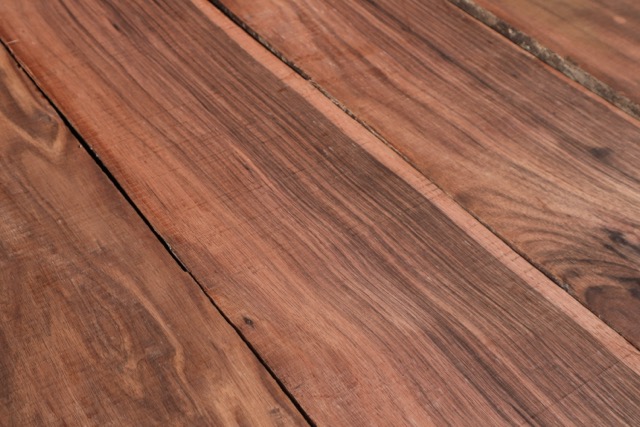
Malaysian Blackwood (Diospyros ebonasea), also called Malaysian Ebony, is a true ebony from Southeast Asia.It's prized for its dense, dark heartwood, which ranges from deep brown to black. Many boards show striking spiderweb-like patterns, so each piece is unique.Like other ebonies it's hard and dense, so use sharp tools and take your time. The reward is a smooth surface that polishes to a fine, lustrous finish and holds crisp detail.Malaysian Blackwood is used for musical instruments, fine furniture, boxes, turnings and other luxury pieces where its color and figure can stand out. If you like its look, take a look at Ziricote and Amara Ebony too.
boxmaking, cabinetry, crafting, fine furniture, lutherie, musical Instruments, specialty items, turnings
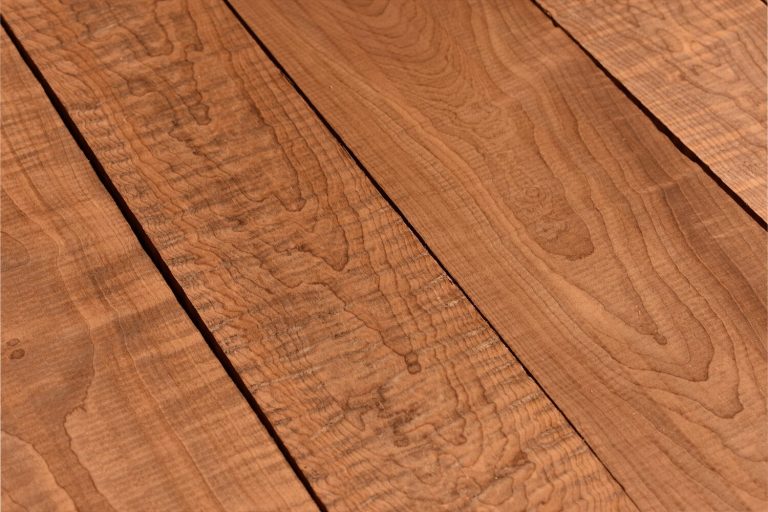
Roasted Curly Soft Maple is Curly Soft Maple that has been thermally modified. The wood is heated gradually to over 160°C in oxygen-free chambers, a natural, chemical-free process that darkens it to a rich caramel or chocolate brown while keeping the curl.The heat changes the wood's cell structure, so it absorbs less moisture. That makes it more dimensionally stable, which guitar makers value for necks. It also becomes a little more brittle, so it chips more easily than unmodified maple, and it's best for tops, panels, flooring and instrument parts rather than intricate joinery. Expect a pleasant, toasty smell when you cut it.The very dry wood soaks up finish, so plan on a generous coat. Our in-house woodworker has had excellent results with Osmo Polyx-Oil, and he suggests a thicker finish works best. Use sharp tools and light passes to avoid chipping in the figure.It's popular with guitar makers for necks and bodies, and for fine furniture, paneling and specialty pieces, where it offers the look of a dark exotic with the reliability of maple. See also Roasted Birdseye Maple.
fine furniture, flooring, interior panelling, lutherie, musical Instruments, specialty items
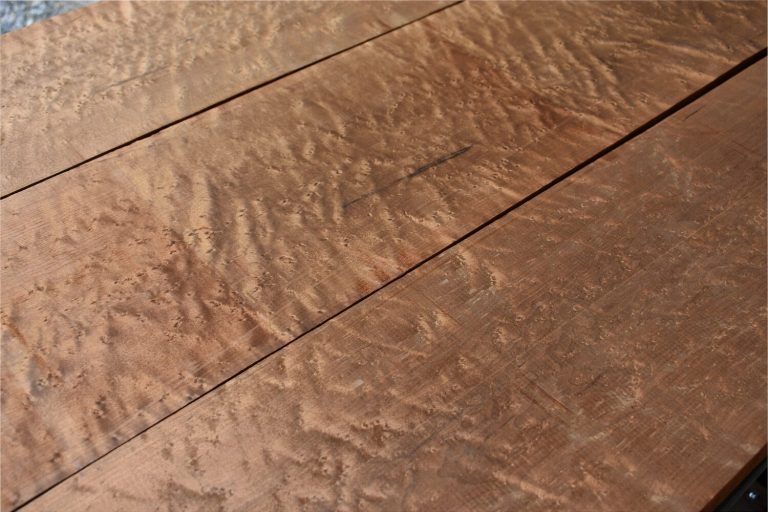
Roasted Birdseye Maple is Birdseye Maple that has been thermally modified. The wood is heated gradually to over 160°C in oxygen-free chambers, a natural, chemical-free process that darkens it to a rich caramel or chocolate brown while keeping the birdseye figure.The heat changes the wood's cell structure, so it absorbs less moisture. That makes it more dimensionally stable, which guitar makers value for necks and fretboards. It also becomes a little more brittle, so it chips more easily than unmodified maple, and it's best for tops, panels, flooring and instrument parts rather than intricate joinery. It also smells pleasantly toasty when cut.The very dry wood soaks up finish, so plan on a generous coat. Our in-house woodworker has had excellent results with Osmo Polyx-Oil, and he suggests a thicker finish works best. Use sharp tools and light passes to avoid chipping around the eyes.Roasted Birdseye Maple is popular for guitar necks and fretboards, fine furniture, knife handles, bandings and specialty pieces, where it gives the look of a dark exotic with the familiarity of maple.
bandings, crafting, fine furniture, flooring, knife handles, lutherie, musical Instruments, specialty items

Red Alder (Alnus rubra) is the most abundant hardwood in the US Pacific Northwest, where it has long been used for furniture and cabinetry. It's also been a popular electric guitar body wood since the instrument first went into mass production in the 1950s.The color ranges from light tan to reddish-brown. It's light and soft for a hardwood, which makes it very easy to work, and it glues and finishes well. Many cabinetmakers compare its easy-going nature to Black Cherry.Alder is usually sold in two grades, knotty and clear, with clear preferred for furniture and cabinets. The surface dents easily until it's finished, so a hard finish such as lacquer is a good idea. It isn't durable outdoors, so it's best kept to indoor projects such as cabinetry, millwork and instruments.
cabinetry, lutherie, millwork, musical Instruments
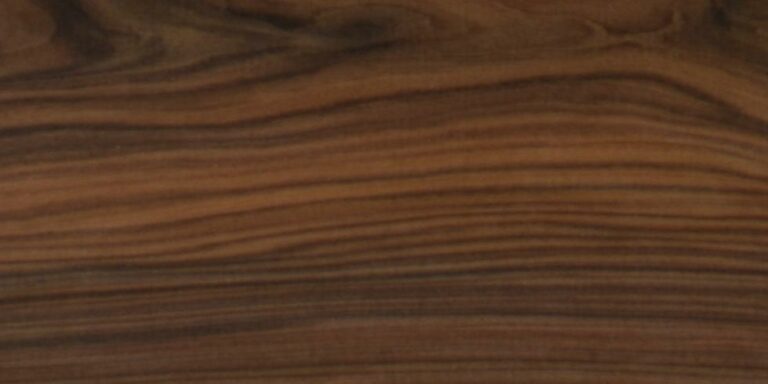
Morado (Machaerium spp.) goes by many names, most commonly Pau Ferro and Bolivian Rosewood. It grows in Bolivia and Brazil, and earned the rosewood nickname for its similar color and density, though it isn't a true rosewood.It has a medium brown base with black streaks, sometimes with purple, tan and golden hues or an overall purplish tint. The grain is usually straight to slightly interlocked with a fine to medium texture and good luster.Straight-grained pieces are very easy to work, and it turns smoothly and finishes well. It's durable, though it can be attacked by insects, and its dust can irritate sensitive skin, so use dust extraction. It's tighter-grained than a typical rosewood and a little lighter.Morado is one of the closest non-rosewood alternatives to Brazilian Rosewood. Guitar makers value it for fretboards, backs and sides, with tight lows, present mids and clear highs, and it's been used on many production electric guitars. It's also used for furniture, cabinetry, flooring, knife handles and turnings. See also Santos Rosewood.
cabinetry, flooring, furniture, lutherie, musical Instruments, specialty items, turnings, veneer
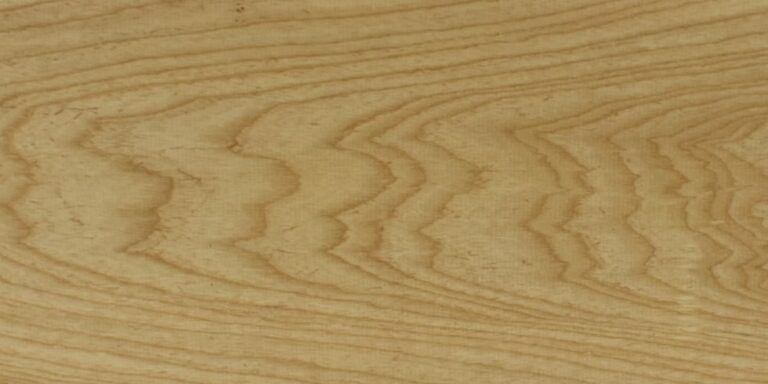
Swamp Ash isn't a single species. It's the name for ash (Fraxinus) from trees growing with their roots in or near water, which produces the lightest, softest ash available.The wood is pale with an open grain. It's light and resonant yet stable, easy to work by hand or machine, and it steam-bends, sands, glues and stains well. Because ash gets denser further up the tree, the most sought-after boards come from the midsection down to the trunk.Swamp Ash is best known as an electric guitar body wood. Players and builders value its crisp highs, tight lows and scooped mids, and steady worldwide demand makes it the most expensive of the ashes.It's also used for boxes, turnings and flooring. For a harder, more general-purpose ash, see White Ash.
boxmaking, flooring, musical Instruments, turnings
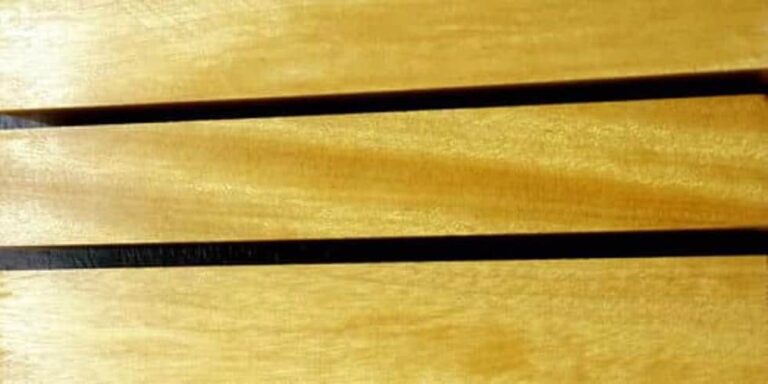
Yellowheart (Euxylophora paraensis), also called Pau Amarelo or Brazilian Satinwood, was once one of the most popular yellow woods around. True Yellowheart has now become almost impossible to find.The tree grows only in a small part of the Brazilian Amazon, mostly in Pará and Maranhão, where it occurs naturally at low densities. Decades of selective logging, along with forest clearing for cattle pasture and farming, are thought to have cut its wild population by half or more over the past 60 years. In 2014 Brazil added it to its official list of threatened species, which bans cutting, transporting and selling wild trees, and supply to the US has all but dried up. Much of the “Yellowheart” sold today is actually a different species.The color ranges from pale yellow to bright yellow and gold, and premium boards show a satiny, shimmering figure. It's fine-textured, durable and easy to work, and it finishes beautifully.We still have a small amount of legacy stock, bought before the ban, and once it's gone we won't be able to replace it. For the same golden look in a wood that's readily available, see Yellow Rosa or East Indian Satinwood.
boatbuilding, cabinetry, carving, flooring, furniture, handles, inlay, musical Instruments, trim, turnings, veneer
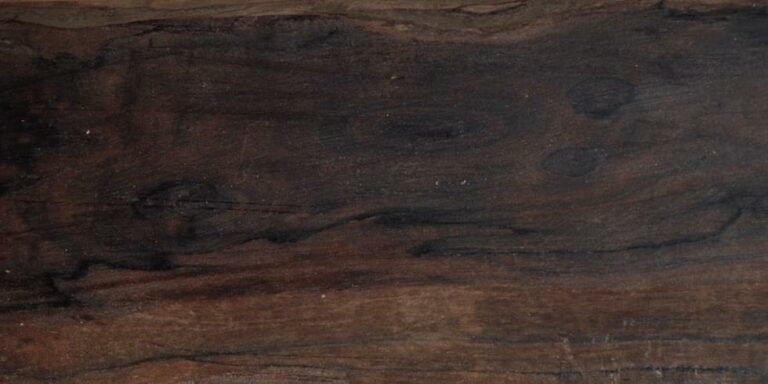
Ziricote (Cordia dodecandra) is one of the most striking exotic woods in the world, famous for its “landscape” or “spiderweb” grain. It grows in southern Mexico and parts of Central America.The color ranges from medium to dark brown, sometimes with a green or purple tint, with irregular black growth rings weaving through it. The sapwood is a dull off-white to pale yellow, and boards with sapwood left on can make for dramatic contrast.Although fairly dense, its mostly straight grain and fine texture make it cooperative to work. It cuts, turns, glues and finishes smoothly. It can be prone to end checking and surface cracks as it dries, so seal ends and store it carefully.Ziricote is a close relative of Bocote, and its dramatic figure has given it something of an elite status among exotic wood enthusiasts. It's prized by guitar makers as a visually stunning tonewood, with a bright, rosewood-like voice. Supply is limited and prices are high. It's also used for fine furniture, cabinetry, gun stocks, turnings, boxes and veneer.
cabinetry, flooring, furniture, gun stocks, joinery, lutherie, musical Instruments, specialty items, trim, turnings, veneer
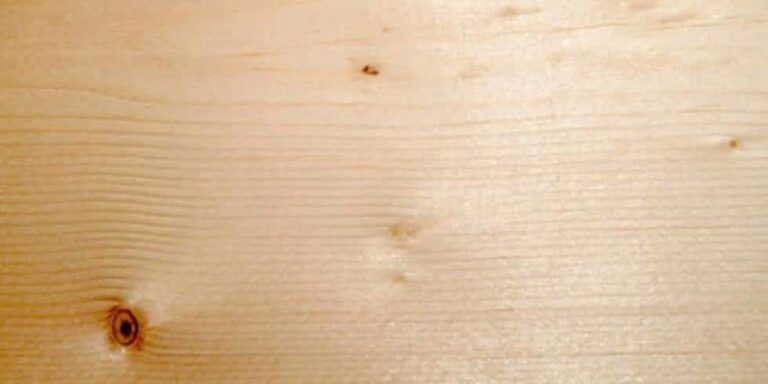
Engelmann Spruce (Picea engelmannii) grows high in the mountains of western North America, from British Columbia and Alberta down through the Rockies. It's prized by acoustic guitar makers for soundboards, thanks to its resonance and quick, responsive tone.The wood is light off-white to cream, a touch paler than Sitka, with straight grain and a fine, even texture. It's generally easy to work with hand and power tools, though it can blotch when stained, so a sealer coat or a clear finish is the safer choice.What makes it special for instruments is its stiffness-to-weight ratio. Construction-grade spruce is plentiful and inexpensive, but small knots are common, so clear, tight-grained, quartersawn billets come from slow-grown, high-altitude trees and are priced accordingly.Sitka Spruce is more widely used for guitar tops, but many builders prefer Engelmann for fingerstyle and classical guitars, where its warm, open sound and lighter weight really shine. It's also used for harps, mandolins, violin family tops and other instruments. For another classic soundboard wood, see Western Red Cedar.
construction, harps, lutherie, musical Instruments
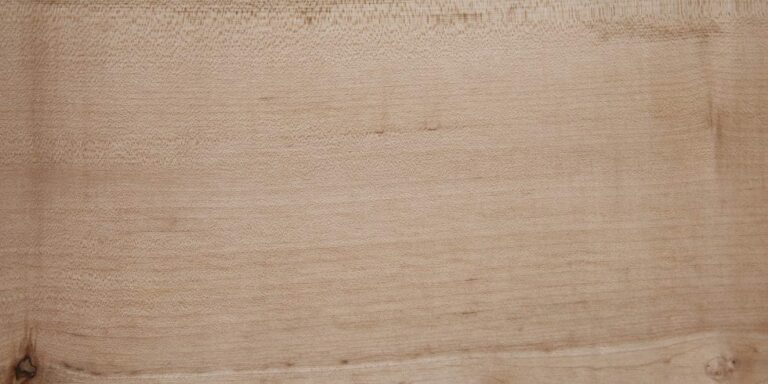
European Sycamore (Acer pseudoplatanus), also called French Sycamore, is a true maple, not the American sycamore or plane tree. As with other maples, the pale sapwood is the part that's prized.The sapwood ranges from almost pure white to light cream, sometimes tinted golden or muted red, while the heartwood is a medium to dark reddish-brown. The grain is usually straight, sometimes wavy, and figured boards with strong curl or flame can be truly dramatic.Its fine, even texture makes it easy to work by hand or machine, though like other maples it can burn with dull cutters or slow feed rates. It turns, glues and finishes well, with a good natural luster, and its pale color takes stains and dyes evenly.European Sycamore has been the traditional wood for the backs, sides and necks of violins, violas, cellos and basses for centuries, valued for its resonance at a moderate weight, which is why it's usually sold quartersawn. It's also used for furniture, cabinetry, flooring, turnings and veneer. For a North American cousin, see Curly Hard Maple.
cabinetry, flooring, furniture, joinery, millwork, musical Instruments, specialty items, turnings, utility lumber, veneer
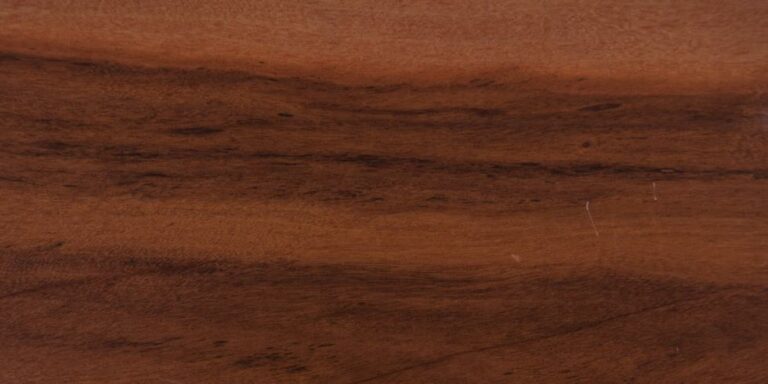
Zambezi Teak (Baikiaea plurijuga), also called Rhodesian Teak or Mukusi, grows on the Kalahari sands of Zambia, Zimbabwe, Botswana and Namibia. It isn't a true teak, but it shares Teak's stability, durability and rot resistance.The heartwood is reddish-brown with prominent, irregular black lines and flecks, and the sapwood is a pale muted pink that's clearly set apart. Unlike true Teak, it's extremely dense and hard, with low shrinkage and excellent stability once dry.The grain is generally straight or slightly interlocked with a fine texture, but its density makes it very difficult to work. Its silica content can quickly dull and gum up blades, so sharp carbide tooling is a must, and pre-drilling is needed for screws and nails. When moist, it can stain in contact with iron.Zambezi Teak is famous for hard-wearing flooring, and it was used for railway sleepers across southern Africa for many years. It's also used for turnings, carving, instrument parts and veneer. For genuine teak, see Burmese Teak.
carving, flooring, musical Instruments, specialty items, turnings, veneer
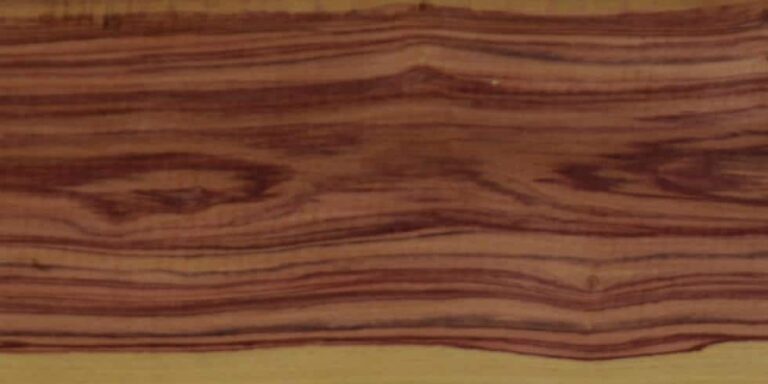
Tulipwood (Dalbergia decipularis), also called Brazilian Tulipwood or Pinkwood, is one of the most coveted and seldom-seen rosewoods. It grows in northeastern Brazil and is unrelated to Tulip Poplar, which is sometimes sold under the same name.The heartwood is cream to salmon, striped with reds, violets, purples, pinks and rose, and the sapwood is pale yellow. It has a mild, sweet scent when cut. The color slowly fades with exposure to light, so a UV-resistant finish helps preserve it.The grain is mostly straight, sometimes wavy or irregular. It's dense and oily, which makes it challenging to work and glue, so keep tools sharp and wipe joints with a solvent first. Despite its open grain, it sands very smooth and polishes to a pleasing luster.The trees are small, so long, wide boards are rare and command a premium, and most Tulipwood comes in craft-sized pieces. It's been a favorite for fine furniture inlay and banding for centuries, and it's used for boxes, turnings, pool cues, bows and instrument parts. For a lower-priced alternative, see Canarywood.
bandings, bows, boxmaking, inlay, musical Instruments, pool cues, specialty items, turnings, veneer
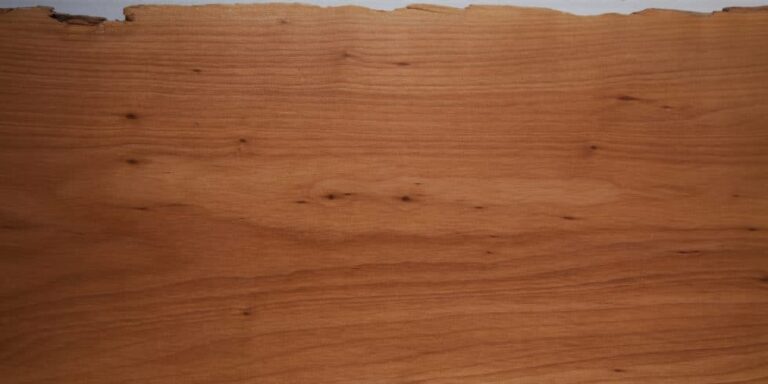
Pernambuco (Paubrasilia echinata), also called Brazilwood, is the wood that gave Brazil its name. After Portuguese explorers arrived in 1500, they found it yielded a valuable red dye, called it pau brasil (“ember-red wood”), and traded it across Europe.The heartwood ranges from muted yellow-orange through orange to red or reddish-brown, slowly darkening with age. The grain is generally straight, sometimes interlocked. It grows only in Brazil's Atlantic coastal forest, much of which has been cleared, which is why the species is now so tightly protected.Despite its density, it works very well, and its fine texture finishes nicely with an impressive natural luster.Since the late 18th century, Pernambuco has been the finest wood for violin, viola, cello and bass bows, prized for its unique combination of strength, flexibility, density and responsiveness. No other wood has matched it. It's also used for carving, inlay and turnings. For a related wood, see Chakte Viga.
carving, inlay, musical Instruments, turnings, veneer
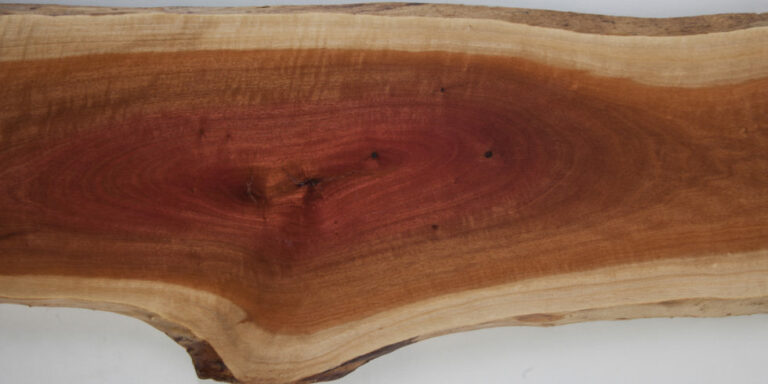
Pink Ivory (Berchemia zeyheri), also known as Red Ivory, is one of the rarest and most sought-after woods in the world. It's native to southern Africa, where it's traditionally associated with Zulu royalty, and many guitar makers see it as a “holy grail” tonewood.It's prized for its dazzling pink to red color, which ranges from pale pink to deep red, and occasional striking figure such as curl or chatoyant stripes. The texture is fine and even, with a lovely natural luster.It's very hard and dense, popular with carvers and turners, but it can be difficult to work and dulls blades. It turns beautifully and polishes to a glassy finish, and a finish with UV protection helps preserve its color. The trees are small, rarely much over 35 feet tall with trunks around a foot across, and harvesting in South Africa is limited by permit.As a result, Pink Ivory is mostly available in small, craft-sized pieces. It's used for turnings, knife handles, chess pieces, pool cues, pens, inlay and instrument parts. For another bright red wood, see Bloodwood.
chess pieces, inlay, knife handles, musical Instruments, pool cues, specialty items, turnings, veneer
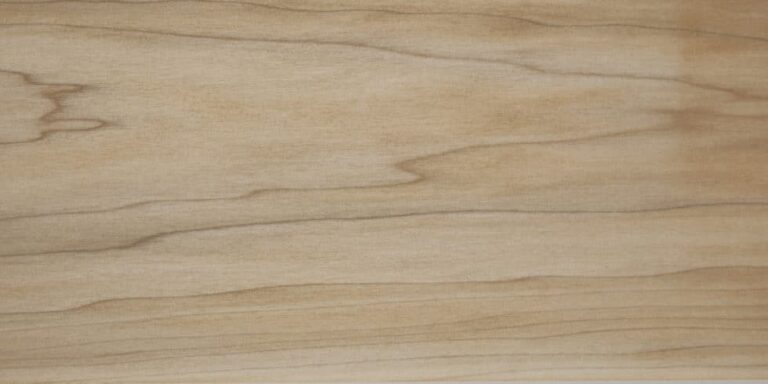
Yellow Poplar (Liriodendron tulipifera), also called Tulip Poplar or American Tulipwood, comes from the tallest hardwood tree in the eastern US, and it's one of the lightest hardwoods. Despite the name, it isn't a true poplar: its tulip-shaped flowers give it its other names.The heartwood is a light cream color, often with grey or green mineral streaks, and the sapwood is ivory to white. Especially colorful boards, with streaks running from red and purple to green and black, are known as Rainbow Poplar. The green tones darken to brown with light exposure.The grain is straight and uniform and the texture medium, so it's very easy to work, and it glues and finishes well when finely sanded. It takes paint better than almost any other hardwood, which makes it the go-to choice for painted work. It's moderately durable and very affordable.It's used for paneling, painted furniture, trim and moulding, drawer sides, crafts, carving, instruments and veneer, and it's a popular electric guitar body wood. For another light, easy-working hardwood, see Basswood.
crafting, lutherie, musical Instruments, paneling, utility lumber, veneer
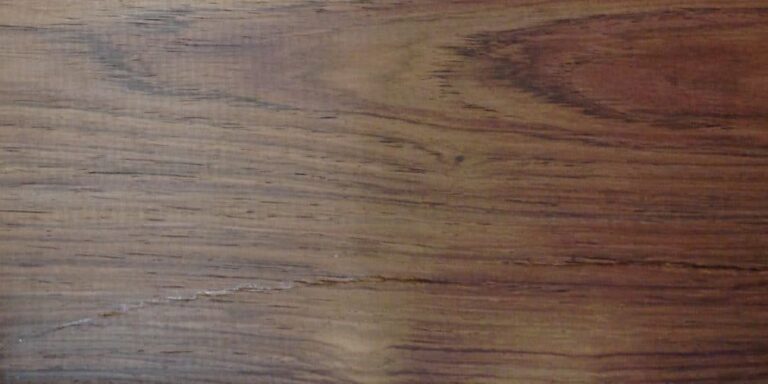
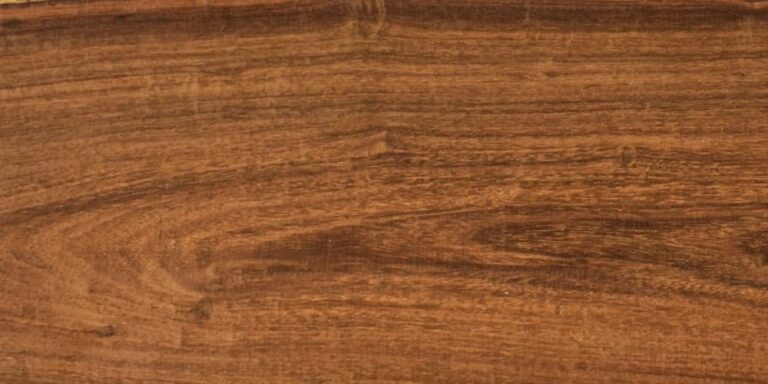
Granadillo (Platymiscium spp.), also known as Hormigo or Macacauba, is known throughout Central America as “the wood that sings.” It's been a popular rosewood alternative with guitar builders ever since Brazilian Rosewood was placed under the strictest CITES protection in 1992.It's slightly less dense than a typical rosewood and much less oily. The base is brown, highlighted with muted purples, reds, oranges and golds, and the color deepens toward a richer reddish-brown with age. The grain is mostly straight, sometimes interlocked, with a medium texture.It works and finishes very well, with a natural luster, and strong chatoyance often appears after finish sanding. Because it's less oily than true rosewoods, it glues more easily, which makes it a practical choice for instrument building.Granadillo is a beautiful, slightly more affordable rosewood substitute with more than 50 years of use as a tonewood, especially for guitar backs, sides and fretboards, and for marimba bars. It's also popular for furniture, handles, inlay and turnings. See also its relative, Red Canarywood.
furniture, handles, inlay, musical Instruments, specialty items, turnings
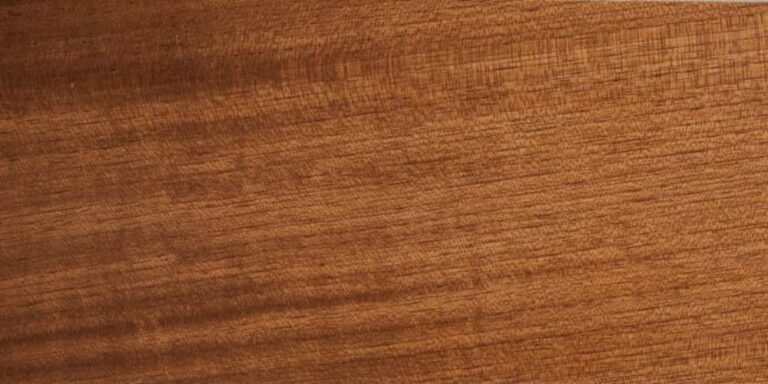
Spanish Cedar (Cedrela odorata) isn't a true cedar at all. It belongs to the mahogany family, and it shares many of that family's best qualities: it's light, pleasantly aromatic and one of the easiest hardwoods to work.The heartwood ranges from a soft pinkish-brown to reddish-brown and darkens nicely with age. The grain is straight and the texture fine, so it planes, carves and sands cleanly, and it glues and finishes well. Most Spanish Cedar on the US market is plantation-grown, which is usually a little lighter in weight and color than forest-grown wood.It's best known for cigar boxes and humidors, where its scent suits tobacco and it stays stable as humidity changes. Light, stable and easy to carve, it's also the traditional wood for classical and flamenco guitar necks, and it's used in boatbuilding, cabinetry and veneer. Related woods in the mahogany family include Genuine Mahogany, Sapele and Sipo.
boatbuilding, cabinetry, humidors, musical Instruments, veneer
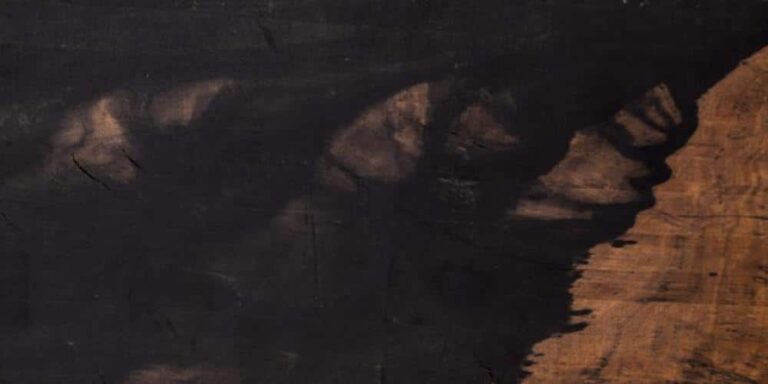
Gabon Ebony (Diospyros crassiflora), also called African Ebony, comes from West and Central Africa and is one of the most iconic woods in the world. Its heartwood ranges from pure black to variegated tones with greys, browns and even golden streaks.It's exceptionally dense, strong and naturally oily, and it takes an extraordinary polish with a beautiful luster when sanded. The texture is very fine and even, so it holds crisp detail. The oiliness can make gluing trickier, but the results are worth the care.The trees grow slowly and produce small logs, so long, clear boards are rare and expensive. It's also prone to checking, so pieces should be stored and worked carefully. Quality and availability in the US have declined, and prices have risen, so good stock is worth snapping up.Gabon Ebony is the traditional fingerboard and fitting wood for violins, violas, cellos and basses, and it's used for guitar fretboards, piano keys, carving, turnings and inlay. It's a favorite with turners, carvers and luthiers. See also Indian Ebony, a close match in looks.
musical Instruments, specialty items

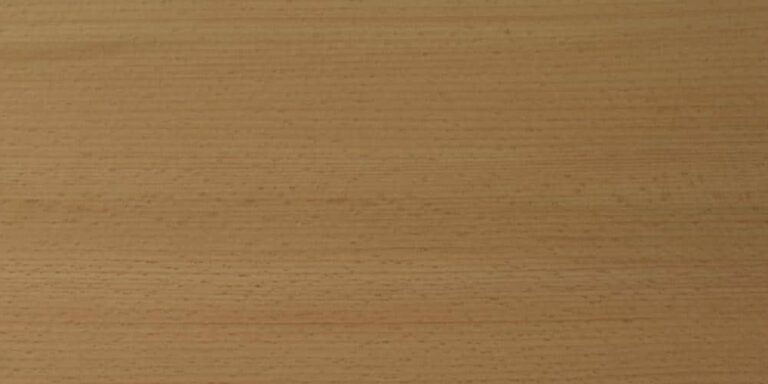
European Beech (Fagus sylvatica) is one of the most popular and commercially important hardwoods in Europe, thanks to its large supply and modest price. It's slightly harder than its American cousin.The wood is pale cream, often with a pink or light reddish-brown tint. The grain is straight and the texture medium, and it machines, turns, glues and finishes easily. Large trees yield long, wide boards.It's strong, tough and steam-bends very well, which is why it has been used in European boatbuilding for centuries. Like all beech it isn't durable outdoors and can move in service, so well-dried, quartersawn stock is the best choice where stability matters.European Beech is used for furniture, cabinetry, flooring, turnings, instruments and veneer. See also American Beech.
boatbuilding, cabinetry, flooring, furniture, musical Instruments, turnings, veneer
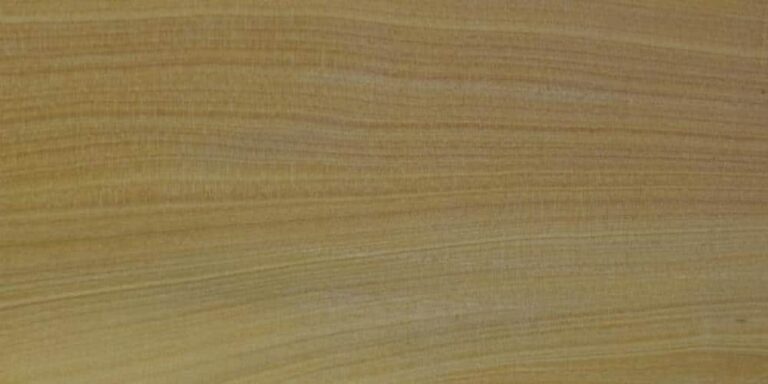
Boxwood (Buxus macowanii), also known as Cape Boxwood or East London Boxwood, is native to the Eastern Cape of South Africa. It's a close cousin of the original European boxwood (Buxus sempervirens) and shares its most prized quality: a dense, ultra-fine texture that holds the crispest detail.The wood is a pale, creamy yellow with almost no visible grain, so nothing competes with the carving or turning itself. It cuts cleanly with sharp tools, turns superbly and finishes to a smooth, silky sheen without much more than fine sanding and a light oil or wax.The trees are small, rarely more than 20 feet tall with trunks of about 6 inches, and the dense wood is prone to cracking as it dries. That limits supply to small, craft-sized pieces. Ours comes from South Africa and has been slowly air-dried over many years for stability. Be wary of other pale, dense woods sold as boxwood.Boxwood has long been the wood of choice for fine carving, engraving blocks, chess pieces, rulers and instrument parts, and it's a favorite with turners for small, detailed work. For a more affordable alternative, see Castello Boxwood.
carving, chess pieces, handles, musical Instruments, specialty items, turnings