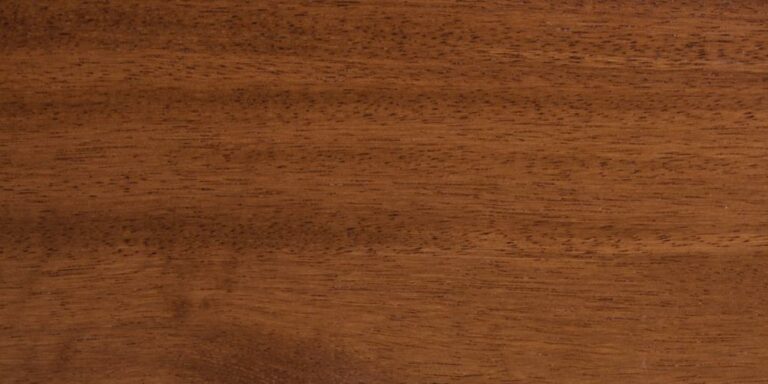
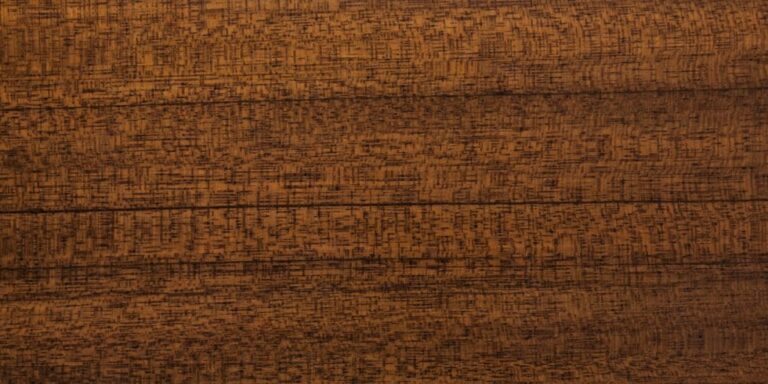
African Walnut (Lovoa trichilioides), also called Dibetou or Congowood, grows in the tropical forests of West and Central Africa. It isn't a true walnut but a member of the mahogany family, though it shares many of walnut's qualities.The heartwood ranges from golden brown to reddish-brown, often with darker streaks, and it deepens to richer brown tones with age. The narrow sapwood is grey to beige. Quartersawn boards can show a ribbon stripe much like Sapele, and figured pieces turn up fairly often.The grain is straight or slightly interlocked, with a fine to medium, consistent texture and a fine natural luster. It works, turns, glues and finishes well, though sharp tools help avoid tear-out on interlocked boards. It's lighter in weight than American walnut, reasonably stable and moderately durable.African Walnut makes a handsome, more affordable alternative to true walnut for many projects. It's used for furniture, cabinetry, paneling, flooring, gun stocks, carving, boatbuilding and veneer. See also American Black Walnut.
boatbuilding, cabinetry, carving, flooring, furniture, gun stocks, joinery, paneling, specialty items, turnings, veneer
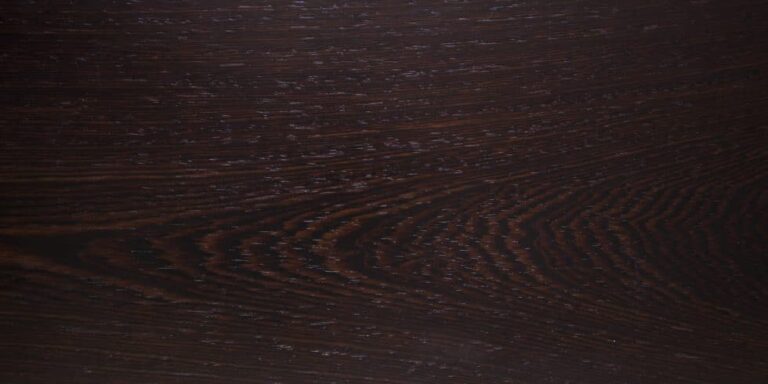
Wenge (Millettia laurentii) is a tough Central African hardwood whose deep chocolate color is so distinctive that “wenge” has become the name of a color used by paint and furniture makers.The dark brown base sometimes carries muted gold, orange, red or burgundy tints, with overlapping black lines across the surface. The grain is generally straight, sometimes wavy or irregular, and quartersawn boards show a striking, even stripe.It's strong, durable, rot- and insect-resistant and very stable, and it glues well, though its coarse texture can make it hard to work. It's often described as dull, but in our experience fine-grit sanding of flat-sawn boards can bring out a surprisingly deep, glossy luster. It's very splintery, and its splinters are sharp and can easily become infected, so wear gloves, remove any splinters promptly and use good dust collection.Its combination of moderate weight, strength and durability makes it well suited to high-traffic flooring, as well as furniture, cabinetry, paneling, handles, bows and walking sticks. See also Panga Panga, its close cousin.
bows, cabinetry, flooring, furniture, handles, paneling, specialty items, veneer, walking sticks
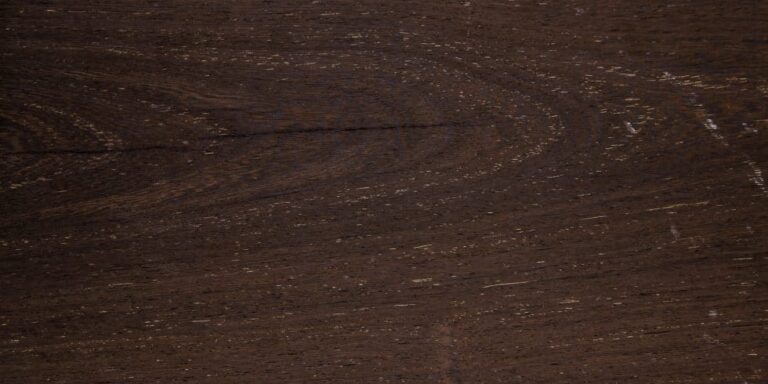
Panga Panga (Millettia stuhlmannii) is an East African hardwood from Mozambique and neighboring countries, and a close cousin of Wenge. The two share a large-pored, coarse texture and some of the same working challenges.It's usually a little lighter than Wenge, with heartwood from medium to dark brown and dark brown to black streaks. Darker boards are easily mistaken for Wenge and can turn almost black with age. Quartersawn boards show a striking, even striped look.It's hard, heavy, durable and stable, and it machines well with sharp tools, though the coarse grain benefits from a filler for a smooth finish. Like Wenge, it splinters easily, and the splinters can become inflamed, so wear gloves and take care when handling it.Panga Panga is better known internationally than in the US, and it's a popular, premium choice for parquet flooring in the UK and Europe. It's also used for fine furniture, paneling, stair treads, trim, turnings and veneer. It offers Wenge's dramatic look with a little more warmth.
fine furniture, flooring, paneling, specialty items, trim, turnings, veneer
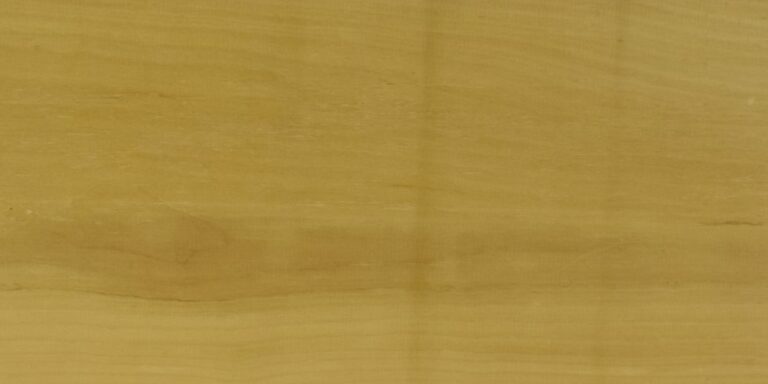
Pau Marfim (Balfourodendron riedelianum), also called Ivorywood or Guatambu, is a dense, fine-textured South American hardwood from Brazil, Argentina and Paraguay. “Marfim” means ivory in Portuguese, after its creamy white color.Its color can range from lemon to a pale yellowish-brown, with little contrast between heartwood and sapwood, though darker streaks sometimes appear. The grain is mostly straight with a very fine, even texture, and density can vary with growing conditions.It's extremely tough and very stable, and it turns excellently. It nails, screws and glues easily and polishes to a smooth, fine finish. It's harder to work than Maple or Birch, and it isn't decay-resistant, so finish it well for outdoor use.Pau Marfim looks a lot like Maple or Birch but is more wear-resistant, which makes it an excellent light-colored flooring. It's also used for tool handles, furniture, cabinetry, carving, turnings, guitar parts and even oars and canoes. For a similar pale wood, see Hard Maple.
cabinetry, canoes, carving, flooring, furniture, handles, oars, paneling, specialty items, turnings, veneer
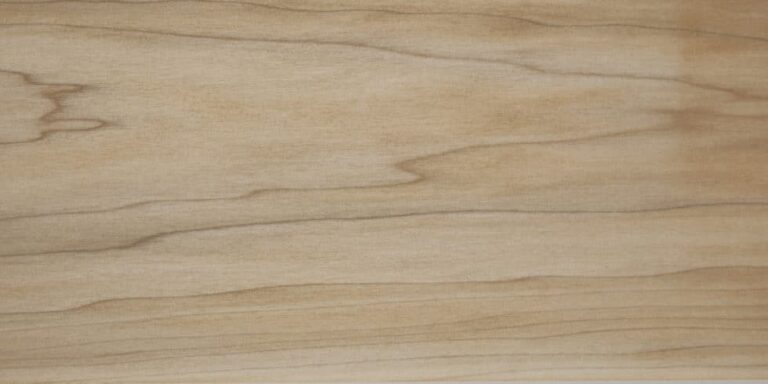
Yellow Poplar (Liriodendron tulipifera), also called Tulip Poplar or American Tulipwood, comes from the tallest hardwood tree in the eastern US, and it's one of the lightest hardwoods. Despite the name, it isn't a true poplar: its tulip-shaped flowers give it its other names.The heartwood is a light cream color, often with grey or green mineral streaks, and the sapwood is ivory to white. Especially colorful boards, with streaks running from red and purple to green and black, are known as Rainbow Poplar. The green tones darken to brown with light exposure.The grain is straight and uniform and the texture medium, so it's very easy to work, and it glues and finishes well when finely sanded. It takes paint better than almost any other hardwood, which makes it the go-to choice for painted work. It's moderately durable and very affordable.It's used for paneling, painted furniture, trim and moulding, drawer sides, crafts, carving, instruments and veneer, and it's a popular electric guitar body wood. For another light, easy-working hardwood, see Basswood.
crafting, lutherie, musical Instruments, paneling, utility lumber, veneer