Species

Already know what you're looking for?

Species Discovery Filters

Sipo lumber at Rare Woods USA
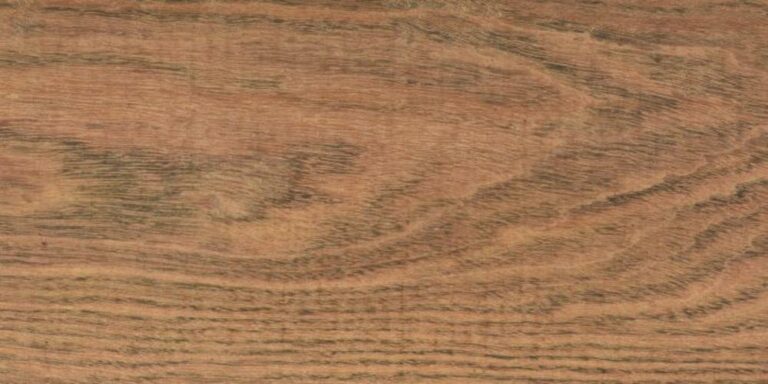
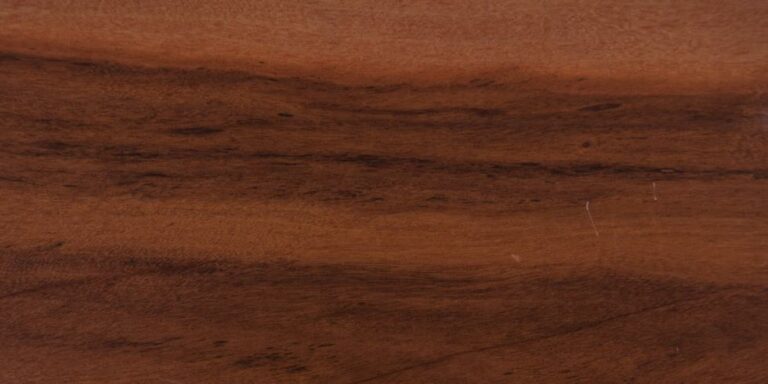
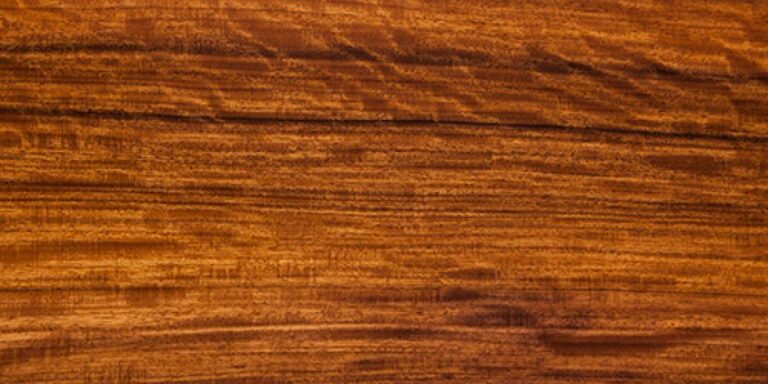
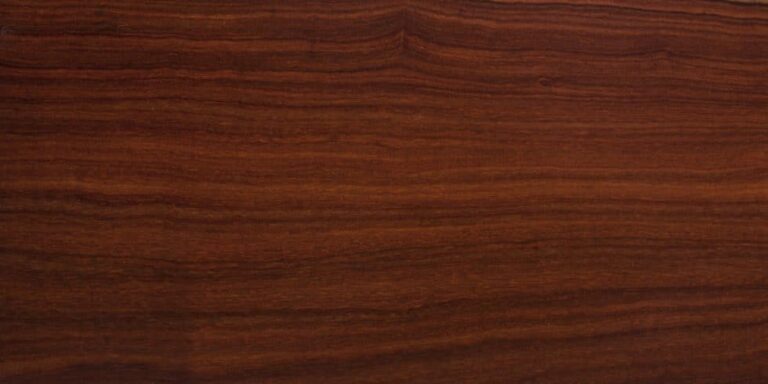
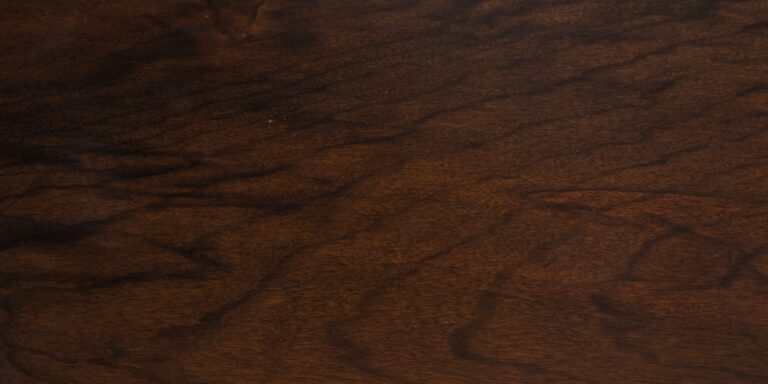
Sipo (Entandrophragma utile), also called Utile or Sipo Mahogany, is a West and Central African wood from the mahogany family. It's considered the closest in looks to Genuine Mahogany, though it isn't a true mahogany.The heartwood is a rich reddish-brown that deepens with age. Its interlocked grain gives quartersawn boards a striking light-and-dark striped look, which can be stunning in more chatoyant pieces. It's similar to its cousin Sapele, but a little more porous and richer in color, with a more even ribbon.It's easier to work than African Mahogany, with less tear-out, and its hardness falls between that and Genuine Mahogany. It glues and finishes well and is moderately durable. Like many such woods, it can stain when in contact with iron.Its modest price has made Sipo a highly regarded mahogany substitute for furniture, cabinetry, windows and doors, boatbuilding, guitar necks and bodies, carving, turnings and veneer.
boatbuilding, cabinetry, carving, furniture, turnings, veneer
Detail
Detail
Common Uses
Santos Rosewood lumber at Rare Woods USA
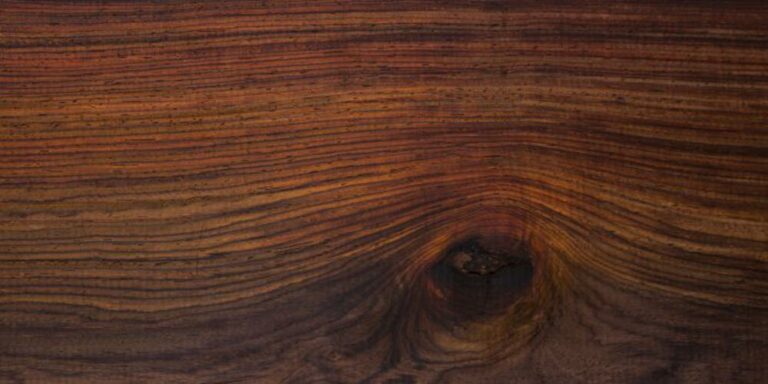
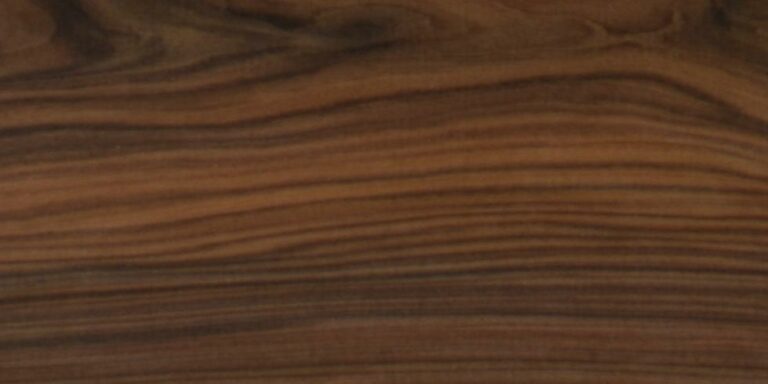
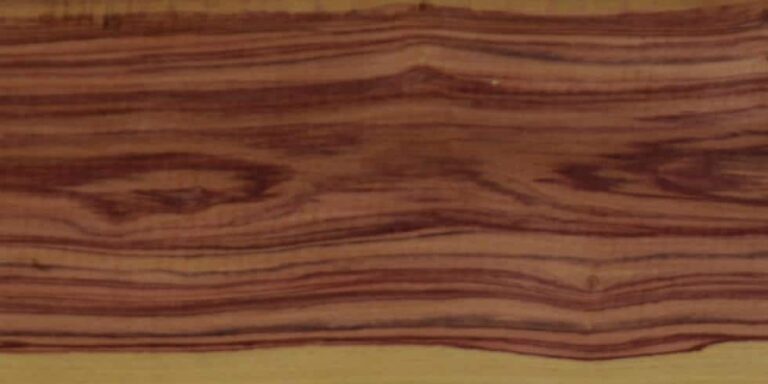
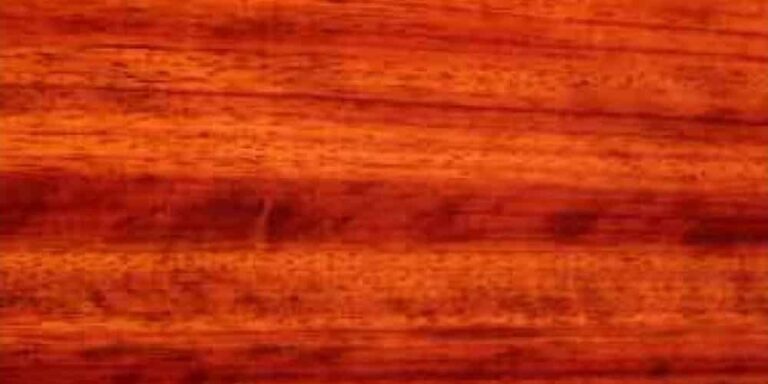
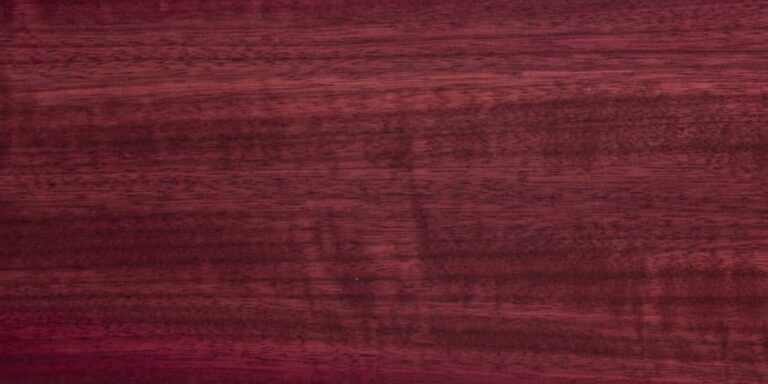
Santos Rosewood (Machaerium spp.) is more often called Pau Ferro, Bolivian Rosewood or Morado. It grows in Bolivia and Brazil, and it isn't a true rosewood, but its color and density are close, which earned it the name.It has a medium brown base with black streaks, sometimes with purple, tan and golden hues or an overall purplish tint. The grain is mostly straight with a fine to medium texture.Straight-grained boards are very easy to work, and it turns smoothly and finishes well. It's quite durable, though it can be attacked by insects, and its dust can irritate sensitive skin. A much denser wood, Brazilian Ironwood, is also sometimes sold as Pau Ferro, but most of what's available in the US is the lighter Bolivian type.Santos Rosewood is a popular Brazilian Rosewood substitute, especially for guitar fretboards, with a tight grain and a clear, focused tone that's a little brighter than rosewood. It's also used for furniture, cabinetry, flooring, knife handles, turnings and veneer.We separate Santos Rosewood from Morado, because we have two different sources of material that differ somewhat. The same genus, but this material is far more rustic than our Morado which is the quality, grain pattern and color you will likely be more familiar with.
cabinetry, flooring, furniture, specialty items, turnings, veneer
Detail
Detail
Common Uses
Sassafras lumber at Rare Woods USA
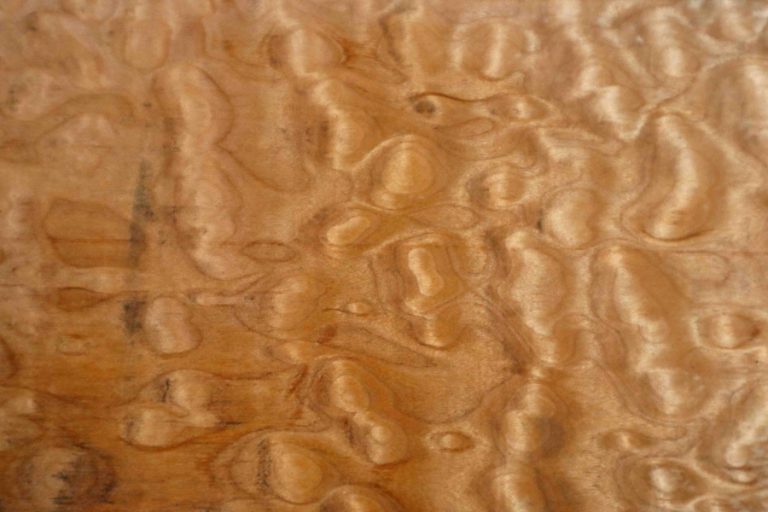
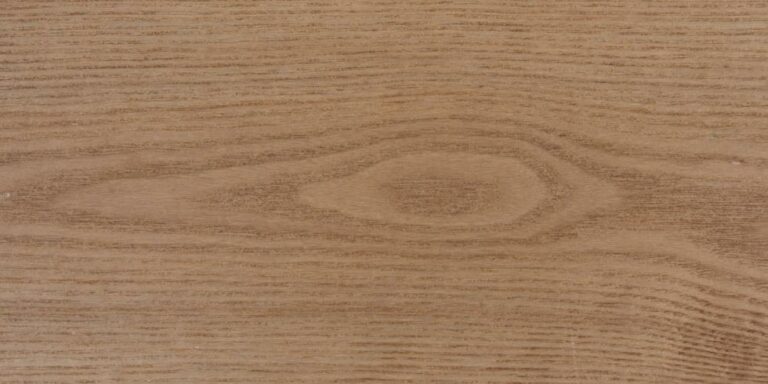
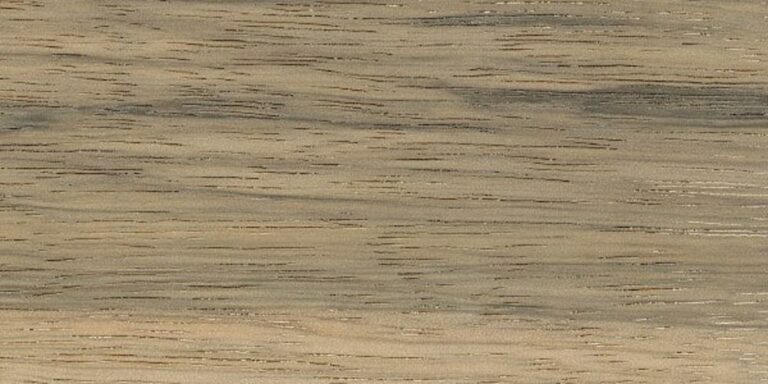
Sassafras (Sassafras albidum) is a native hardwood of the eastern United States known for its aroma. It's better known for the oil from its roots and bark, once used to flavor root beer, than for its lumber, so boards are hard to come by.Its straight grain, coarse texture and tan to light brown color make it easy to mistake for Ash, though it sometimes has pale orange to olive green tints. The color darkens to a warmer brown with age.It's fairly light, yet stable once dry, very durable and easy to work. Its pleasant, spicy scent is noticeable when you cut it. It glues and finishes well and takes a clear finish nicely, which warms its color.Sassafras was traditionally used for boat building, fence posts and buckets, thanks to its rot resistance. Today it's used for furniture, boatbuilding, turnings, boxes and general woodworking. The trees are small, so even craft-sized pieces aren't often offered. Because the dust can irritate, use dust extraction when sanding.
boatbuilding, furniture, turnings, utility lumber
Detail
Detail
Common Uses
Panga Panga lumber at Rare Woods USA
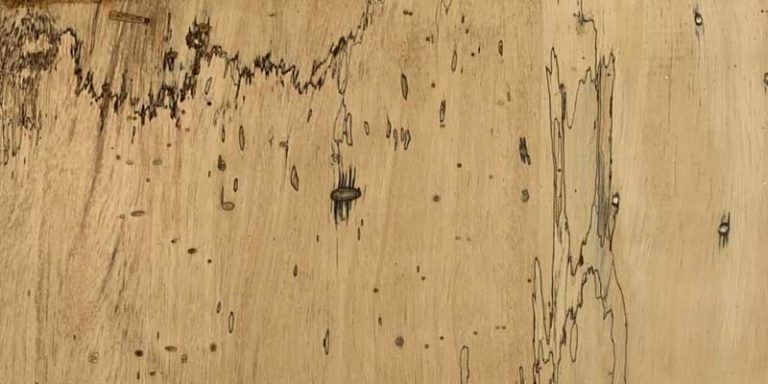
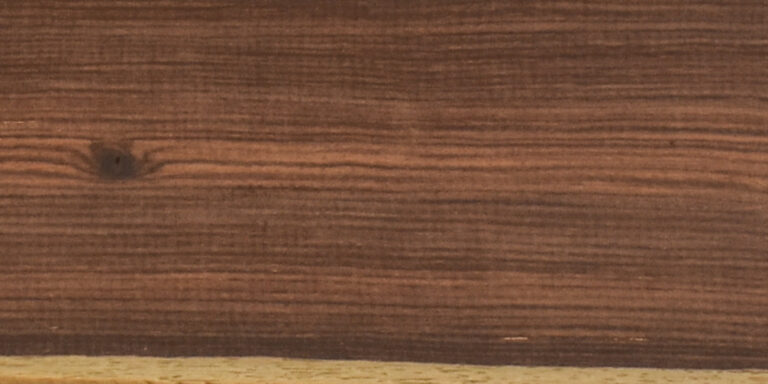
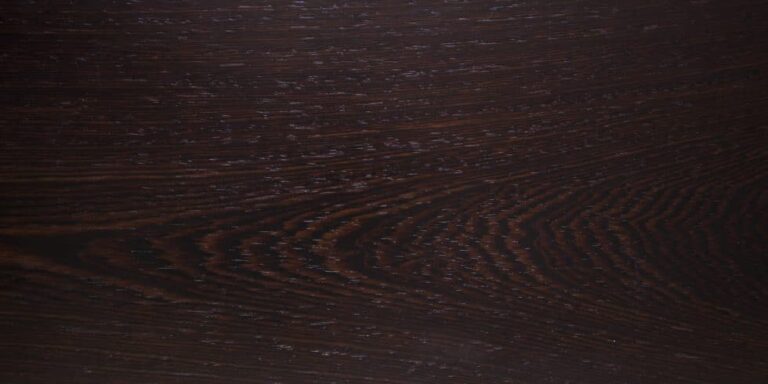
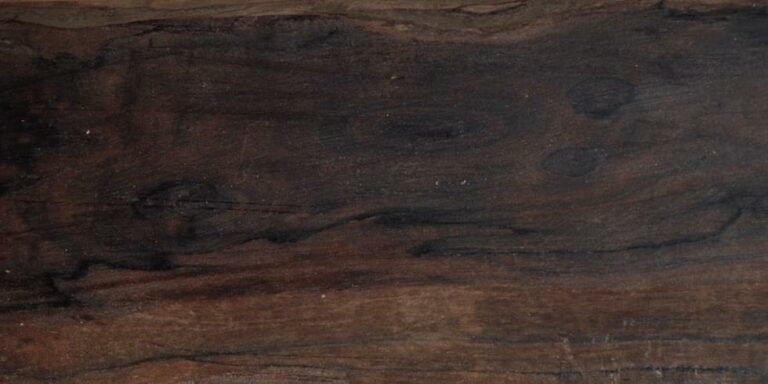
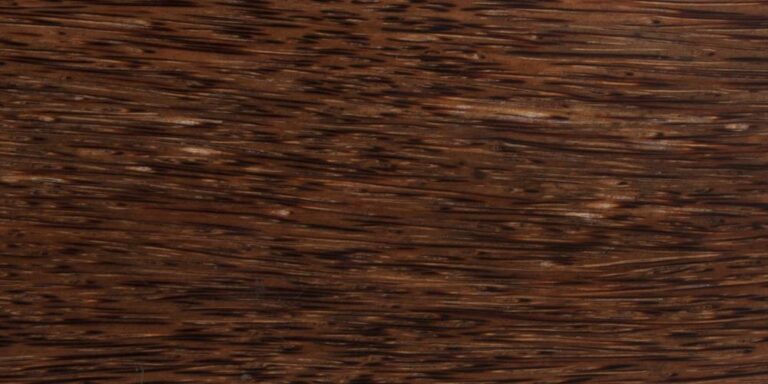
Panga Panga (Millettia stuhlmannii) is an East African hardwood from Mozambique and neighboring countries, and a close cousin of Wenge. The two share a large-pored, coarse texture and some of the same working challenges.It's usually a little lighter than Wenge, with heartwood from medium to dark brown and dark brown to black streaks. Darker boards are easily mistaken for Wenge and can turn almost black with age. Quartersawn boards show a striking, even striped look.It's hard, heavy, durable and stable, and it machines well with sharp tools, though the coarse grain benefits from a filler for a smooth finish. Like Wenge, it splinters easily, and the splinters can become inflamed, so wear gloves and take care when handling it.Panga Panga is better known internationally than in the US, and it's a popular, premium choice for parquet flooring in the UK and Europe. It's also used for fine furniture, paneling, stair treads, trim, turnings and veneer. It offers Wenge's dramatic look with a little more warmth.
fine furniture, flooring, paneling, specialty items, trim, turnings, veneer
Detail
Detail
Common Uses
Rosewood - African Lumber @ Rare Woods USA
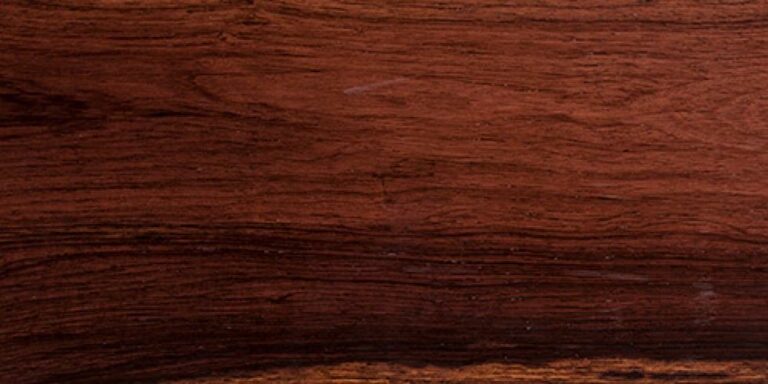
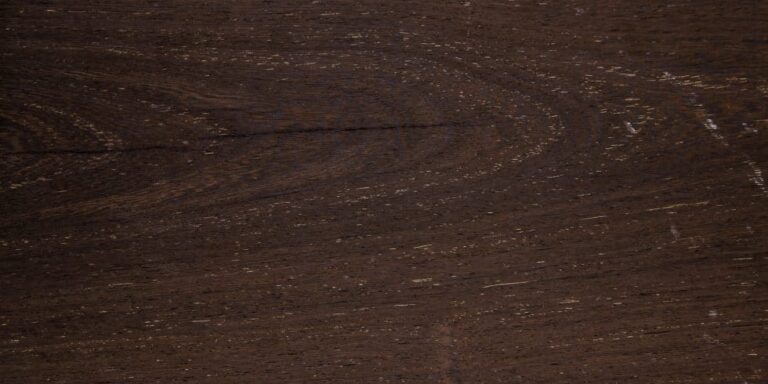
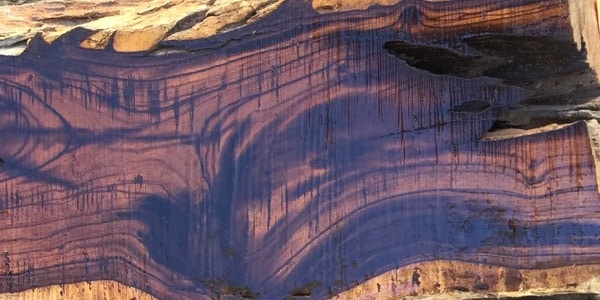
African Rosewood (Guibourtia coleosperma), also called False Mopane or Rhodesian Copalwood, grows in the dry woodlands of southern Africa. It's in the same genus as Bubinga, which is why Bubinga is often mistakenly called African Rosewood. It isn't a true rosewood, but it often has a similar look.The heartwood ranges from pink to reddish-brown with purple or red streaks. The grain is generally straight, sometimes interlocked, with a moderately fine texture and a good luster.It works well, though it can blunt tools, and it glues and finishes well. It needs slow, careful drying to avoid warping and cracking, but it's durable and stable once dry, which makes it suitable for outdoor as well as indoor use.The tree has many traditional uses in Africa: its seeds are eaten and pressed for oil, and its bark yields a red dye used to stain furniture. As lumber, it's used for flooring, furniture, decking, millwork, turnings and veneer.
boatbuilding, decking, flooring, furniture, millwork, specialty items, turnings, veneer
Detail
Detail
Common Uses
Marblewood lumber at Rare Woods USA
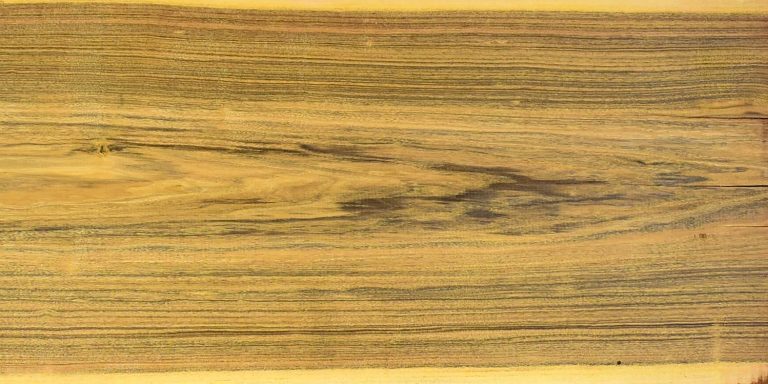
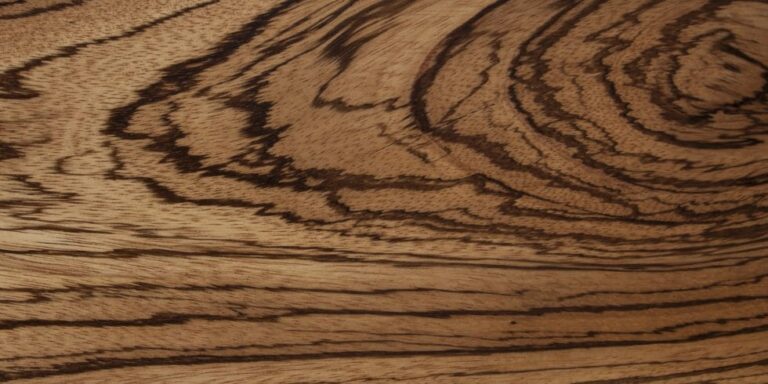
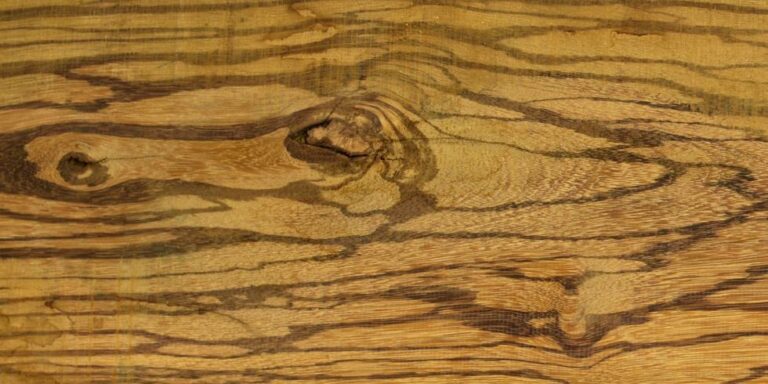
Marblewood (Zygia racemosa) is a South American hardwood that gets its name from its marble-like look: pale yellow wood streaked with dark brown, purple or black.Only the heartwood carries the striping, which is random and irregular, so no two pieces are alike. It looks a little like Zebrawood, but it's coarser and unrelated. Premium boards have bold, high-contrast stripes with few defects.It's heavy, dense and strong, which can make it hard to work, especially where the grain is interlocked, but it's very stable and can be sliced thin and hold its shape. It's also resinous, so thorough kiln-drying is essential if you plan to finish it. Small surface checks that won't sand out are common, so pick boards carefully. Sharp blades and a bit of patience deliver stunning results.Marblewood is popular with turners, and its strength and durability also suit flooring, furniture, cabinetry, carving, knife handles and veneer. For another striped wood, see Goncalo Alves.
cabinetry, carving, flooring, furniture, turnings, utility lumber, veneer
Detail
Detail
Common Uses
Kiaat Lumber @ Rare Woods USA

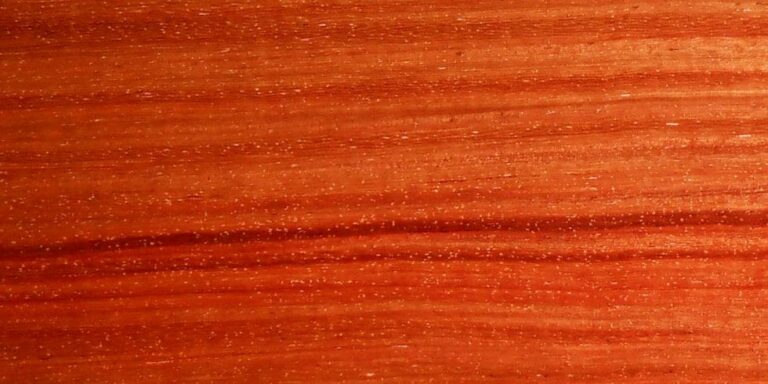
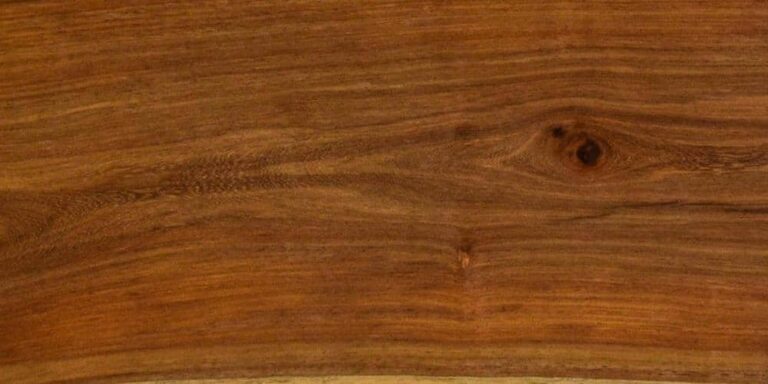
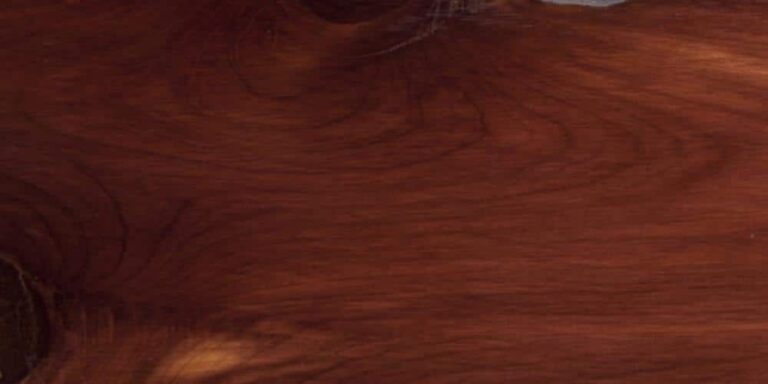
Kiaat (Pterocarpus angolensis), also called Mukwa, Muninga or Bloodwood in parts of Africa, is a close relative of African Padauk. It grows across the woodlands of southern and central Africa and has been used there for centuries.

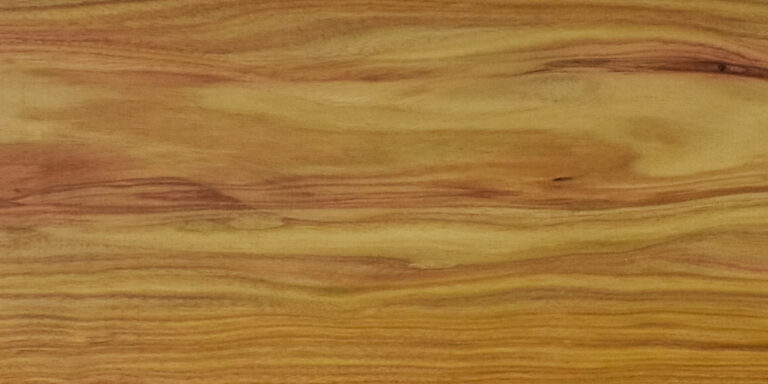
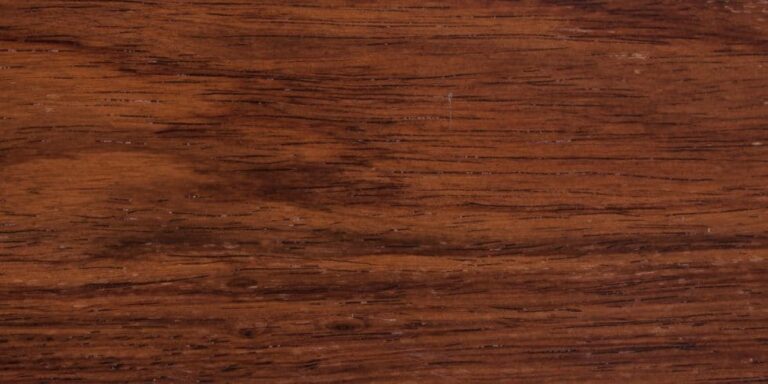
The heartwood ranges from light golden brown to medium brown with a reddish or purplish tint, often with attractive darker streaks. The grain can be straight, wavy or interlocked, and the texture fine to medium with a nice luster. When the tree is cut, it bleeds a red sap, which gave rise to some of its local names.

It's lighter than Padauk but strong for its weight, very stable with extremely low shrinkage, and resistant to insects and termites. It works easily, and it turns, glues and finishes well, making it a pleasure in the workshop.

The trees are fairly small, so large boards are rare and it's seldom seen in the US. In southern Africa, Kiaat is a favorite for fine furniture and was traditionally used for dugout canoes and paddles. It's a versatile wood for furniture, boatbuilding, turnings, carving, veneer and specialty pieces.
boatbuilding, furniture, specialty items, turnings, veneer
Detail
Detail
Common Uses