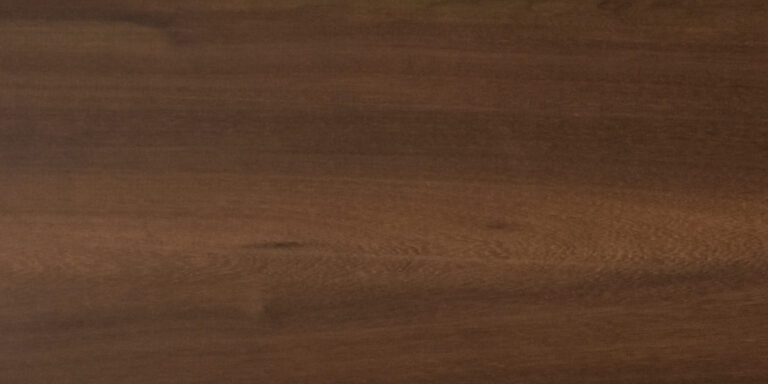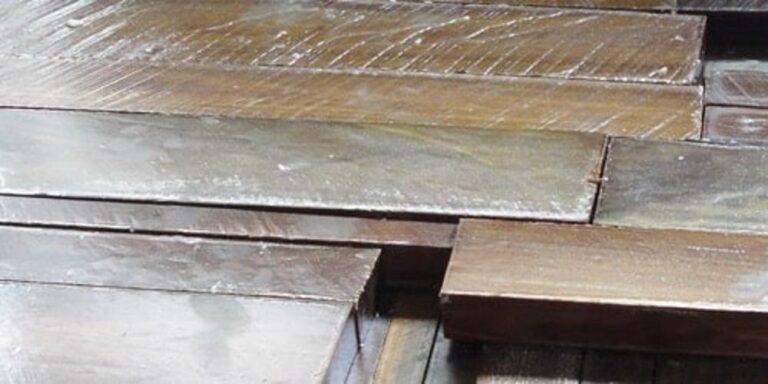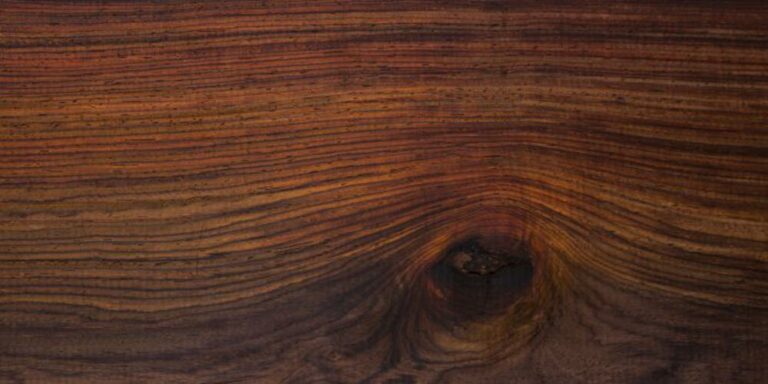
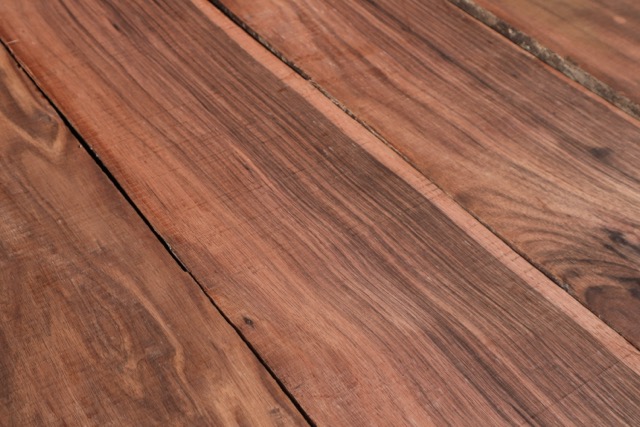
Malaysian Blackwood (Diospyros ebonasea), also called Malaysian Ebony, is a true ebony from Southeast Asia.It's prized for its dense, dark heartwood, which ranges from deep brown to black. Many boards show striking spiderweb-like patterns, so each piece is unique.Like other ebonies it's hard and dense, so use sharp tools and take your time. The reward is a smooth surface that polishes to a fine, lustrous finish and holds crisp detail.Malaysian Blackwood is used for musical instruments, fine furniture, boxes, turnings and other luxury pieces where its color and figure can stand out. If you like its look, take a look at Ziricote and Amara Ebony too.
boxmaking, cabinetry, crafting, fine furniture, lutherie, musical Instruments, specialty items, turnings
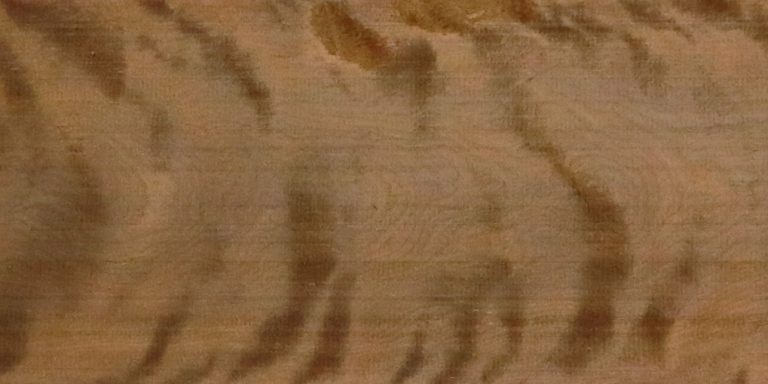
Roasted Flame Birch is flamed Yellow Birch (Betula alleghaniensis) that has been thermally modified. The wood is heated gradually to over 160°C in oxygen-free chambers, a natural, chemical-free process that changes the wood's structure and darkens it to a rich chocolate brown while keeping the flamed figure.Roasting makes the wood more dimensionally stable, but also a little more brittle, so it chips more easily than unmodified birch. That makes it a better fit for floors, tabletops, panels and cladding than for intricate joinery.Thermally modified wood is very dry and soaks up finish, so plan on a generous coat. Our in-house woodworker has had excellent results with Osmo Polyx-Oil.It's also available in wholesale quantities. See also unroasted Flame Birch.
flooring, interior panelling
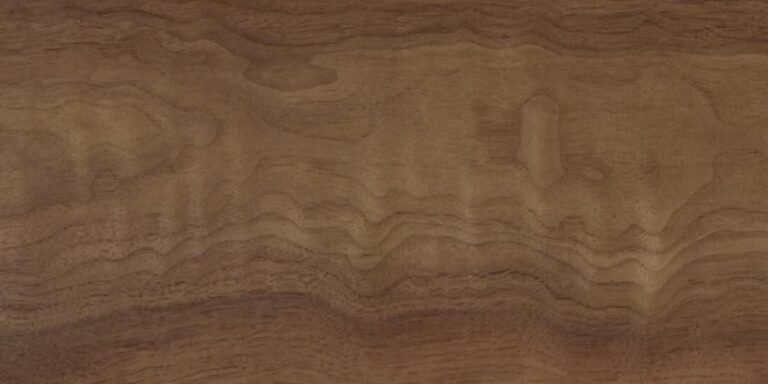
Figured Black Walnut (Juglans nigra) is American Black Walnut with striking figure across the grain, such as curl, crotch or wavy figure. It's the walnut that makers save for their best work.Black Walnut is prized for its deep chocolate color, often with red or purple streaks, a fine texture and a warm luster. Figure adds shimmer and depth that a plain board can't match, and the effect shifts as you move around the piece.It's strong for its weight, stable, shock-resistant and durable, and it's a pleasure to work. Take light passes on figured areas to avoid tear-out, or use a scraper or card scraper for the final surface. An oil finish really brings the figure to life, and a clear topcoat over oil keeps that depth while adding protection.Figured boards are the most sought-after walnut, and the best pieces are limited in supply. They're ideal for showpiece furniture, tabletops, gun stocks, boxes, guitar backs, turnings and veneer. See also plain American Black Walnut and English Walnut.
cabinetry, furniture, gun stocks, interior panelling, specialty items, turnings, veneer
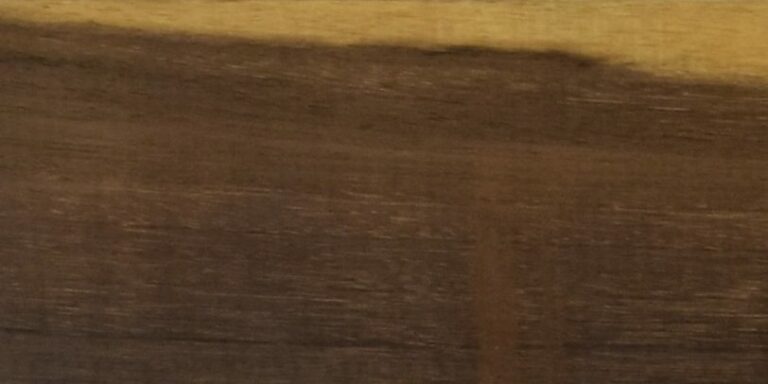
Brown Ebony (Libidibia paraguariensis), also called Brazilian Ebony or Guayacan, is a South American hardwood. It isn't a true ebony, but it shares the ebonies' density and hardness, which is where the name comes from.The heartwood is a deep chocolate to dark brown, sometimes with darker streaks and a subtle olive or reddish tint. It's a little odd to call a brown wood “ebony,” but once you feel its weight, the comparison makes sense. The texture is fine and even, with a good natural luster.It's very dense and hard to work, so sharp tools and patience are needed, and it can dull blades quickly. The effort pays off in a smooth, glassy finish with a rich, deep color, and it turns exceptionally well.Brown Ebony is popular for turning, musical instrument parts, inlay, carving, knife handles and decorative pieces. It isn't often available, so it's a nice one to add to your collection. For true ebonies, see Gabon Ebony and Macassar Ebony.
carving, furniture, inlay, turnings
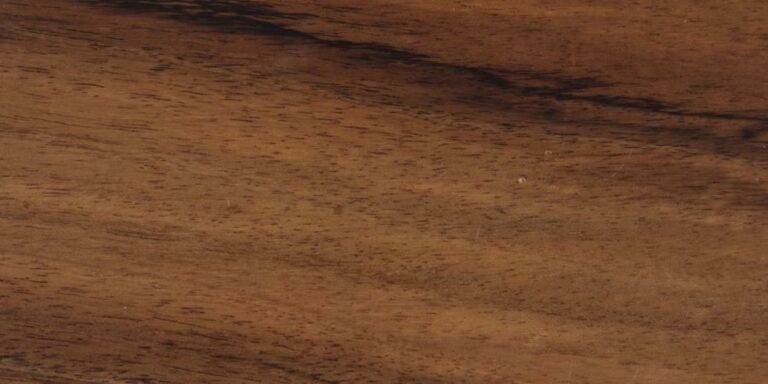
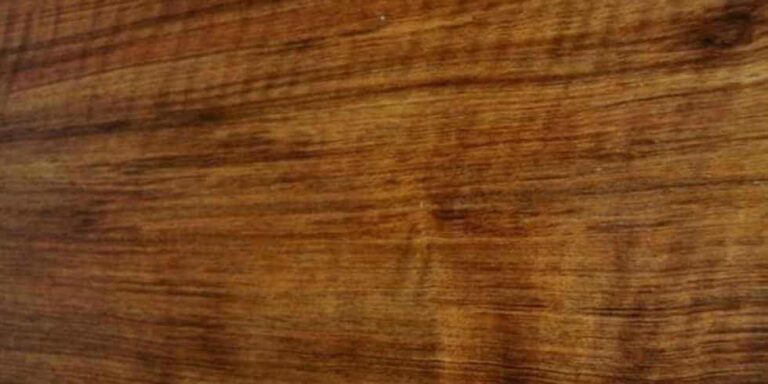
Tamboti (Spirostachys africana), also called African Sandalwood, is a beautiful southern African hardwood with a pleasant, sandalwood-like scent that lingers in finished pieces.The heartwood is brown to dark brown with darker markings and streaks, clearly set apart from the whitish to pale yellow sapwood. The grain is straight to slightly wavy and the texture fine and even, with a lovely banded figure and a satin luster that feels slightly oily to the touch.It's hard, heavy, very stable and exceptionally resistant to rot and insects. Its natural oils and latex tend to gum up saw blades, so clean blades often, but it turns, carves and finishes beautifully. The tree's sap is toxic and the sawdust can irritate eyes and skin, so wear eye protection and a mask, and never burn offcuts, as the smoke is harmful.Tamboti has long been a favorite of carvers and furniture makers in its home range. It's used for carving, turnings, furniture, cabinetry, flooring and specialty pieces such as boxes, pens and knife handles. See also Kiaat.
boatbuilding, cabinetry, carving, construction, flooring, furniture, specialty items, turnings
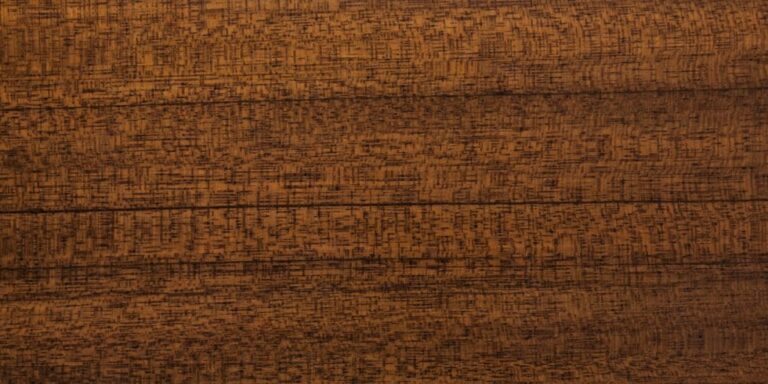
African Walnut (Lovoa trichilioides), also called Dibetou or Congowood, grows in the tropical forests of West and Central Africa. It isn't a true walnut but a member of the mahogany family, though it shares many of walnut's qualities.The heartwood ranges from golden brown to reddish-brown, often with darker streaks, and it deepens to richer brown tones with age. The narrow sapwood is grey to beige. Quartersawn boards can show a ribbon stripe much like Sapele, and figured pieces turn up fairly often.The grain is straight or slightly interlocked, with a fine to medium, consistent texture and a fine natural luster. It works, turns, glues and finishes well, though sharp tools help avoid tear-out on interlocked boards. It's lighter in weight than American walnut, reasonably stable and moderately durable.African Walnut makes a handsome, more affordable alternative to true walnut for many projects. It's used for furniture, cabinetry, paneling, flooring, gun stocks, carving, boatbuilding and veneer. See also American Black Walnut.
boatbuilding, cabinetry, carving, flooring, furniture, gun stocks, joinery, paneling, specialty items, turnings, veneer
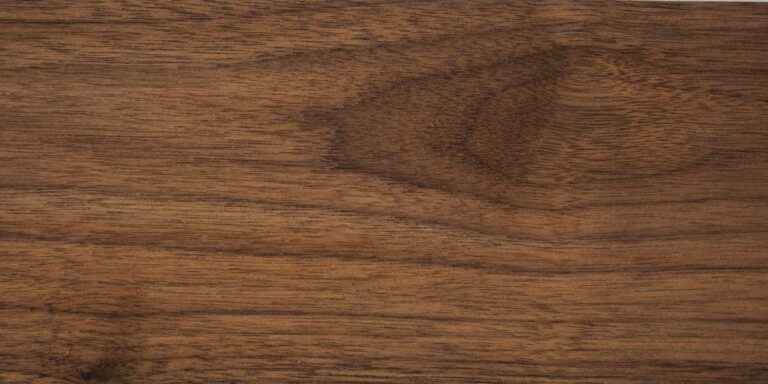
American Black Walnut (Juglans nigra) is one of America's most popular and prized hardwoods, and it's been a favorite of fine furniture makers for centuries. The trees are valued as much for their nuts as for their lumber.It's known for its deep chocolate color, often with red or purple streaks, along with straight to irregular grain, a fine texture and a warm luster. The sapwood is pale cream, and steamed lumber evens out the color, while air-dried boards keep a richer mix of tones.It's strong for its weight, stable once dry, shock-resistant and durable, and its moderate density makes it a pleasure to work. It planes, carves, turns and glues easily and takes an oil finish beautifully, which is why it's long been the top choice for gun stocks.Walnut grows mainly near rivers and streams in the eastern and central US and into southern Ontario. Supply is steady but demand is always strong, making it a premium domestic hardwood. It's used for furniture, cabinetry, gun stocks, paneling, turnings and veneer. For figured stock, see Figured Black Walnut.
cabinetry, furniture, gun stocks, interior panelling, specialty items, turnings, veneer
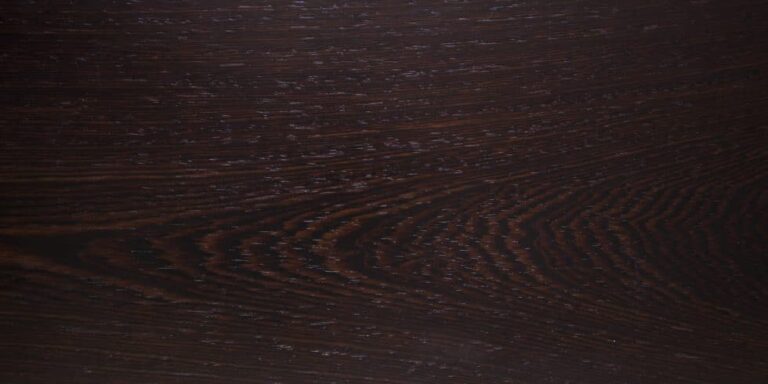
Wenge (Millettia laurentii) is a tough Central African hardwood whose deep chocolate color is so distinctive that “wenge” has become the name of a color used by paint and furniture makers.The dark brown base sometimes carries muted gold, orange, red or burgundy tints, with overlapping black lines across the surface. The grain is generally straight, sometimes wavy or irregular, and quartersawn boards show a striking, even stripe.It's strong, durable, rot- and insect-resistant and very stable, and it glues well, though its coarse texture can make it hard to work. It's often described as dull, but in our experience fine-grit sanding of flat-sawn boards can bring out a surprisingly deep, glossy luster. It's very splintery, and its splinters are sharp and can easily become infected, so wear gloves, remove any splinters promptly and use good dust collection.Its combination of moderate weight, strength and durability makes it well suited to high-traffic flooring, as well as furniture, cabinetry, paneling, handles, bows and walking sticks. See also Panga Panga, its close cousin.
bows, cabinetry, flooring, furniture, handles, paneling, specialty items, veneer, walking sticks
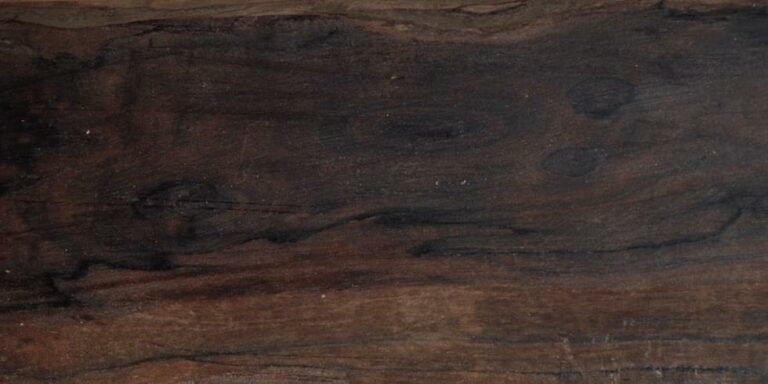
Ziricote (Cordia dodecandra) is one of the most striking exotic woods in the world, famous for its “landscape” or “spiderweb” grain. It grows in southern Mexico and parts of Central America.The color ranges from medium to dark brown, sometimes with a green or purple tint, with irregular black growth rings weaving through it. The sapwood is a dull off-white to pale yellow, and boards with sapwood left on can make for dramatic contrast.Although fairly dense, its mostly straight grain and fine texture make it cooperative to work. It cuts, turns, glues and finishes smoothly. It can be prone to end checking and surface cracks as it dries, so seal ends and store it carefully.Ziricote is a close relative of Bocote, and its dramatic figure has given it something of an elite status among exotic wood enthusiasts. It's prized by guitar makers as a visually stunning tonewood, with a bright, rosewood-like voice. Supply is limited and prices are high. It's also used for fine furniture, cabinetry, gun stocks, turnings, boxes and veneer.
cabinetry, flooring, furniture, gun stocks, joinery, lutherie, musical Instruments, specialty items, trim, turnings, veneer
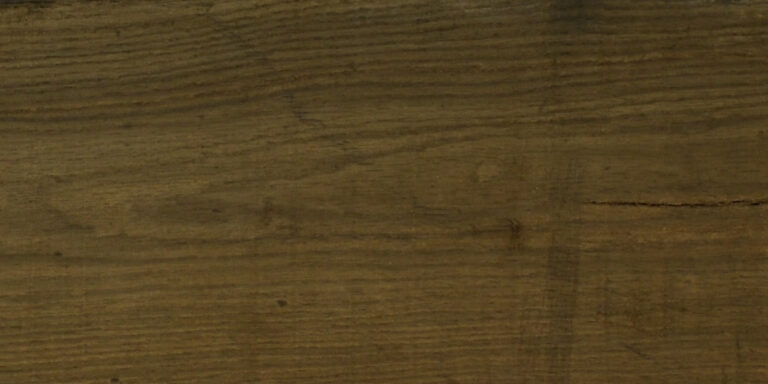
Bog Oak is English Oak (Quercus robur) that has been preserved for centuries, often thousands of years, in a peat bog. Ancient trees fell into the wet ground and were sealed away from the air, then recovered when bogs are drained or dug.Starved of oxygen, the wood doesn't rot. Instead, minerals in the acidic peat react with the tannins in the oak and slowly turn it dark brown to almost black. Some pieces have been radiocarbon-dated to several thousand years old, and every piece has its own history and character.It works much like other oak once dry, though it can be more brittle, so take light passes and handle it with care. Drying must be slow and careful, which is part of why it's so rare. It finishes to a deep, rich luster that no stain can match.Bog Oak is a rare, special wood for boxes, knife handles, jewelry, inlay, pens and small furniture pieces, and it makes a remarkable talking point. See also Slavonian Oak, the same species in its fresh form.
boxmaking, furniture, knife handles
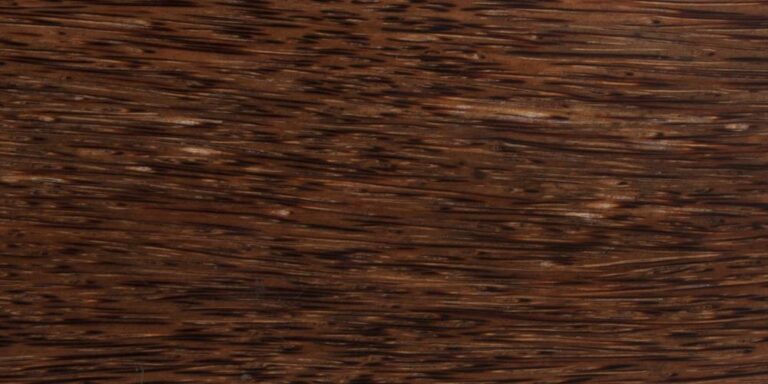
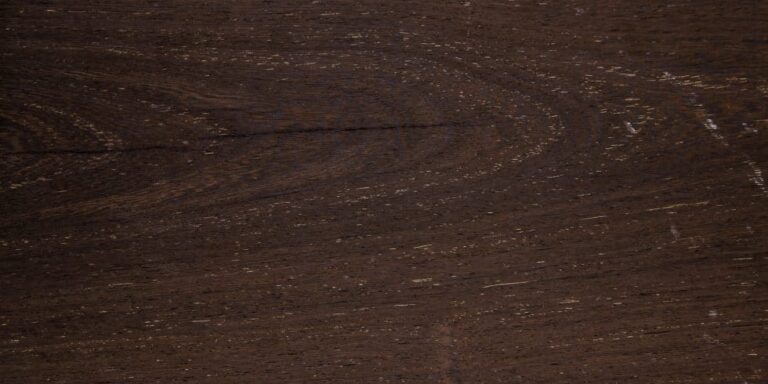
Panga Panga (Millettia stuhlmannii) is an East African hardwood from Mozambique and neighboring countries, and a close cousin of Wenge. The two share a large-pored, coarse texture and some of the same working challenges.It's usually a little lighter than Wenge, with heartwood from medium to dark brown and dark brown to black streaks. Darker boards are easily mistaken for Wenge and can turn almost black with age. Quartersawn boards show a striking, even striped look.It's hard, heavy, durable and stable, and it machines well with sharp tools, though the coarse grain benefits from a filler for a smooth finish. Like Wenge, it splinters easily, and the splinters can become inflamed, so wear gloves and take care when handling it.Panga Panga is better known internationally than in the US, and it's a popular, premium choice for parquet flooring in the UK and Europe. It's also used for fine furniture, paneling, stair treads, trim, turnings and veneer. It offers Wenge's dramatic look with a little more warmth.
fine furniture, flooring, paneling, specialty items, trim, turnings, veneer
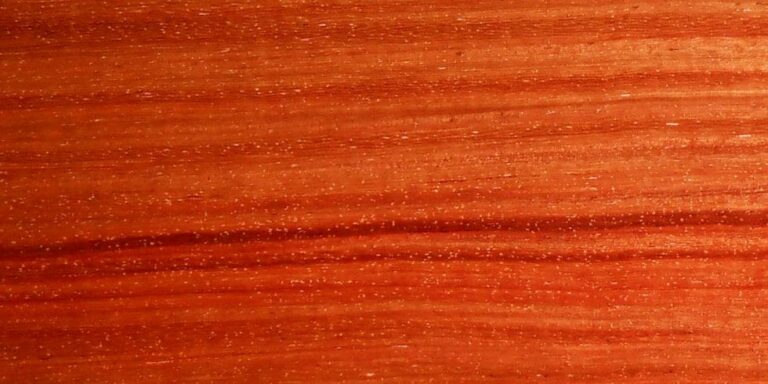
Pau Rosa (Bobgunnia sp.) is a beautiful, dense tropical African hardwood that's rarely found outside Africa. It was formerly classified in the Swartzia genus.Depending on where it grew, the color ranges from medium chocolate brown to an almost Padauk-like red or orange, sometimes mixed with yellows and purples, and it darkens with age. The grain is typically wavy or interlocked and the texture moderately coarse, with a nice luster.Despite its density, it's fairly easy to work: it needs sharp blades but planes well, and it turns, glues and finishes well. It dries slowly and tends to crack while drying, and the trees are short, so long boards are uncommon. Once dry, it's very durable and stable.Pau Rosa has excellent tonal properties and is under-appreciated in the US, largely because supply is so limited. It's used for turnings, carving, furniture, guitar backs and sides, and veneer. See also Pau Ferro.
carpentry, carving, furniture, specialty items, turnings, veneer
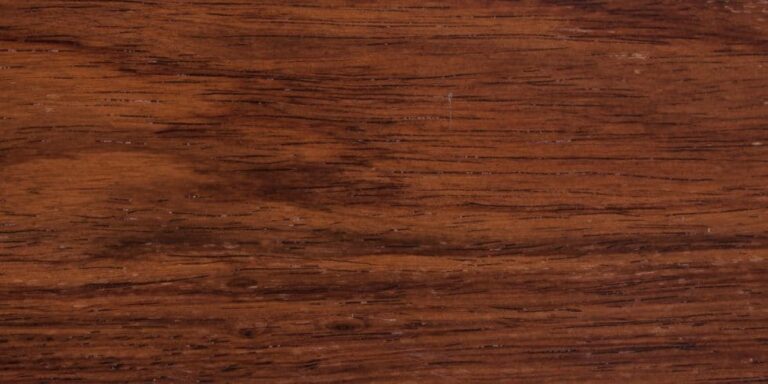
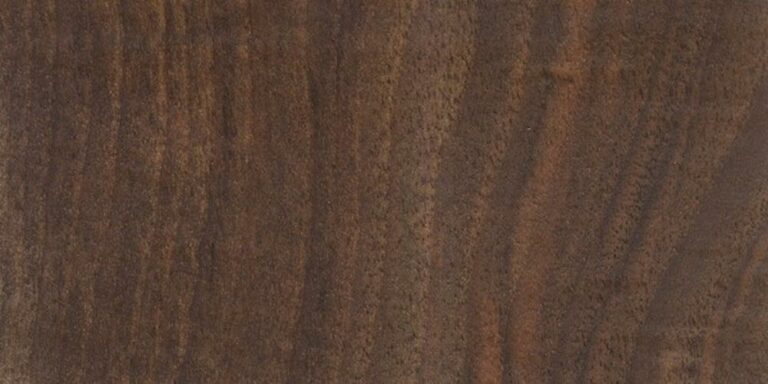
Nogal (Juglans spp.), also known as Peruvian Walnut or Tropical Walnut, is a true walnut that grows in the Andean regions of Central and South America.It's typically darker than American Black Walnut, a deep chocolate brown, often with black lines and occasionally a purple tint. Like Black Walnut, it's usually straight-grained with a medium to coarse texture and good luster, though figure is less common.It's very easy to work, stain, glue and finish, though irregular grain can tear out when planed. It's slow to dry, so it's usually cut into 4/4 boards and carefully air-dried before kilning. It's moderately durable but best kept indoors, as it can attract insects.Nogal has a density and working properties very similar to Black Walnut, making it a great alternative when you want an even darker tone. It's used for furniture, cabinetry, flooring, interior paneling, gun stocks and veneer.
cabinetry, flooring, furniture, veneer
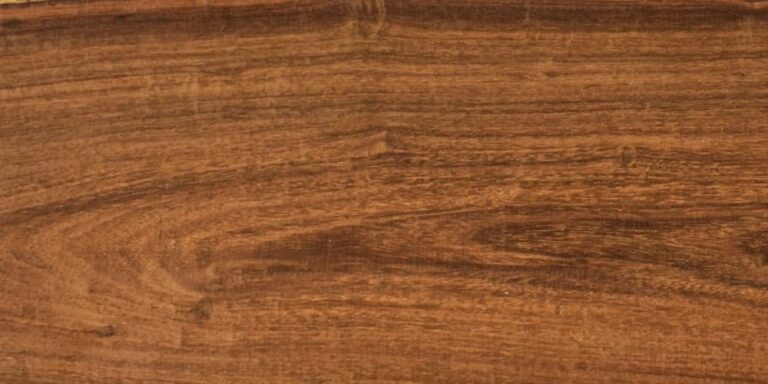
Granadillo (Platymiscium spp.), also known as Hormigo or Macacauba, is known throughout Central America as “the wood that sings.” It's been a popular rosewood alternative with guitar builders ever since Brazilian Rosewood was placed under the strictest CITES protection in 1992.It's slightly less dense than a typical rosewood and much less oily. The base is brown, highlighted with muted purples, reds, oranges and golds, and the color deepens toward a richer reddish-brown with age. The grain is mostly straight, sometimes interlocked, with a medium texture.It works and finishes very well, with a natural luster, and strong chatoyance often appears after finish sanding. Because it's less oily than true rosewoods, it glues more easily, which makes it a practical choice for instrument building.Granadillo is a beautiful, slightly more affordable rosewood substitute with more than 50 years of use as a tonewood, especially for guitar backs, sides and fretboards, and for marimba bars. It's also popular for furniture, handles, inlay and turnings. See also its relative, Red Canarywood.
furniture, handles, inlay, musical Instruments, specialty items, turnings
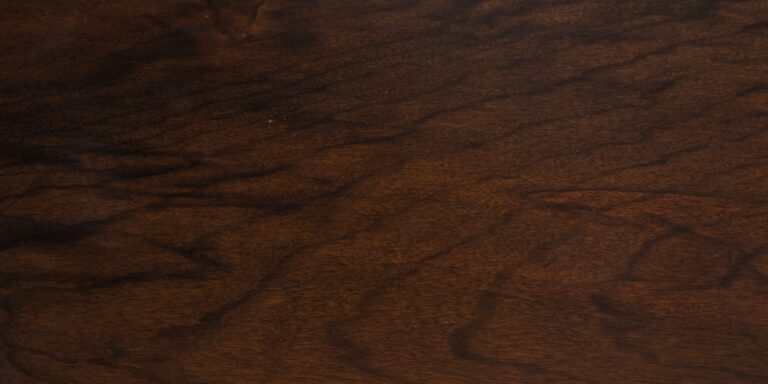
Imbuia (Ocotea porosa) is a Brazilian hardwood often called Brazilian Walnut, though apart from its brown color it doesn't look much like true walnut. It grows in the cool highland forests of southern Brazil.The heartwood ranges from olive to chocolate brown, sometimes with yellowish or reddish streaks, and its grain is wild and unpredictable. Premium boards show figure that adds to its “delightfully irregular” character. Lighter sapwood can create a striking contrast with the pale to medium golden-brown heartwood. Freshly cut, it has a pleasant, spicy scent.It works well with hand and machine tools, turns nicely and finishes to a soft luster. Density varies with growing conditions, and some boards are noticeably heavier than walnut. Mature trees grow large, so big boards are possible when the wood can be sourced.Imbuia has never been widely available in the US, and supply has become scarcer, but it's a truly distinctive wood for fine furniture, cabinetry, gun stocks, turnings and veneer. If you like the look of walnut, see also Nogal.
boatbuilding, cabinetry, flooring, furniture, gun stocks, turnings, veneer
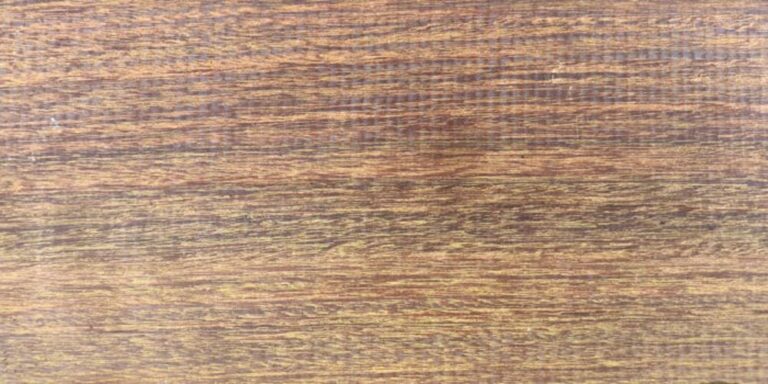
Ipe (Handroanthus spp.) is known across Central and South America as an extremely dense, durable wood. It covers several species, so its color and grain vary quite a bit. In flooring it's sometimes sold as “Brazilian Walnut,” though it isn't related to walnut.It can be a deep chocolate brown with a reddish tint, or more olive-toned with hints of yellow, orange or red, often with darker striping and occasional mottled figure. Left outdoors unfinished, it weathers to a silver grey.The grain can be straight, irregular or interlocked, and the texture fine to medium with good luster. It's famously hard on saw blades, so carbide tooling is a must, and you should pre-drill for fasteners. Straight-grained pieces plane and turn well, but always use your sharpest tools, and note that some boards contain a powdery yellow deposit called lapachol. Wear a dust mask, as the dust can irritate.Ipe is virtually impossible to wear out and resists insects, rot and fire, which makes it a favorite for decking, boardwalks and flooring. It's also used for outdoor furniture, handles, turnings and veneer. For a similar alternative, see Cumaru.
construction, decking, flooring, handles, turnings, veneer