
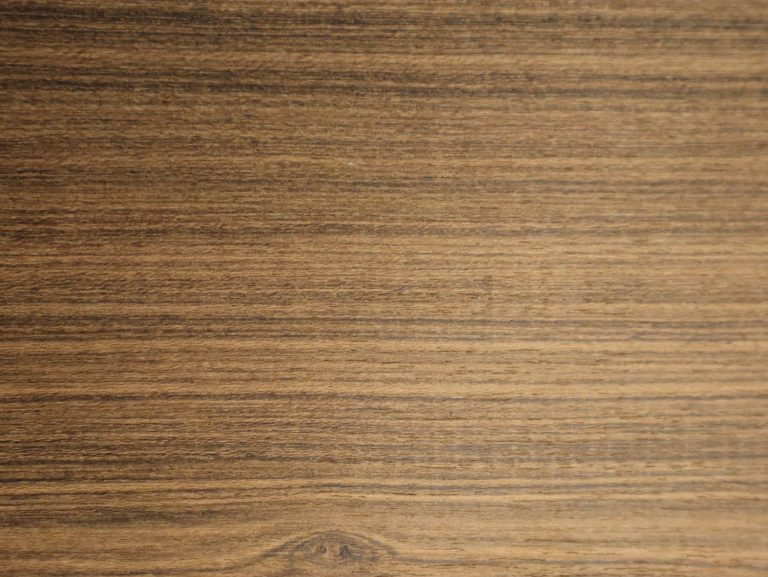
Picana Negra (Cordia alliodora), also called Bolivian Bocote, Laurel Negro or Salmwood, is a South American hardwood from the same genus as Bocote. The species grows widely from Mexico to Argentina.It has dark brown tones with black streaks and a fine texture, and some boards show grain every bit as striking as Bocote's. The color can vary from golden brown to darker chocolate depending on where the tree grew, and it darkens a little with age.It's prized by craftsmen for its workability and smooth finish, and it's a medium-weight wood that's comfortable to handle. It cuts cleanly, sands well and takes an oil or clear finish beautifully, which brings out the contrast in its streaks. It's also fairly stable and moderately durable.Picana Negra offers great grain at a fair price. It's well suited to boxes, cabinetry, fine furniture, handles, guitar backs and sides, and other musical instruments. See also its relatives Louro Preto and Ziricote.
boxmaking, cabinetry, fine furniture, handles
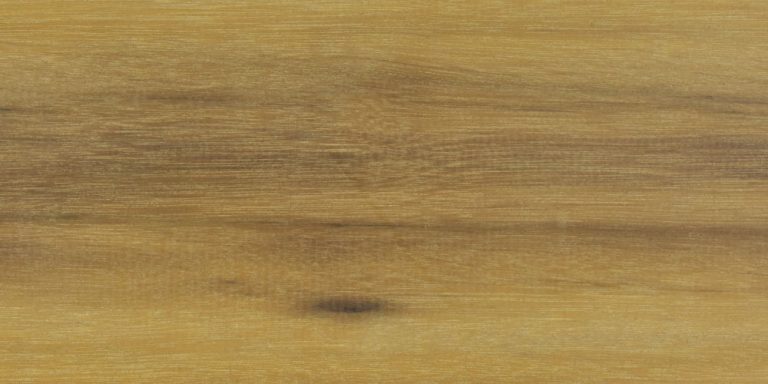
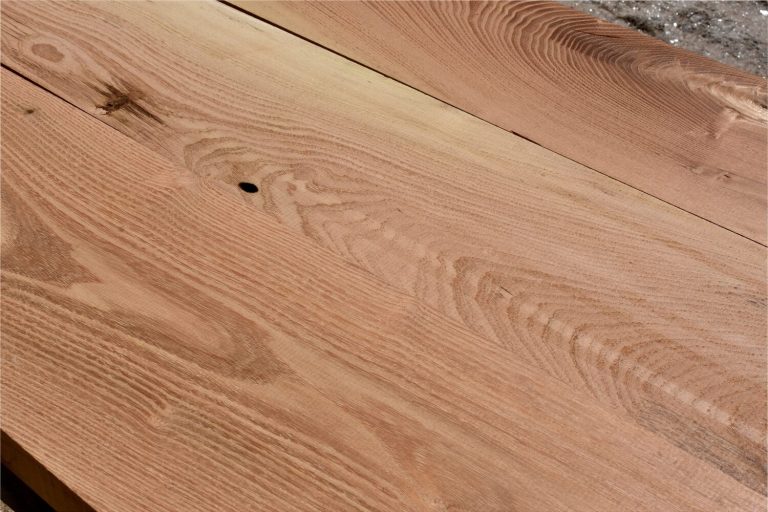
Black Locust (Robinia pseudoacacia) is a hard, strong hardwood native to the central and eastern United States, and one of the most durable woods in North America.The heartwood is greenish-yellow to golden brown when fresh, mellowing to a medium brown with age, and the sapwood is a narrow pale band. The grain is usually fairly straight with a medium texture. It's durable, rot-resistant and fairly stable, which makes it one of the best native woods for outdoor use.Its hardness makes it a little more work to machine, so keep tools sharp and pre-drill for fasteners. It finishes well and weathers to an attractive silver grey if left outdoors.Black Locust fence posts are famous for lasting decades in the ground, and the wood has a long history in shipbuilding, where it was used for wooden pegs called trunnels. It's a great choice for fencing, outdoor furniture, decking, flooring, raised garden beds and handles. We stock it in 4/4 and 8/4, and quality varies, so choose your pieces carefully. For another durable outdoor wood, see Osage Orange.
fencing, flooring, furniture, handles
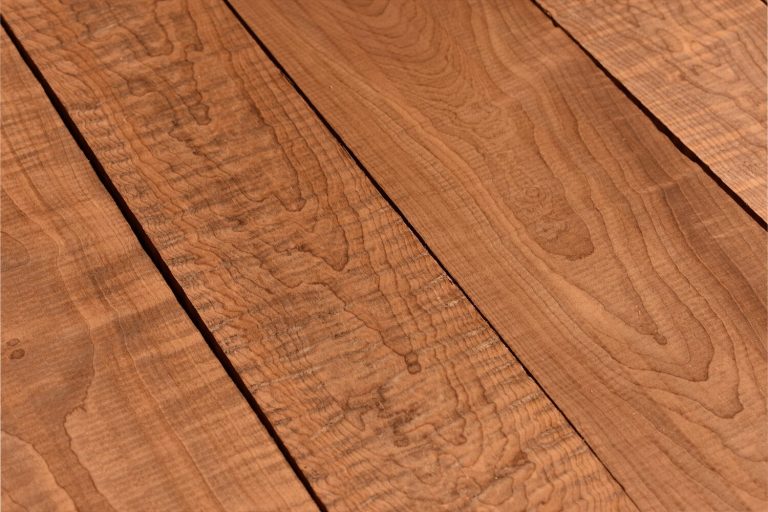
Roasted Curly Soft Maple is Curly Soft Maple that has been thermally modified. The wood is heated gradually to over 160°C in oxygen-free chambers, a natural, chemical-free process that darkens it to a rich caramel or chocolate brown while keeping the curl.The heat changes the wood's cell structure, so it absorbs less moisture. That makes it more dimensionally stable, which guitar makers value for necks. It also becomes a little more brittle, so it chips more easily than unmodified maple, and it's best for tops, panels, flooring and instrument parts rather than intricate joinery. Expect a pleasant, toasty smell when you cut it.The very dry wood soaks up finish, so plan on a generous coat. Our in-house woodworker has had excellent results with Osmo Polyx-Oil, and he suggests a thicker finish works best. Use sharp tools and light passes to avoid chipping in the figure.It's popular with guitar makers for necks and bodies, and for fine furniture, paneling and specialty pieces, where it offers the look of a dark exotic with the reliability of maple. See also Roasted Birdseye Maple.
fine furniture, flooring, interior panelling, lutherie, musical Instruments, specialty items
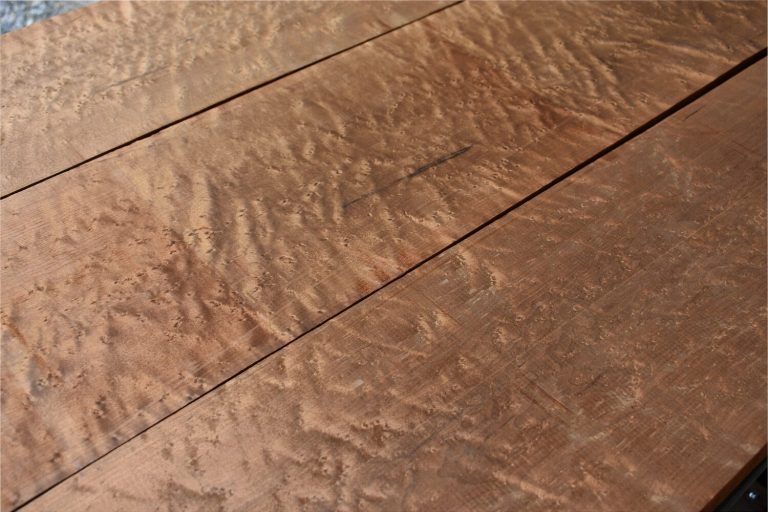
Roasted Birdseye Maple is Birdseye Maple that has been thermally modified. The wood is heated gradually to over 160°C in oxygen-free chambers, a natural, chemical-free process that darkens it to a rich caramel or chocolate brown while keeping the birdseye figure.The heat changes the wood's cell structure, so it absorbs less moisture. That makes it more dimensionally stable, which guitar makers value for necks and fretboards. It also becomes a little more brittle, so it chips more easily than unmodified maple, and it's best for tops, panels, flooring and instrument parts rather than intricate joinery. It also smells pleasantly toasty when cut.The very dry wood soaks up finish, so plan on a generous coat. Our in-house woodworker has had excellent results with Osmo Polyx-Oil, and he suggests a thicker finish works best. Use sharp tools and light passes to avoid chipping around the eyes.Roasted Birdseye Maple is popular for guitar necks and fretboards, fine furniture, knife handles, bandings and specialty pieces, where it gives the look of a dark exotic with the familiarity of maple.
bandings, crafting, fine furniture, flooring, knife handles, lutherie, musical Instruments, specialty items
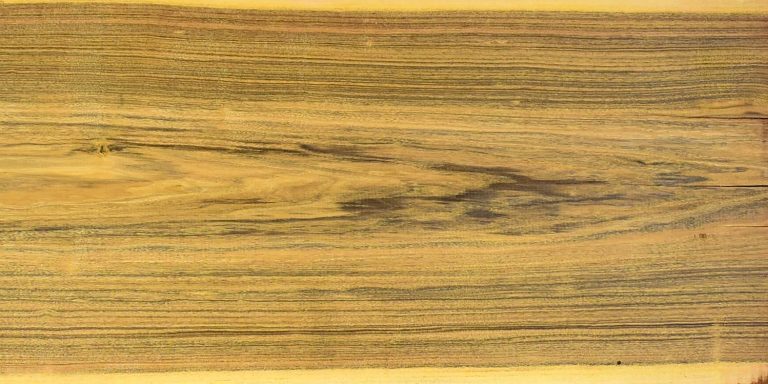
Patagonian Rosewood (Anadenanthera spp.), also called Curupau or Curupay, is a South American hardwood from Argentina, Bolivia and Paraguay. It isn't a true rosewood, but it's very dense and gorgeous to look at.The reddish-brown heartwood is streaked with darker lines that create beautiful grain patterns, and the color varies nicely from board to board, so it's worth picking pieces by eye. Its color deepens with age and exposure to light.It's hard and heavy, so sharp tools help, and interlocked grain can tear out when planed. It turns beautifully and finishes to a rich luster. Its density also makes it hard-wearing, so it holds up well to daily use.In its native region it's valued for flooring, decking and heavy construction because of its durability. It has plenty of character, making it a great choice for turnings, furniture, flooring, knife handles and specialty pieces. If you like its look, see also Morado.
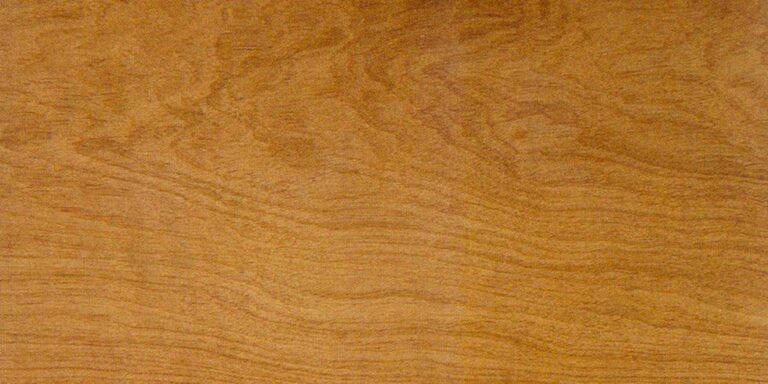
Sneezewood (Ptaeroxylon obliquum) is a South African hardwood with a reputation as one of the most durable, rot- and insect-resistant woods in the world, once classed as “imperishable” in its homeland. The name comes from the fine, peppery dust, which can make you sneeze.The heartwood is light to medium golden brown, sometimes darker toward the center, with a fine texture and an attractive sheen. The grain is straight or wavy, sometimes interlocked, and the wood is aromatic when worked.It's dense, which makes it somewhat difficult to work, but it's very stable once dry. It turns and finishes well, though its natural oils can make gluing tricky. Use good dust extraction and a mask.Sneezewood has long been used for fence posts, railway sleepers and bearings in South Africa, where old posts are said to have lasted for generations. Today it's used for turnings, carving, furniture, knife handles, specialty pieces and demanding outdoor work. For another tough South African wood, see Leadwood.
carving, construction, furniture, specialty items, turnings, utility lumber
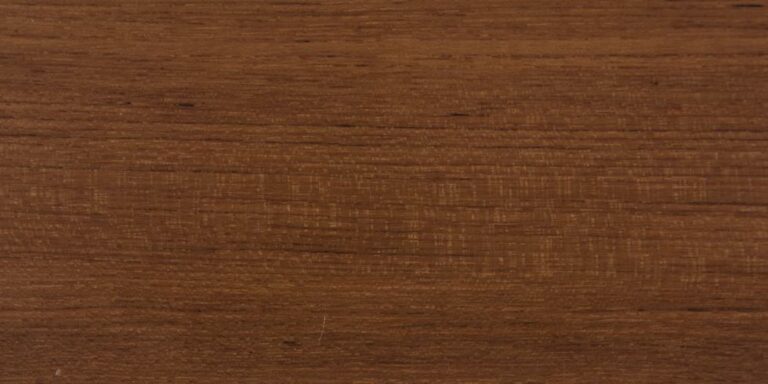
Burmese Teak (Tectona grandis), often called Genuine Teak, is one of the world's best-known woods. Teak from Myanmar has long been regarded as the benchmark, and it's prized less for its looks than for its toughness, rot resistance and durability.The heartwood is light to medium brown, with a tint from muted gold to pale red, and it darkens to a warm, rich brown with age. The sapwood is pale white to yellowish-brown. The grain is usually straight, sometimes wavy or interlocked, with a coarse, slightly oily feel.Its high natural oil content makes it very resistant to weather, water and insects, and it's exceptionally stable. It generally works well, but its silica content dulls blades quickly, so carbide tooling helps. The oils can affect glue joints and some finishes, so wipe surfaces with a solvent first.Teak has always done well around water, in boats, ships and docks, and steady demand keeps its price high. It's the classic wood for boatbuilding, decking and outdoor furniture, and it's also used for flooring, carving, turnings and veneer. See also Zambezi Teak.
boatbuilding, carving, construction, flooring, furniture, turnings, veneer
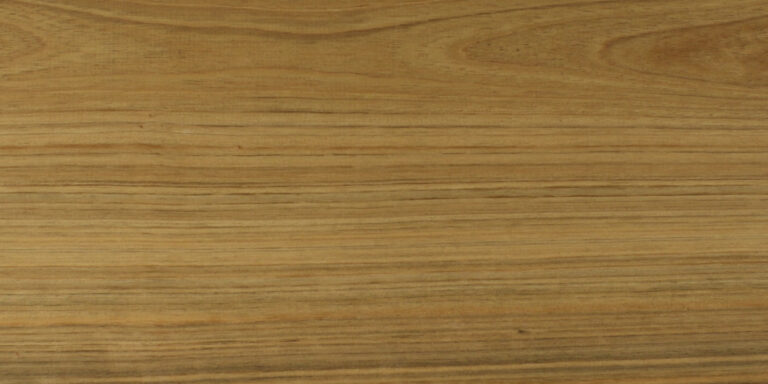
Shedua (Guibourtia ehie), also called Ovangkol, is a West African hardwood and a cousin of Bubinga, though it looks quite different. It's a popular African tonewood.The heartwood ranges from light to medium yellow to light orange or reddish-brown, usually with darker brown or black stripes, and the sapwood is pale yellow. Tiger stripe, fiddleback and mottled figure turn up on occasion, and boards can vary so much they look like different species.The grain can be straight, wavy or interlocked, with a medium texture and nice luster. It's tough and durable and generally works well, though its silica can gum up blades, and interlocked boards can tear out. It turns, glues and finishes well.Guitar makers use it as a rosewood alternative for backs and sides, with a similar warm tone, and some denser pieces are used for fretboards. It's also used for electric guitar bodies, furniture, cabinetry, flooring, trim, turnings and veneer.
cabinetry, flooring, furniture, trim, turnings, veneer
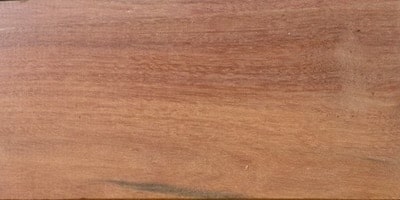
Pernambuco (Paubrasilia echinata), also called Brazilwood, is the wood that gave Brazil its name. After Portuguese explorers arrived in 1500, they found it yielded a valuable red dye, called it pau brasil (“ember-red wood”), and traded it across Europe.The heartwood ranges from muted yellow-orange through orange to red or reddish-brown, slowly darkening with age. The grain is generally straight, sometimes interlocked. It grows only in Brazil's Atlantic coastal forest, much of which has been cleared, which is why the species is now so tightly protected.Despite its density, it works very well, and its fine texture finishes nicely with an impressive natural luster.Since the late 18th century, Pernambuco has been the finest wood for violin, viola, cello and bass bows, prized for its unique combination of strength, flexibility, density and responsiveness. No other wood has matched it. It's also used for carving, inlay and turnings. For a related wood, see Chakte Viga.
carving, inlay, musical Instruments, turnings, veneer
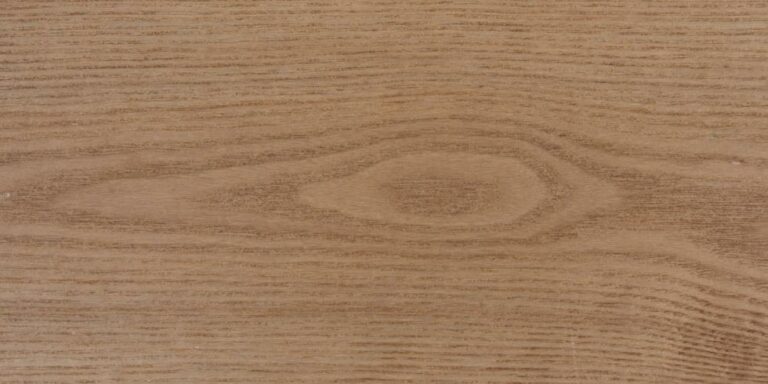
Sassafras (Sassafras albidum) is a native hardwood of the eastern United States known for its aroma. It's better known for the oil from its roots and bark, once used to flavor root beer, than for its lumber, so boards are hard to come by.Its straight grain, coarse texture and tan to light brown color make it easy to mistake for Ash, though it sometimes has pale orange to olive green tints. The color darkens to a warmer brown with age.It's fairly light, yet stable once dry, very durable and easy to work. Its pleasant, spicy scent is noticeable when you cut it. It glues and finishes well and takes a clear finish nicely, which warms its color.Sassafras was traditionally used for boat building, fence posts and buckets, thanks to its rot resistance. Today it's used for furniture, boatbuilding, turnings, boxes and general woodworking. The trees are small, so even craft-sized pieces aren't often offered. Because the dust can irritate, use dust extraction when sanding.
boatbuilding, furniture, turnings, utility lumber
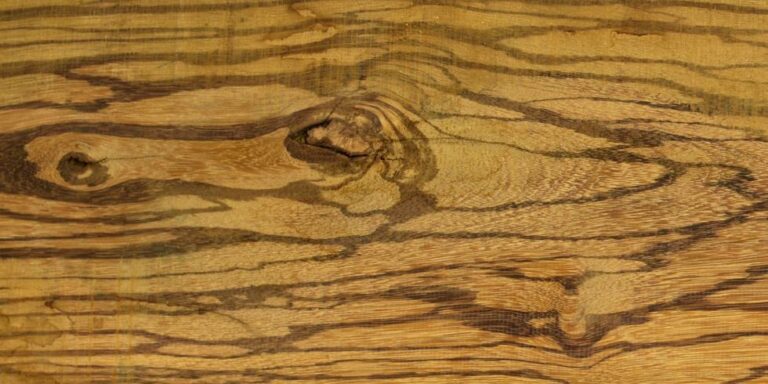
Marblewood (Zygia racemosa) is a South American hardwood that gets its name from its marble-like look: pale yellow wood streaked with dark brown, purple or black.Only the heartwood carries the striping, which is random and irregular, so no two pieces are alike. It looks a little like Zebrawood, but it's coarser and unrelated. Premium boards have bold, high-contrast stripes with few defects.It's heavy, dense and strong, which can make it hard to work, especially where the grain is interlocked, but it's very stable and can be sliced thin and hold its shape. It's also resinous, so thorough kiln-drying is essential if you plan to finish it. Small surface checks that won't sand out are common, so pick boards carefully. Sharp blades and a bit of patience deliver stunning results.Marblewood is popular with turners, and its strength and durability also suit flooring, furniture, cabinetry, carving, knife handles and veneer. For another striped wood, see Goncalo Alves.
cabinetry, carving, flooring, furniture, turnings, utility lumber, veneer
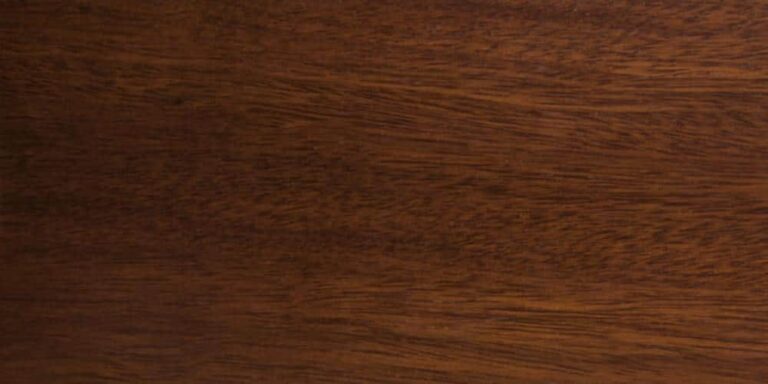
Iroko (Milicia spp.) is a tough, durable hardwood from tropical West and Central Africa that's often used in place of Teak. It's one of Africa's most important timbers.Its golden to medium brown color, coarse texture and interlocked grain give it a very Teak-like look. Freshly cut, it can be quite yellow, but it darkens to a richer brown with age and light exposure.It's lighter than Teak but resistant to rot and insects and strong for its weight, with good stability once dry. Despite the interlocked grain, it isn't difficult to work, and it glues and finishes well. Occasional hard mineral deposits can dull blades, and the dust can irritate, so wear a mask when machining.Iroko has long been used across Africa in many of the same roles Teak fills elsewhere. It's a great choice for boatbuilding, outdoor furniture, decking, flooring, cabinetry, countertops and general construction, and it offers Teak-like performance at a friendlier price.
boatbuilding, cabinetry, construction, flooring, furniture, specialty items, turnings, utility lumber, veneer
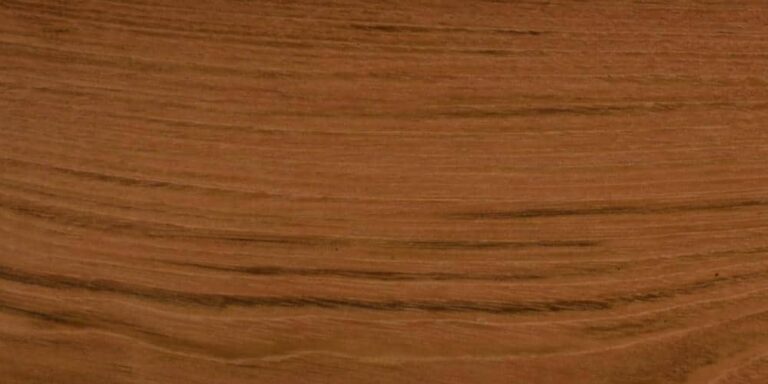
Koa (Acacia koa) is one of Hawaii's most beautiful native hardwoods and grows only on the Hawaiian Islands. It's sometimes compared to mahogany in appearance, and it holds a special place in Hawaiian culture, traditionally used for canoes and surfboards.It's generally medium to reddish brown, though color varies a lot, from golden to deep chocolate. Figured boards with strong curl and chatoyance are highly prized and can seem to glow under finish.It's quite stable and fairly easy to work, except where the grain is highly figured or interlocked, where sharp tools and light passes help. It glues and finishes well, and a clear finish brings out its depth.Koa is a very popular instrument wood with a rich, warm tone, used widely for guitar backs and sides, tops and ukuleles. It's also used for fine furniture, gun stocks, turnings, boxes, veneer and specialty pieces. Supply is limited, and highly figured boards command a premium. For a similar look at a friendlier price, see Australian Blackwood.
gun stocks, specialty items, turnings, veneer
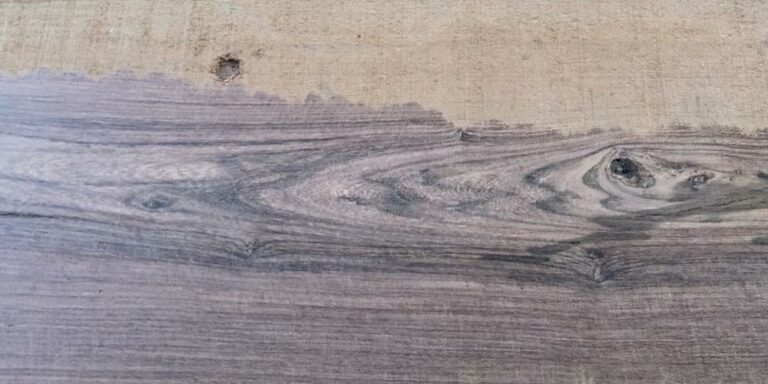
Louro Preto (Cordia spp.), also called Laurel Negro, is a South American hardwood and a close relative of Bocote and Ziricote, though it's often overshadowed by them.The heartwood is typically medium brown with red and green tints, sometimes with bold dark brown lines and streaks, and it darkens considerably with exposure to light. The sapwood is pale and easy to spot. The grain is calmer than its cousins', usually straight or somewhat irregular, with a fine to medium texture and the impressive natural luster typical of the genus.Despite its natural oils, it usually glues well, and it's easy to work, though some boards contain silica, which can dull blades. It turns smoothly and finishes to a lovely sheen.Supply in the US has always been limited, partly because demand has gone to its flashier cousins, but Louro Preto is a handsome, understated choice for furniture, cabinetry, boxes, guitar backs and sides, turnings and veneer.
cabinetry, furniture, turnings, veneer
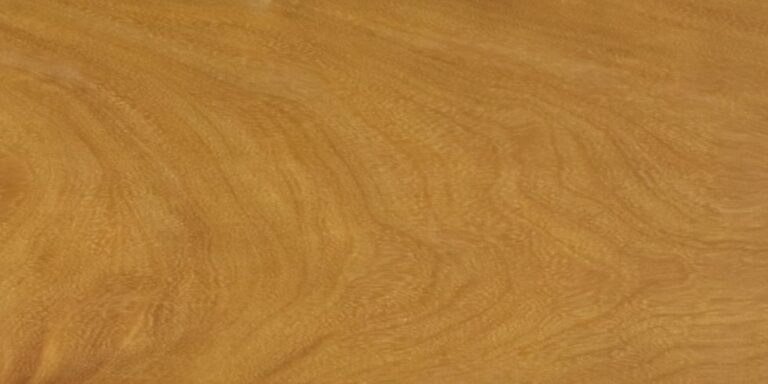
Cumaru (Dipteryx odorata) is a South American hardwood often sold as Brazilian Teak, though it isn't related to true Teak. It's one of the hardest and most durable woods on the market.It's golden brown to medium brown, sometimes with reddish or purplish tones, and it darkens with age. The grain is interlocked with a medium texture and a waxy feel. It's extremely hard, stiff and strong, with excellent resistance to rot, insects and weathering.Its density makes it challenging to work, so carbide tools are a must, and you should pre-drill for screws and nails. It glues best with a solvent wipe first. The tree is also the source of tonka beans, prized for their sweet, vanilla-like scent, and freshly cut Cumaru can carry a hint of that aroma. Its dust can irritate, so wear a mask when cutting.Thanks to its durability, Cumaru is a strong alternative to Ipe for decking, and it's also used for flooring, outdoor furniture, docks, cabinetry and heavy construction.
cabinetry, decking, flooring, furniture
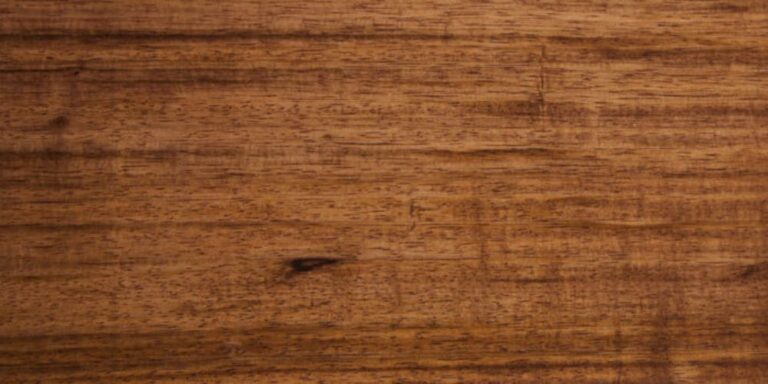
Berlinia (Berlinia spp.) is a West African hardwood sold in the US as Ebiara or Red Zebrawood. It's a fairly new arrival on the US market, and a moderately priced one.The heartwood ranges from pale yellow to, more typically, a muted reddish-brown, with darker stripes that can be regular or irregular. That's where the comparison with Zebrawood comes from, and the two are in fact related.The grain is straight or interlocked and the texture medium to coarse, with good natural luster and occasional figure and chatoyance. It cuts, turns, glues and finishes smoothly, though interlocked boards can tear out, so take light final passes.Berlinia suits furniture, cabinetry, turnings, veneer and specialty items, and luthiers and turners are starting to take an interest in it.
cabinetry, furniture, specialty items, turnings, veneer
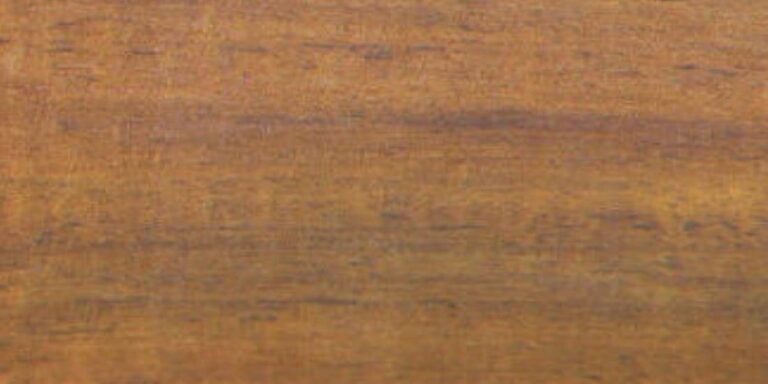
Australian Blackwood (Acacia melanoxylon), also called Acacia Blackwood, is a close cousin of Hawaiian Koa, and it's growing in popularity with guitar makers and furniture builders. Despite the name, it isn't black.The tree is native to Australia, but our stock is grown in South Africa, where it was introduced in the 1800s and is now grown commercially. That shorter, more direct supply line makes it a far more cost-effective choice than imported Australian or Hawaiian woods, with the same good looks.The heartwood ranges from light golden brown to darker browns, often with streaks of other colors, and it's clearly set apart from the tan to light grey sapwood. The grain runs from straight to wavy or interlocked, with a fine texture and an impressive luster. Figured boards with Koa-like shimmer turn up only occasionally, so they're worth snapping up when they do. Apart from occasional tear-out, it works easily, and it turns, glues and finishes well.Tough, durable and good for bending, it's used for guitar backs and sides, furniture, cabinetry, boatbuilding, gun stocks and turnings.
boatbuilding, cabinetry, furniture, gun stocks, specialty items, turnings, veneer