Species

Already know what you're looking for?

Species Discovery Filters

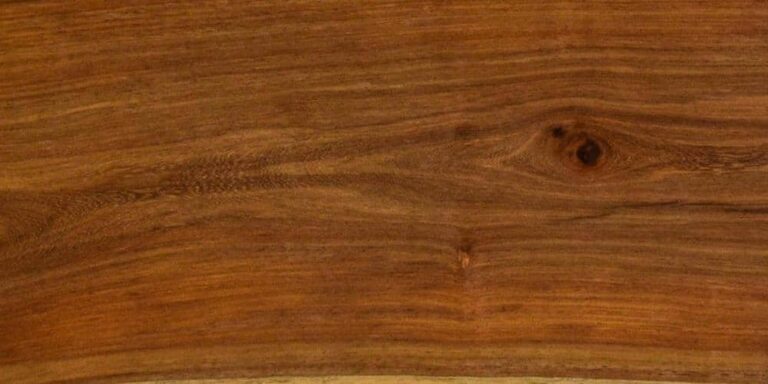
Sipo lumber at Rare Woods USA
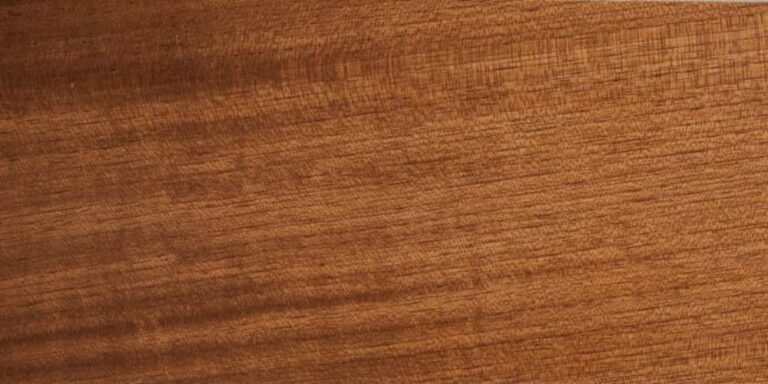
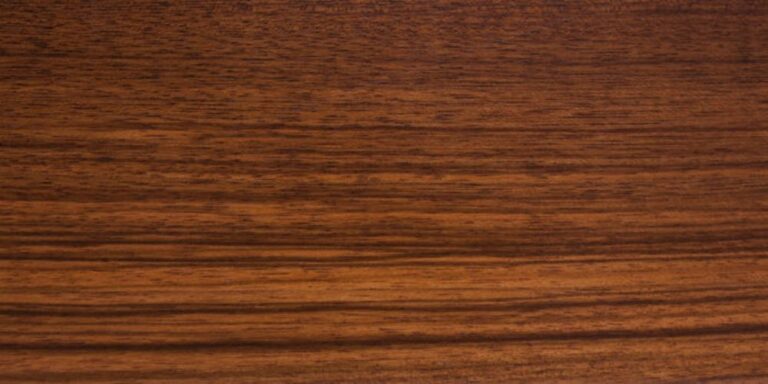
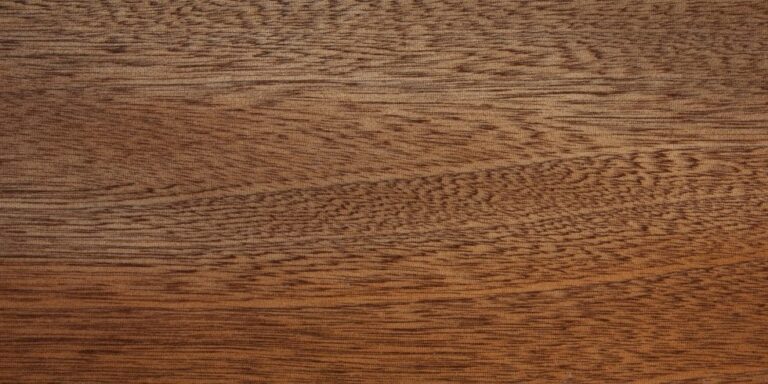
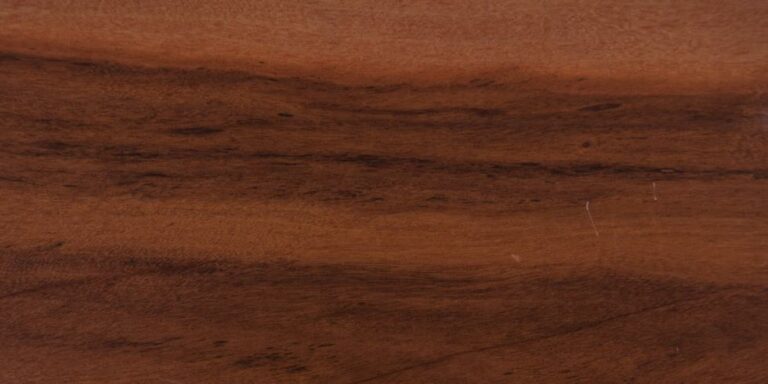
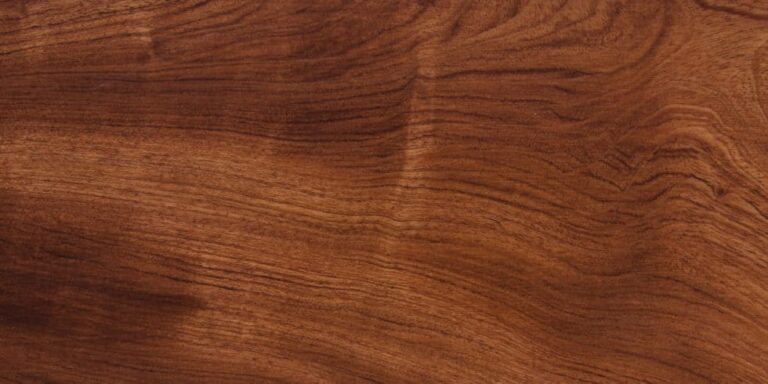
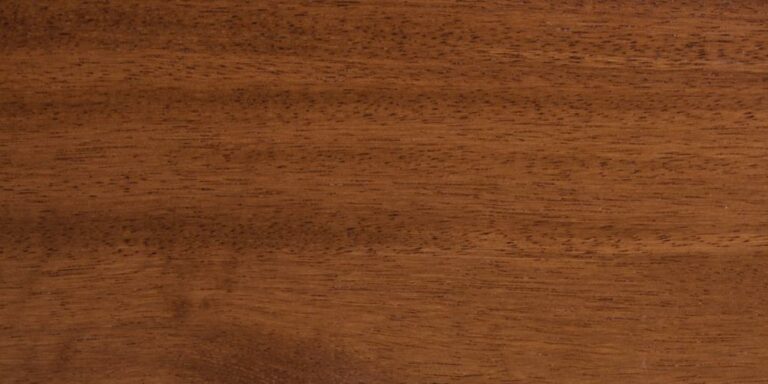
Sipo (Entandrophragma utile), also called Utile or Sipo Mahogany, is a West and Central African wood from the mahogany family. It's considered the closest in looks to Genuine Mahogany, though it isn't a true mahogany.The heartwood is a rich reddish-brown that deepens with age. Its interlocked grain gives quartersawn boards a striking light-and-dark striped look, which can be stunning in more chatoyant pieces. It's similar to its cousin Sapele, but a little more porous and richer in color, with a more even ribbon.It's easier to work than African Mahogany, with less tear-out, and its hardness falls between that and Genuine Mahogany. It glues and finishes well and is moderately durable. Like many such woods, it can stain when in contact with iron.Its modest price has made Sipo a highly regarded mahogany substitute for furniture, cabinetry, windows and doors, boatbuilding, guitar necks and bodies, carving, turnings and veneer.
boatbuilding, cabinetry, carving, furniture, turnings, veneer
Detail
Detail
Common Uses
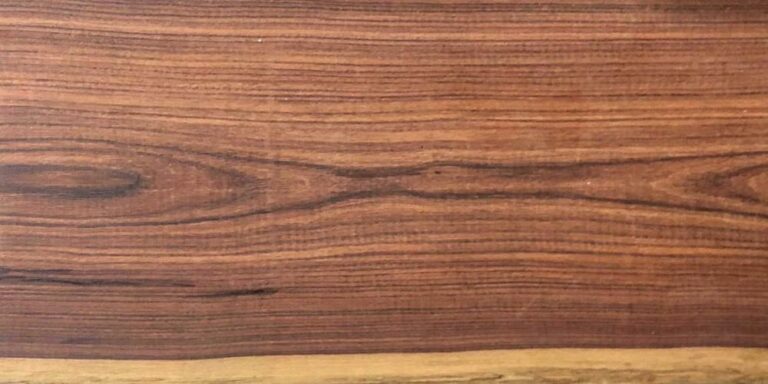
Rosewood - African Lumber @ Rare Woods USA
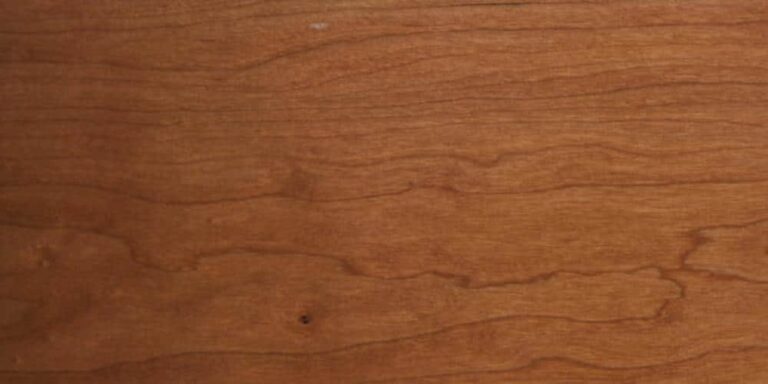
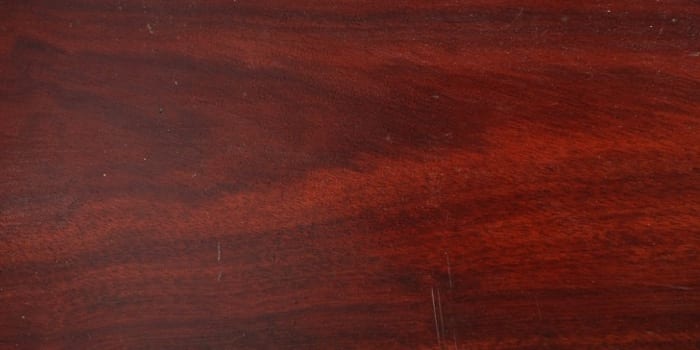
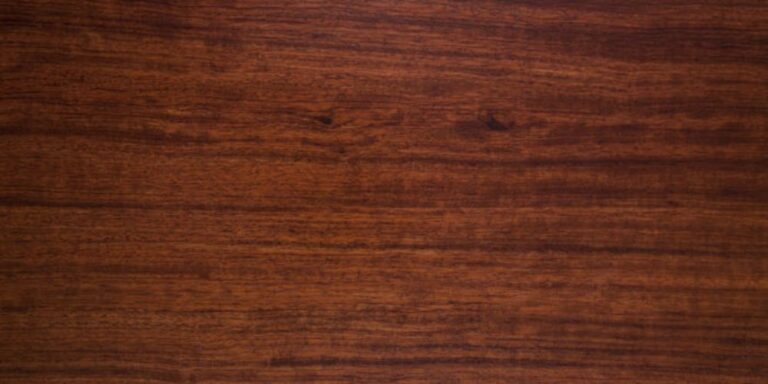
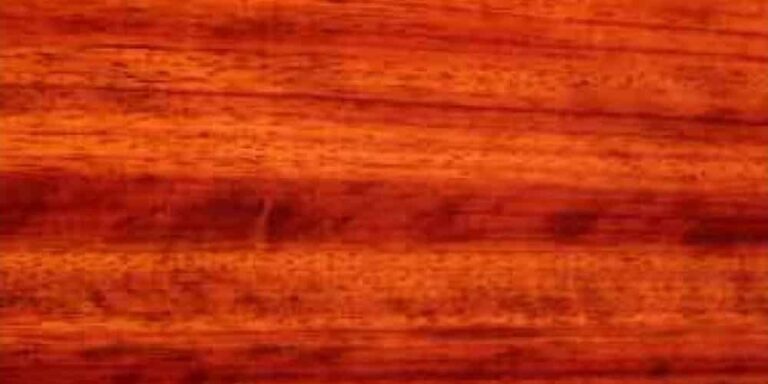
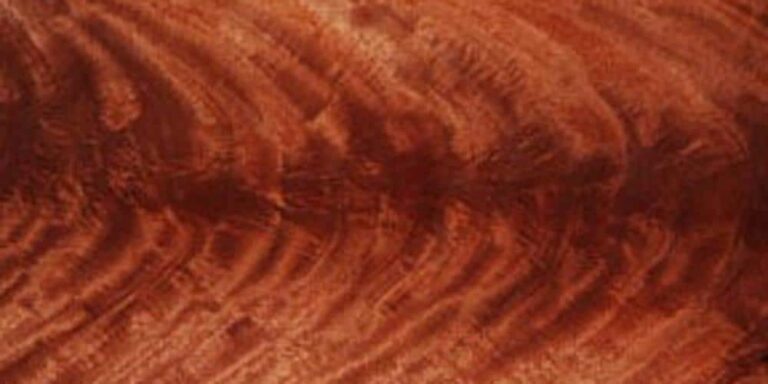
African Rosewood (Guibourtia coleosperma), also called False Mopane or Rhodesian Copalwood, grows in the dry woodlands of southern Africa. It's in the same genus as Bubinga, which is why Bubinga is often mistakenly called African Rosewood. It isn't a true rosewood, but it often has a similar look.The heartwood ranges from pink to reddish-brown with purple or red streaks. The grain is generally straight, sometimes interlocked, with a moderately fine texture and a good luster.It works well, though it can blunt tools, and it glues and finishes well. It needs slow, careful drying to avoid warping and cracking, but it's durable and stable once dry, which makes it suitable for outdoor as well as indoor use.The tree has many traditional uses in Africa: its seeds are eaten and pressed for oil, and its bark yields a red dye used to stain furniture. As lumber, it's used for flooring, furniture, decking, millwork, turnings and veneer.
boatbuilding, decking, flooring, furniture, millwork, specialty items, turnings, veneer
Detail
Detail
Common Uses
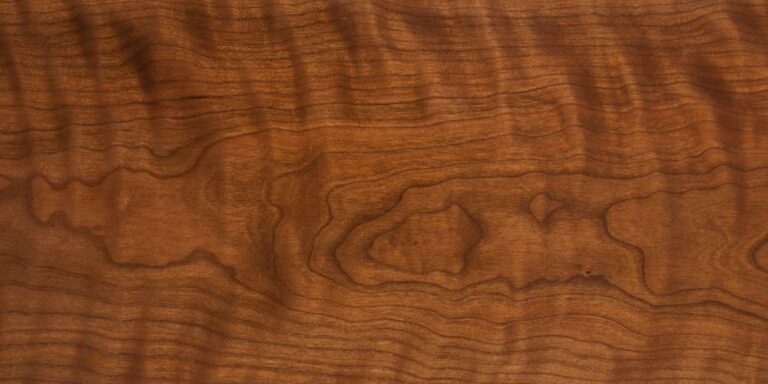
Kiaat Lumber @ Rare Woods USA

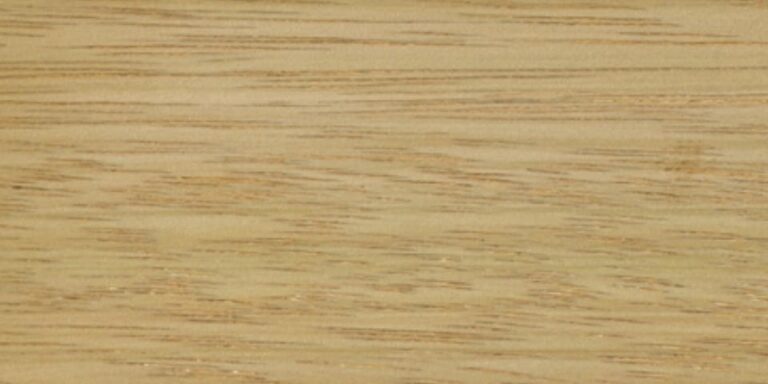
Kiaat (Pterocarpus angolensis), also called Mukwa, Muninga or Bloodwood in parts of Africa, is a close relative of African Padauk. It grows across the woodlands of southern and central Africa and has been used there for centuries.

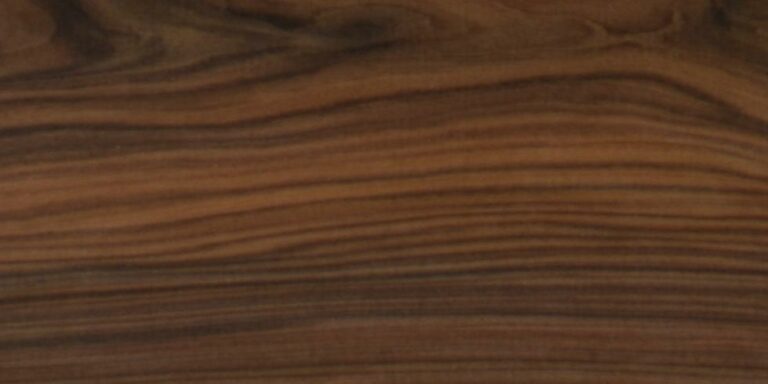
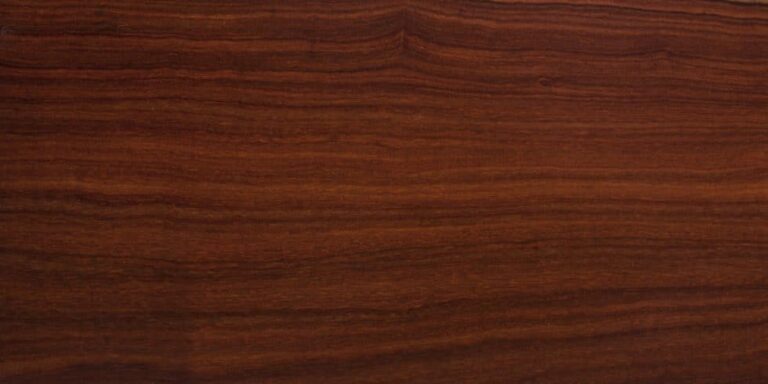
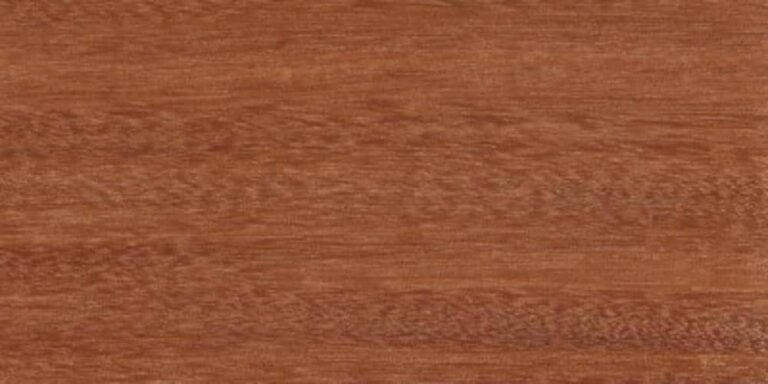
The heartwood ranges from light golden brown to medium brown with a reddish or purplish tint, often with attractive darker streaks. The grain can be straight, wavy or interlocked, and the texture fine to medium with a nice luster. When the tree is cut, it bleeds a red sap, which gave rise to some of its local names.

It's lighter than Padauk but strong for its weight, very stable with extremely low shrinkage, and resistant to insects and termites. It works easily, and it turns, glues and finishes well, making it a pleasure in the workshop.

The trees are fairly small, so large boards are rare and it's seldom seen in the US. In southern Africa, Kiaat is a favorite for fine furniture and was traditionally used for dugout canoes and paddles. It's a versatile wood for furniture, boatbuilding, turnings, carving, veneer and specialty pieces.
boatbuilding, furniture, specialty items, turnings, veneer
Detail
Detail
Common Uses