
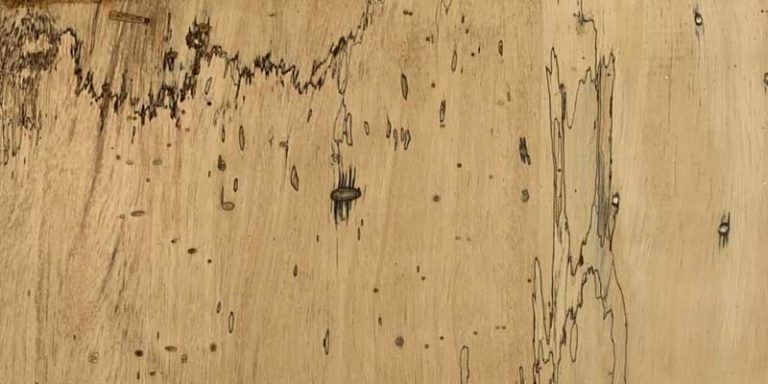
Spalted Tamarind (Tamarindus indica) comes from Southeast Asia, where fungi create wild, spiderweb-like patterns of black lines through the wood. The tamarind tree is better known for its sweet-sour fruit pods, but its timber makes some of the most dramatic spalted stock around.The spalting is mostly in the creamy sapwood, which is prone to the fungi and insects that cause it. The result adds real character and excitement to every piece, and no two are alike. Where heartwood is present, it's a much darker reddish-brown to purplish-brown, which makes for striking contrast.It's moderately difficult to work but turns and finishes well. Sometimes the decay goes deeper than the surface suggests, leaving soft spots, so expect some waste and consider stabilizing softer pieces before turning. Use good dust collection and a dust mask, as fungal spores add to the dust.Spalted Tamarind is a favorite with turners and box makers, and it's also used for inlay, knife scales, pen blanks and other specialty pieces. For another spalted wood, see Spalted Maple.
boxmaking, inlay, specialty items, turnings
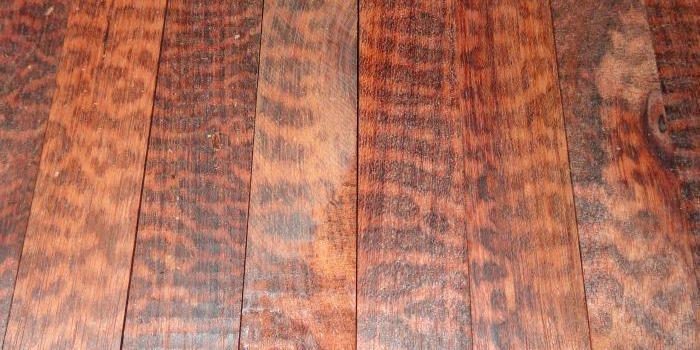
Snakewood (Brosimum guianense) is one of the rarest and most distinctive woods in the world. Its pale yellow, orange-brown or reddish-brown background is covered in dark markings that look remarkably like snakeskin.The grain is usually straight and the texture exceptionally fine, giving finished pieces a remarkable luster. It's a close relative of Bloodwood.It's extremely dense and hard, and it can be brittle, splintering or cracking during machining, so razor-sharp tools and patience are essential. It turns beautifully and polishes to an extraordinary finish.The trees have slender trunks and yield little clear wood, so Snakewood is mostly sold as small billets, turning blanks, scales and pen and bow blanks. It's one of the most expensive woods per board foot, and a favorite for knife and gun handles, inlay, luxury pens, instrument parts and violin bows.
fine furniture, specialty items, turnings
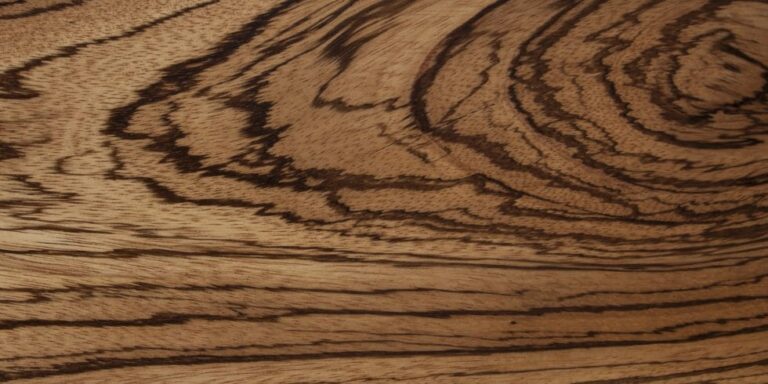
Zebrawood (Microberlinia brazzavillensis), also called Zebrano, is a tough, durable West African wood with bold dark brown to almost black stripes on a pale gold to off-white base. Few woods are as instantly recognizable.Quartersawn boards show long, fairly even stripes, while flat-sawn boards are wavy and wild. The sapwood is pale and unstriped, so it's easy to spot. Once dry, it's a strong, stiff wood, though most people choose it purely for its looks.The texture is coarse with open pores, and the grain is often wavy or interlocked, so planing can be a challenge. Keep blades sharp to minimize tear-out, and fill the pores if you want a glass-smooth finish. It glues well and has a pleasant luster. It can be hard to dry and may warp, so quartersawn stock is the more stable choice, and small voids along the dark stripes aren't unusual.Zebrawood's looks keep it in steady demand with veneer mills around the world, which makes it moderately expensive despite good supply. It's used for veneer, fine furniture, accent panels, handles and turnings. For a lower-priced alternative, see Ababa.
fine furniture, handles, turnings, veneer
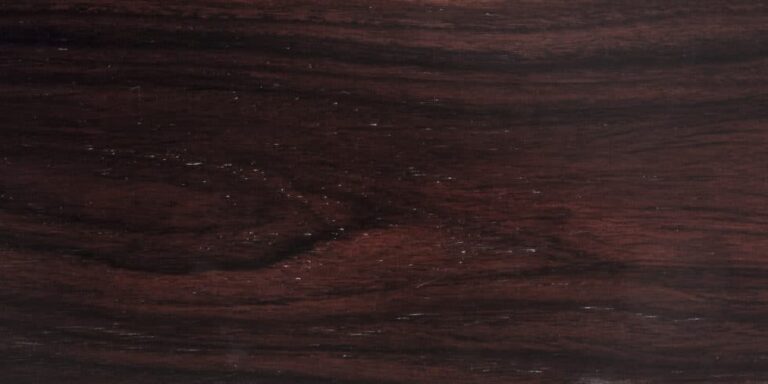
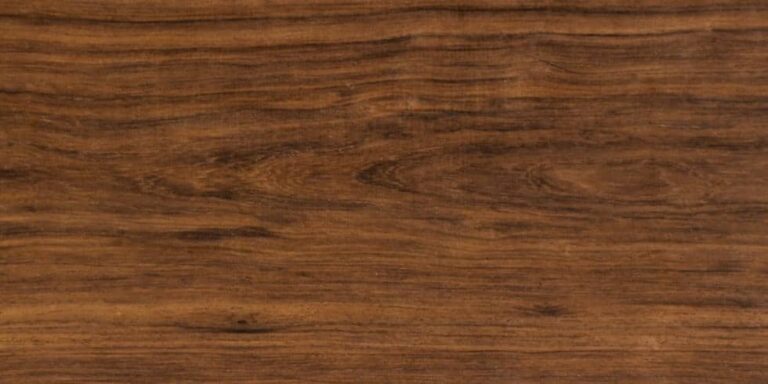
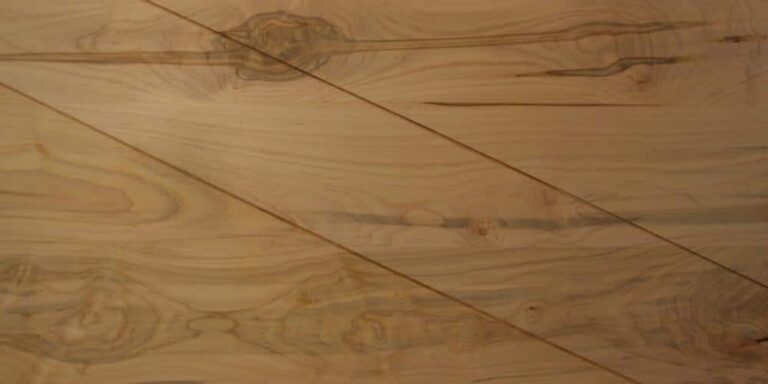
Ambrosia Maple isn't a species. It's maple, most often Red or Sugar Maple, marked with colorful streaks and small holes left by the ambrosia beetle. It's sometimes called Wormy Maple.The beetle burrows into the tree and carries a fungus with it, which feeds its young. As the fungus spreads through the sap, it stains the wood with streaks, mostly blue-grey and sometimes greenish or brown, around the small tunnels. The beetles prefer freshly cut, drying wood and don't return once it's been kiln-dried, so the holes are no cause for concern.The result is a darker, more characterful surface than plain maple, with the same high luster and often other maple figure too, so every board is unique. It works as easily as any maple. Fill the beetle holes with epoxy or leave them as they are, and go slowly with high-speed tools, as maple can burn.Ambrosia Maple isn't durable outdoors, but it's stable enough for furniture, tabletops, guitars, cutting boards, turnings, crafts and veneer. For another naturally marked maple, see Spalted Maple.
crafting, furniture, lutherie, specialty items, turnings, veneer
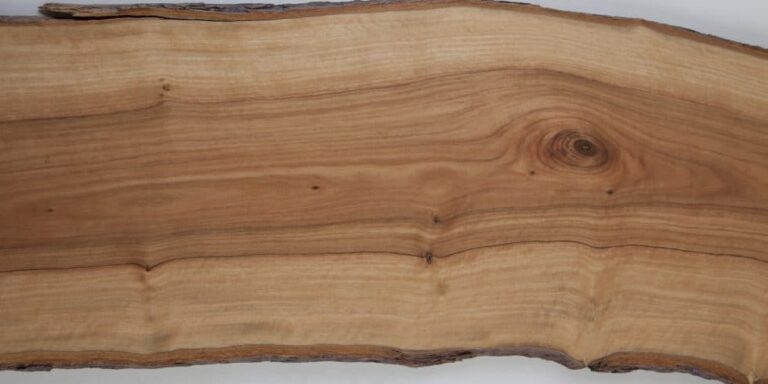
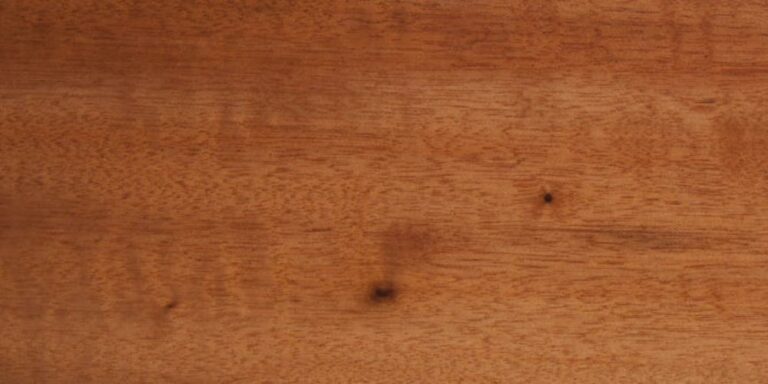
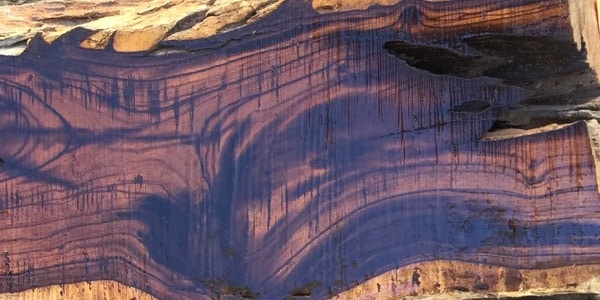
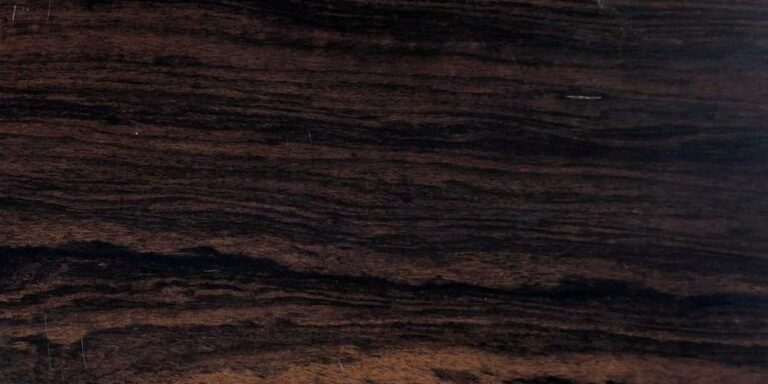
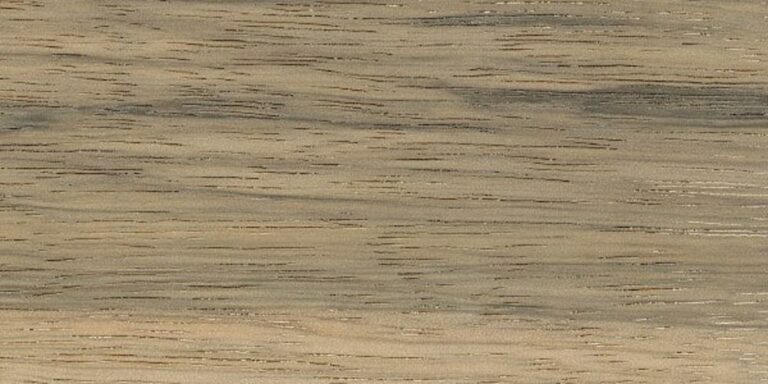
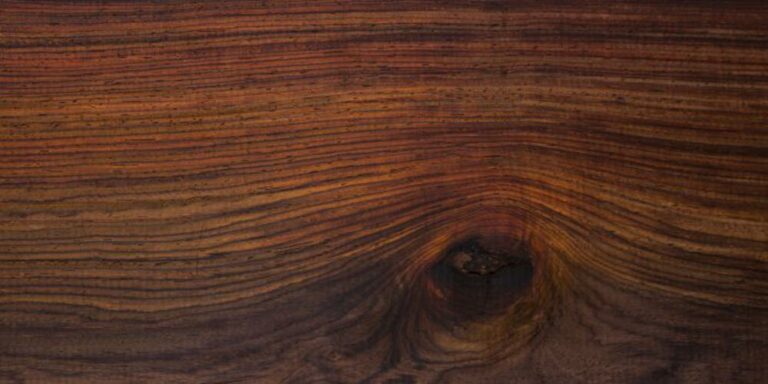
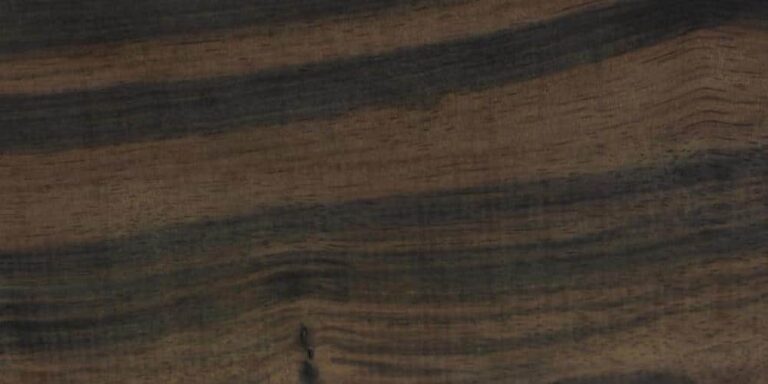
Amara Ebony (Diospyros celebica) is generally regarded as the same species as Macassar Ebony, with Amara coming only from Indonesia. Its different look is put down to local soil conditions, and it's a wood rarely seen in the US.It's typically deep chocolate brown with pink striping, but we've also seen boards with greens and reds, more like Malaysian Blackwood, and others with gold and orange hues. Some show “landscape” grain patterns that make them look like a cross between the two. The sapwood is tan.The grain is more often wavy or irregular than straight, with a fine texture and a nice natural luster. We've found it slightly less dense than Macassar Ebony, and despite its density it works well, turning and polishing to a beautiful finish. Sharp tools help, and the fine dust is best handled with good extraction.Amara is a distinctive choice for carving, inlay, turnings, boxes, furniture accents, veneer and specialty pieces, anywhere you want an ebony that's a little out of the ordinary.
carving, furniture, inlay, specialty items, turnings, veneer
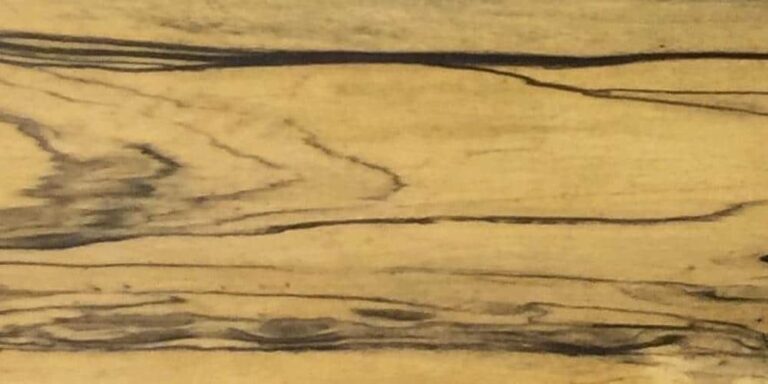
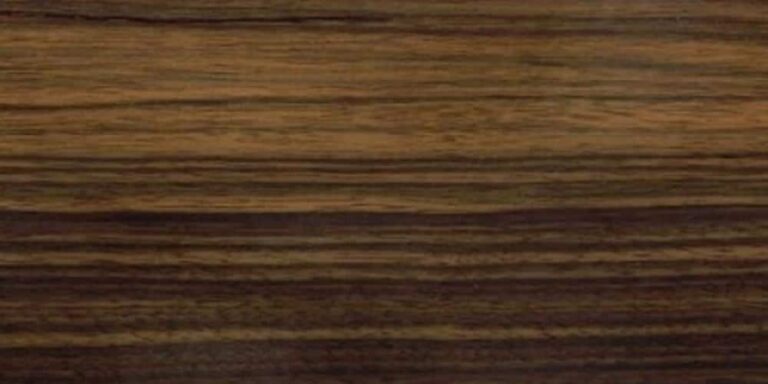
Indian Ebony (Diospyros ebenum), also called Ceylon Ebony, is a true ebony from southern India and Sri Lanka that has long been used in place of Gabon Ebony. At first glance the two can be almost impossible to tell apart.It's jet black, often with subtle brown or muted orange streaks and occasional pale sapwood. The grain is straight or slightly irregular and the texture very fine, and its natural oils give it excellent polish and a deep luster.It's a little less hard than Gabon Ebony but still very hard and durable, and turners love how smoothly it works. It cuts cleanly with sharp tools and holds fine detail, though its oils mean gluing benefits from a solvent wipe first.Indian Ebony is used for high-end guitar fretboards, especially by players who want the look of ebony with a slightly softer feel, as well as for turnings, inlay, chess pieces and carving. Exports from South Asia are tightly restricted, so supply in the US is scarce, and it offers the look of Gabon Ebony at a somewhat more accessible price when you can find it.
carving, furniture, inlay, turnings
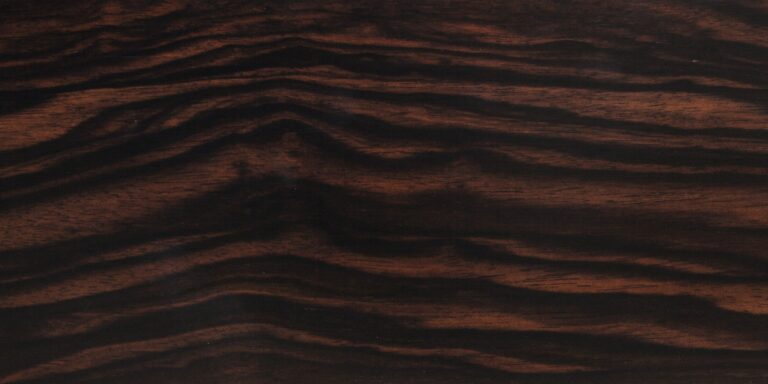
Macassar Ebony (Diospyros celebica) comes from the Indonesian island of Sulawesi and is one of Southeast Asia's best-known exotics. It's one of our favorites, with a classic striped look that has been prized for luxury furniture since the Art Deco era.Deep brown dominates, with stripes that can include green, yellow, burgundy, red, orange and even peach in the best pieces. Stripes are usually broad and bold, often twisting and overlapping, and boards with fine, tight, even striping are rarer and more desirable. The sapwood ranges from dull tan to light golden brown.Like other dense woods, it can be hard to work and hard on blades, and it's prone to checking, so store it carefully. It rewards the effort with a superb finish, polishing to a deep, glassy luster.Macassar Ebony is in constant demand for veneer and is prized by guitar makers for backs, sides and fretboards, where its density gives a bright, clear tone. It's also used for cabinetry, pool cues, turnings, boxes and inlay. See also Amara Ebony.
cabinetry, crafting, pool cues, specialty items, turnings, veneer