
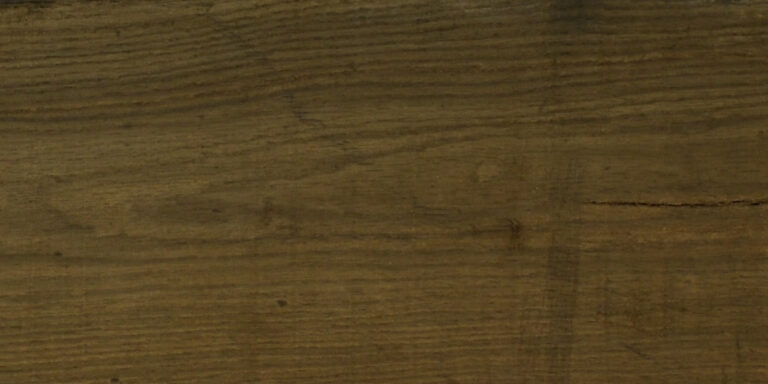
Bog Oak is English Oak (Quercus robur) that has been preserved for centuries, often thousands of years, in a peat bog. Ancient trees fell into the wet ground and were sealed away from the air, then recovered when bogs are drained or dug.Starved of oxygen, the wood doesn't rot. Instead, minerals in the acidic peat react with the tannins in the oak and slowly turn it dark brown to almost black. Some pieces have been radiocarbon-dated to several thousand years old, and every piece has its own history and character.It works much like other oak once dry, though it can be more brittle, so take light passes and handle it with care. Drying must be slow and careful, which is part of why it's so rare. It finishes to a deep, rich luster that no stain can match.Bog Oak is a rare, special wood for boxes, knife handles, jewelry, inlay, pens and small furniture pieces, and it makes a remarkable talking point. See also Slavonian Oak, the same species in its fresh form.
boxmaking, furniture, knife handles
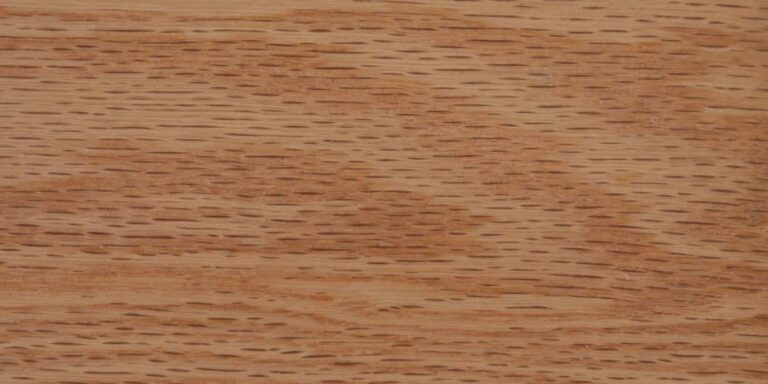
Red Oak (Quercus rubra), also called Northern Red Oak, grows across the eastern US and Canada. It's one of America's most popular hardwoods thanks to its strength, hardness and moderate price.The heartwood is light brown with a reddish tint, and the sapwood can be hard to tell apart. The grain is usually straight, with a coarse texture and large, open pores, and quartersawn boards show the ray fleck oaks are known for.It works, glues and finishes well, and it takes stain evenly, which makes it easy to match existing furniture. It shrinks a fair amount as it dries, so quartersawn stock is the most stable choice. Its open pores let water through, so it isn't durable outdoors and isn't suitable for boats.Red Oak is a favorite with furniture builders and cabinetmakers and has long been a staple of American interiors, from floors and trim to kitchen cabinets. It's also used for handles, stair parts and veneer. For a more durable, water-resistant oak, see White Oak.
cabinetry, flooring, furniture, handles, utility lumber, veneer
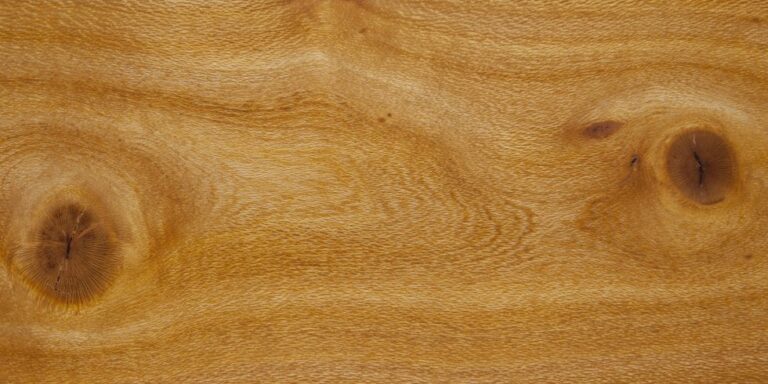
Silky Oak (Cardwellia sublimis) is an Australian hardwood from the rainforests of northern Queensland. It isn't a true oak but a member of the protea family, though it shares the look, with large rays and flecked figure that can be very dramatic on quartersawn faces.It's light to medium reddish-brown, with slightly darker rays ranging from muted brown to grey, and a silky sheen that gives it its name. It's easily mistaken for Lacewood, which looks and weighs much the same.Its coarse texture and flecks can make planing tricky, but otherwise it's easy to work, and it glues and finishes well. It's more durable than American oaks, and a clear finish makes the flecks shimmer.Supply to the US is sporadic, so it isn't widely known here. In Australia it has a long history in fine furniture and cabinetry. It's used for furniture, cabinetry, boxes, turnings, guitar backs and veneer. For a similar flecked look, see Leopardwood.
cabinetry, fine furniture, specialty items, turnings, veneer
Slavonian Oak (Quercus robur) is European Oak from Slavonia, a region of eastern Croatia whose slow-grown forests produce some of Europe's finest oak. It's rarely seen in the US.It's best known for wine barrels, where its tight grain is said to mellow the taste and texture of the wine, and it's a long-time favorite of Italian winemakers. The heartwood is light to medium brown, sometimes with a greenish hue. The grain is mostly straight, sometimes interlocked or irregular, and the texture coarse.Quartersawn boards show dramatic ray fleck and are the most stable. It's tough and durable, steam-bends well, and is easy to work, gluing, staining and finishing well. Like all oaks, it can stain dark when in contact with iron.Besides barrels, it's used for fine furniture, cabinetry, flooring, boatbuilding and veneer, and its renown in the wine trade dates back centuries. See also White Oak and Bog Oak, the same species preserved in a peat bog.
boatbuilding, cabinetry, flooring, furniture, veneer,
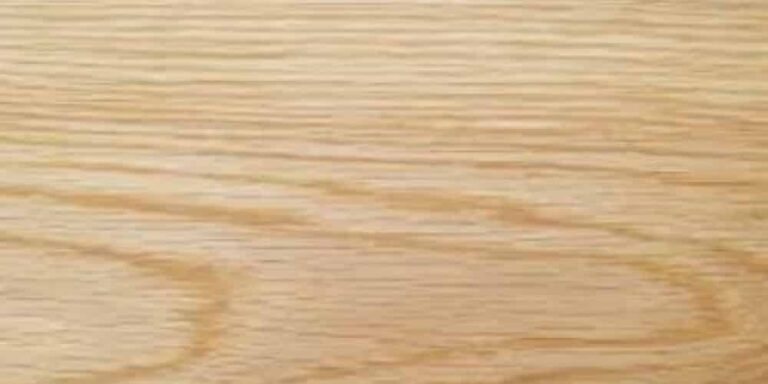
White Oak (Quercus alba) has long been one of America's preeminent hardwoods. It grows across the central and eastern US, and the trees can live for hundreds of years. One in New Jersey is estimated to be over 600 years old.The heartwood ranges from light golden tan to light and medium brown. The grain is straight, and quartersawn boards show the ray fleck oak is famous for. Its pores are plugged with growths called tyloses, which make it watertight, so it's the classic wood for whiskey and wine barrels.It's the most durable of the oaks and steam-bends well, which is why it has been used in boatbuilding for centuries. Despite its coarse texture, it works, glues, stains and finishes very well. It shrinks a lot, so quartersawn stock gives the most stable results. Like all oaks, it can stain when in contact with iron.White Oak is used for furniture, Mission and Arts and Crafts pieces, cabinetry, flooring, boats, barrels and veneer. For a more affordable oak, see Red Oak.
boatbuilding, cabinetry, carpentry, flooring, furniture, veneer,
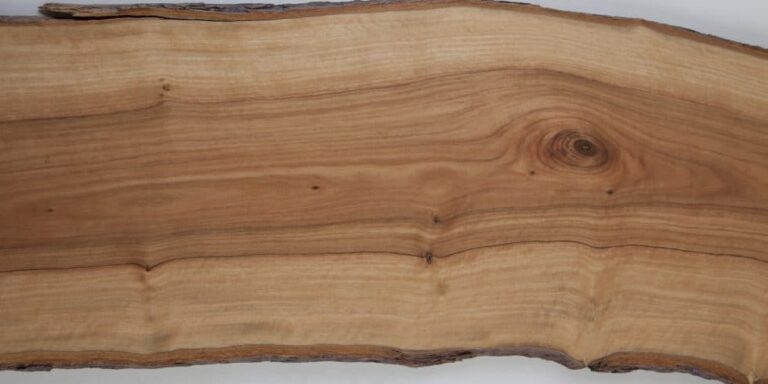
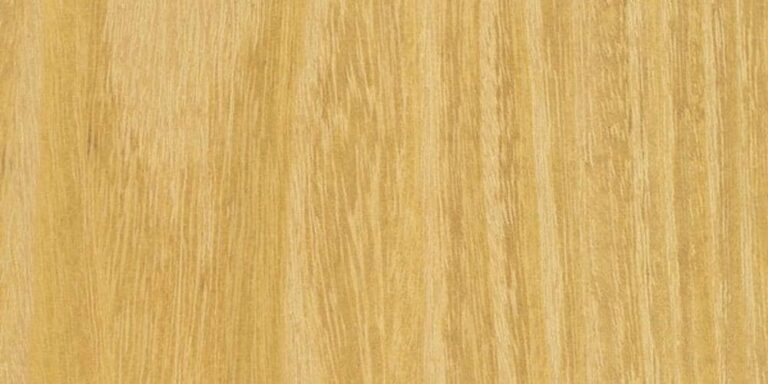
Osage Orange (Maclura pomifera), also called Horse Apple or Bodark, is a dense, durable hardwood from the south-central United States, named after the Osage Nation, who prized it for bows. It has striking color.The heartwood starts out bright golden yellow and darkens over time to a deeper golden brown, sometimes with reddish streaks. A finish with UV protection slows the change. The grain is usually straight with a fine to medium texture, and the wood fluoresces under black light.It's hard and dense, which makes it tough to work, but it turns and finishes well. It's one of the most rot-resistant woods in North America, and fence posts made from it are famous for lasting generations. Trees are often short and knotty, so long, clear boards are scarce.It's the classic wood for archery bows, and it's also used for fence posts, tool handles, turnings, pens and specialty pieces. Its South American relative, Argentine Osage Orange, comes in larger sizes with fewer knots.
bows, fencing, specialty items, turnings
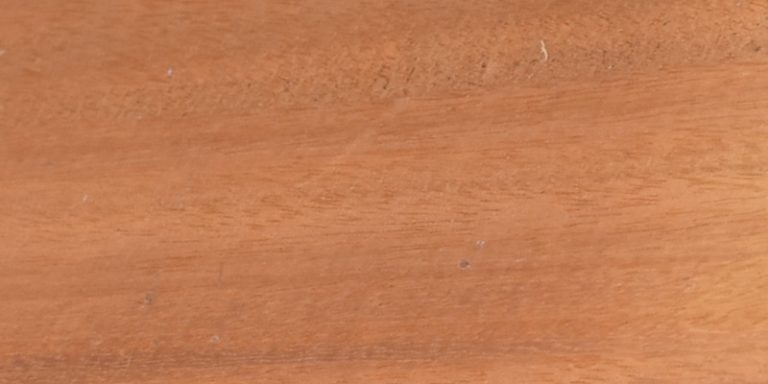
Argentine Osage Orange (Maclura tinctoria), also called Fustic or Mora, is a South American relative of the domestic Osage Orange, with the same bright yellow-orange color. It grows from Mexico to Argentina, and was once a major source of yellow dye.It usually comes in larger sizes, with cleaner lumber and fewer defects than the US species. Like its cousin, its color deepens over time toward a richer golden brown, and a finish with UV protection slows the change. The grain is straight to interlocked with a medium texture.It's hard and dense, so it's tough on tools, but it turns and finishes well, polishing to a lovely luster. Sharp tools and light passes give the cleanest results. It's naturally durable, sharing much of its cousin's resistance to rot.It's a great choice for boxes, inlay, carving, cabinetry, crafts, bows, turnings and specialty pieces where you want a splash of color, and its larger, cleaner boards make it easier to use than the domestic species. For another bright yellow, see Yellowheart.
boxmaking, cabinetry, carving, crafting, inlay, specialty items
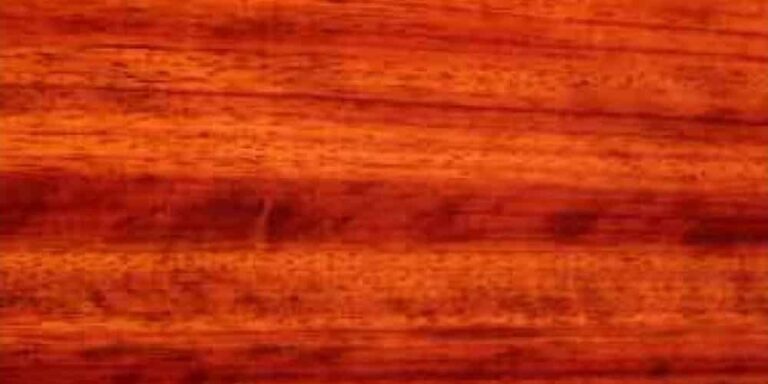
African Padauk (Pterocarpus soyauxii) is a strong, very stable hardwood from Central and West Africa known for its bold color, and it's a reasonably priced exotic.Freshly cut, it's a vivid orange-red, deepening over time to a robust reddish-brown. Colors can range from bright orange to muted burgundy, with grain lines in brick red or purple. The best boards have long, straight grain with ribbon figure and deep chatoyance. A finish with UV protection helps keep the color bright.The grain is mostly straight, sometimes interlocked, with large pores and a texture similar to African Mahogany. It works and finishes very well, though its fine red dust gets everywhere and can irritate, so use good extraction. The trees grow over 100 feet tall, so long, wide boards are available.Padauk is durable and resistant to insects and termites, and it's been used outdoors in Africa for centuries. It's used for furniture, flooring, trim, handles, turnings, marimba and xylophone bars, and accents. For a related wood, see Kiaat.
flooring, furniture, handles, specialty items, trim, turnings, utility lumber, veneer
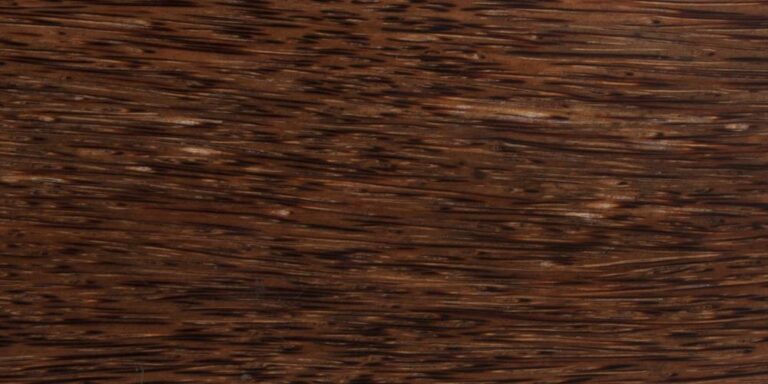
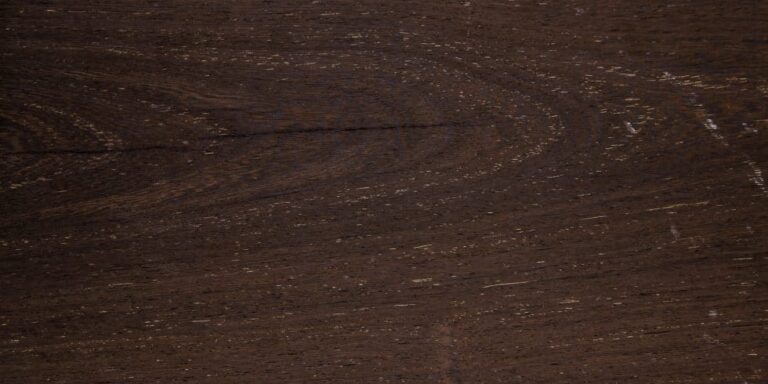
Panga Panga (Millettia stuhlmannii) is an East African hardwood from Mozambique and neighboring countries, and a close cousin of Wenge. The two share a large-pored, coarse texture and some of the same working challenges.It's usually a little lighter than Wenge, with heartwood from medium to dark brown and dark brown to black streaks. Darker boards are easily mistaken for Wenge and can turn almost black with age. Quartersawn boards show a striking, even striped look.It's hard, heavy, durable and stable, and it machines well with sharp tools, though the coarse grain benefits from a filler for a smooth finish. Like Wenge, it splinters easily, and the splinters can become inflamed, so wear gloves and take care when handling it.Panga Panga is better known internationally than in the US, and it's a popular, premium choice for parquet flooring in the UK and Europe. It's also used for fine furniture, paneling, stair treads, trim, turnings and veneer. It offers Wenge's dramatic look with a little more warmth.
fine furniture, flooring, paneling, specialty items, trim, turnings, veneer
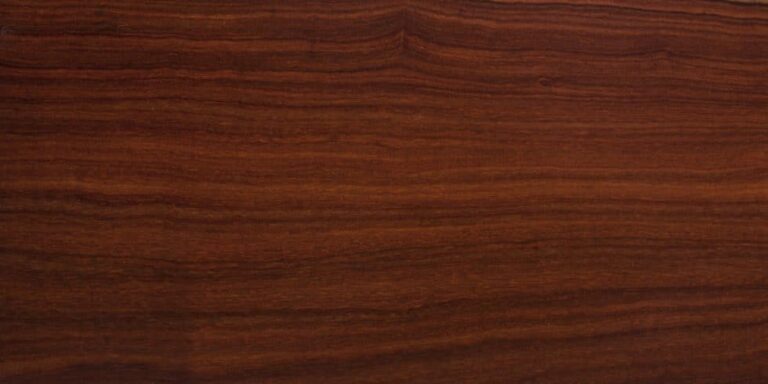
“Pau Ferro” means ironwood in Portuguese, and the name is used for several different woods. Ours is the East African Pau Ferro (Bobgunnia sp.), also known as Pau Rosa or Snake Bean, formerly classified in the Swartzia genus.It has a glorious color palette: a dark brown base with reds, oranges and yellows, sometimes with deep red-purple tones. It reminds us of an African sunset. The grain is often interlocked with a moderately coarse texture and good luster.It's hard and heavy to work, so sharp tools and patience help, but it turns and finishes well, and the color makes it worth the effort. It's very durable and stable once dry.It's used for turnings, furniture, cabinetry, flooring, knife handles and veneer. It's different from the South American Pau Ferro used for guitar fretboards, which we sell as Morado and Santos Rosewood. See also Pau Rosa.
cabinetry, flooring, furniture, specialty items, turnings, veneer
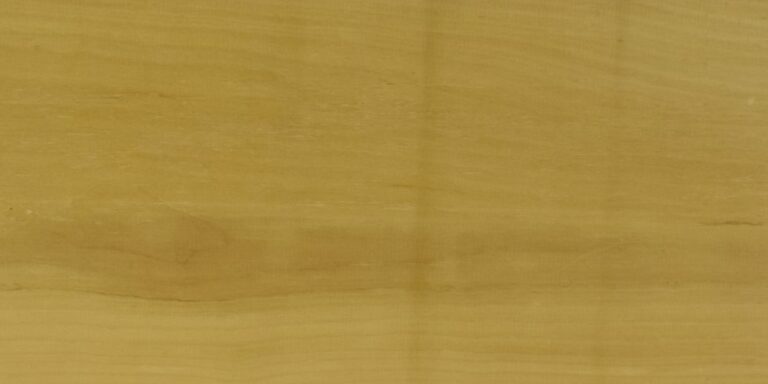
Pau Marfim (Balfourodendron riedelianum), also called Ivorywood or Guatambu, is a dense, fine-textured South American hardwood from Brazil, Argentina and Paraguay. “Marfim” means ivory in Portuguese, after its creamy white color.Its color can range from lemon to a pale yellowish-brown, with little contrast between heartwood and sapwood, though darker streaks sometimes appear. The grain is mostly straight with a very fine, even texture, and density can vary with growing conditions.It's extremely tough and very stable, and it turns excellently. It nails, screws and glues easily and polishes to a smooth, fine finish. It's harder to work than Maple or Birch, and it isn't decay-resistant, so finish it well for outdoor use.Pau Marfim looks a lot like Maple or Birch but is more wear-resistant, which makes it an excellent light-colored flooring. It's also used for tool handles, furniture, cabinetry, carving, turnings, guitar parts and even oars and canoes. For a similar pale wood, see Hard Maple.
cabinetry, canoes, carving, flooring, furniture, handles, oars, paneling, specialty items, turnings, veneer
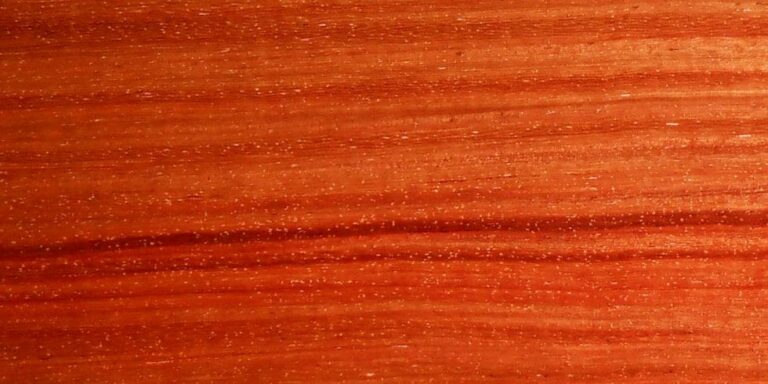
Pau Rosa (Bobgunnia sp.) is a beautiful, dense tropical African hardwood that's rarely found outside Africa. It was formerly classified in the Swartzia genus.Depending on where it grew, the color ranges from medium chocolate brown to an almost Padauk-like red or orange, sometimes mixed with yellows and purples, and it darkens with age. The grain is typically wavy or interlocked and the texture moderately coarse, with a nice luster.Despite its density, it's fairly easy to work: it needs sharp blades but planes well, and it turns, glues and finishes well. It dries slowly and tends to crack while drying, and the trees are short, so long boards are uncommon. Once dry, it's very durable and stable.Pau Rosa has excellent tonal properties and is under-appreciated in the US, largely because supply is so limited. It's used for turnings, carving, furniture, guitar backs and sides, and veneer. See also Pau Ferro.
carpentry, carving, furniture, specialty items, turnings, veneer
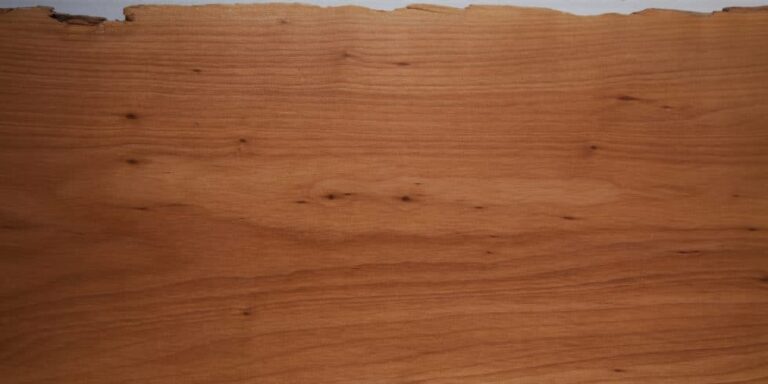
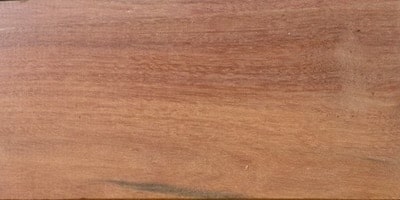
Pernambuco (Paubrasilia echinata), also called Brazilwood, is the wood that gave Brazil its name. After Portuguese explorers arrived in 1500, they found it yielded a valuable red dye, called it pau brasil (“ember-red wood”), and traded it across Europe.The heartwood ranges from muted yellow-orange through orange to red or reddish-brown, slowly darkening with age. The grain is generally straight, sometimes interlocked. It grows only in Brazil's Atlantic coastal forest, much of which has been cleared, which is why the species is now so tightly protected.Despite its density, it works very well, and its fine texture finishes nicely with an impressive natural luster.Since the late 18th century, Pernambuco has been the finest wood for violin, viola, cello and bass bows, prized for its unique combination of strength, flexibility, density and responsiveness. No other wood has matched it. It's also used for carving, inlay and turnings. For a related wood, see Chakte Viga.
carving, inlay, musical Instruments, turnings, veneer
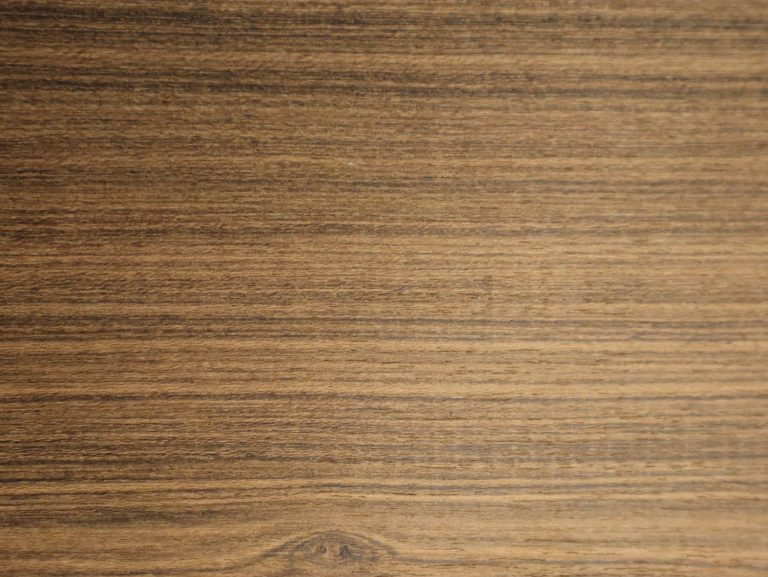
Picana Negra (Cordia alliodora), also called Bolivian Bocote, Laurel Negro or Salmwood, is a South American hardwood from the same genus as Bocote. The species grows widely from Mexico to Argentina.It has dark brown tones with black streaks and a fine texture, and some boards show grain every bit as striking as Bocote's. The color can vary from golden brown to darker chocolate depending on where the tree grew, and it darkens a little with age.It's prized by craftsmen for its workability and smooth finish, and it's a medium-weight wood that's comfortable to handle. It cuts cleanly, sands well and takes an oil or clear finish beautifully, which brings out the contrast in its streaks. It's also fairly stable and moderately durable.Picana Negra offers great grain at a fair price. It's well suited to boxes, cabinetry, fine furniture, handles, guitar backs and sides, and other musical instruments. See also its relatives Louro Preto and Ziricote.
boxmaking, cabinetry, fine furniture, handles
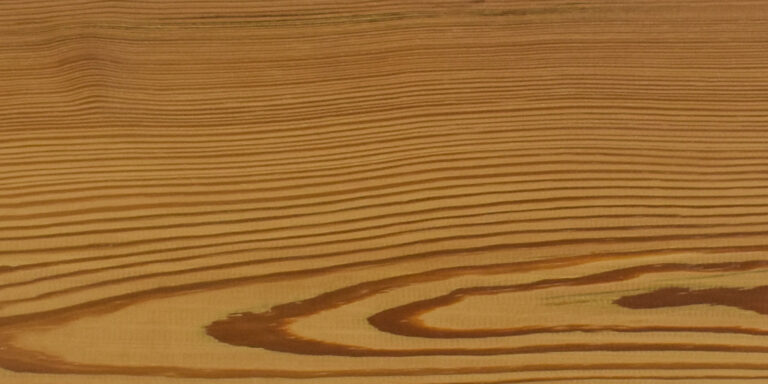
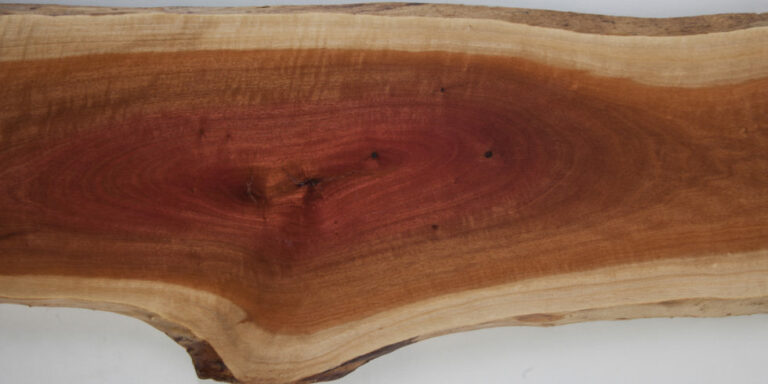
Pink Ivory (Berchemia zeyheri), also known as Red Ivory, is one of the rarest and most sought-after woods in the world. It's native to southern Africa, where it's traditionally associated with Zulu royalty, and many guitar makers see it as a “holy grail” tonewood.It's prized for its dazzling pink to red color, which ranges from pale pink to deep red, and occasional striking figure such as curl or chatoyant stripes. The texture is fine and even, with a lovely natural luster.It's very hard and dense, popular with carvers and turners, but it can be difficult to work and dulls blades. It turns beautifully and polishes to a glassy finish, and a finish with UV protection helps preserve its color. The trees are small, rarely much over 35 feet tall with trunks around a foot across, and harvesting in South Africa is limited by permit.As a result, Pink Ivory is mostly available in small, craft-sized pieces. It's used for turnings, knife handles, chess pieces, pool cues, pens, inlay and instrument parts. For another bright red wood, see Bloodwood.
chess pieces, inlay, knife handles, musical Instruments, pool cues, specialty items, turnings, veneer
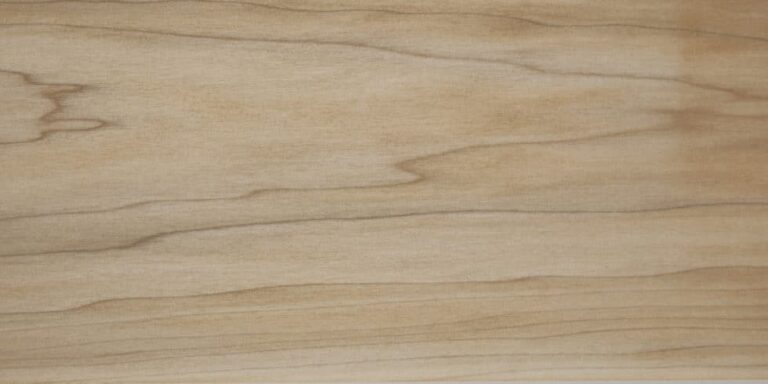
Yellow Poplar (Liriodendron tulipifera), also called Tulip Poplar or American Tulipwood, comes from the tallest hardwood tree in the eastern US, and it's one of the lightest hardwoods. Despite the name, it isn't a true poplar: its tulip-shaped flowers give it its other names.The heartwood is a light cream color, often with grey or green mineral streaks, and the sapwood is ivory to white. Especially colorful boards, with streaks running from red and purple to green and black, are known as Rainbow Poplar. The green tones darken to brown with light exposure.The grain is straight and uniform and the texture medium, so it's very easy to work, and it glues and finishes well when finely sanded. It takes paint better than almost any other hardwood, which makes it the go-to choice for painted work. It's moderately durable and very affordable.It's used for paneling, painted furniture, trim and moulding, drawer sides, crafts, carving, instruments and veneer, and it's a popular electric guitar body wood. For another light, easy-working hardwood, see Basswood.
crafting, lutherie, musical Instruments, paneling, utility lumber, veneer
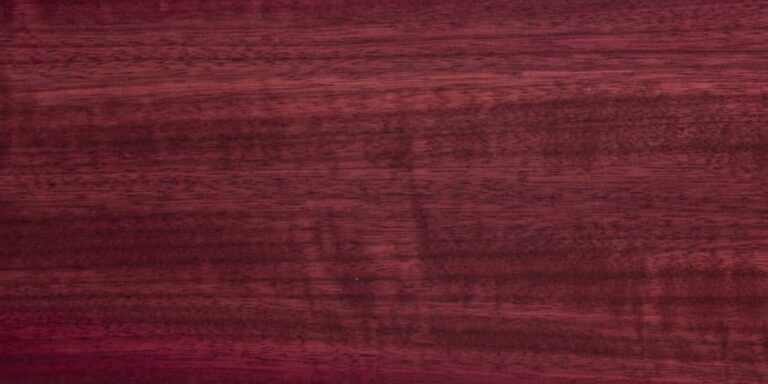
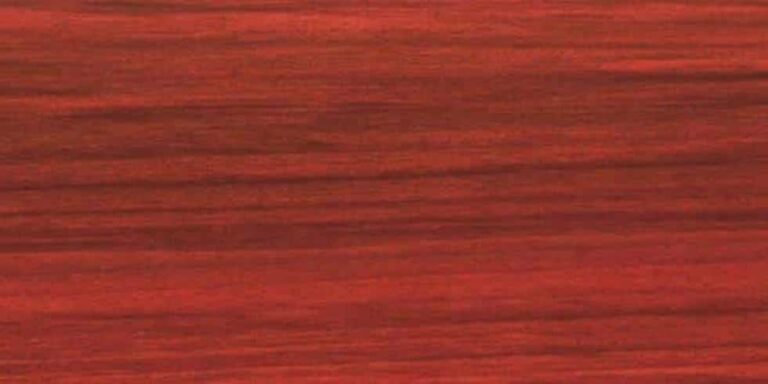
Redheart (Erythroxylum spp.), also called Chakte Kok, is a Central and South American hardwood with a bright pink to red color.The base color ranges from dull to bright pink, pinkish-red or red, with streaks of darker red, yellow, orange and occasionally purple. Like most red woods, it fades toward a brownish tone with light exposure, so a finish with UV protection is a good idea.The grain is often irregular or wild, sometimes straight, and can be wonderfully dramatic. The texture is fine and smooth, though it has little natural luster until finished. It works, turns, glues and finishes well, but dull blades can burn it when resawing, leaving a black resin that takes patient sanding.Redheart is a popular turning wood for pens, bowls and small pieces, and it's increasingly used for custom guitar necks and fretboards, inlay, boxes and accents. Its color makes it a great contrast wood in cutting boards and mixed-wood projects. For another bright red, see Bloodwood.
fine furniture, inlay, specialty items, turnings, veneer
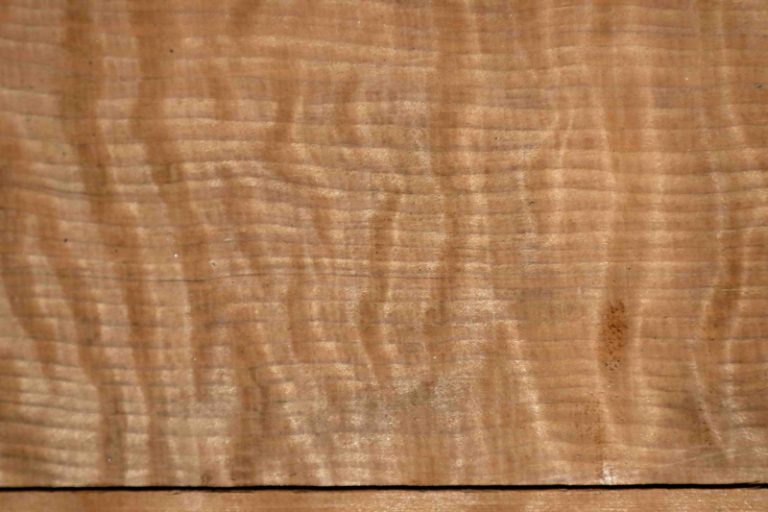
Curly Redwood (Sequoia sempervirens) is a rare, prized form of the iconic Coast Redwood, the tallest tree species on Earth, which grows along the coast of northern California and southern Oregon.Its swirling, intricate figure creates a shimmering, three-dimensional effect when properly finished, over a rich reddish-brown color. The figure comes from irregularities in the tree's growth, and much of today's curly stock is salvaged from old logs and stumps.Redwood is light and soft, so it's easy to work, but sand carefully to bring out the figure without tearing the soft grain. A clear finish makes the shimmer pop. It's naturally resistant to decay, though curly pieces are usually reserved for indoor showpieces.Curly Redwood is treasured by guitar makers for instrument tops, where it offers a warm tone and a striking look, and by woodworkers for fine furniture, cabinetry, boxes, decorative accents and specialty pieces. It's rare, and well-figured pieces are always in demand. For another figured top wood, see Quilted Maple.
cabinetry, crafting, lutherie, musical Instruments, specialty items
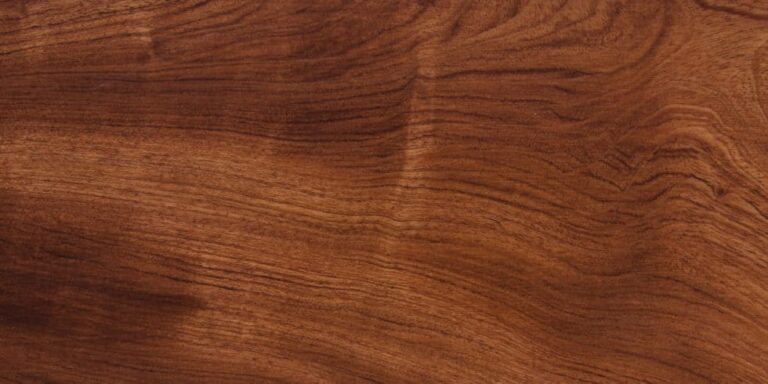
African Rosewood (Guibourtia coleosperma), also called False Mopane or Rhodesian Copalwood, grows in the dry woodlands of southern Africa. It's in the same genus as Bubinga, which is why Bubinga is often mistakenly called African Rosewood. It isn't a true rosewood, but it often has a similar look.The heartwood ranges from pink to reddish-brown with purple or red streaks. The grain is generally straight, sometimes interlocked, with a moderately fine texture and a good luster.It works well, though it can blunt tools, and it glues and finishes well. It needs slow, careful drying to avoid warping and cracking, but it's durable and stable once dry, which makes it suitable for outdoor as well as indoor use.The tree has many traditional uses in Africa: its seeds are eaten and pressed for oil, and its bark yields a red dye used to stain furniture. As lumber, it's used for flooring, furniture, decking, millwork, turnings and veneer.
boatbuilding, decking, flooring, furniture, millwork, specialty items, turnings, veneer