
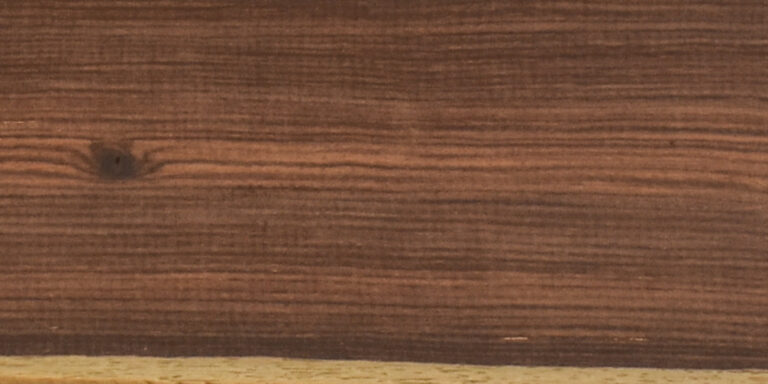
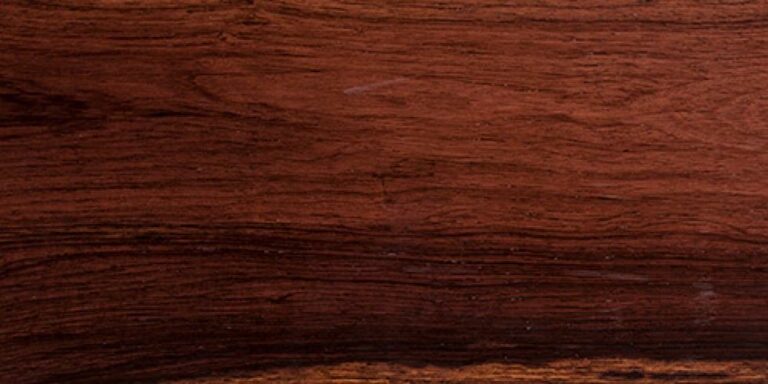
Amazon Rosewood (Dalbergia spruceana) is a true rosewood from the Brazilian Amazon. It has long been considered a good substitute for Brazilian Rosewood, but its looks and tone are good enough to stand on their own.It tends toward a darker reddish-brown than Brazilian Rosewood, often with darker streaks and occasional figure. It's noticeably heavier too: Amazon Rosewood will usually sink in water, while dry Brazilian Rosewood should float.Its density makes it challenging to work, and its oils can make gluing tricky, so wipe joints with a solvent first. It rewards the effort with a fine, lustrous polish. Like other true rosewoods, it's very durable and stable once dry, and it has the classic rosewood scent when cut.Amazon Rosewood is valued by guitar makers for backs, sides and fretboards, where it gives a rich, complex tone. It's also used for fine furniture, inlay, turnings, knife handles and veneer. See also East Indian Rosewood.
furniture, inlay, lutherie, turnings, veneer
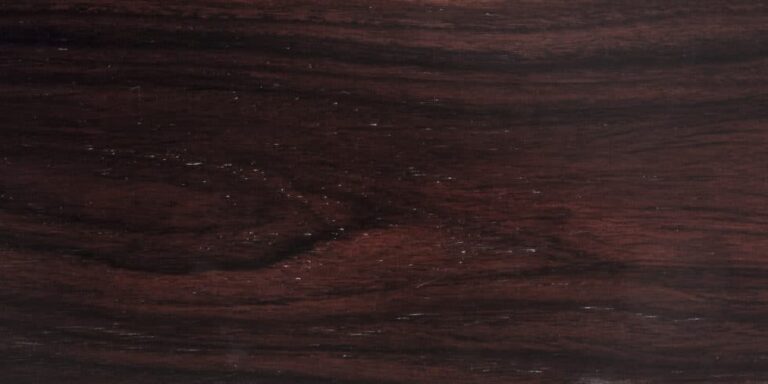
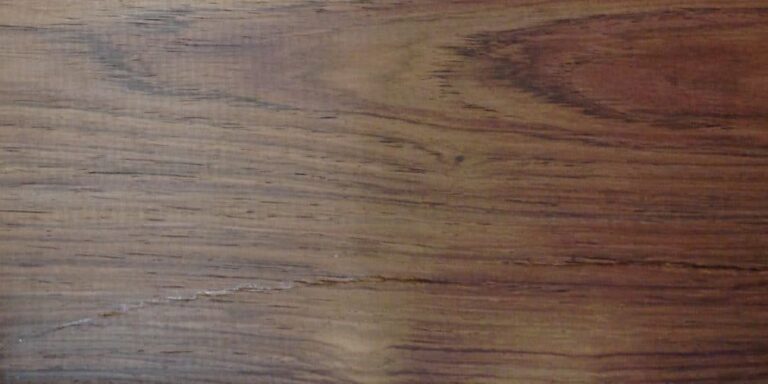
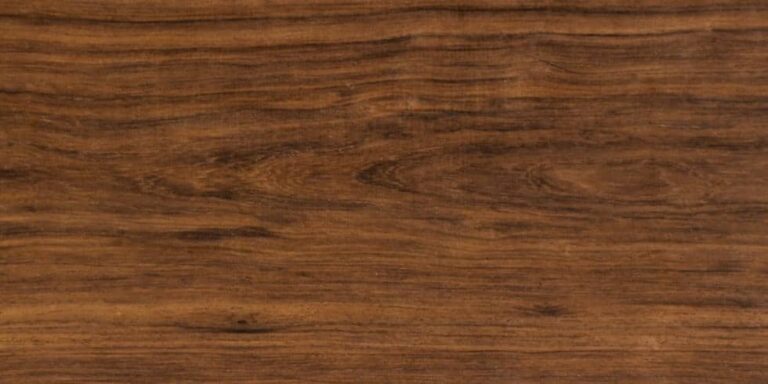
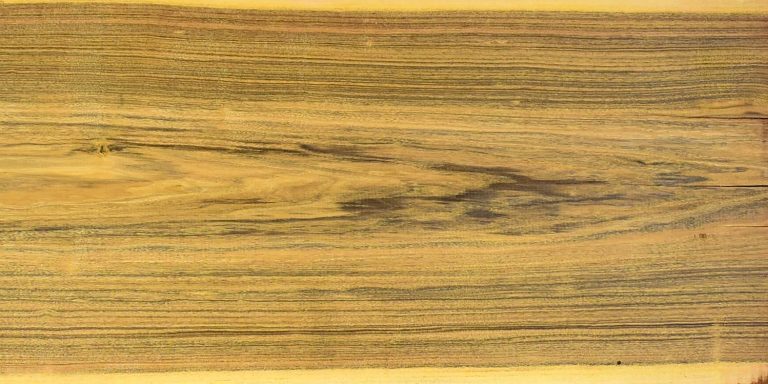
Nicaraguan Rosewood (Dalbergia tucurensis), also called Yucatan or Panama Rosewood, grows across Central America and southern Mexico. It's the lightest and softest of the true rosewoods, and its density can vary a lot by region.The heartwood ranges from pale yellow-brown and tan to light and dark browns, with clearly paler yellow sapwood. The grain is generally straight, sometimes wavy or interlocked, with a fine to medium texture and large, open pores.It's on the plainer side, though darker accents and occasional figure appear. Its color can deepen with age, and an oil finish brings out its warmth. It's surprisingly durable and less oily than other rosewoods, so it works, turns, glues and finishes very well, which makes it one of the friendliest rosewoods to use.It's used for furniture, turnings, knife handles, boxes and specialty pieces, and it's an affordable way to work with a true rosewood. For a more colorful option, see Cocobolo.
furniture, specialty items, turnings
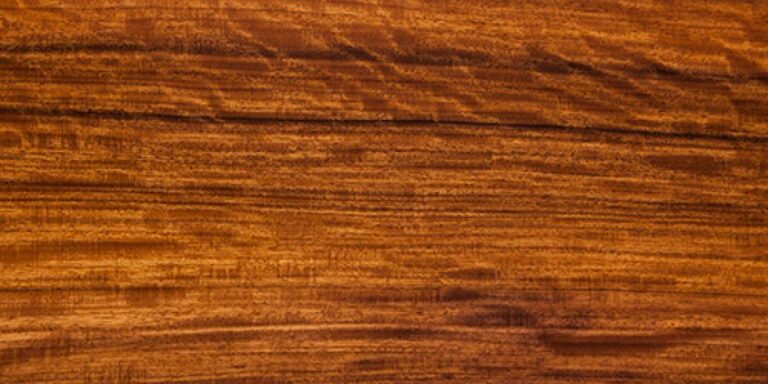
Patagonian Rosewood (Anadenanthera spp.), also called Curupau or Curupay, is a South American hardwood from Argentina, Bolivia and Paraguay. It isn't a true rosewood, but it's very dense and gorgeous to look at.The reddish-brown heartwood is streaked with darker lines that create beautiful grain patterns, and the color varies nicely from board to board, so it's worth picking pieces by eye. Its color deepens with age and exposure to light.It's hard and heavy, so sharp tools help, and interlocked grain can tear out when planed. It turns beautifully and finishes to a rich luster. Its density also makes it hard-wearing, so it holds up well to daily use.In its native region it's valued for flooring, decking and heavy construction because of its durability. It has plenty of character, making it a great choice for turnings, furniture, flooring, knife handles and specialty pieces. If you like its look, see also Morado.
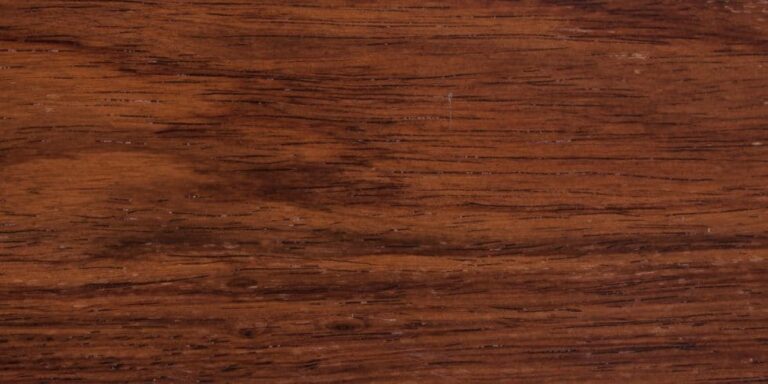
Santos Rosewood (Machaerium spp.) is more often called Pau Ferro, Bolivian Rosewood or Morado. It grows in Bolivia and Brazil, and it isn't a true rosewood, but its color and density are close, which earned it the name.It has a medium brown base with black streaks, sometimes with purple, tan and golden hues or an overall purplish tint. The grain is mostly straight with a fine to medium texture.Straight-grained boards are very easy to work, and it turns smoothly and finishes well. It's quite durable, though it can be attacked by insects, and its dust can irritate sensitive skin. A much denser wood, Brazilian Ironwood, is also sometimes sold as Pau Ferro, but most of what's available in the US is the lighter Bolivian type.Santos Rosewood is a popular Brazilian Rosewood substitute, especially for guitar fretboards, with a tight grain and a clear, focused tone that's a little brighter than rosewood. It's also used for furniture, cabinetry, flooring, knife handles, turnings and veneer.We separate Santos Rosewood from Morado, because we have two different sources of material that differ somewhat. The same genus, but this material is far more rustic than our Morado which is the quality, grain pattern and color you will likely be more familiar with.
cabinetry, flooring, furniture, specialty items, turnings, veneer
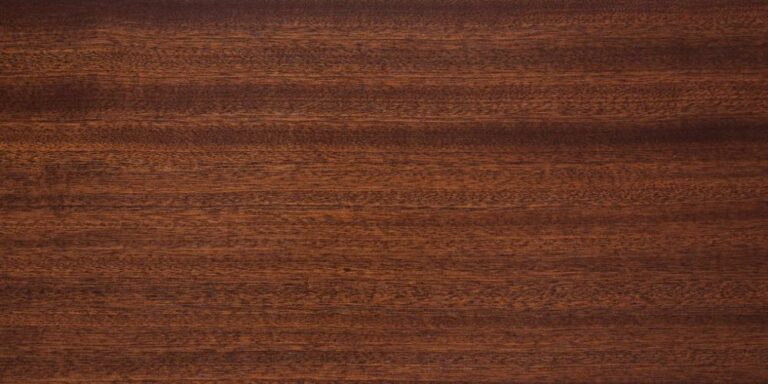
Sapele (Entandrophragma cylindricum) is an important African hardwood from the mahogany family, grown across tropical West and Central Africa. It's one of the most popular substitutes for Genuine Mahogany, at a significantly lower price.Its color ranges from light golden brown to darker reddish or pinkish-brown, darkening with age. It's moderately durable and stable, with a beautiful natural luster and a faint cedar-like scent when cut.Sapele is famous for its figure, especially the ribbon stripe on quartersawn boards, and you'll also find pommele, quilted, mottled, waterfall, beeswing and fiddleback. Highly figured boards can command high prices. It works, turns and finishes beautifully, though interlocked grain can tear out when planed, so take light final passes.The trees grow very large, so wide, long boards are readily available. Sapele is used for furniture, cabinetry, doors, windows, guitar backs, sides and necks, boatbuilding, flooring, turnings and veneer. For a close cousin, see Sipo.
boatbuilding, cabinetry, flooring, furniture, specialty items, turnings, utility lumber, veneer
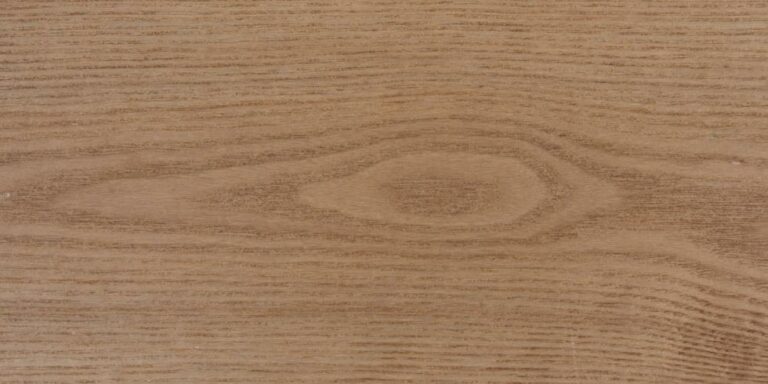
Sassafras (Sassafras albidum) is a native hardwood of the eastern United States known for its aroma. It's better known for the oil from its roots and bark, once used to flavor root beer, than for its lumber, so boards are hard to come by.Its straight grain, coarse texture and tan to light brown color make it easy to mistake for Ash, though it sometimes has pale orange to olive green tints. The color darkens to a warmer brown with age.It's fairly light, yet stable once dry, very durable and easy to work. Its pleasant, spicy scent is noticeable when you cut it. It glues and finishes well and takes a clear finish nicely, which warms its color.Sassafras was traditionally used for boat building, fence posts and buckets, thanks to its rot resistance. Today it's used for furniture, boatbuilding, turnings, boxes and general woodworking. The trees are small, so even craft-sized pieces aren't often offered. Because the dust can irritate, use dust extraction when sanding.
boatbuilding, furniture, turnings, utility lumber
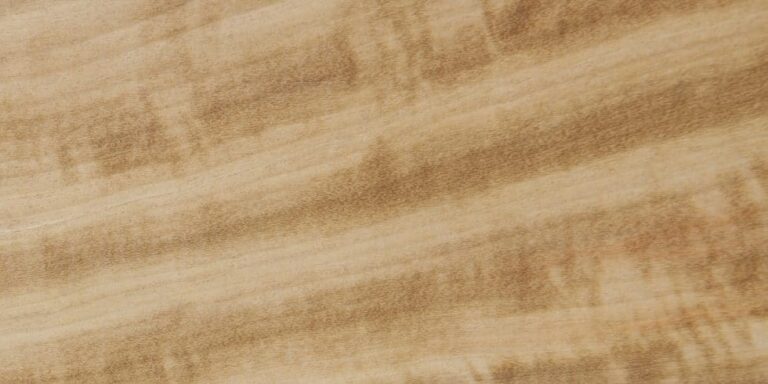
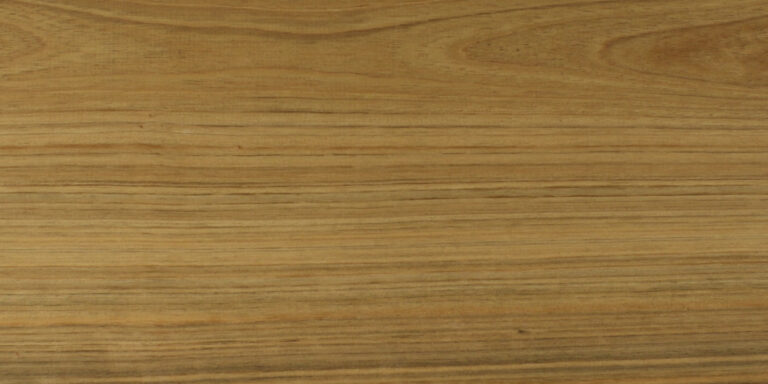
Shedua (Guibourtia ehie), also called Ovangkol, is a West African hardwood and a cousin of Bubinga, though it looks quite different. It's a popular African tonewood.The heartwood ranges from light to medium yellow to light orange or reddish-brown, usually with darker brown or black stripes, and the sapwood is pale yellow. Tiger stripe, fiddleback and mottled figure turn up on occasion, and boards can vary so much they look like different species.The grain can be straight, wavy or interlocked, with a medium texture and nice luster. It's tough and durable and generally works well, though its silica can gum up blades, and interlocked boards can tear out. It turns, glues and finishes well.Guitar makers use it as a rosewood alternative for backs and sides, with a similar warm tone, and some denser pieces are used for fretboards. It's also used for electric guitar bodies, furniture, cabinetry, flooring, trim, turnings and veneer.
cabinetry, flooring, furniture, trim, turnings, veneer
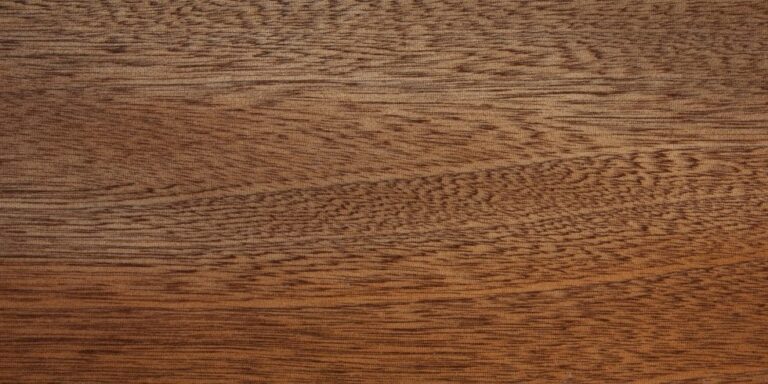
Sipo (Entandrophragma utile), also called Utile or Sipo Mahogany, is a West and Central African wood from the mahogany family. It's considered the closest in looks to Genuine Mahogany, though it isn't a true mahogany.The heartwood is a rich reddish-brown that deepens with age. Its interlocked grain gives quartersawn boards a striking light-and-dark striped look, which can be stunning in more chatoyant pieces. It's similar to its cousin Sapele, but a little more porous and richer in color, with a more even ribbon.It's easier to work than African Mahogany, with less tear-out, and its hardness falls between that and Genuine Mahogany. It glues and finishes well and is moderately durable. Like many such woods, it can stain when in contact with iron.Its modest price has made Sipo a highly regarded mahogany substitute for furniture, cabinetry, windows and doors, boatbuilding, guitar necks and bodies, carving, turnings and veneer.
boatbuilding, cabinetry, carving, furniture, turnings, veneer
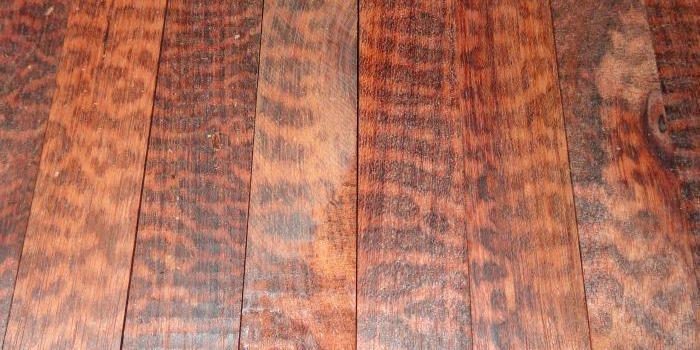
Snakewood (Brosimum guianense) is one of the rarest and most distinctive woods in the world. Its pale yellow, orange-brown or reddish-brown background is covered in dark markings that look remarkably like snakeskin.The grain is usually straight and the texture exceptionally fine, giving finished pieces a remarkable luster. It's a close relative of Bloodwood.It's extremely dense and hard, and it can be brittle, splintering or cracking during machining, so razor-sharp tools and patience are essential. It turns beautifully and polishes to an extraordinary finish.The trees have slender trunks and yield little clear wood, so Snakewood is mostly sold as small billets, turning blanks, scales and pen and bow blanks. It's one of the most expensive woods per board foot, and a favorite for knife and gun handles, inlay, luxury pens, instrument parts and violin bows.
fine furniture, specialty items, turnings
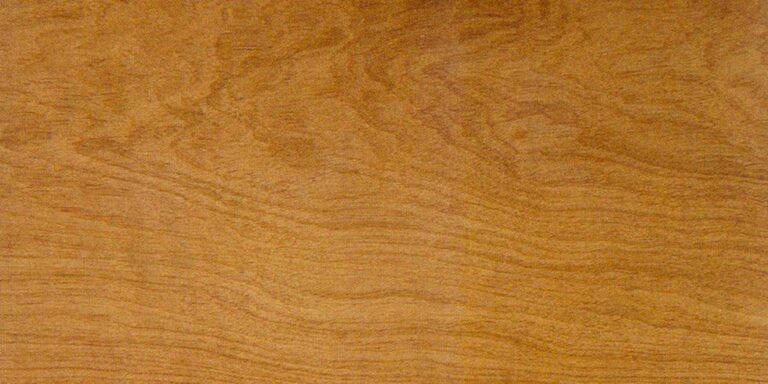
Sneezewood (Ptaeroxylon obliquum) is a South African hardwood with a reputation as one of the most durable, rot- and insect-resistant woods in the world, once classed as “imperishable” in its homeland. The name comes from the fine, peppery dust, which can make you sneeze.The heartwood is light to medium golden brown, sometimes darker toward the center, with a fine texture and an attractive sheen. The grain is straight or wavy, sometimes interlocked, and the wood is aromatic when worked.It's dense, which makes it somewhat difficult to work, but it's very stable once dry. It turns and finishes well, though its natural oils can make gluing tricky. Use good dust extraction and a mask.Sneezewood has long been used for fence posts, railway sleepers and bearings in South Africa, where old posts are said to have lasted for generations. Today it's used for turnings, carving, furniture, knife handles, specialty pieces and demanding outdoor work. For another tough South African wood, see Leadwood.
carving, construction, furniture, specialty items, turnings, utility lumber
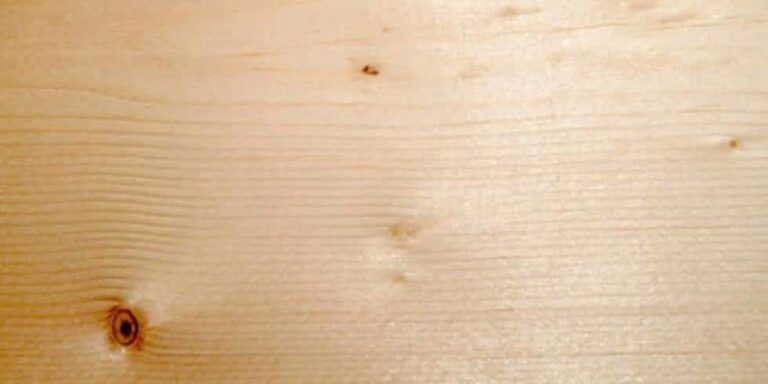
Engelmann Spruce (Picea engelmannii) grows high in the mountains of western North America, from British Columbia and Alberta down through the Rockies. It's prized by acoustic guitar makers for soundboards, thanks to its resonance and quick, responsive tone.The wood is light off-white to cream, a touch paler than Sitka, with straight grain and a fine, even texture. It's generally easy to work with hand and power tools, though it can blotch when stained, so a sealer coat or a clear finish is the safer choice.What makes it special for instruments is its stiffness-to-weight ratio. Construction-grade spruce is plentiful and inexpensive, but small knots are common, so clear, tight-grained, quartersawn billets come from slow-grown, high-altitude trees and are priced accordingly.Sitka Spruce is more widely used for guitar tops, but many builders prefer Engelmann for fingerstyle and classical guitars, where its warm, open sound and lighter weight really shine. It's also used for harps, mandolins, violin family tops and other instruments. For another classic soundboard wood, see Western Red Cedar.
construction, harps, lutherie, musical Instruments
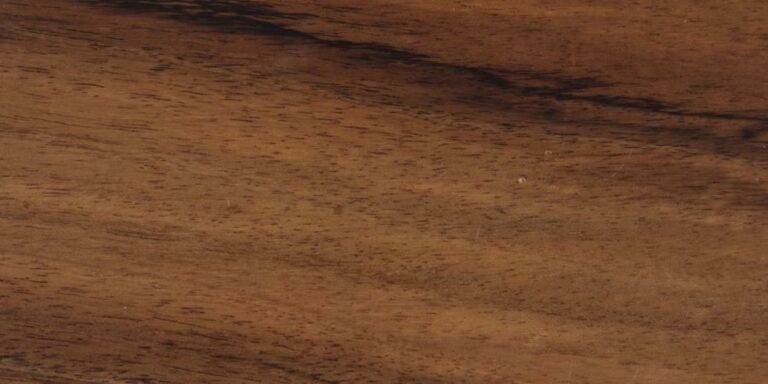
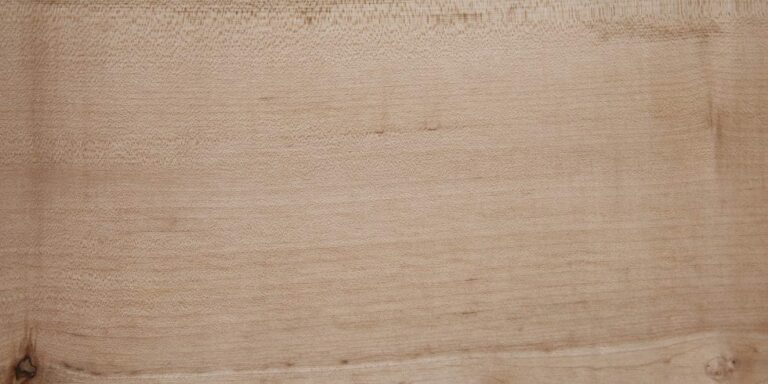
European Sycamore (Acer pseudoplatanus), also called French Sycamore, is a true maple, not the American sycamore or plane tree. As with other maples, the pale sapwood is the part that's prized.The sapwood ranges from almost pure white to light cream, sometimes tinted golden or muted red, while the heartwood is a medium to dark reddish-brown. The grain is usually straight, sometimes wavy, and figured boards with strong curl or flame can be truly dramatic.Its fine, even texture makes it easy to work by hand or machine, though like other maples it can burn with dull cutters or slow feed rates. It turns, glues and finishes well, with a good natural luster, and its pale color takes stains and dyes evenly.European Sycamore has been the traditional wood for the backs, sides and necks of violins, violas, cellos and basses for centuries, valued for its resonance at a moderate weight, which is why it's usually sold quartersawn. It's also used for furniture, cabinetry, flooring, turnings and veneer. For a North American cousin, see Curly Hard Maple.
cabinetry, flooring, furniture, joinery, millwork, musical Instruments, specialty items, turnings, utility lumber, veneer
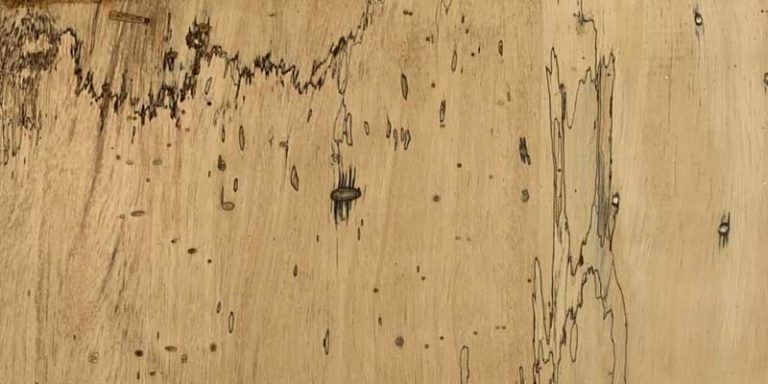
Spalted Tamarind (Tamarindus indica) comes from Southeast Asia, where fungi create wild, spiderweb-like patterns of black lines through the wood. The tamarind tree is better known for its sweet-sour fruit pods, but its timber makes some of the most dramatic spalted stock around.The spalting is mostly in the creamy sapwood, which is prone to the fungi and insects that cause it. The result adds real character and excitement to every piece, and no two are alike. Where heartwood is present, it's a much darker reddish-brown to purplish-brown, which makes for striking contrast.It's moderately difficult to work but turns and finishes well. Sometimes the decay goes deeper than the surface suggests, leaving soft spots, so expect some waste and consider stabilizing softer pieces before turning. Use good dust collection and a dust mask, as fungal spores add to the dust.Spalted Tamarind is a favorite with turners and box makers, and it's also used for inlay, knife scales, pen blanks and other specialty pieces. For another spalted wood, see Spalted Maple.
boxmaking, inlay, specialty items, turnings
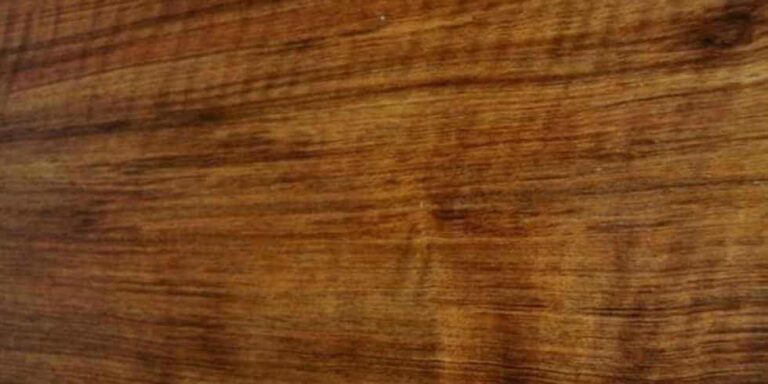
Tamboti (Spirostachys africana), also called African Sandalwood, is a beautiful southern African hardwood with a pleasant, sandalwood-like scent that lingers in finished pieces.The heartwood is brown to dark brown with darker markings and streaks, clearly set apart from the whitish to pale yellow sapwood. The grain is straight to slightly wavy and the texture fine and even, with a lovely banded figure and a satin luster that feels slightly oily to the touch.It's hard, heavy, very stable and exceptionally resistant to rot and insects. Its natural oils and latex tend to gum up saw blades, so clean blades often, but it turns, carves and finishes beautifully. The tree's sap is toxic and the sawdust can irritate eyes and skin, so wear eye protection and a mask, and never burn offcuts, as the smoke is harmful.Tamboti has long been a favorite of carvers and furniture makers in its home range. It's used for carving, turnings, furniture, cabinetry, flooring and specialty pieces such as boxes, pens and knife handles. See also Kiaat.
boatbuilding, cabinetry, carving, construction, flooring, furniture, specialty items, turnings
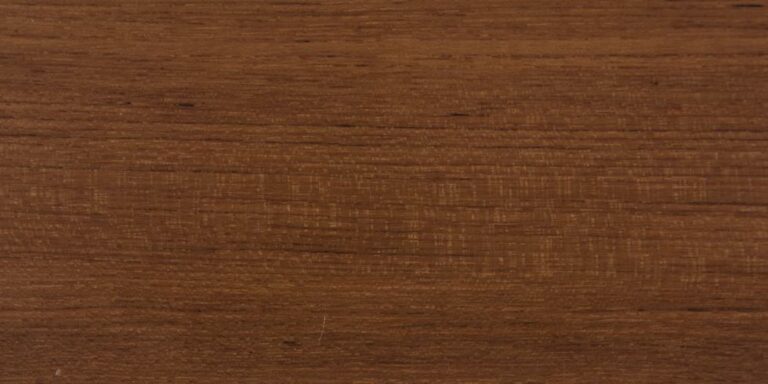
Burmese Teak (Tectona grandis), often called Genuine Teak, is one of the world's best-known woods. Teak from Myanmar has long been regarded as the benchmark, and it's prized less for its looks than for its toughness, rot resistance and durability.The heartwood is light to medium brown, with a tint from muted gold to pale red, and it darkens to a warm, rich brown with age. The sapwood is pale white to yellowish-brown. The grain is usually straight, sometimes wavy or interlocked, with a coarse, slightly oily feel.Its high natural oil content makes it very resistant to weather, water and insects, and it's exceptionally stable. It generally works well, but its silica content dulls blades quickly, so carbide tooling helps. The oils can affect glue joints and some finishes, so wipe surfaces with a solvent first.Teak has always done well around water, in boats, ships and docks, and steady demand keeps its price high. It's the classic wood for boatbuilding, decking and outdoor furniture, and it's also used for flooring, carving, turnings and veneer. See also Zambezi Teak.
boatbuilding, carving, construction, flooring, furniture, turnings, veneer
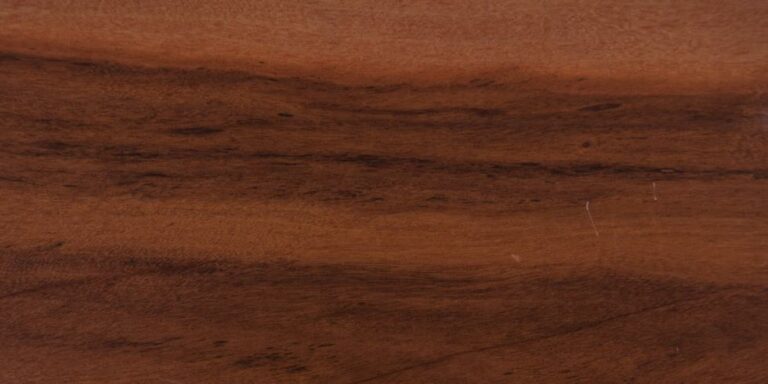
Zambezi Teak (Baikiaea plurijuga), also called Rhodesian Teak or Mukusi, grows on the Kalahari sands of Zambia, Zimbabwe, Botswana and Namibia. It isn't a true teak, but it shares Teak's stability, durability and rot resistance.The heartwood is reddish-brown with prominent, irregular black lines and flecks, and the sapwood is a pale muted pink that's clearly set apart. Unlike true Teak, it's extremely dense and hard, with low shrinkage and excellent stability once dry.The grain is generally straight or slightly interlocked with a fine texture, but its density makes it very difficult to work. Its silica content can quickly dull and gum up blades, so sharp carbide tooling is a must, and pre-drilling is needed for screws and nails. When moist, it can stain in contact with iron.Zambezi Teak is famous for hard-wearing flooring, and it was used for railway sleepers across southern Africa for many years. It's also used for turnings, carving, instrument parts and veneer. For genuine teak, see Burmese Teak.
carving, flooring, musical Instruments, specialty items, turnings, veneer
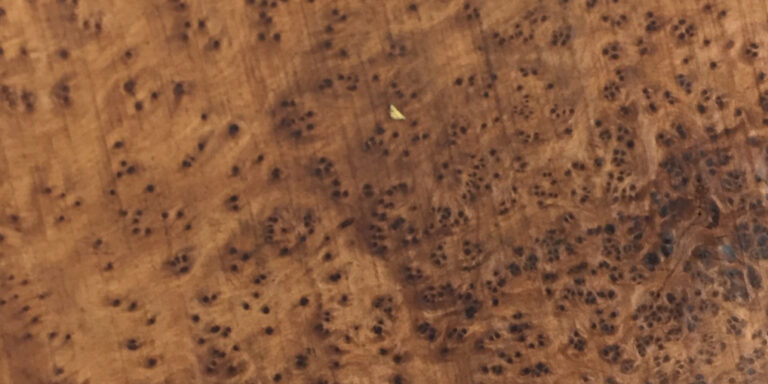
Thuya Burl (Tetraclinis articulata) comes from Morocco and is one of the most beautiful burls you can buy. The burl grows at the base of the tree, partly underground, and is carefully dug out by hand.It's a rich reddish-brown, with dense, swirling figure and clusters of tiny “eyes” that vary from block to block. It also has a distinctive, spicy scent similar to Western Red Cedar, which comes through every time you cut or sand it.The figure makes it prone to tear-out, so work it carefully with very sharp tools and light passes, and expect the occasional natural void or inclusion. It sands well and polishes to a deep, glowing finish, and many pieces need nothing more than oil or wax to show off their figure.Moroccan craftsmen in Essaouira have made fine boxes and inlaid work from Thuya for generations. Highly figured pieces make stunning knife handles, boxes, pens, inlay and other accent pieces. It's a premium wood and the price reflects that. For another prized burl, see Masur Birch.
boxmaking, inlay, specialty items
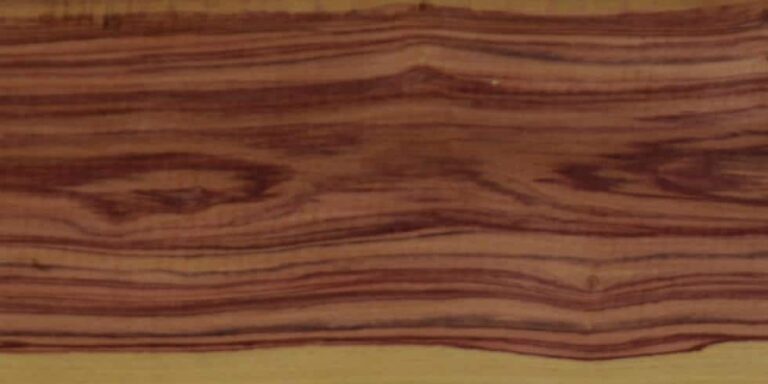
Tulipwood (Dalbergia decipularis), also called Brazilian Tulipwood or Pinkwood, is one of the most coveted and seldom-seen rosewoods. It grows in northeastern Brazil and is unrelated to Tulip Poplar, which is sometimes sold under the same name.The heartwood is cream to salmon, striped with reds, violets, purples, pinks and rose, and the sapwood is pale yellow. It has a mild, sweet scent when cut. The color slowly fades with exposure to light, so a UV-resistant finish helps preserve it.The grain is mostly straight, sometimes wavy or irregular. It's dense and oily, which makes it challenging to work and glue, so keep tools sharp and wipe joints with a solvent first. Despite its open grain, it sands very smooth and polishes to a pleasing luster.The trees are small, so long, wide boards are rare and command a premium, and most Tulipwood comes in craft-sized pieces. It's been a favorite for fine furniture inlay and banding for centuries, and it's used for boxes, turnings, pool cues, bows and instrument parts. For a lower-priced alternative, see Canarywood.
bandings, bows, boxmaking, inlay, musical Instruments, pool cues, specialty items, turnings, veneer