
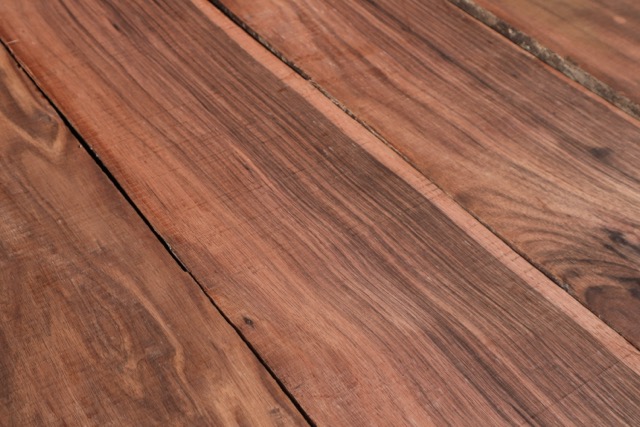
Malaysian Blackwood (Diospyros ebonasea), also called Malaysian Ebony, is a true ebony from Southeast Asia.It's prized for its dense, dark heartwood, which ranges from deep brown to black. Many boards show striking spiderweb-like patterns, so each piece is unique.Like other ebonies it's hard and dense, so use sharp tools and take your time. The reward is a smooth surface that polishes to a fine, lustrous finish and holds crisp detail.Malaysian Blackwood is used for musical instruments, fine furniture, boxes, turnings and other luxury pieces where its color and figure can stand out. If you like its look, take a look at Ziricote and Amara Ebony too.
boxmaking, cabinetry, crafting, fine furniture, lutherie, musical Instruments, specialty items, turnings
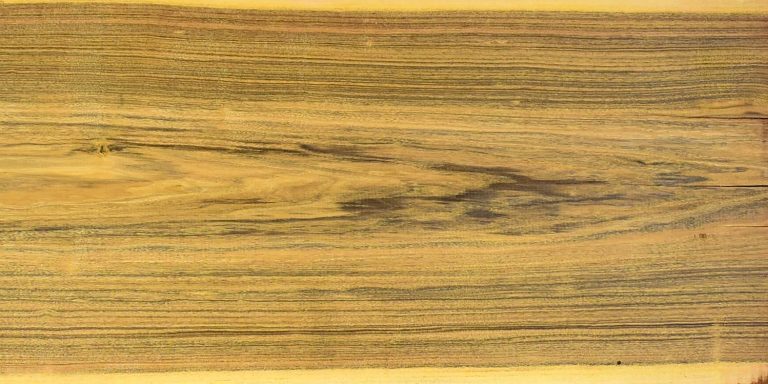
Patagonian Rosewood (Anadenanthera spp.), also called Curupau or Curupay, is a South American hardwood from Argentina, Bolivia and Paraguay. It isn't a true rosewood, but it's very dense and gorgeous to look at.The reddish-brown heartwood is streaked with darker lines that create beautiful grain patterns, and the color varies nicely from board to board, so it's worth picking pieces by eye. Its color deepens with age and exposure to light.It's hard and heavy, so sharp tools help, and interlocked grain can tear out when planed. It turns beautifully and finishes to a rich luster. Its density also makes it hard-wearing, so it holds up well to daily use.In its native region it's valued for flooring, decking and heavy construction because of its durability. It has plenty of character, making it a great choice for turnings, furniture, flooring, knife handles and specialty pieces. If you like its look, see also Morado.
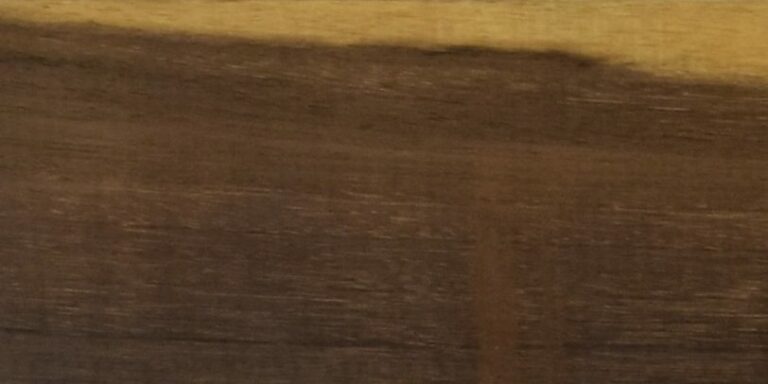
Brown Ebony (Libidibia paraguariensis), also called Brazilian Ebony or Guayacan, is a South American hardwood. It isn't a true ebony, but it shares the ebonies' density and hardness, which is where the name comes from.The heartwood is a deep chocolate to dark brown, sometimes with darker streaks and a subtle olive or reddish tint. It's a little odd to call a brown wood “ebony,” but once you feel its weight, the comparison makes sense. The texture is fine and even, with a good natural luster.It's very dense and hard to work, so sharp tools and patience are needed, and it can dull blades quickly. The effort pays off in a smooth, glassy finish with a rich, deep color, and it turns exceptionally well.Brown Ebony is popular for turning, musical instrument parts, inlay, carving, knife handles and decorative pieces. It isn't often available, so it's a nice one to add to your collection. For true ebonies, see Gabon Ebony and Macassar Ebony.
carving, furniture, inlay, turnings
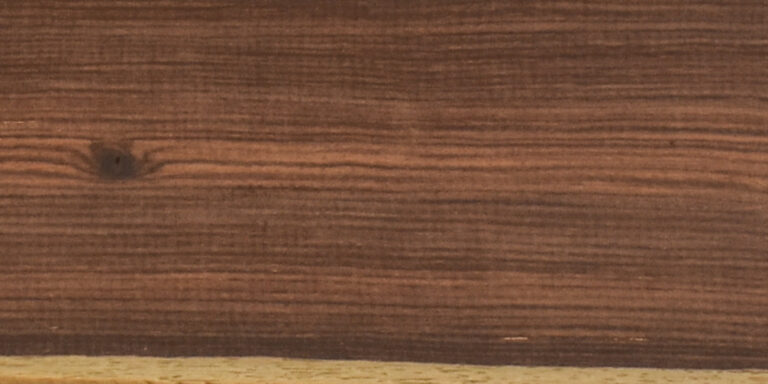
Amazon Rosewood (Dalbergia spruceana) is a true rosewood from the Brazilian Amazon. It has long been considered a good substitute for Brazilian Rosewood, but its looks and tone are good enough to stand on their own.It tends toward a darker reddish-brown than Brazilian Rosewood, often with darker streaks and occasional figure. It's noticeably heavier too: Amazon Rosewood will usually sink in water, while dry Brazilian Rosewood should float.Its density makes it challenging to work, and its oils can make gluing tricky, so wipe joints with a solvent first. It rewards the effort with a fine, lustrous polish. Like other true rosewoods, it's very durable and stable once dry, and it has the classic rosewood scent when cut.Amazon Rosewood is valued by guitar makers for backs, sides and fretboards, where it gives a rich, complex tone. It's also used for fine furniture, inlay, turnings, knife handles and veneer. See also East Indian Rosewood.
furniture, inlay, lutherie, turnings, veneer
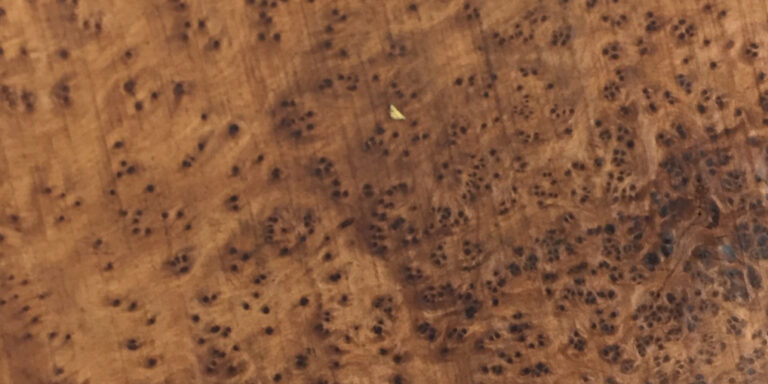
Thuya Burl (Tetraclinis articulata) comes from Morocco and is one of the most beautiful burls you can buy. The burl grows at the base of the tree, partly underground, and is carefully dug out by hand.It's a rich reddish-brown, with dense, swirling figure and clusters of tiny “eyes” that vary from block to block. It also has a distinctive, spicy scent similar to Western Red Cedar, which comes through every time you cut or sand it.The figure makes it prone to tear-out, so work it carefully with very sharp tools and light passes, and expect the occasional natural void or inclusion. It sands well and polishes to a deep, glowing finish, and many pieces need nothing more than oil or wax to show off their figure.Moroccan craftsmen in Essaouira have made fine boxes and inlaid work from Thuya for generations. Highly figured pieces make stunning knife handles, boxes, pens, inlay and other accent pieces. It's a premium wood and the price reflects that. For another prized burl, see Masur Birch.
boxmaking, inlay, specialty items
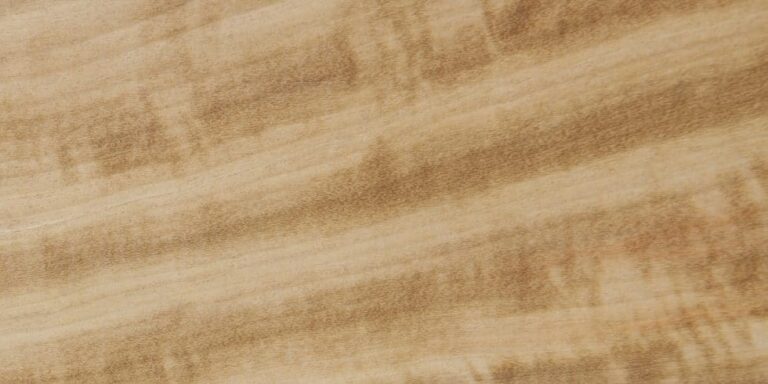
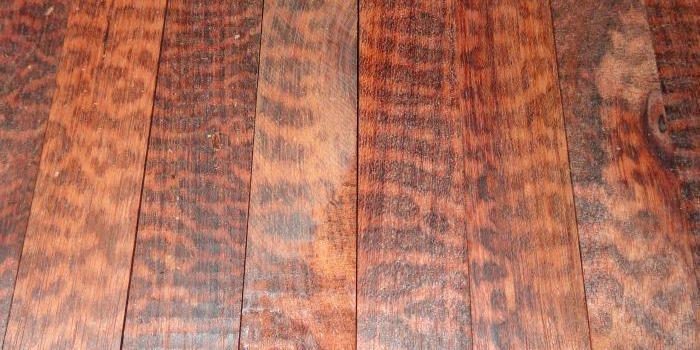
Snakewood (Brosimum guianense) is one of the rarest and most distinctive woods in the world. Its pale yellow, orange-brown or reddish-brown background is covered in dark markings that look remarkably like snakeskin.The grain is usually straight and the texture exceptionally fine, giving finished pieces a remarkable luster. It's a close relative of Bloodwood.It's extremely dense and hard, and it can be brittle, splintering or cracking during machining, so razor-sharp tools and patience are essential. It turns beautifully and polishes to an extraordinary finish.The trees have slender trunks and yield little clear wood, so Snakewood is mostly sold as small billets, turning blanks, scales and pen and bow blanks. It's one of the most expensive woods per board foot, and a favorite for knife and gun handles, inlay, luxury pens, instrument parts and violin bows.
fine furniture, specialty items, turnings
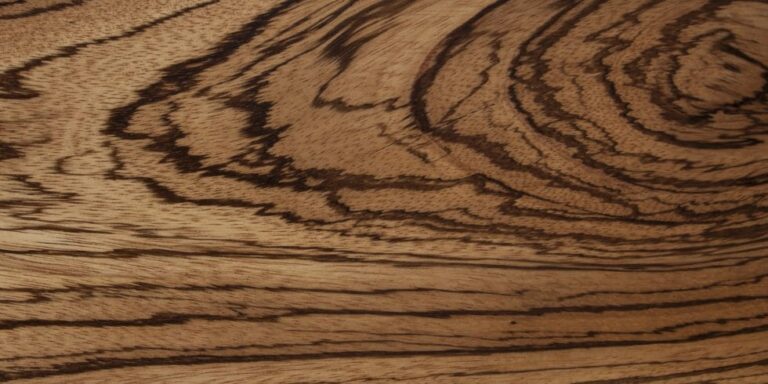
Zebrawood (Microberlinia brazzavillensis), also called Zebrano, is a tough, durable West African wood with bold dark brown to almost black stripes on a pale gold to off-white base. Few woods are as instantly recognizable.Quartersawn boards show long, fairly even stripes, while flat-sawn boards are wavy and wild. The sapwood is pale and unstriped, so it's easy to spot. Once dry, it's a strong, stiff wood, though most people choose it purely for its looks.The texture is coarse with open pores, and the grain is often wavy or interlocked, so planing can be a challenge. Keep blades sharp to minimize tear-out, and fill the pores if you want a glass-smooth finish. It glues well and has a pleasant luster. It can be hard to dry and may warp, so quartersawn stock is the more stable choice, and small voids along the dark stripes aren't unusual.Zebrawood's looks keep it in steady demand with veneer mills around the world, which makes it moderately expensive despite good supply. It's used for veneer, fine furniture, accent panels, handles and turnings. For a lower-priced alternative, see Ababa.
fine furniture, handles, turnings, veneer
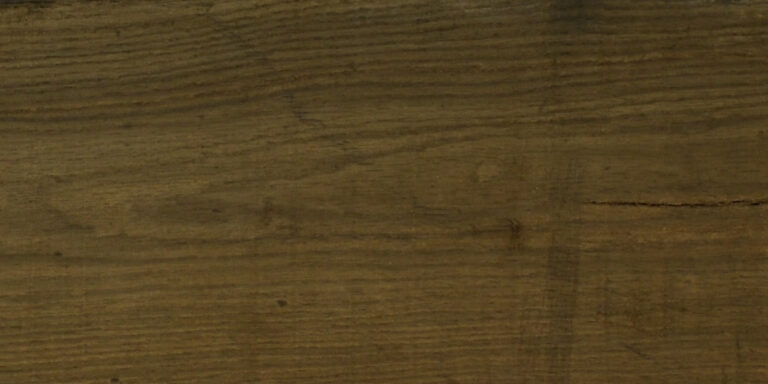
Bog Oak is English Oak (Quercus robur) that has been preserved for centuries, often thousands of years, in a peat bog. Ancient trees fell into the wet ground and were sealed away from the air, then recovered when bogs are drained or dug.Starved of oxygen, the wood doesn't rot. Instead, minerals in the acidic peat react with the tannins in the oak and slowly turn it dark brown to almost black. Some pieces have been radiocarbon-dated to several thousand years old, and every piece has its own history and character.It works much like other oak once dry, though it can be more brittle, so take light passes and handle it with care. Drying must be slow and careful, which is part of why it's so rare. It finishes to a deep, rich luster that no stain can match.Bog Oak is a rare, special wood for boxes, knife handles, jewelry, inlay, pens and small furniture pieces, and it makes a remarkable talking point. See also Slavonian Oak, the same species in its fresh form.
boxmaking, furniture, knife handles
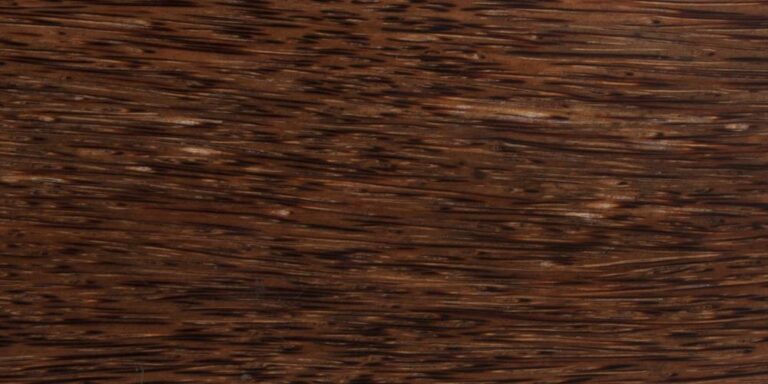
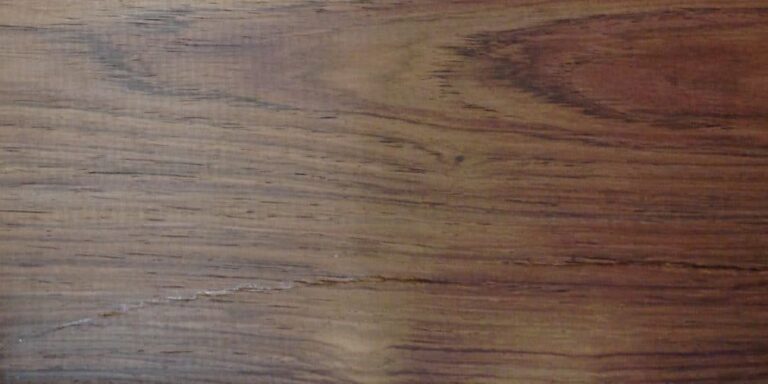
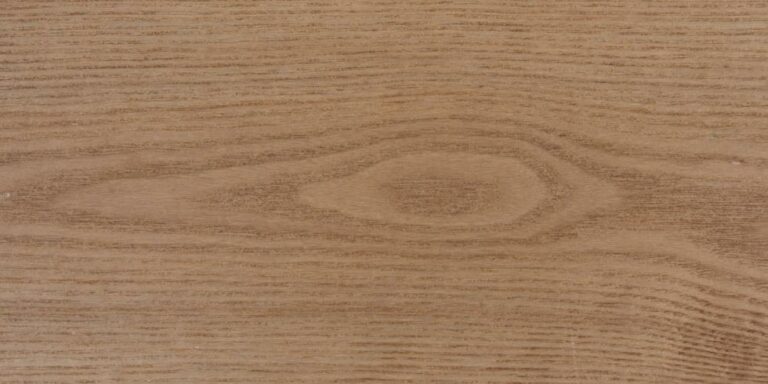
Sassafras (Sassafras albidum) is a native hardwood of the eastern United States known for its aroma. It's better known for the oil from its roots and bark, once used to flavor root beer, than for its lumber, so boards are hard to come by.Its straight grain, coarse texture and tan to light brown color make it easy to mistake for Ash, though it sometimes has pale orange to olive green tints. The color darkens to a warmer brown with age.It's fairly light, yet stable once dry, very durable and easy to work. Its pleasant, spicy scent is noticeable when you cut it. It glues and finishes well and takes a clear finish nicely, which warms its color.Sassafras was traditionally used for boat building, fence posts and buckets, thanks to its rot resistance. Today it's used for furniture, boatbuilding, turnings, boxes and general woodworking. The trees are small, so even craft-sized pieces aren't often offered. Because the dust can irritate, use dust extraction when sanding.
boatbuilding, furniture, turnings, utility lumber
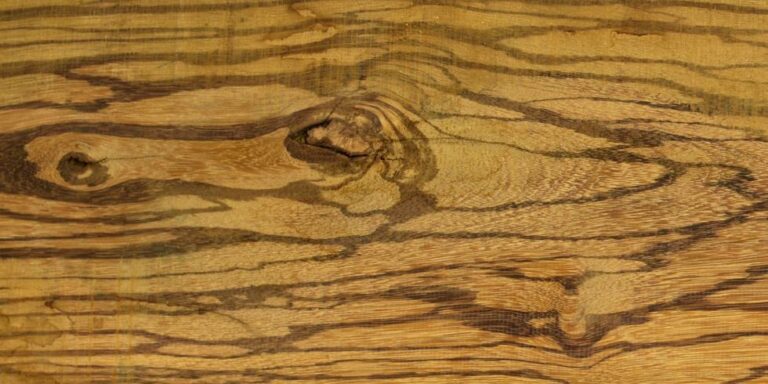
Marblewood (Zygia racemosa) is a South American hardwood that gets its name from its marble-like look: pale yellow wood streaked with dark brown, purple or black.Only the heartwood carries the striping, which is random and irregular, so no two pieces are alike. It looks a little like Zebrawood, but it's coarser and unrelated. Premium boards have bold, high-contrast stripes with few defects.It's heavy, dense and strong, which can make it hard to work, especially where the grain is interlocked, but it's very stable and can be sliced thin and hold its shape. It's also resinous, so thorough kiln-drying is essential if you plan to finish it. Small surface checks that won't sand out are common, so pick boards carefully. Sharp blades and a bit of patience deliver stunning results.Marblewood is popular with turners, and its strength and durability also suit flooring, furniture, cabinetry, carving, knife handles and veneer. For another striped wood, see Goncalo Alves.
cabinetry, carving, flooring, furniture, turnings, utility lumber, veneer
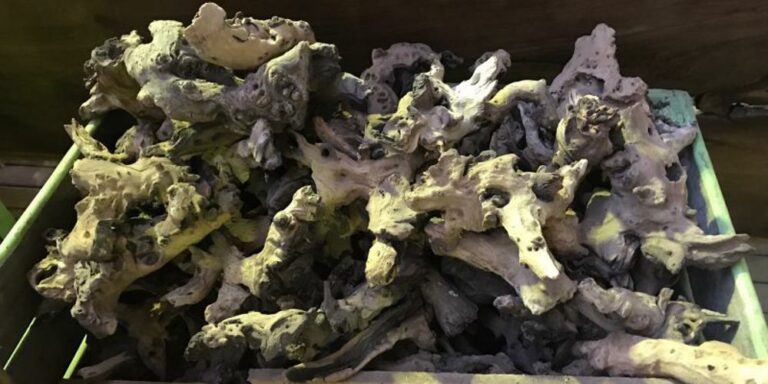
Mopane (Colophospermum mopane) is one of the densest, most stable and durable woods in the world, and still one of southern Africa's best-kept secrets. The tree is known for its butterfly-shaped leaves and is an important food source for the mopane worm, a local delicacy. We stock the roots, and the details here describe the wood.The heartwood is medium to dark brown with a golden to reddish tint, often with black streaks. It's very resistant to insects and has long been used outdoors in its native region. Root pieces offer some of the most interesting figure, with swirling grain and natural shapes.The interlocked grain and great density make it hard to work, but it turns smoothly, polishes to a deep luster and holds fine detail. The trees grow wide and irregular, so large boards are rare.Mopane has been used for centuries for carved woodwind instruments and is valued for its tone, similar to African Blackwood, and it's used today for bagpipe chanters and clarinets. It's a favorite with turners and carvers, and root pieces make striking bowls, bases and natural-edge art.
carving, construction, fencing, flooring, furniture, turnings, utility lumber
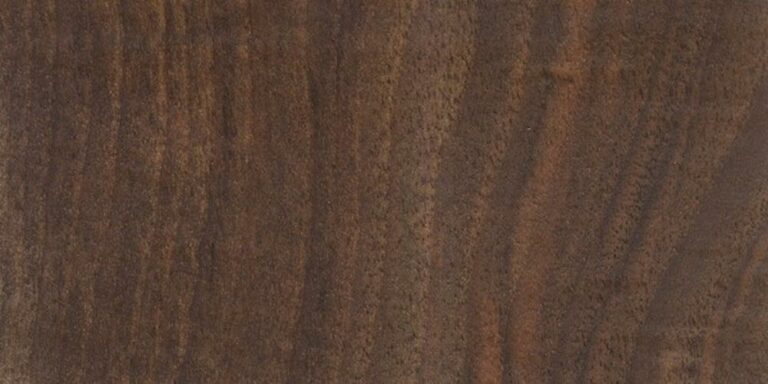
Nogal (Juglans spp.), also known as Peruvian Walnut or Tropical Walnut, is a true walnut that grows in the Andean regions of Central and South America.It's typically darker than American Black Walnut, a deep chocolate brown, often with black lines and occasionally a purple tint. Like Black Walnut, it's usually straight-grained with a medium to coarse texture and good luster, though figure is less common.It's very easy to work, stain, glue and finish, though irregular grain can tear out when planed. It's slow to dry, so it's usually cut into 4/4 boards and carefully air-dried before kilning. It's moderately durable but best kept indoors, as it can attract insects.Nogal has a density and working properties very similar to Black Walnut, making it a great alternative when you want an even darker tone. It's used for furniture, cabinetry, flooring, interior paneling, gun stocks and veneer.
cabinetry, flooring, furniture, veneer
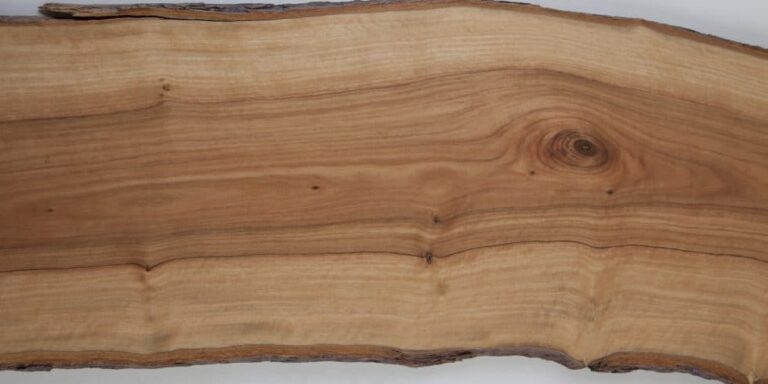
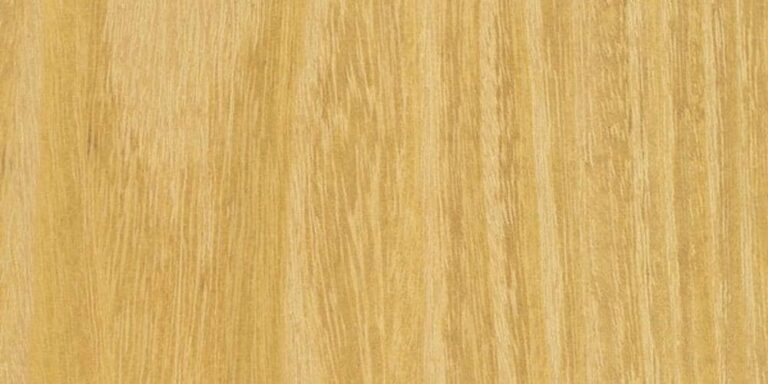
Osage Orange (Maclura pomifera), also called Horse Apple or Bodark, is a dense, durable hardwood from the south-central United States, named after the Osage Nation, who prized it for bows. It has striking color.The heartwood starts out bright golden yellow and darkens over time to a deeper golden brown, sometimes with reddish streaks. A finish with UV protection slows the change. The grain is usually straight with a fine to medium texture, and the wood fluoresces under black light.It's hard and dense, which makes it tough to work, but it turns and finishes well. It's one of the most rot-resistant woods in North America, and fence posts made from it are famous for lasting generations. Trees are often short and knotty, so long, clear boards are scarce.It's the classic wood for archery bows, and it's also used for fence posts, tool handles, turnings, pens and specialty pieces. Its South American relative, Argentine Osage Orange, comes in larger sizes with fewer knots.
bows, fencing, specialty items, turnings
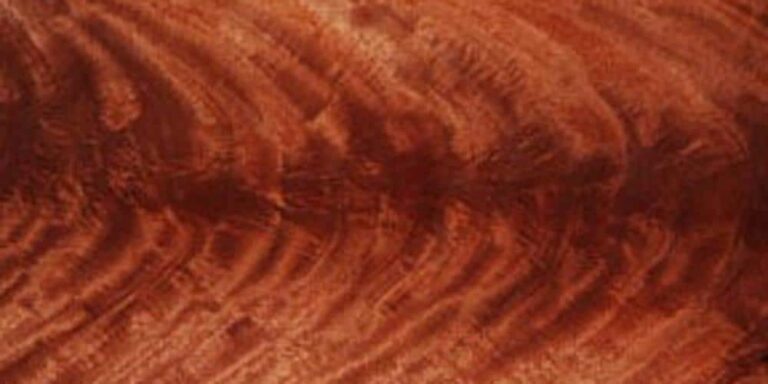
Crotch Mahogany (Swietenia macrophylla) is Genuine Mahogany cut from where the trunk divides into major branches, producing dramatic feather and flame figure that has been prized by furniture makers for centuries.Genuine Mahogany is the world's most sought-after mahogany and the standard others are measured against. Its color ranges from light golden brown to pale pinkish-red, darkening over time to a rich, warm red-brown.Premium pieces have a velvety look, tight, consistent grain and chatoyance from subtle to dramatic. It's very cooperative to work and finish, which also makes it popular with turners and carvers. Crotch grain changes direction a lot, so take light passes and sand carefully to avoid tear-out. Every piece is different, so we recommend choosing by eye.Crotch Mahogany is a showpiece wood for fine furniture, cabinet doors, panels, box lids and veneer, where its figure can be book-matched to dramatic effect. See also Genuine Mahogany lumber.
fine furniture
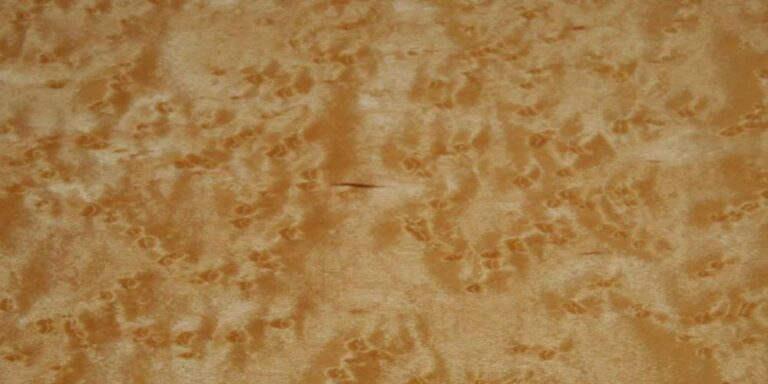
Birdseye Maple isn't a species. It's a figure found mostly in Sugar Maple (Acer saccharum), and much of ours comes from Maine. It remains one of the most coveted figured maples and is rare: only a small fraction of maple trees develop it.The cause isn't proven, but the usual explanation is that tough growing conditions make the tree sprout tiny buds that never develop, leaving small “eyes” in the wood. Eye size and density vary a lot, and boards with more eyes command higher prices. Larger eyes can look almost three-dimensional once finished, like small brown bumps on a golden surface.It works like other hard maple, but occasionally an eye can tear out and leave a small void, so take light passes and sharp blades. Some guitar makers avoid it for fretboards for this reason, or seal it with lacquer. An oil finish makes the eyes pop.It's prized for fine furniture, cabinetry, guitar necks and bodies, boxes, interior trim and veneer, and it was a favorite of Art Deco designers. For a darker version, see Roasted Birdseye Maple.
cabinetry, furniture, lutherie, specialty items, veneer
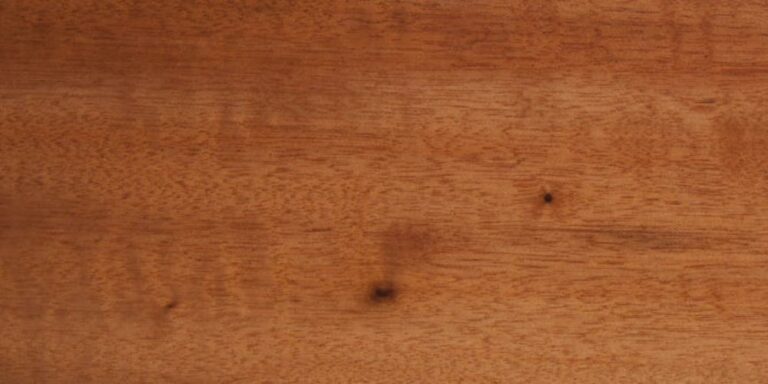
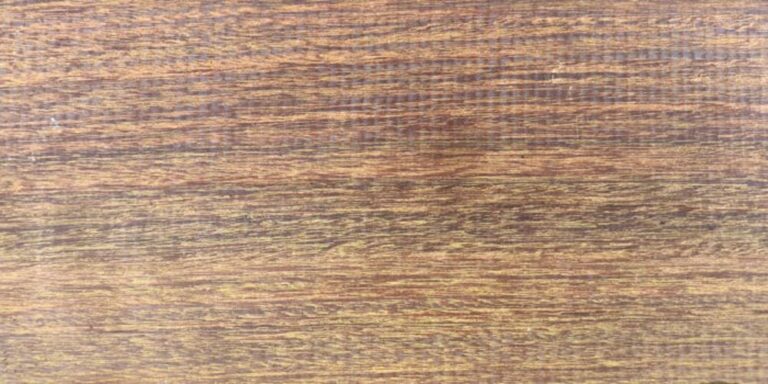
Ipe (Handroanthus spp.) is known across Central and South America as an extremely dense, durable wood. It covers several species, so its color and grain vary quite a bit. In flooring it's sometimes sold as “Brazilian Walnut,” though it isn't related to walnut.It can be a deep chocolate brown with a reddish tint, or more olive-toned with hints of yellow, orange or red, often with darker striping and occasional mottled figure. Left outdoors unfinished, it weathers to a silver grey.The grain can be straight, irregular or interlocked, and the texture fine to medium with good luster. It's famously hard on saw blades, so carbide tooling is a must, and you should pre-drill for fasteners. Straight-grained pieces plane and turn well, but always use your sharpest tools, and note that some boards contain a powdery yellow deposit called lapachol. Wear a dust mask, as the dust can irritate.Ipe is virtually impossible to wear out and resists insects, rot and fire, which makes it a favorite for decking, boardwalks and flooring. It's also used for outdoor furniture, handles, turnings and veneer. For a similar alternative, see Cumaru.
construction, decking, flooring, handles, turnings, veneer
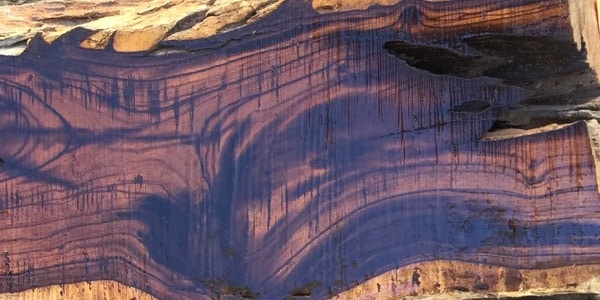
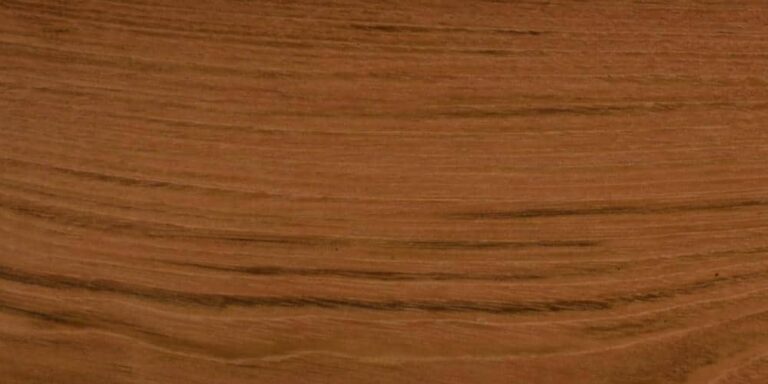
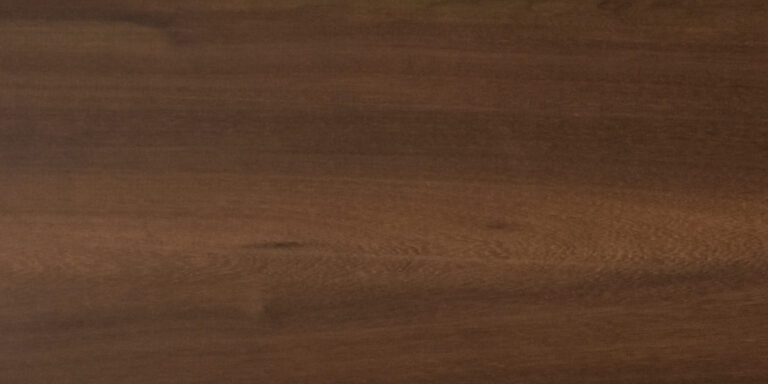
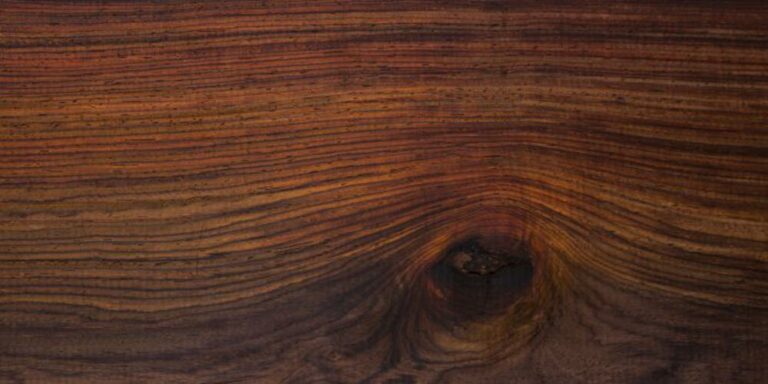
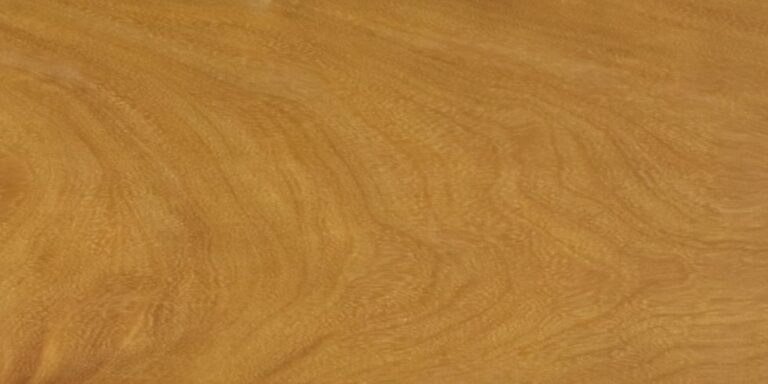
Cumaru (Dipteryx odorata) is a South American hardwood often sold as Brazilian Teak, though it isn't related to true Teak. It's one of the hardest and most durable woods on the market.It's golden brown to medium brown, sometimes with reddish or purplish tones, and it darkens with age. The grain is interlocked with a medium texture and a waxy feel. It's extremely hard, stiff and strong, with excellent resistance to rot, insects and weathering.Its density makes it challenging to work, so carbide tools are a must, and you should pre-drill for screws and nails. It glues best with a solvent wipe first. The tree is also the source of tonka beans, prized for their sweet, vanilla-like scent, and freshly cut Cumaru can carry a hint of that aroma. Its dust can irritate, so wear a mask when cutting.Thanks to its durability, Cumaru is a strong alternative to Ipe for decking, and it's also used for flooring, outdoor furniture, docks, cabinetry and heavy construction.
cabinetry, decking, flooring, furniture
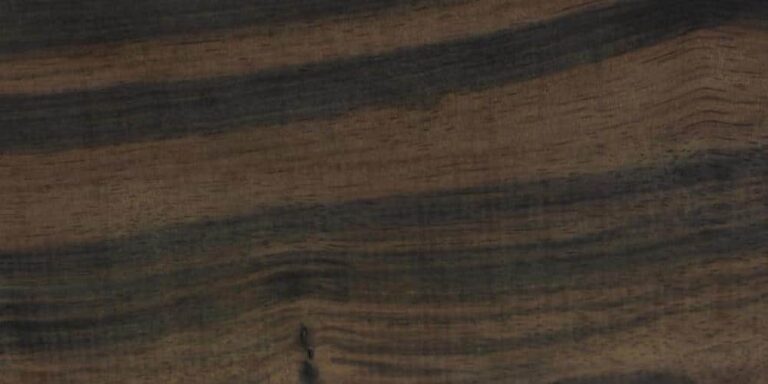
Amara Ebony (Diospyros celebica) is generally regarded as the same species as Macassar Ebony, with Amara coming only from Indonesia. Its different look is put down to local soil conditions, and it's a wood rarely seen in the US.It's typically deep chocolate brown with pink striping, but we've also seen boards with greens and reds, more like Malaysian Blackwood, and others with gold and orange hues. Some show “landscape” grain patterns that make them look like a cross between the two. The sapwood is tan.The grain is more often wavy or irregular than straight, with a fine texture and a nice natural luster. We've found it slightly less dense than Macassar Ebony, and despite its density it works well, turning and polishing to a beautiful finish. Sharp tools help, and the fine dust is best handled with good extraction.Amara is a distinctive choice for carving, inlay, turnings, boxes, furniture accents, veneer and specialty pieces, anywhere you want an ebony that's a little out of the ordinary.
carving, furniture, inlay, specialty items, turnings, veneer
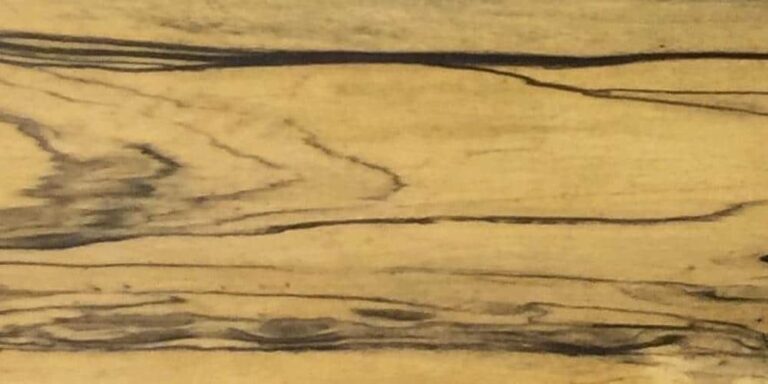
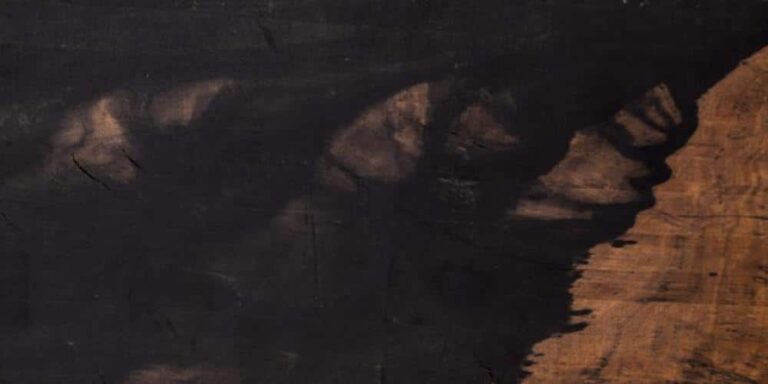
Gabon Ebony (Diospyros crassiflora), also called African Ebony, comes from West and Central Africa and is one of the most iconic woods in the world. Its heartwood ranges from pure black to variegated tones with greys, browns and even golden streaks.It's exceptionally dense, strong and naturally oily, and it takes an extraordinary polish with a beautiful luster when sanded. The texture is very fine and even, so it holds crisp detail. The oiliness can make gluing trickier, but the results are worth the care.The trees grow slowly and produce small logs, so long, clear boards are rare and expensive. It's also prone to checking, so pieces should be stored and worked carefully. Quality and availability in the US have declined, and prices have risen, so good stock is worth snapping up.Gabon Ebony is the traditional fingerboard and fitting wood for violins, violas, cellos and basses, and it's used for guitar fretboards, piano keys, carving, turnings and inlay. It's a favorite with turners, carvers and luthiers. See also Indian Ebony, a close match in looks.
musical Instruments, specialty items
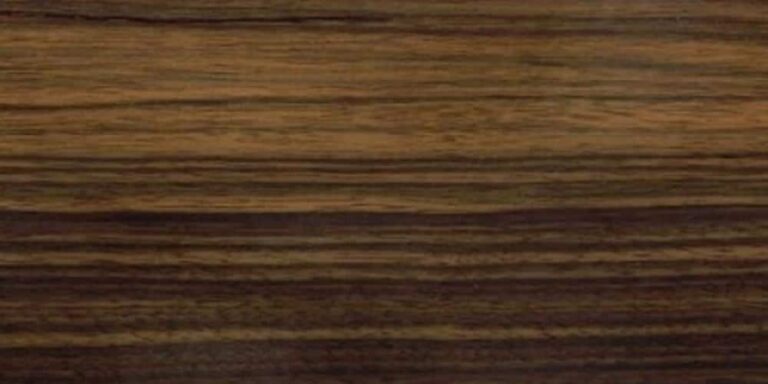
Indian Ebony (Diospyros ebenum), also called Ceylon Ebony, is a true ebony from southern India and Sri Lanka that has long been used in place of Gabon Ebony. At first glance the two can be almost impossible to tell apart.It's jet black, often with subtle brown or muted orange streaks and occasional pale sapwood. The grain is straight or slightly irregular and the texture very fine, and its natural oils give it excellent polish and a deep luster.It's a little less hard than Gabon Ebony but still very hard and durable, and turners love how smoothly it works. It cuts cleanly with sharp tools and holds fine detail, though its oils mean gluing benefits from a solvent wipe first.Indian Ebony is used for high-end guitar fretboards, especially by players who want the look of ebony with a slightly softer feel, as well as for turnings, inlay, chess pieces and carving. Exports from South Asia are tightly restricted, so supply in the US is scarce, and it offers the look of Gabon Ebony at a somewhat more accessible price when you can find it.
carving, furniture, inlay, turnings
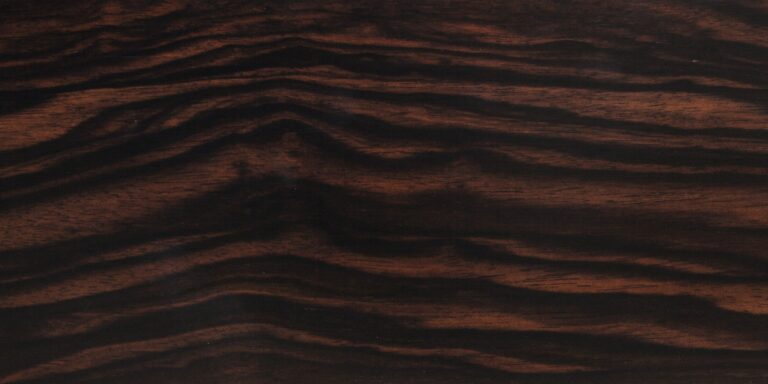
Macassar Ebony (Diospyros celebica) comes from the Indonesian island of Sulawesi and is one of Southeast Asia's best-known exotics. It's one of our favorites, with a classic striped look that has been prized for luxury furniture since the Art Deco era.Deep brown dominates, with stripes that can include green, yellow, burgundy, red, orange and even peach in the best pieces. Stripes are usually broad and bold, often twisting and overlapping, and boards with fine, tight, even striping are rarer and more desirable. The sapwood ranges from dull tan to light golden brown.Like other dense woods, it can be hard to work and hard on blades, and it's prone to checking, so store it carefully. It rewards the effort with a superb finish, polishing to a deep, glassy luster.Macassar Ebony is in constant demand for veneer and is prized by guitar makers for backs, sides and fretboards, where its density gives a bright, clear tone. It's also used for cabinetry, pool cues, turnings, boxes and inlay. See also Amara Ebony.
cabinetry, crafting, pool cues, specialty items, turnings, veneer
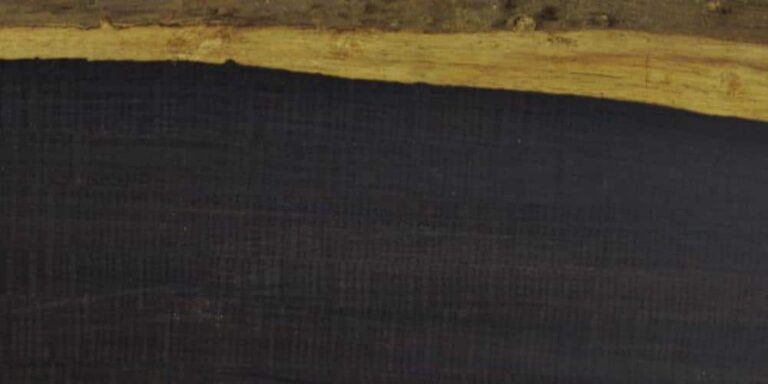
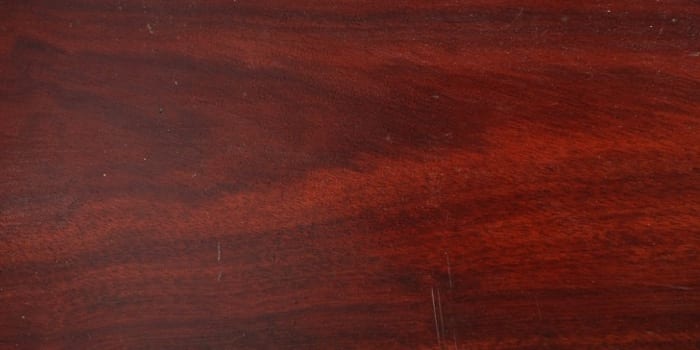
Bloodwood (Brosimum rubescens), also known as Satine, is a South American hardwood that keeps growing in popularity in the US. Its deep red color is the big draw, and unlike many red woods, it doesn't fade or darken as much over time.The heartwood is mostly red, sometimes with patches of orange or pale yellow, and it has a satiny, highly chatoyant finish. It's hard and dense, so sharp tools help, but the results are worth it.Its density makes it ideal for electric guitar fretboards and acoustic backs and sides, and turners love its looks.Bloodwood is also popular for knife and gun handles, inlay and trim. It offers striking color at a very reasonable price for an imported exotic, though exceptional boards command a premium. Its close relative, Snakewood, is in the same genus.
carving, furniture, inlay, knife handles, lutherie, trim, turnings