
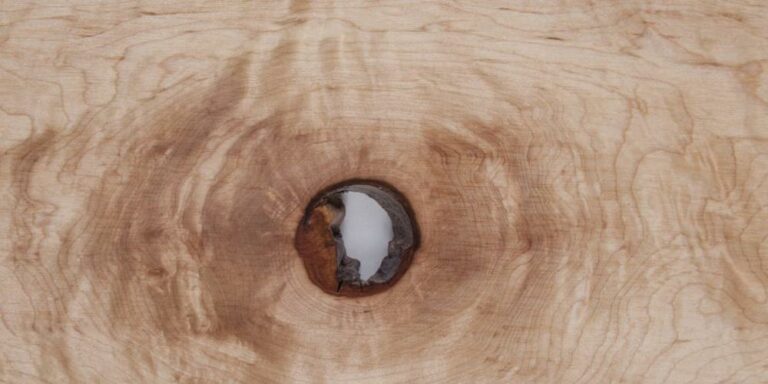
Curly Hard Maple, or Tiger Maple, is Sugar Maple (Acer saccharum) with bold “tiger stripe” figure, also known as fiddleback when it's tight and even. Curl is more common in soft maples, but it appears in hard maple too, and that's what we stock.As with all maple, the pale sapwood is the most valued part. Dense, pure-sapwood boards with strong figure are the most sought-after and command serious prices with electric guitar makers. The tight curl on quartersawn boards is especially striking, with stripes that seem to move as you tilt the board.It works like any hard maple: take light passes to avoid tear-out in the figure, and go slowly with high-speed tools, as maple can burn. A dye or oil finish makes the curl pop dramatically, which is why it's so popular for guitar tops.Curly Hard Maple is a favorite for fine furniture, Shaker and colonial reproductions, boxes, flooring, cabinetry, gun stocks and veneer, as well as violin backs and guitar necks. See also Curly Soft Maple.
boxmaking, fine furniture, veneer
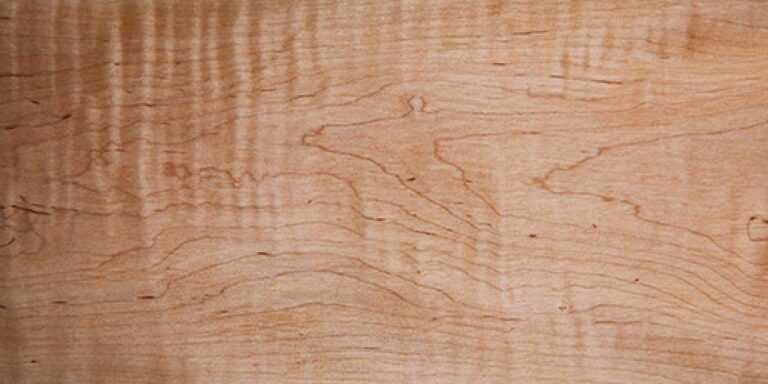
Soft Maple isn't a single species. It's the name for the lighter maples, and ours is Red Maple (Acer rubrum), the heaviest and most common of them, found across the eastern US and Canada. Like all our maples, it's a Maine local.As with all maples, the pale white to golden sapwood is valued more than the darker heartwood. The grain is usually straight with a fine, even texture, and it's only slightly softer than Hard Maple, so it's hard enough for most furniture.It's a little easier to work than Hard Maple, and it machines, turns, glues and finishes well. Go slowly with high-speed tools, as maple can burn, and test stains first, as it can blotch. Figure can be dramatic, from tiger stripe and fiddleback to the occasional quilt.Its extra weight makes Red Maple the most useful of the soft maples for furniture and utility work. Soft Maple is a versatile, affordable choice for cabinetry, painted furniture, boxes, turnings, millwork and veneer. For figured stock, see Curly Soft Maple.
boxmaking, specialty items, turnings, utility lumber, veneer
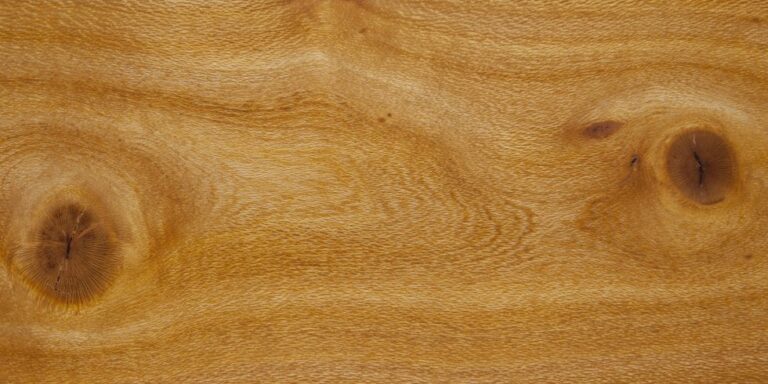
Silky Oak (Cardwellia sublimis) is an Australian hardwood from the rainforests of northern Queensland. It isn't a true oak but a member of the protea family, though it shares the look, with large rays and flecked figure that can be very dramatic on quartersawn faces.It's light to medium reddish-brown, with slightly darker rays ranging from muted brown to grey, and a silky sheen that gives it its name. It's easily mistaken for Lacewood, which looks and weighs much the same.Its coarse texture and flecks can make planing tricky, but otherwise it's easy to work, and it glues and finishes well. It's more durable than American oaks, and a clear finish makes the flecks shimmer.Supply to the US is sporadic, so it isn't widely known here. In Australia it has a long history in fine furniture and cabinetry. It's used for furniture, cabinetry, boxes, turnings, guitar backs and veneer. For a similar flecked look, see Leopardwood.
cabinetry, fine furniture, specialty items, turnings, veneer
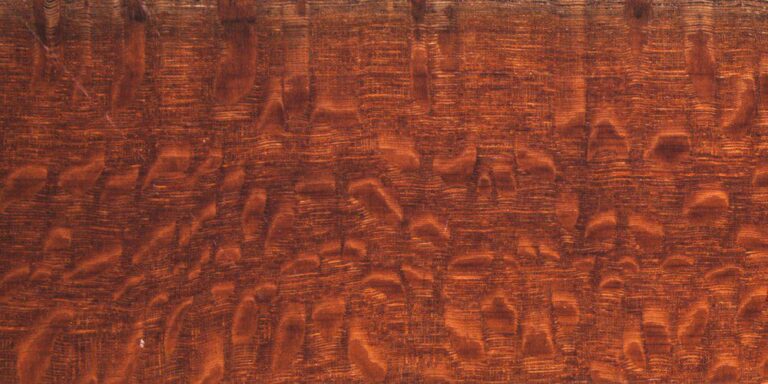
Leopardwood (Roupala brasiliensis), also called Brazilian Lacewood, is a South American hardwood named for the tightly grouped flecks that cover its surface.It's almost always quartersawn to show off this leopard-spot figure, which comes from the wood's large rays. It's medium to dark reddish-brown, and before sanding, the raised flecks give the surface a real three-dimensional look. Its color deepens with age, and a clear finish makes the flecks stand out.It's fairly hard to work, and its uneven texture can tear out when planed, so take light passes with sharp blades or use a drum sander for final surfacing. It glues and finishes well once surfaced, and it turns nicely.Leopardwood is often confused with Lacewood, which has a similar pattern but is much lighter and less dense. Its striking figure makes it a favorite for fine furniture, cabinetry, boxes, guitar backs, turnings and veneer, where a little goes a long way as an accent. For a similar flecked look, see Silky Oak.
cabinetry, fine furniture, turnings, veneer
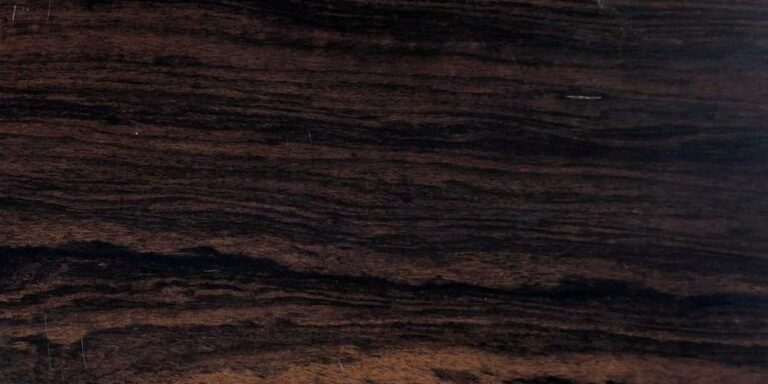
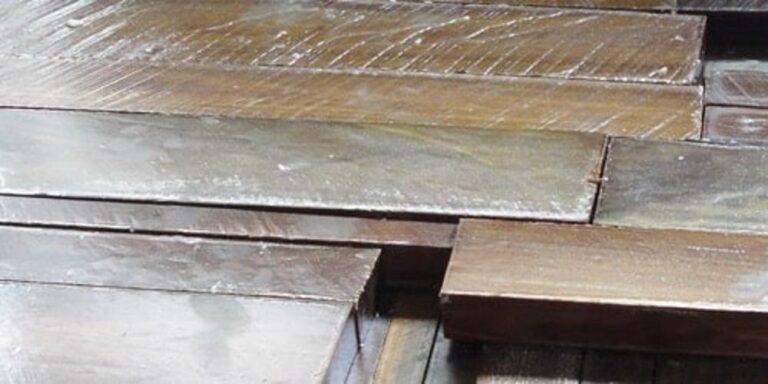
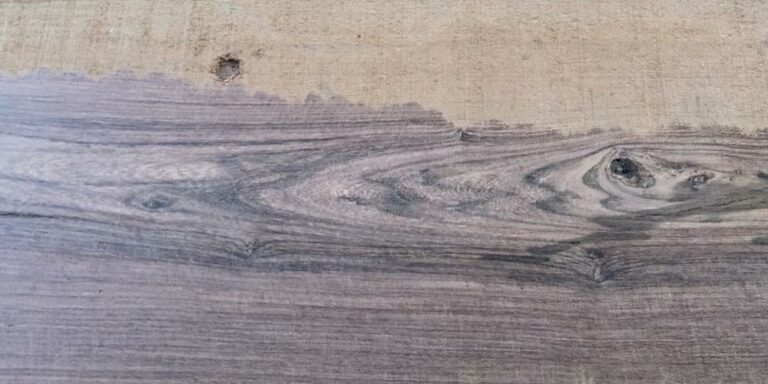
Louro Preto (Cordia spp.), also called Laurel Negro, is a South American hardwood and a close relative of Bocote and Ziricote, though it's often overshadowed by them.The heartwood is typically medium brown with red and green tints, sometimes with bold dark brown lines and streaks, and it darkens considerably with exposure to light. The sapwood is pale and easy to spot. The grain is calmer than its cousins', usually straight or somewhat irregular, with a fine to medium texture and the impressive natural luster typical of the genus.Despite its natural oils, it usually glues well, and it's easy to work, though some boards contain silica, which can dull blades. It turns smoothly and finishes to a lovely sheen.Supply in the US has always been limited, partly because demand has gone to its flashier cousins, but Louro Preto is a handsome, understated choice for furniture, cabinetry, boxes, guitar backs and sides, turnings and veneer.
cabinetry, furniture, turnings, veneer
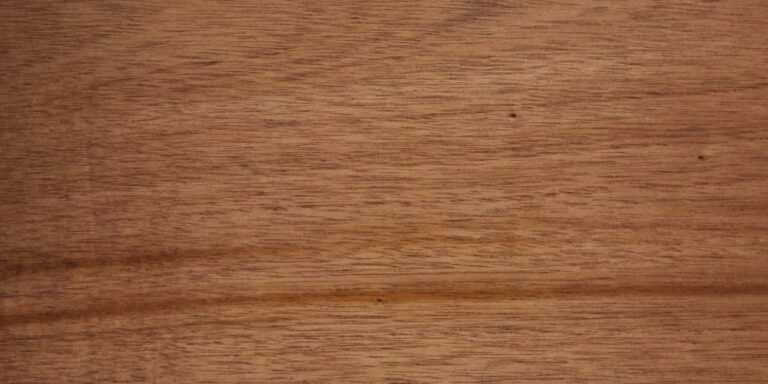
African Mahogany (Khaya spp.) covers four closely related species and is one of Africa's most commercially important woods. It grows across tropical West and Central Africa and is a strong, tough, durable wood with many of the same qualities as Genuine Mahogany.Depending on origin and species, it ranges from pale pink or muted orange to darker reddish or golden brown, sometimes with darker stripes, and it deepens in color over time. Ribbon, wavy and mottled figure and varying chatoyance can make it very attractive.The grain is straight or interlocked, with a medium to coarse texture. It works, turns and finishes easily, though interlocked boards can tear out when planed, so take light passes. It glues well and takes stain evenly.Its popularity as a mahogany substitute has led to plantations in Latin America as well as Africa. It's used for fine furniture, cabinetry, boatbuilding, guitar necks and bodies, turnings, millwork and veneer. For a close alternative, see Sapele.
boatbuilding, furniture, lutherie, turnings, veneer
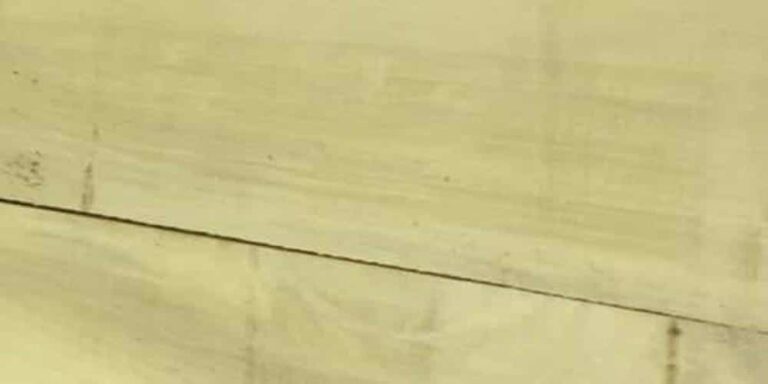
Holly (Ilex opaca), also called American Holly, is the closest thing to a truly white wood. It's prized for its consistent pale color, which shows little to no visible grain, and it holds that color well over time.The wood is ivory white to very pale grey, with a fine, even texture. Holly has to be dried quickly after cutting to prevent blue-grey fungal discoloration, so it's usually harvested in winter and kiln-dried promptly. That's why truly white boards command a premium.It glues, stains and finishes well, though interlocked grain and knots can make it tricky to work. It turns and carves beautifully. A clear, hard finish helps it keep its color, and it isn't durable outdoors.Traditionally used for inlay, stringing, marquetry and accents, it's becoming popular with turners for its looks and turning qualities. It's sometimes dyed black as an ebony substitute for decorative work, though it isn't dense enough for most instrument uses. For a creamy yellow alternative, see Boxwood.
inlay, specialty items
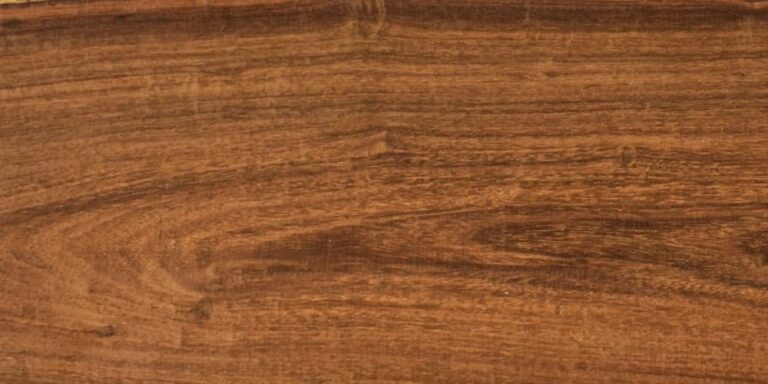
Granadillo (Platymiscium spp.), also known as Hormigo or Macacauba, is known throughout Central America as “the wood that sings.” It's been a popular rosewood alternative with guitar builders ever since Brazilian Rosewood was placed under the strictest CITES protection in 1992.It's slightly less dense than a typical rosewood and much less oily. The base is brown, highlighted with muted purples, reds, oranges and golds, and the color deepens toward a richer reddish-brown with age. The grain is mostly straight, sometimes interlocked, with a medium texture.It works and finishes very well, with a natural luster, and strong chatoyance often appears after finish sanding. Because it's less oily than true rosewoods, it glues more easily, which makes it a practical choice for instrument building.Granadillo is a beautiful, slightly more affordable rosewood substitute with more than 50 years of use as a tonewood, especially for guitar backs, sides and fretboards, and for marimba bars. It's also popular for furniture, handles, inlay and turnings. See also its relative, Red Canarywood.
furniture, handles, inlay, musical Instruments, specialty items, turnings
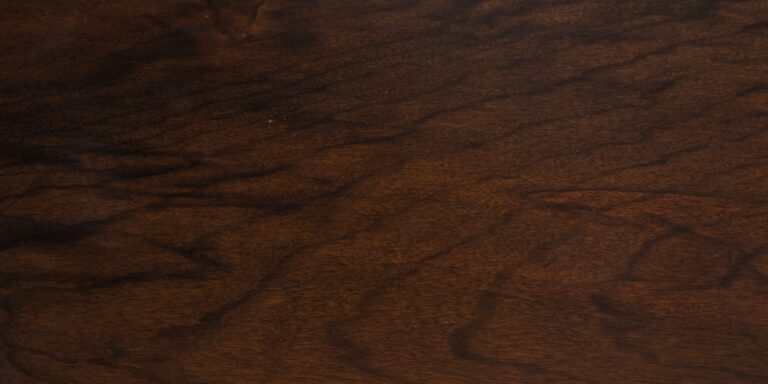
Imbuia (Ocotea porosa) is a Brazilian hardwood often called Brazilian Walnut, though apart from its brown color it doesn't look much like true walnut. It grows in the cool highland forests of southern Brazil.The heartwood ranges from olive to chocolate brown, sometimes with yellowish or reddish streaks, and its grain is wild and unpredictable. Premium boards show figure that adds to its “delightfully irregular” character. Lighter sapwood can create a striking contrast with the pale to medium golden-brown heartwood. Freshly cut, it has a pleasant, spicy scent.It works well with hand and machine tools, turns nicely and finishes to a soft luster. Density varies with growing conditions, and some boards are noticeably heavier than walnut. Mature trees grow large, so big boards are possible when the wood can be sourced.Imbuia has never been widely available in the US, and supply has become scarcer, but it's a truly distinctive wood for fine furniture, cabinetry, gun stocks, turnings and veneer. If you like the look of walnut, see also Nogal.
boatbuilding, cabinetry, flooring, furniture, gun stocks, turnings, veneer
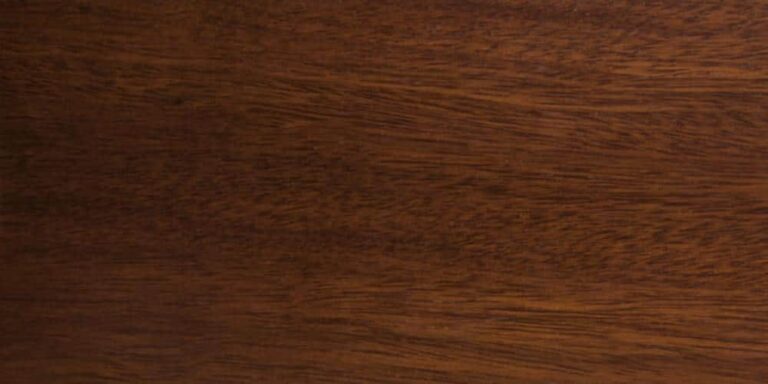
Iroko (Milicia spp.) is a tough, durable hardwood from tropical West and Central Africa that's often used in place of Teak. It's one of Africa's most important timbers.Its golden to medium brown color, coarse texture and interlocked grain give it a very Teak-like look. Freshly cut, it can be quite yellow, but it darkens to a richer brown with age and light exposure.It's lighter than Teak but resistant to rot and insects and strong for its weight, with good stability once dry. Despite the interlocked grain, it isn't difficult to work, and it glues and finishes well. Occasional hard mineral deposits can dull blades, and the dust can irritate, so wear a mask when machining.Iroko has long been used across Africa in many of the same roles Teak fills elsewhere. It's a great choice for boatbuilding, outdoor furniture, decking, flooring, cabinetry, countertops and general construction, and it offers Teak-like performance at a friendlier price.
boatbuilding, cabinetry, construction, flooring, furniture, specialty items, turnings, utility lumber, veneer
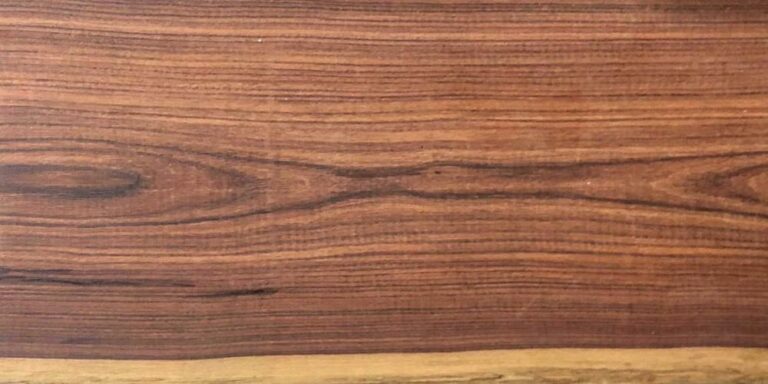
Kingwood (Dalbergia cearensis), also called Brazilian Kingwood or Violetwood, is one of the densest rosewoods and one of the most colorful. It grows in northeastern Brazil and has been prized by European furniture makers since the 17th century, when it was a favorite for royal cabinetry and marquetry.The reddish-brown heartwood is streaked with dark violet to black, and the pale yellow sapwood often adds dramatic contrast. The grain is usually straight, sometimes wavy or interlocked, with a fine, even texture and natural luster.Logs tend to check and crack, so clean, defect-free boards are rare, especially in larger sizes. It's very rot- and insect-resistant, and its oils can make gluing tricky, so wipe joints with a solvent first. It's also hard on tools, but it turns beautifully and polishes to a glassy finish.Kingwood is a favorite for fine inlay, banding, custom knife handles, pens and turnings, and it's also used for gun stocks, small boxes and veneer. For a softer-colored rosewood, see Tulipwood.
gun stocks, handles, inlay, specialty items, turnings, veneer
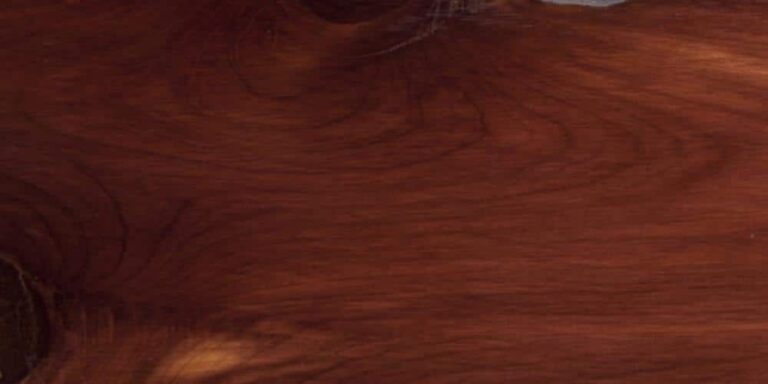
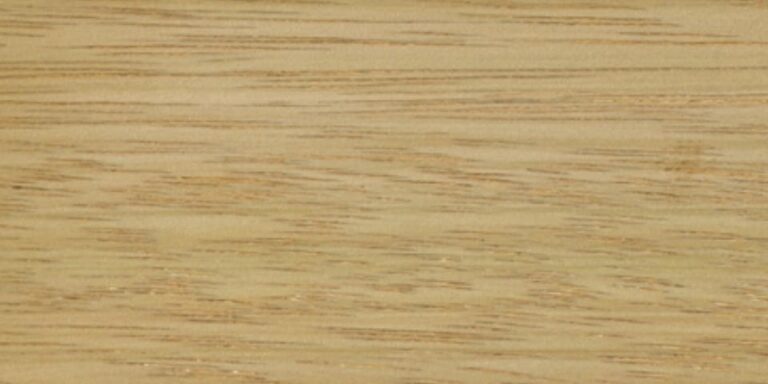

Cerejeira (Amburana cearensis), also known as Amburana or Brazilian Oak, is an important wood in the dry regions of central and southern South America. In Brazil, it's also famous for the barrels used to age cachaça, where it gives the spirit a sweet, spicy character.The wood is a warm golden to light brown, sometimes with an orange tint, and it often has a pleasant vanilla-like scent when cut. It's valued for its beauty, durability, strength and stability, and it works and finishes well.Left undisturbed, the trees grow very large. Big trees are cut mainly for their dramatic slabs, which are prized by South American furniture makers and slab importers worldwide, and many highly figured logs go to veneer.Cerejeira is a tough, versatile wood for furniture, cabinetry, doors, flooring and veneer. Despite its popularity with those who know it, it's still a bit of a well-kept secret in the US. For the most dramatic figure, see Cerejeira Crotch.
cabinetry, construction, furniture, veneer
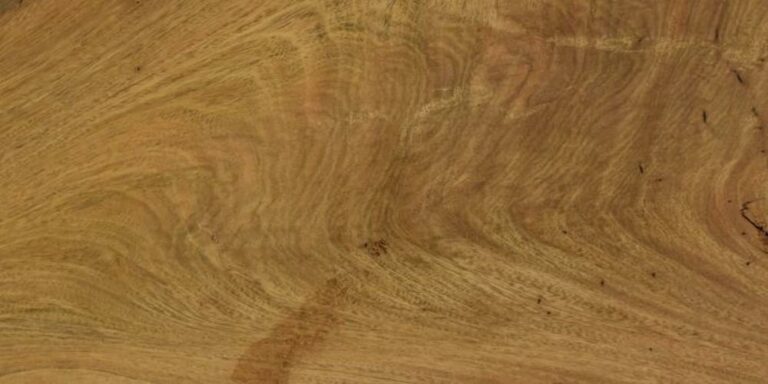
Cerejeira Crotch (Amburana cearensis) is the most dramatic part of the Cerejeira tree, cut from where the trunk divides into major branches. It's prized for its detailed, almost three-dimensional figure, which shifts and shimmers as the light moves across it.Cerejeira, also known as Amburana or Brazilian Oak, comes from the dry regions of central and southern South America. It's valued for its beauty, durability, strength and stability, with a warm golden to light brown color and often a pleasant vanilla-like scent.Large trees are cut mainly for their slabs, which are prized by furniture makers and slab importers around the world, and many highly figured logs go to the veneer industry. Crotch pieces are the pick of the tree. Crotch grain changes direction a lot, so take light passes and sand carefully to avoid tear-out.Cerejeira Crotch makes standout tabletops, cabinet doors, panels, box lids and veneer, anywhere the figure can be the star. Every piece is different, so we recommend choosing by eye. For straight-grained stock, see Cerejeira.
cabinetry, construction, furniture, veneer
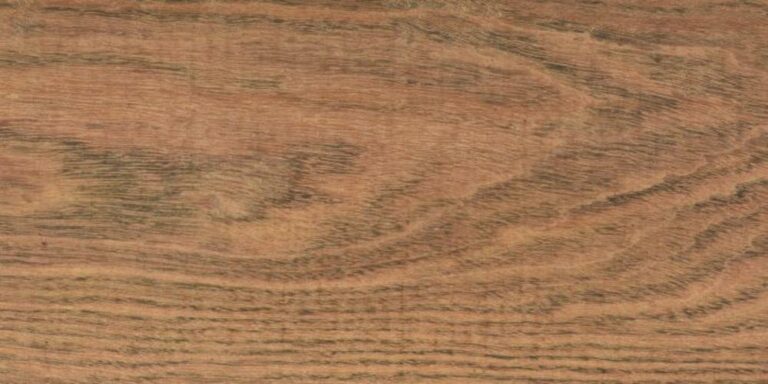
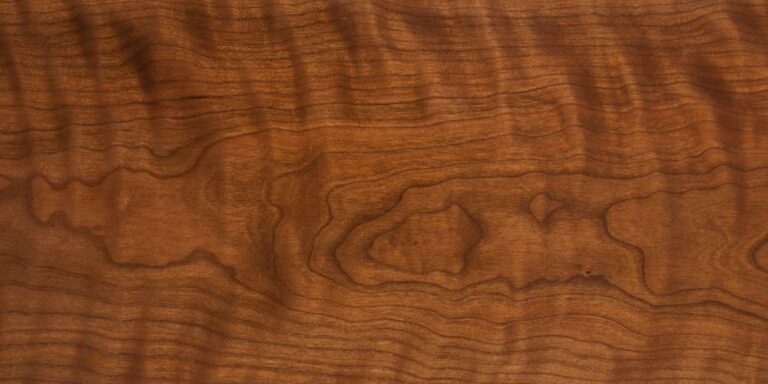
Curly Black Cherry (Prunus serotina) is the figured version of American Cherry, with bold, shimmering curl running across the grain. The best boards are quite dramatic, with the stripes appearing to move as you tilt the piece in the light.Freshly cut, it's tan to light brown with a pink or red tint, and it ages to a rich reddish-brown that deepens over the years. The grain is straight to irregular, the texture fine, and the density moderate.It's one of the most cooperative hardwoods to work, and it's strong for its weight, stable and durable. Take light passes with a sharp blade to avoid tear-out in the figure, and finish with an oil or clear finish to make the curl glow. It can blotch if stained, but the natural color and figure are the reason to buy it.Curly Cherry is the most sought-after form of this classic American wood, ideal for fine furniture, cabinetry, boxes, drawer fronts and instrument parts where the figure can show. Its stability has also earned it a place in guitar necks and bodies. See also plain Black Cherry.
cabinetry, fine furniture, flooring, millwork, specialty items, turnings, veneer
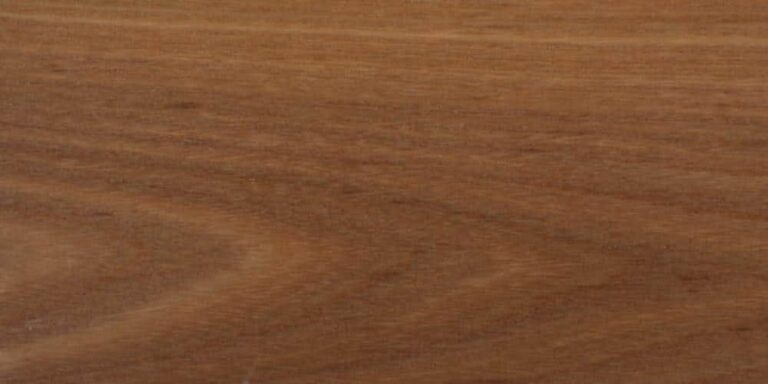
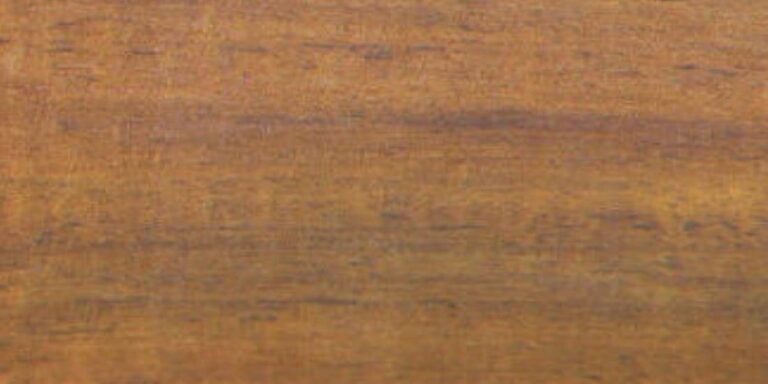
Australian Blackwood (Acacia melanoxylon), also called Acacia Blackwood, is a close cousin of Hawaiian Koa, and it's growing in popularity with guitar makers and furniture builders. Despite the name, it isn't black.The tree is native to Australia, but our stock is grown in South Africa, where it was introduced in the 1800s and is now grown commercially. That shorter, more direct supply line makes it a far more cost-effective choice than imported Australian or Hawaiian woods, with the same good looks.The heartwood ranges from light golden brown to darker browns, often with streaks of other colors, and it's clearly set apart from the tan to light grey sapwood. The grain runs from straight to wavy or interlocked, with a fine texture and an impressive luster. Figured boards with Koa-like shimmer turn up only occasionally, so they're worth snapping up when they do. Apart from occasional tear-out, it works easily, and it turns, glues and finishes well.Tough, durable and good for bending, it's used for guitar backs and sides, furniture, cabinetry, boatbuilding, gun stocks and turnings.
boatbuilding, cabinetry, furniture, gun stocks, specialty items, turnings, veneer
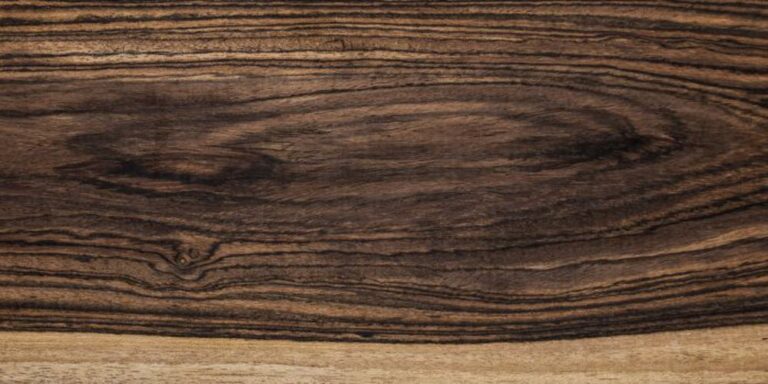
Bocote (Cordia spp.) is a Mexican and Central American hardwood with a golden brown base and dark brown to black stripes.Its best boards are covered in tiny “eyes” in the grain. These aren't knots and cause no trouble when machining. In pieces grown south of Mexico, the base color can be a bright, muted orange.Despite its oily nature, Bocote glues surprisingly well, and it turns and finishes nicely. Some boards contain silica, which can dull blades, so keep a spare sharp edge handy.Its striking looks make it a favorite with furniture and cabinet makers, guitar builders and turners, and it's also used for gun stocks, flooring and veneer. It's related to Ziricote and Louro Preto.
boatbuilding, cabinetry, fine furniture, flooring, gun stocks, specialty items, turnings, veneer
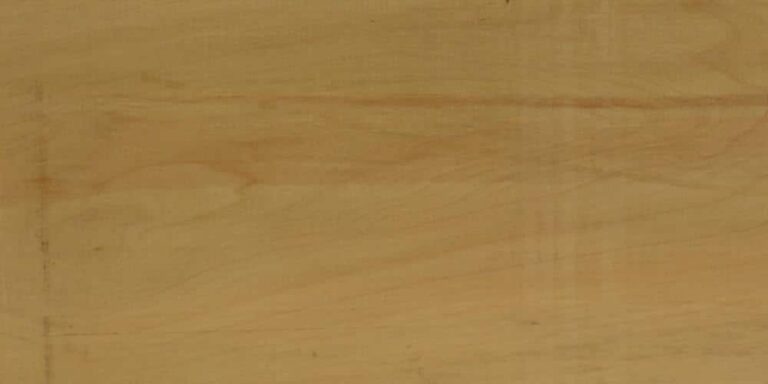
Castello Boxwood (Calycophyllum multiflorum) is a South American wood related to Lemonwood. It isn't a true boxwood, but it has a very similar pale yellow to light brown color.The grain is generally straight, sometimes slightly interlocked, and the texture fine and smooth. It's moderately durable and turns, glues and finishes well. Its small, tightly packed pores make it fairly tough to cut, despite its generally cooperative nature.It dries slowly, so it's often sold green or partly green. The trees are small and supply through US channels is limited, so prices reflect that.Castello Boxwood is a popular choice for turning, carving, inlay and bows. For the real thing, see Boxwood.
bows, carving, inlay, turnings
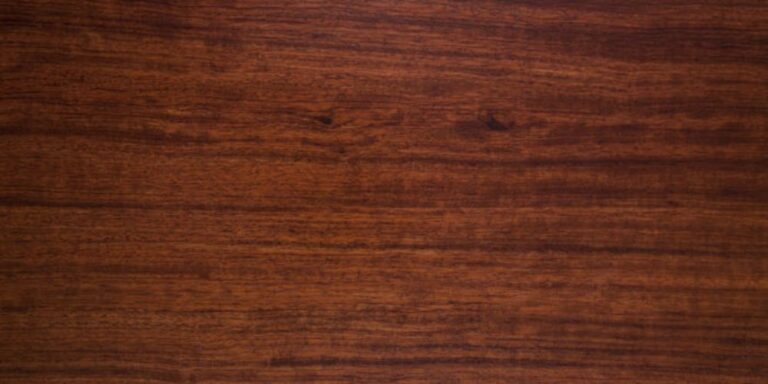
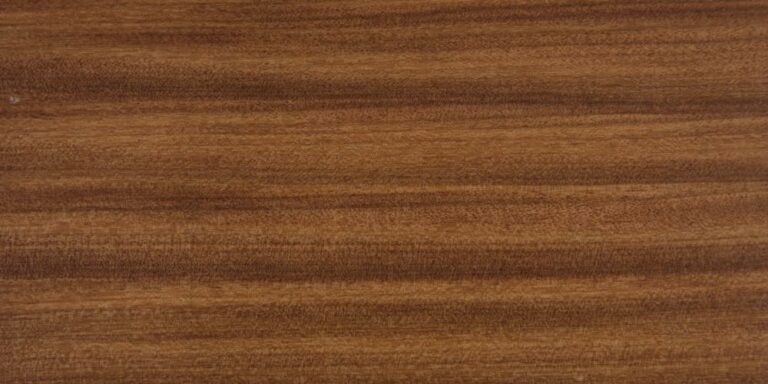
Afrormosia (Pericopsis elata) is a West African hardwood often called African Teak. It earned the name honestly: it's extremely durable and resistant to rot and insects, with working and mechanical properties close to Teak, but without the oiliness.The heartwood ranges from muted tan and gold to light and medium browns, often with darker stripes, and over time it darkens to a look closer to Black Walnut than Teak. The grain is straight to wavy, sometimes interlocked, and the texture fine, with a lovely natural luster once sanded.Although it's harder than Teak, it works well with hand and machine tools, gives crisp joints, and turns, glues and finishes very well. It's tough yet flexible, which is why it has been used in African boatbuilding for centuries.Afrormosia is a long-standing favorite in Europe for cabinetry, architectural trim and fine furniture, and it's also used for flooring, turnings and veneer.
boatbuilding, cabinetry, flooring, furniture, turnings, veneer
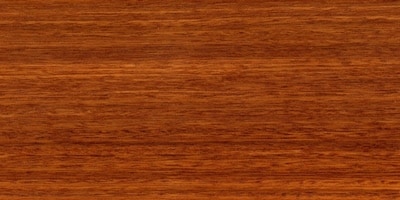
Andiroba (Carapa guianensis), also called Crabwood, grows across Central and South America, where it's used as a mahogany substitute and a general carpentry wood. It's a member of the mahogany family and is durable in use.The wood is a pale reddish-brown that darkens slightly as it dries and continues to deepen with exposure to light. The grain is usually straight, though it can be wavy or interlocked, and the texture is fine with a good natural luster. Most boards are on the plain side, but quartersawn pieces can show a ribbon figure much like Sapele.It's generally easy to work and turns, glues and finishes well. Andiroba isn't often seen in the US, but it's a good choice for furniture, cabinetry, flooring, turnings and veneer, and it has a history in boatbuilding.
boatbuilding, cabinetry, flooring, furniture, turnings, veneer
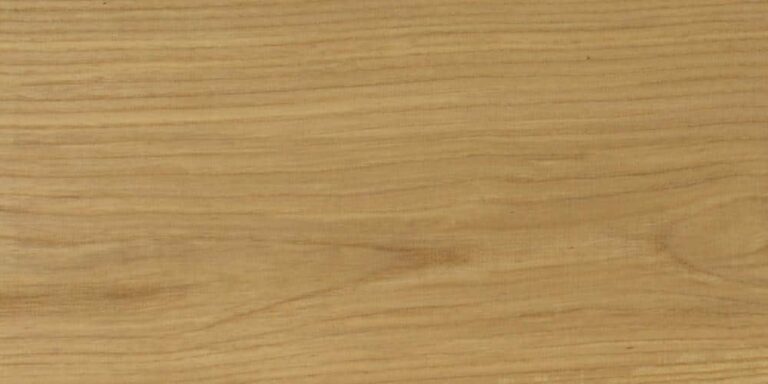
White Ash (Fraxinus americana) is native to eastern and central North America and, along with Oak and Hickory, is one of the most widely used utility hardwoods in the US. It's the tallest-growing of the North American ashes and the one you'll see most often.The color ranges from light beige to light brown, with medium to dark brown grain lines. The grain is usually straight and the texture coarse, often compared to Oak. It's modestly priced, works easily, and glues and finishes well.Ash is tough and shock-resistant, which is why it's the classic wood for tool handles and baseball bats. It's also used for furniture, flooring, boxes and turnings, and occasionally for electric guitar bodies, where it has good resonance. If you're after a lighter ash for guitars, take a look at Swamp Ash.
boxmaking, flooring, turnings