
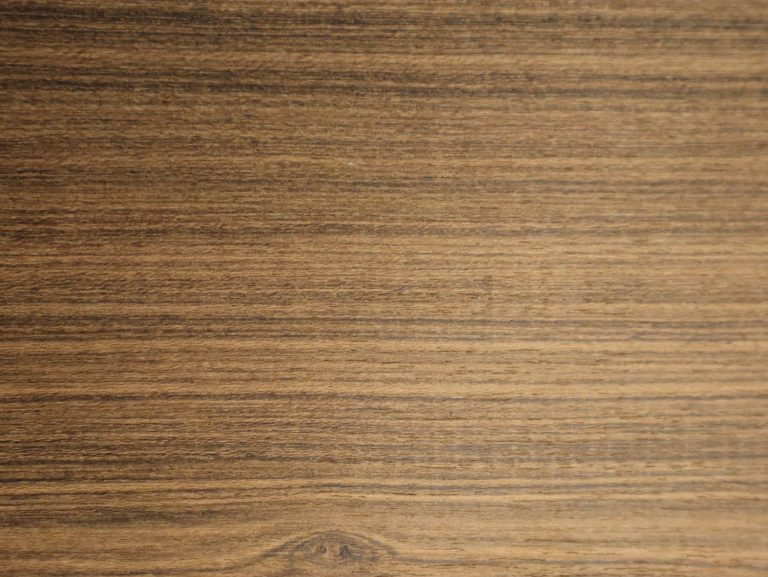
Picana Negra (Cordia alliodora), also called Bolivian Bocote, Laurel Negro or Salmwood, is a South American hardwood from the same genus as Bocote. The species grows widely from Mexico to Argentina.It has dark brown tones with black streaks and a fine texture, and some boards show grain every bit as striking as Bocote's. The color can vary from golden brown to darker chocolate depending on where the tree grew, and it darkens a little with age.It's prized by craftsmen for its workability and smooth finish, and it's a medium-weight wood that's comfortable to handle. It cuts cleanly, sands well and takes an oil or clear finish beautifully, which brings out the contrast in its streaks. It's also fairly stable and moderately durable.Picana Negra offers great grain at a fair price. It's well suited to boxes, cabinetry, fine furniture, handles, guitar backs and sides, and other musical instruments. See also its relatives Louro Preto and Ziricote.
boxmaking, cabinetry, fine furniture, handles
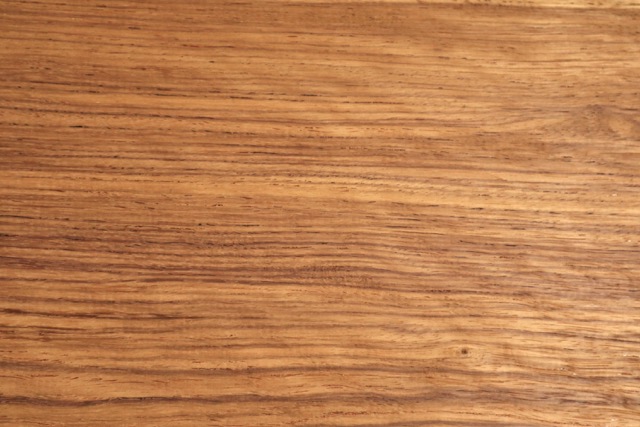
Ababa (Anthonota fragrans) is a lesser-known West African hardwood with warm, earthy tones. It's durable, naturally resistant to decay and insects, and an affordable alternative to more familiar tropical species.The heartwood carries a mix of warm browns, and the grain is interlocked with a medium to coarse texture, which gives finished pieces plenty of character. It's strong without being difficult, machining well and taking a finish beautifully. As with any interlocked wood, a sharp blade and a light final pass help keep tear-out to a minimum.Ababa suits furniture, cabinetry, boxes and interior joinery, and its natural durability makes it worth considering for some outdoor projects too. If you like the striped look of Zebrawood but want something more cost-effective, it's well worth a look.
boxmaking, cabinetry, fine furniture, furniture
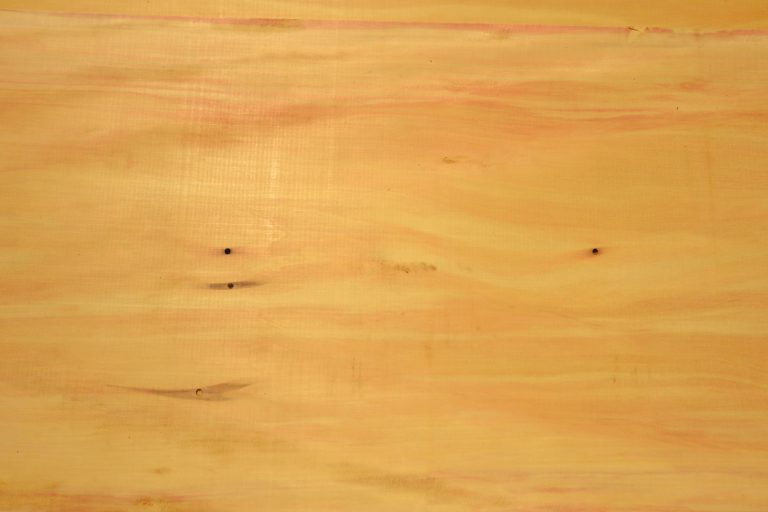
Yellow Rosa (Aspidosperma sp.) is a vibrant yellow hardwood and an excellent alternative to Yellowheart. The Aspidosperma genus grows across Central and South America and includes several well-known timbers, such as Peroba Rosa.It's mostly golden, but some boards show soft patches of pink and orange, reminiscent of Peroba Rosa's classic tones. The grain is mostly straight with a fine, even texture, and those occasional color shifts give each board a bit of individuality.It's fine-textured and durable, with a good balance of beauty, strength and workability, and it takes a finish well. A clear finish brings out its warm golden glow, and like most yellow woods it slowly mellows to a deeper gold over time. Sharp tools help where the grain is irregular, and it sands to a smooth, even surface.Yellow Rosa is well suited to fine furniture, flooring, cabinetry, boxes, crafts and other woodworking where you want a splash of color. It pairs especially well with dark woods like Black Walnut or Wenge for contrast.
boxmaking, cabinetry, crafting, fine furniture, flooring, furniture
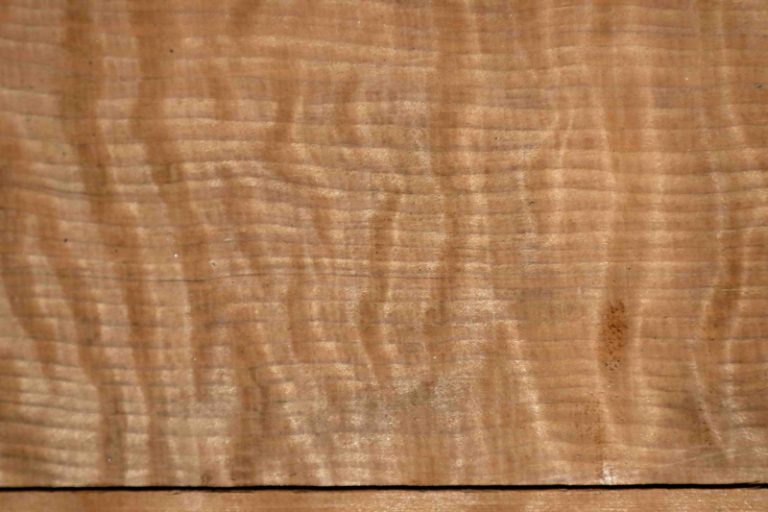
Curly Redwood (Sequoia sempervirens) is a rare, prized form of the iconic Coast Redwood, the tallest tree species on Earth, which grows along the coast of northern California and southern Oregon.Its swirling, intricate figure creates a shimmering, three-dimensional effect when properly finished, over a rich reddish-brown color. The figure comes from irregularities in the tree's growth, and much of today's curly stock is salvaged from old logs and stumps.Redwood is light and soft, so it's easy to work, but sand carefully to bring out the figure without tearing the soft grain. A clear finish makes the shimmer pop. It's naturally resistant to decay, though curly pieces are usually reserved for indoor showpieces.Curly Redwood is treasured by guitar makers for instrument tops, where it offers a warm tone and a striking look, and by woodworkers for fine furniture, cabinetry, boxes, decorative accents and specialty pieces. It's rare, and well-figured pieces are always in demand. For another figured top wood, see Quilted Maple.
cabinetry, crafting, lutherie, musical Instruments, specialty items
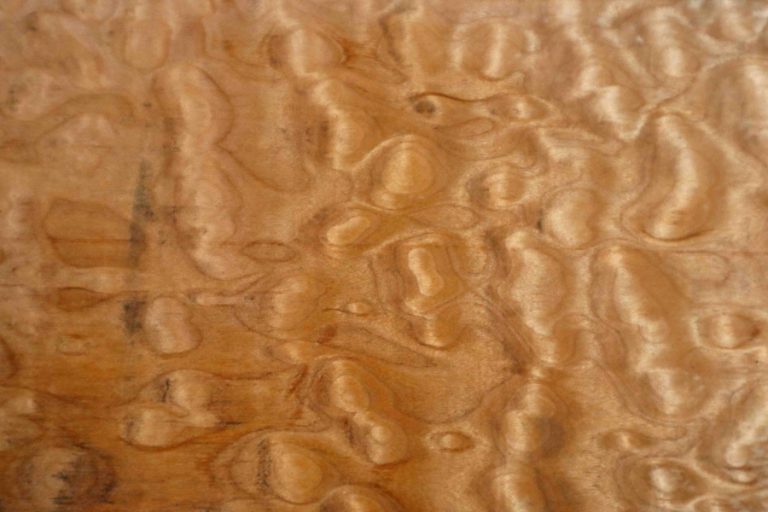
Quilted Maple comes from Bigleaf Maple (Acer macrophyllum), which grows along the Pacific coast from British Columbia to California. It's prized for its rippling, three-dimensional figure, which looks like quilted fabric or rippling water.The figure comes from irregularities in the tree's growth, and it gives the wood real depth and shimmer, especially under finish. Color varies from pale cream to light tan, sometimes with warmer tints. Only a small share of Bigleaf Maple shows strong quilt, which is why good boards command a premium.It's a little softer than Hard Maple and works much like other maples. Take light passes to avoid tear-out in the figure, and sand carefully. A dye or clear finish brings out the shimmer dramatically, which is why it's so popular for guitar tops.Quilted Maple is a favorite with luthiers for electric guitar tops and acoustic backs, and it's also used for fine furniture, boxes, knife handles, paneling and decorative veneer. For a different maple figure, see Birdseye Maple and Curly Maple.
boxmaking, cabinetry, furniture, interior panelling, knife handles, lutherie, musical Instruments
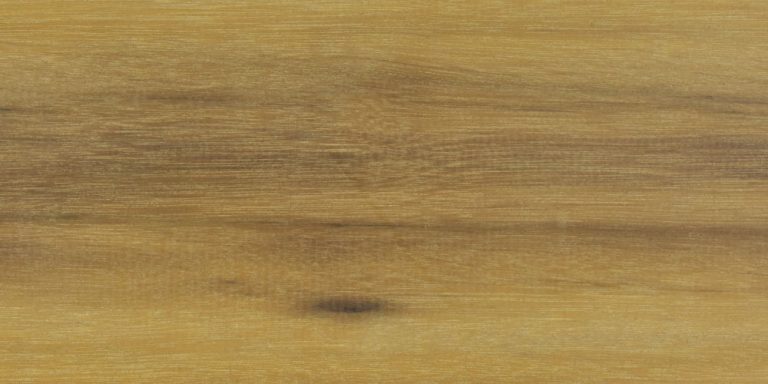
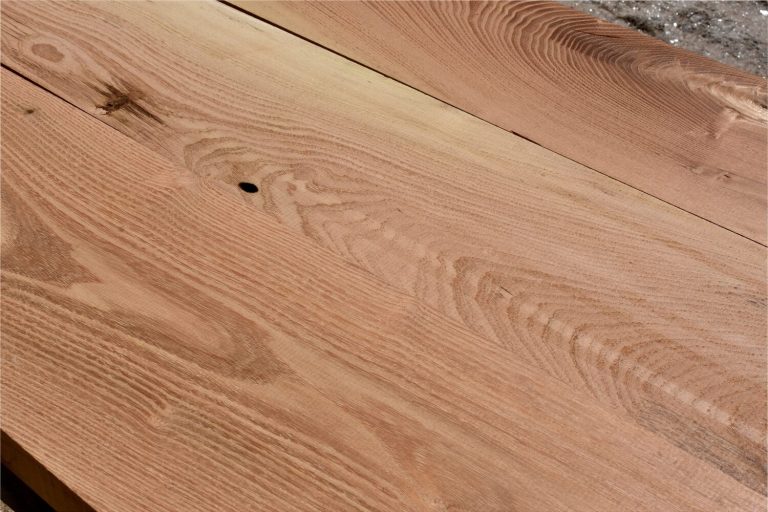
Black Locust (Robinia pseudoacacia) is a hard, strong hardwood native to the central and eastern United States, and one of the most durable woods in North America.The heartwood is greenish-yellow to golden brown when fresh, mellowing to a medium brown with age, and the sapwood is a narrow pale band. The grain is usually fairly straight with a medium texture. It's durable, rot-resistant and fairly stable, which makes it one of the best native woods for outdoor use.Its hardness makes it a little more work to machine, so keep tools sharp and pre-drill for fasteners. It finishes well and weathers to an attractive silver grey if left outdoors.Black Locust fence posts are famous for lasting decades in the ground, and the wood has a long history in shipbuilding, where it was used for wooden pegs called trunnels. It's a great choice for fencing, outdoor furniture, decking, flooring, raised garden beds and handles. We stock it in 4/4 and 8/4, and quality varies, so choose your pieces carefully. For another durable outdoor wood, see Osage Orange.
fencing, flooring, furniture, handles
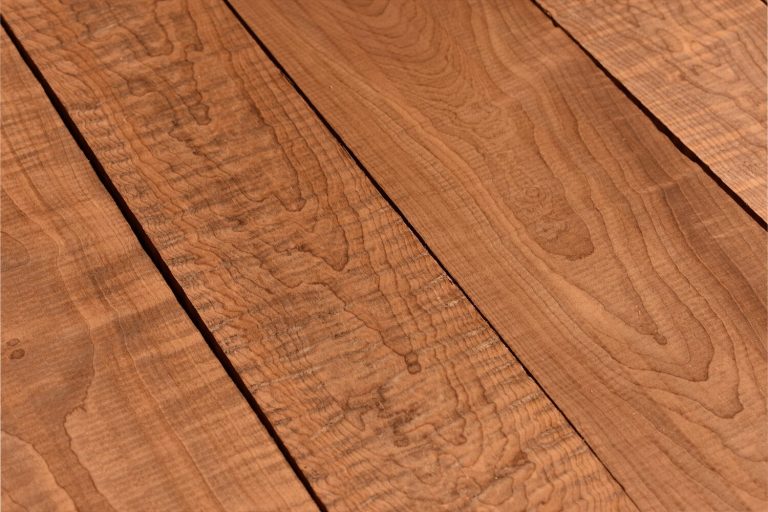
Roasted Curly Soft Maple is Curly Soft Maple that has been thermally modified. The wood is heated gradually to over 160°C in oxygen-free chambers, a natural, chemical-free process that darkens it to a rich caramel or chocolate brown while keeping the curl.The heat changes the wood's cell structure, so it absorbs less moisture. That makes it more dimensionally stable, which guitar makers value for necks. It also becomes a little more brittle, so it chips more easily than unmodified maple, and it's best for tops, panels, flooring and instrument parts rather than intricate joinery. Expect a pleasant, toasty smell when you cut it.The very dry wood soaks up finish, so plan on a generous coat. Our in-house woodworker has had excellent results with Osmo Polyx-Oil, and he suggests a thicker finish works best. Use sharp tools and light passes to avoid chipping in the figure.It's popular with guitar makers for necks and bodies, and for fine furniture, paneling and specialty pieces, where it offers the look of a dark exotic with the reliability of maple. See also Roasted Birdseye Maple.
fine furniture, flooring, interior panelling, lutherie, musical Instruments, specialty items
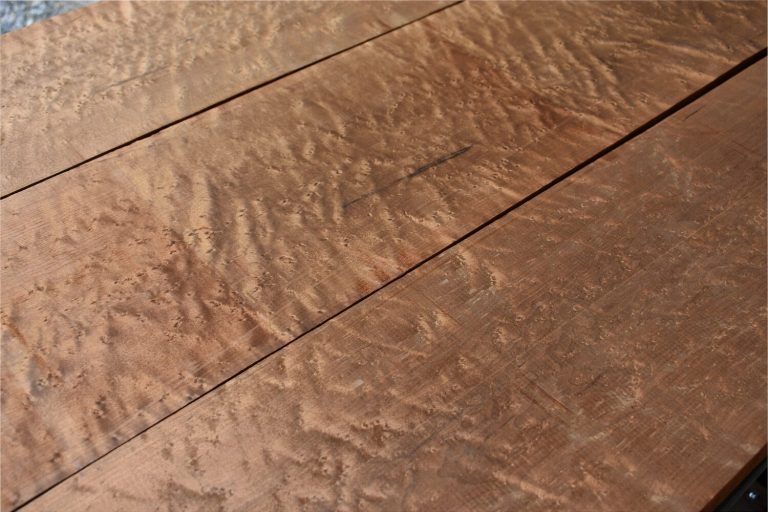
Roasted Birdseye Maple is Birdseye Maple that has been thermally modified. The wood is heated gradually to over 160°C in oxygen-free chambers, a natural, chemical-free process that darkens it to a rich caramel or chocolate brown while keeping the birdseye figure.The heat changes the wood's cell structure, so it absorbs less moisture. That makes it more dimensionally stable, which guitar makers value for necks and fretboards. It also becomes a little more brittle, so it chips more easily than unmodified maple, and it's best for tops, panels, flooring and instrument parts rather than intricate joinery. It also smells pleasantly toasty when cut.The very dry wood soaks up finish, so plan on a generous coat. Our in-house woodworker has had excellent results with Osmo Polyx-Oil, and he suggests a thicker finish works best. Use sharp tools and light passes to avoid chipping around the eyes.Roasted Birdseye Maple is popular for guitar necks and fretboards, fine furniture, knife handles, bandings and specialty pieces, where it gives the look of a dark exotic with the familiarity of maple.
bandings, crafting, fine furniture, flooring, knife handles, lutherie, musical Instruments, specialty items
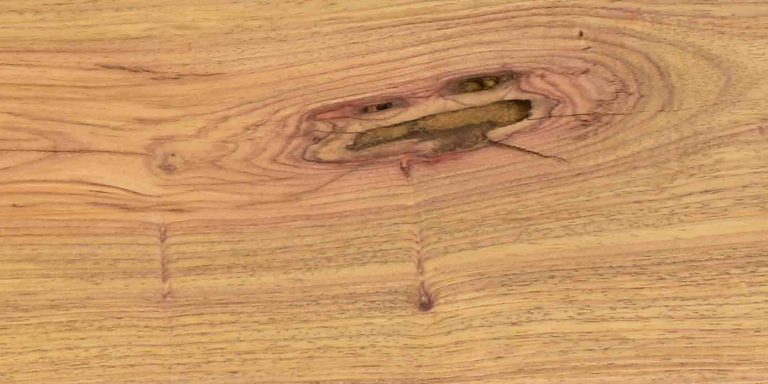
Kosso (Pterocarpus erinaceus), also sold as Senegal Rosewood in some markets, is a West African hardwood with gorgeous color and grain. It looks similar to Kiaat, another member of the Pterocarpus genus.The heartwood ranges through warm reddish-brown to deep red-purple tones, often with darker streaks and attractive figure, and it finishes to a rich luster. Like other Pterocarpus species, it's durable, stable and works well, turning and finishing nicely.Its beauty has made it heavily exploited for “Hongmu,” the traditional rosewood-style furniture popular in China, and it's now considered an endangered species. That demand has made legal supply very limited, and it's become one of the rarer woods we carry.Kosso suits boxes, cabinetry, inlay, knife handles, pens and specialty pieces where its color can shine. Our stock is limited, and we don't expect to be able to replace it once it's gone. For a similar look, see African Padauk and Kiaat.
boxmaking, cabinetry, inlay, knife handles, specialty items
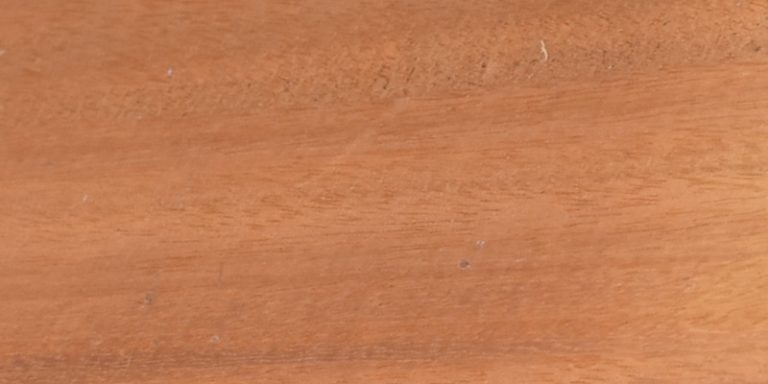
Argentine Osage Orange (Maclura tinctoria), also called Fustic or Mora, is a South American relative of the domestic Osage Orange, with the same bright yellow-orange color. It grows from Mexico to Argentina, and was once a major source of yellow dye.It usually comes in larger sizes, with cleaner lumber and fewer defects than the US species. Like its cousin, its color deepens over time toward a richer golden brown, and a finish with UV protection slows the change. The grain is straight to interlocked with a medium texture.It's hard and dense, so it's tough on tools, but it turns and finishes well, polishing to a lovely luster. Sharp tools and light passes give the cleanest results. It's naturally durable, sharing much of its cousin's resistance to rot.It's a great choice for boxes, inlay, carving, cabinetry, crafts, bows, turnings and specialty pieces where you want a splash of color, and its larger, cleaner boards make it easier to use than the domestic species. For another bright yellow, see Yellowheart.
boxmaking, cabinetry, carving, crafting, inlay, specialty items
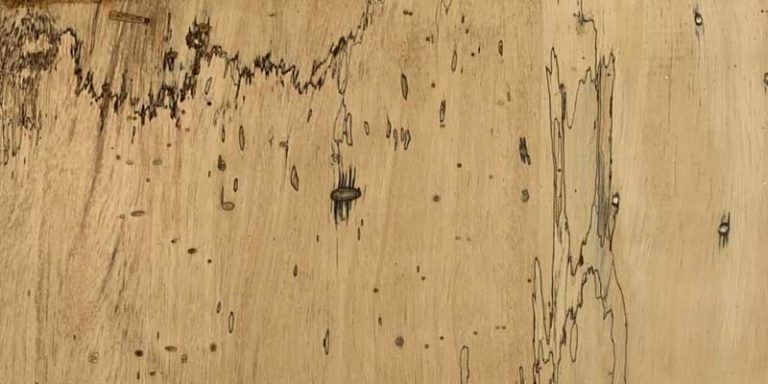
Spalted Tamarind (Tamarindus indica) comes from Southeast Asia, where fungi create wild, spiderweb-like patterns of black lines through the wood. The tamarind tree is better known for its sweet-sour fruit pods, but its timber makes some of the most dramatic spalted stock around.The spalting is mostly in the creamy sapwood, which is prone to the fungi and insects that cause it. The result adds real character and excitement to every piece, and no two are alike. Where heartwood is present, it's a much darker reddish-brown to purplish-brown, which makes for striking contrast.It's moderately difficult to work but turns and finishes well. Sometimes the decay goes deeper than the surface suggests, leaving soft spots, so expect some waste and consider stabilizing softer pieces before turning. Use good dust collection and a dust mask, as fungal spores add to the dust.Spalted Tamarind is a favorite with turners and box makers, and it's also used for inlay, knife scales, pen blanks and other specialty pieces. For another spalted wood, see Spalted Maple.
boxmaking, inlay, specialty items, turnings
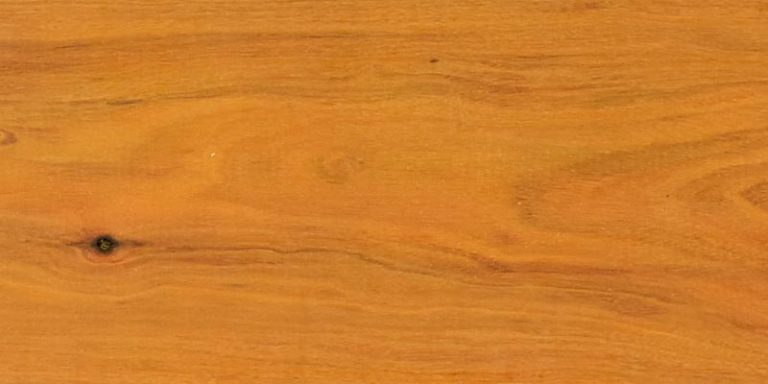
Chakte Viga (Caesalpinia platyloba) is a vibrant Central American wood that has been emerging from relative obscurity over the past decade or so. It's thought to be closely related to Pernambuco, the classic violin-bow wood, and shares some of its acoustic properties.The colors range from orange to golden brown, with gold, red and occasionally green accents, set against pale off-white to yellow sapwood. Like many orange woods, it deepens toward a richer reddish-brown over time. The grain is straight, sometimes interlocked, and the texture fine with excellent luster.It's dense and hard, but it works easily with sharp tools and finishes well, and a clear lacquer can bring out a shimmering, three-dimensional chatoyance. It turns beautifully, which makes it a favorite for pens, bowls and small turnings.We think it has real potential as a guitar tonewood and for fine furniture, and it's a great choice for turnings, inlay, boxes and accents. If you like its color, see also African Padauk and Canarywood.
fine furniture, furniture, inlay, turnings
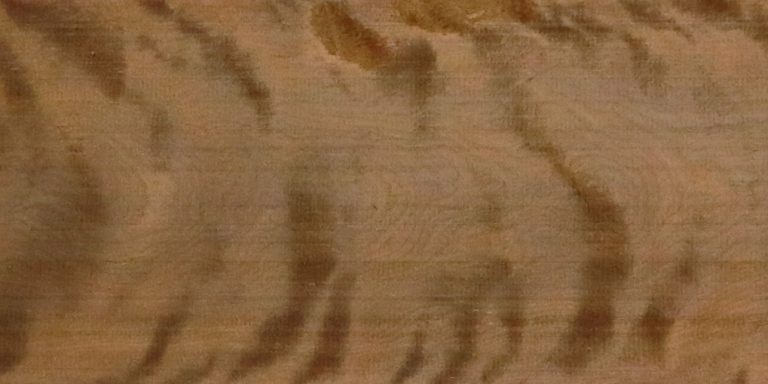
Roasted Flame Birch is flamed Yellow Birch (Betula alleghaniensis) that has been thermally modified. The wood is heated gradually to over 160°C in oxygen-free chambers, a natural, chemical-free process that changes the wood's structure and darkens it to a rich chocolate brown while keeping the flamed figure.Roasting makes the wood more dimensionally stable, but also a little more brittle, so it chips more easily than unmodified birch. That makes it a better fit for floors, tabletops, panels and cladding than for intricate joinery.Thermally modified wood is very dry and soaks up finish, so plan on a generous coat. Our in-house woodworker has had excellent results with Osmo Polyx-Oil.It's also available in wholesale quantities. See also unroasted Flame Birch.
flooring, interior panelling
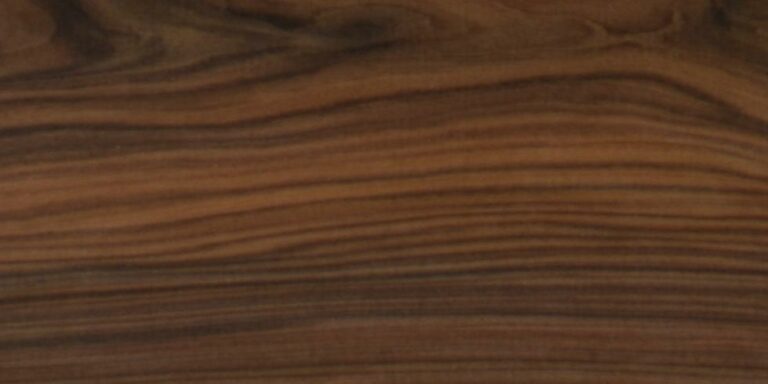
Morado (Machaerium spp.) goes by many names, most commonly Pau Ferro and Bolivian Rosewood. It grows in Bolivia and Brazil, and earned the rosewood nickname for its similar color and density, though it isn't a true rosewood.It has a medium brown base with black streaks, sometimes with purple, tan and golden hues or an overall purplish tint. The grain is usually straight to slightly interlocked with a fine to medium texture and good luster.Straight-grained pieces are very easy to work, and it turns smoothly and finishes well. It's durable, though it can be attacked by insects, and its dust can irritate sensitive skin, so use dust extraction. It's tighter-grained than a typical rosewood and a little lighter.Morado is one of the closest non-rosewood alternatives to Brazilian Rosewood. Guitar makers value it for fretboards, backs and sides, with tight lows, present mids and clear highs, and it's been used on many production electric guitars. It's also used for furniture, cabinetry, flooring, knife handles and turnings. See also Santos Rosewood.
cabinetry, flooring, furniture, lutherie, musical Instruments, specialty items, turnings, veneer
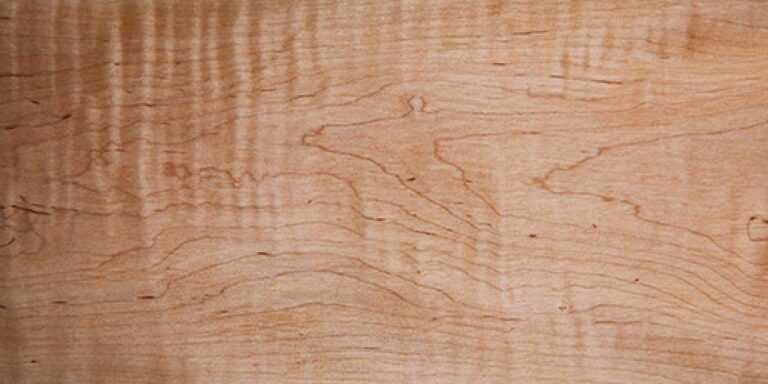
Curly Soft Maple is Red Maple (Acer rubrum) with shimmering curl figure. Red Maple is the heaviest and most common of the soft maples and grows across the eastern US and Canada, including here in Maine.The pale white to golden sapwood is the most valued part, and the figure can include tiger stripe, fiddleback and occasionally quilt. Curl is actually more common in soft maples than in hard, so there's plenty of character to choose from. Our stock generally ranges from light to medium figure.It's a little easier to work than hard maple. Take light passes to avoid tear-out in the figure, and go slowly with high-speed tools, as maple can burn. A dye or oil finish brings the curl to life.Curly Soft Maple is popular for guitar bodies and tops, furniture, boxes, turnings, specialty items and veneer, and it's a more affordable way to get the curly maple look. For a darker version, see Roasted Curly Soft Maple, and for harder stock, see Curly Hard Maple.
boxmaking, specialty items, turnings, utility lumber, veneer
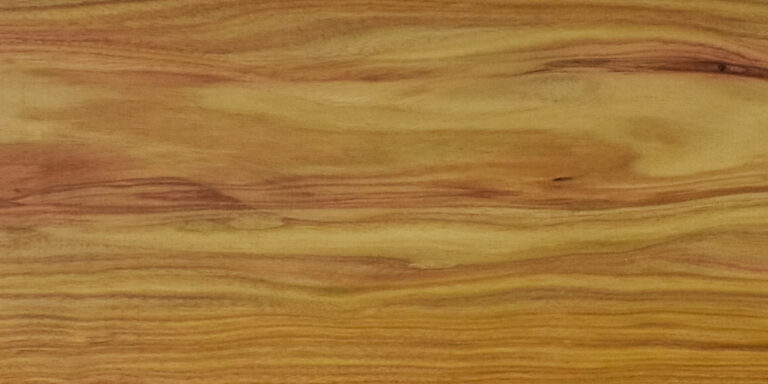
Canarywood (Centrolobium spp.), also called Canary or Yellow Tarara, grows across South America, from Panama to southern Brazil. It's best known for its lively mix of colors, which makes every board a little different.The heartwood ranges from pale yellow through pink and orange to dark reddish-brown, and the best boards show the whole range in a single piece, often with darker streaks. More evenly colored boards can look a lot like Cherry. The colors deepen and mellow over time toward a warmer reddish-brown.It's durable and fairly hard, yet still easy to work. The grain is usually straight, sometimes interlocked, with a medium texture, and it turns, glues and finishes well, taking a high polish. That means you get a colorful South American hardwood without the usual struggle, and at a reasonable price.Canarywood is a great choice for boxes, turnings, inlay, bandings, furniture accents and veneer, and the right board makes a good, lower-priced alternative to Tulipwood. Not to be confused with Red Canarywood, which is a different wood from another genus.
bandings, boxmaking, inlay, specialty items, turnings, veneer
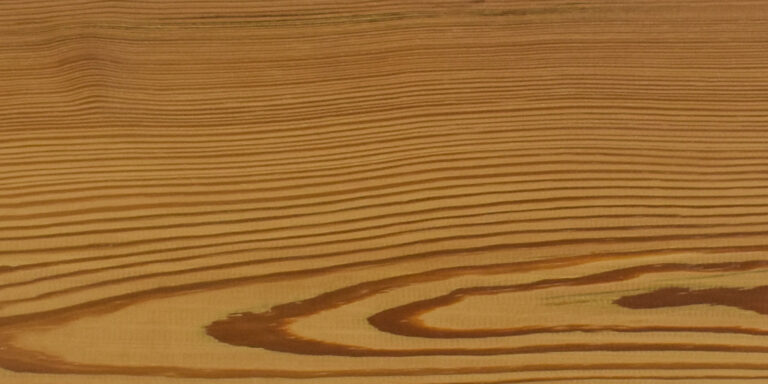
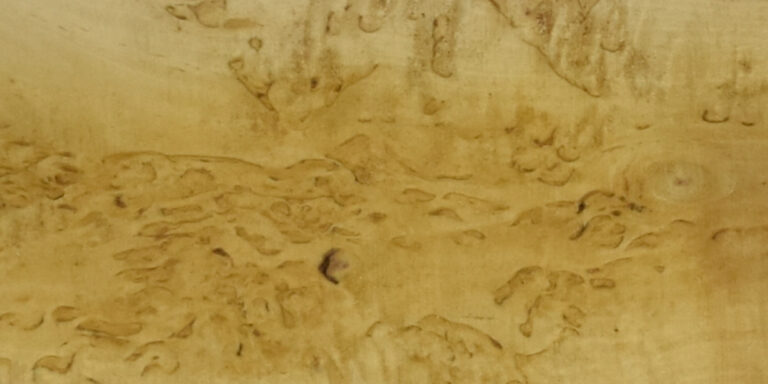
Masur Birch, also called Karelian Birch, isn't a species in its own right. It's a rare figure found in some European birch (Betula pendula) that produces a marbled look somewhere between burl and birdseye.The cause of the figure isn't fully settled. Some point to insect larvae damaging the growing tree, while others believe it's hereditary, and the variety is often named Betula pendula var. carelica. Whatever the cause, the result is striking lumber, and no two pieces are alike.The wood is light brown and works much like other birch, finishing to a smooth surface that shows off the figure.Masur Birch is mostly used for accents, turnings, knife handles and other small specialty pieces. Veneer is rotary-cut, like Birdseye Maple, to show the figure at its best.
fine furniture, knife handles, specialty items, turnings, veneer
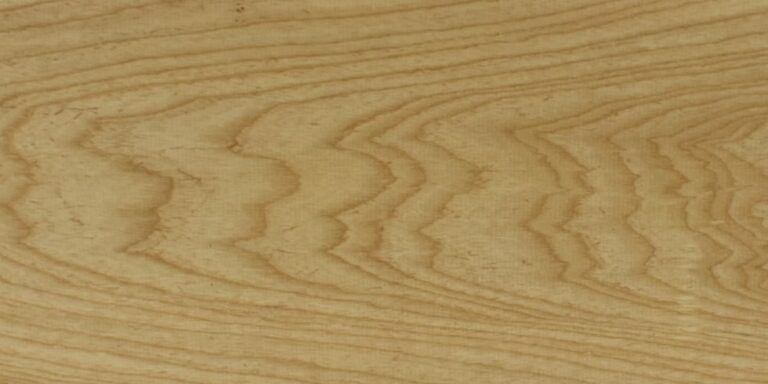
Swamp Ash isn't a single species. It's the name for ash (Fraxinus) from trees growing with their roots in or near water, which produces the lightest, softest ash available.The wood is pale with an open grain. It's light and resonant yet stable, easy to work by hand or machine, and it steam-bends, sands, glues and stains well. Because ash gets denser further up the tree, the most sought-after boards come from the midsection down to the trunk.Swamp Ash is best known as an electric guitar body wood. Players and builders value its crisp highs, tight lows and scooped mids, and steady worldwide demand makes it the most expensive of the ashes.It's also used for boxes, turnings and flooring. For a harder, more general-purpose ash, see White Ash.
boxmaking, flooring, musical Instruments, turnings
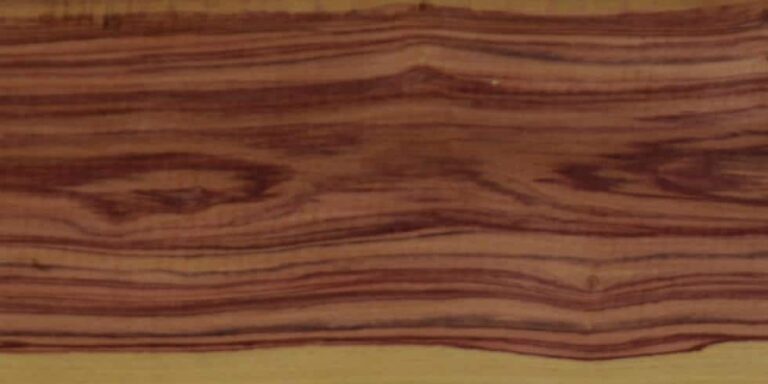
Tulipwood (Dalbergia decipularis), also called Brazilian Tulipwood or Pinkwood, is one of the most coveted and seldom-seen rosewoods. It grows in northeastern Brazil and is unrelated to Tulip Poplar, which is sometimes sold under the same name.The heartwood is cream to salmon, striped with reds, violets, purples, pinks and rose, and the sapwood is pale yellow. It has a mild, sweet scent when cut. The color slowly fades with exposure to light, so a UV-resistant finish helps preserve it.The grain is mostly straight, sometimes wavy or irregular. It's dense and oily, which makes it challenging to work and glue, so keep tools sharp and wipe joints with a solvent first. Despite its open grain, it sands very smooth and polishes to a pleasing luster.The trees are small, so long, wide boards are rare and command a premium, and most Tulipwood comes in craft-sized pieces. It's been a favorite for fine furniture inlay and banding for centuries, and it's used for boxes, turnings, pool cues, bows and instrument parts. For a lower-priced alternative, see Canarywood.
bandings, bows, boxmaking, inlay, musical Instruments, pool cues, specialty items, turnings, veneer
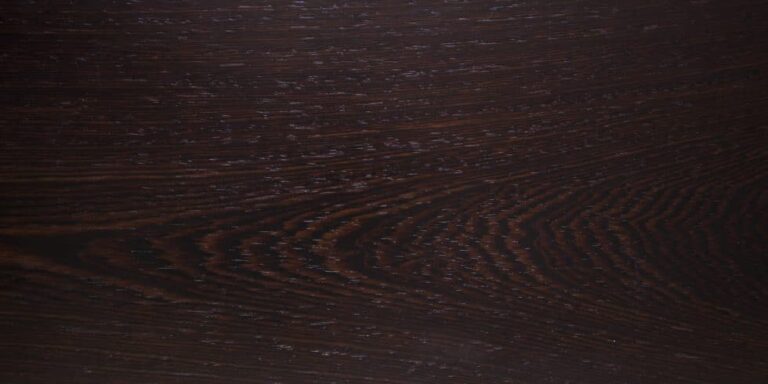
Wenge (Millettia laurentii) is a tough Central African hardwood whose deep chocolate color is so distinctive that “wenge” has become the name of a color used by paint and furniture makers.The dark brown base sometimes carries muted gold, orange, red or burgundy tints, with overlapping black lines across the surface. The grain is generally straight, sometimes wavy or irregular, and quartersawn boards show a striking, even stripe.It's strong, durable, rot- and insect-resistant and very stable, and it glues well, though its coarse texture can make it hard to work. It's often described as dull, but in our experience fine-grit sanding of flat-sawn boards can bring out a surprisingly deep, glossy luster. It's very splintery, and its splinters are sharp and can easily become infected, so wear gloves, remove any splinters promptly and use good dust collection.Its combination of moderate weight, strength and durability makes it well suited to high-traffic flooring, as well as furniture, cabinetry, paneling, handles, bows and walking sticks. See also Panga Panga, its close cousin.
bows, cabinetry, flooring, furniture, handles, paneling, specialty items, veneer, walking sticks
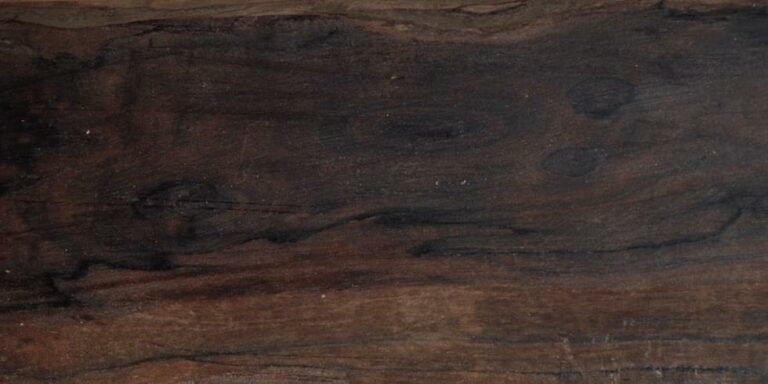
Ziricote (Cordia dodecandra) is one of the most striking exotic woods in the world, famous for its “landscape” or “spiderweb” grain. It grows in southern Mexico and parts of Central America.The color ranges from medium to dark brown, sometimes with a green or purple tint, with irregular black growth rings weaving through it. The sapwood is a dull off-white to pale yellow, and boards with sapwood left on can make for dramatic contrast.Although fairly dense, its mostly straight grain and fine texture make it cooperative to work. It cuts, turns, glues and finishes smoothly. It can be prone to end checking and surface cracks as it dries, so seal ends and store it carefully.Ziricote is a close relative of Bocote, and its dramatic figure has given it something of an elite status among exotic wood enthusiasts. It's prized by guitar makers as a visually stunning tonewood, with a bright, rosewood-like voice. Supply is limited and prices are high. It's also used for fine furniture, cabinetry, gun stocks, turnings, boxes and veneer.
cabinetry, flooring, furniture, gun stocks, joinery, lutherie, musical Instruments, specialty items, trim, turnings, veneer
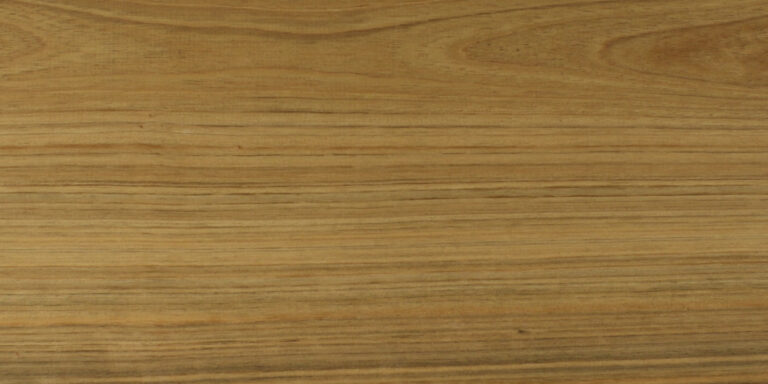
Shedua (Guibourtia ehie), also called Ovangkol, is a West African hardwood and a cousin of Bubinga, though it looks quite different. It's a popular African tonewood.The heartwood ranges from light to medium yellow to light orange or reddish-brown, usually with darker brown or black stripes, and the sapwood is pale yellow. Tiger stripe, fiddleback and mottled figure turn up on occasion, and boards can vary so much they look like different species.The grain can be straight, wavy or interlocked, with a medium texture and nice luster. It's tough and durable and generally works well, though its silica can gum up blades, and interlocked boards can tear out. It turns, glues and finishes well.Guitar makers use it as a rosewood alternative for backs and sides, with a similar warm tone, and some denser pieces are used for fretboards. It's also used for electric guitar bodies, furniture, cabinetry, flooring, trim, turnings and veneer.
cabinetry, flooring, furniture, trim, turnings, veneer
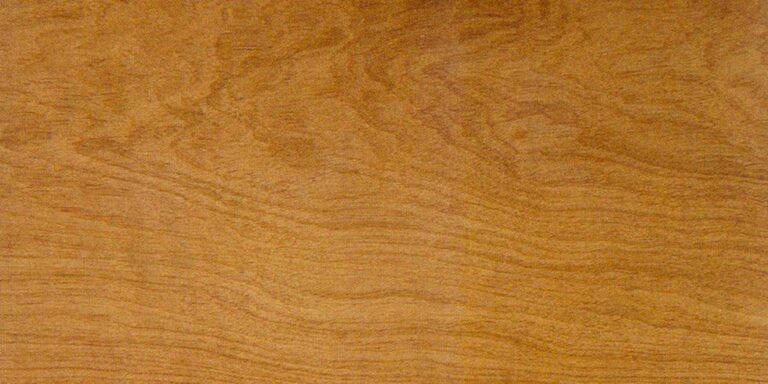
Sneezewood (Ptaeroxylon obliquum) is a South African hardwood with a reputation as one of the most durable, rot- and insect-resistant woods in the world, once classed as “imperishable” in its homeland. The name comes from the fine, peppery dust, which can make you sneeze.The heartwood is light to medium golden brown, sometimes darker toward the center, with a fine texture and an attractive sheen. The grain is straight or wavy, sometimes interlocked, and the wood is aromatic when worked.It's dense, which makes it somewhat difficult to work, but it's very stable once dry. It turns and finishes well, though its natural oils can make gluing tricky. Use good dust extraction and a mask.Sneezewood has long been used for fence posts, railway sleepers and bearings in South Africa, where old posts are said to have lasted for generations. Today it's used for turnings, carving, furniture, knife handles, specialty pieces and demanding outdoor work. For another tough South African wood, see Leadwood.
carving, construction, furniture, specialty items, turnings, utility lumber
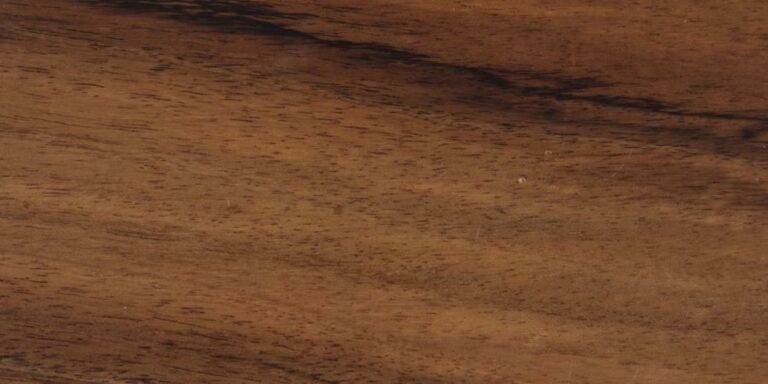
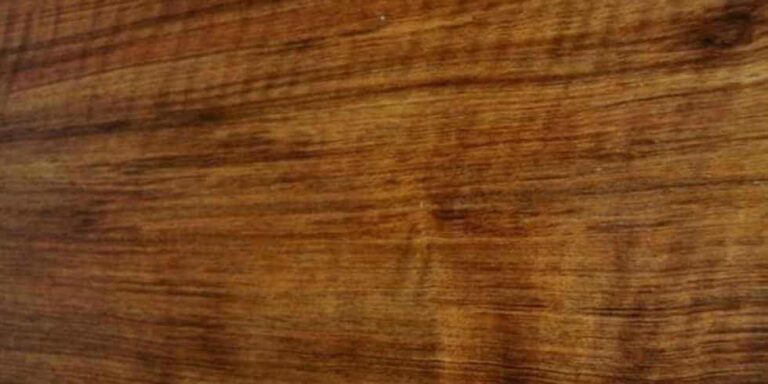
Tamboti (Spirostachys africana), also called African Sandalwood, is a beautiful southern African hardwood with a pleasant, sandalwood-like scent that lingers in finished pieces.The heartwood is brown to dark brown with darker markings and streaks, clearly set apart from the whitish to pale yellow sapwood. The grain is straight to slightly wavy and the texture fine and even, with a lovely banded figure and a satin luster that feels slightly oily to the touch.It's hard, heavy, very stable and exceptionally resistant to rot and insects. Its natural oils and latex tend to gum up saw blades, so clean blades often, but it turns, carves and finishes beautifully. The tree's sap is toxic and the sawdust can irritate eyes and skin, so wear eye protection and a mask, and never burn offcuts, as the smoke is harmful.Tamboti has long been a favorite of carvers and furniture makers in its home range. It's used for carving, turnings, furniture, cabinetry, flooring and specialty pieces such as boxes, pens and knife handles. See also Kiaat.
boatbuilding, cabinetry, carving, construction, flooring, furniture, specialty items, turnings
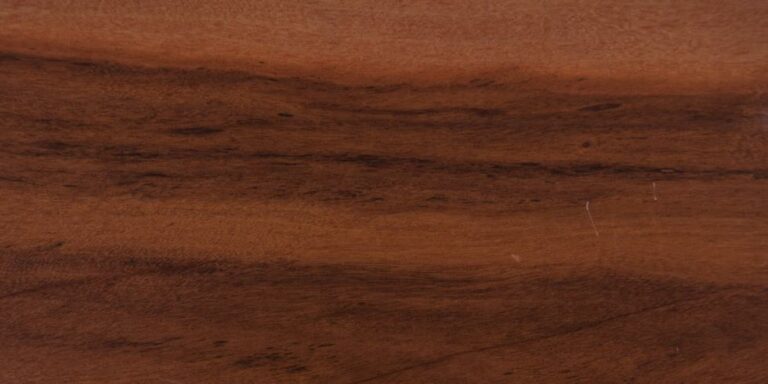
Zambezi Teak (Baikiaea plurijuga), also called Rhodesian Teak or Mukusi, grows on the Kalahari sands of Zambia, Zimbabwe, Botswana and Namibia. It isn't a true teak, but it shares Teak's stability, durability and rot resistance.The heartwood is reddish-brown with prominent, irregular black lines and flecks, and the sapwood is a pale muted pink that's clearly set apart. Unlike true Teak, it's extremely dense and hard, with low shrinkage and excellent stability once dry.The grain is generally straight or slightly interlocked with a fine texture, but its density makes it very difficult to work. Its silica content can quickly dull and gum up blades, so sharp carbide tooling is a must, and pre-drilling is needed for screws and nails. When moist, it can stain in contact with iron.Zambezi Teak is famous for hard-wearing flooring, and it was used for railway sleepers across southern Africa for many years. It's also used for turnings, carving, instrument parts and veneer. For genuine teak, see Burmese Teak.
carving, flooring, musical Instruments, specialty items, turnings, veneer
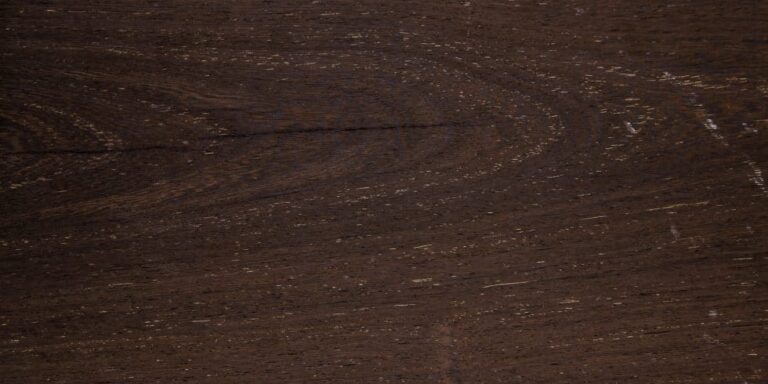
Panga Panga (Millettia stuhlmannii) is an East African hardwood from Mozambique and neighboring countries, and a close cousin of Wenge. The two share a large-pored, coarse texture and some of the same working challenges.It's usually a little lighter than Wenge, with heartwood from medium to dark brown and dark brown to black streaks. Darker boards are easily mistaken for Wenge and can turn almost black with age. Quartersawn boards show a striking, even striped look.It's hard, heavy, durable and stable, and it machines well with sharp tools, though the coarse grain benefits from a filler for a smooth finish. Like Wenge, it splinters easily, and the splinters can become inflamed, so wear gloves and take care when handling it.Panga Panga is better known internationally than in the US, and it's a popular, premium choice for parquet flooring in the UK and Europe. It's also used for fine furniture, paneling, stair treads, trim, turnings and veneer. It offers Wenge's dramatic look with a little more warmth.
fine furniture, flooring, paneling, specialty items, trim, turnings, veneer
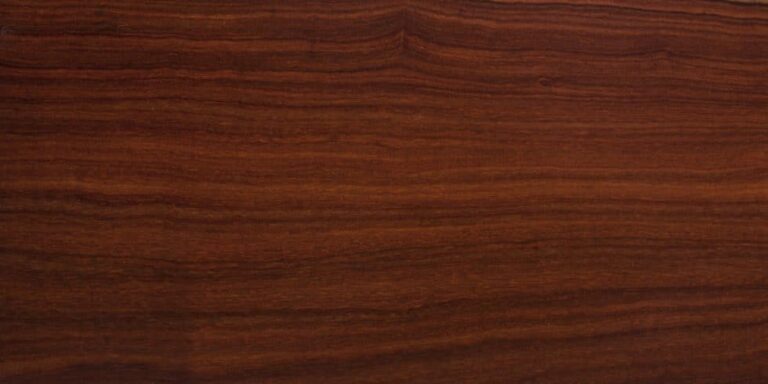
“Pau Ferro” means ironwood in Portuguese, and the name is used for several different woods. Ours is the East African Pau Ferro (Bobgunnia sp.), also known as Pau Rosa or Snake Bean, formerly classified in the Swartzia genus.It has a glorious color palette: a dark brown base with reds, oranges and yellows, sometimes with deep red-purple tones. It reminds us of an African sunset. The grain is often interlocked with a moderately coarse texture and good luster.It's hard and heavy to work, so sharp tools and patience help, but it turns and finishes well, and the color makes it worth the effort. It's very durable and stable once dry.It's used for turnings, furniture, cabinetry, flooring, knife handles and veneer. It's different from the South American Pau Ferro used for guitar fretboards, which we sell as Morado and Santos Rosewood. See also Pau Rosa.
cabinetry, flooring, furniture, specialty items, turnings, veneer
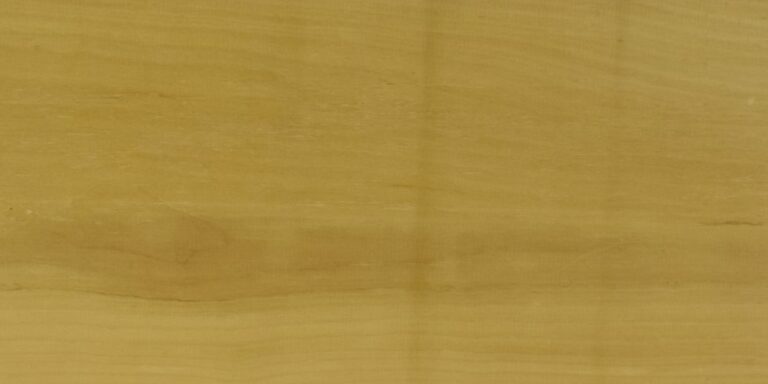
Pau Marfim (Balfourodendron riedelianum), also called Ivorywood or Guatambu, is a dense, fine-textured South American hardwood from Brazil, Argentina and Paraguay. “Marfim” means ivory in Portuguese, after its creamy white color.Its color can range from lemon to a pale yellowish-brown, with little contrast between heartwood and sapwood, though darker streaks sometimes appear. The grain is mostly straight with a very fine, even texture, and density can vary with growing conditions.It's extremely tough and very stable, and it turns excellently. It nails, screws and glues easily and polishes to a smooth, fine finish. It's harder to work than Maple or Birch, and it isn't decay-resistant, so finish it well for outdoor use.Pau Marfim looks a lot like Maple or Birch but is more wear-resistant, which makes it an excellent light-colored flooring. It's also used for tool handles, furniture, cabinetry, carving, turnings, guitar parts and even oars and canoes. For a similar pale wood, see Hard Maple.
cabinetry, canoes, carving, flooring, furniture, handles, oars, paneling, specialty items, turnings, veneer
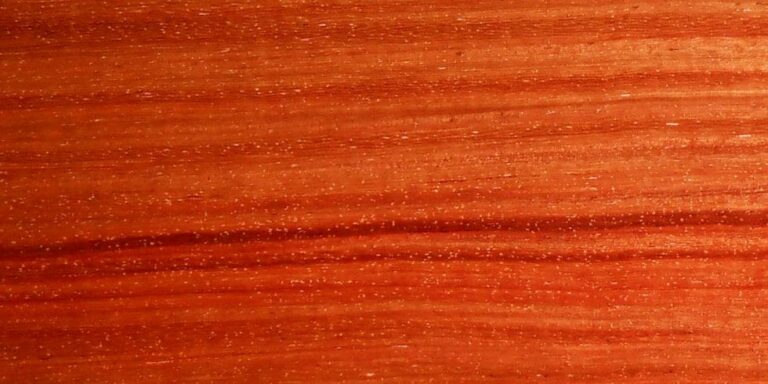
Pau Rosa (Bobgunnia sp.) is a beautiful, dense tropical African hardwood that's rarely found outside Africa. It was formerly classified in the Swartzia genus.Depending on where it grew, the color ranges from medium chocolate brown to an almost Padauk-like red or orange, sometimes mixed with yellows and purples, and it darkens with age. The grain is typically wavy or interlocked and the texture moderately coarse, with a nice luster.Despite its density, it's fairly easy to work: it needs sharp blades but planes well, and it turns, glues and finishes well. It dries slowly and tends to crack while drying, and the trees are short, so long boards are uncommon. Once dry, it's very durable and stable.Pau Rosa has excellent tonal properties and is under-appreciated in the US, largely because supply is so limited. It's used for turnings, carving, furniture, guitar backs and sides, and veneer. See also Pau Ferro.
carpentry, carving, furniture, specialty items, turnings, veneer
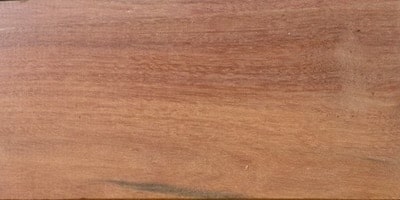
Pernambuco (Paubrasilia echinata), also called Brazilwood, is the wood that gave Brazil its name. After Portuguese explorers arrived in 1500, they found it yielded a valuable red dye, called it pau brasil (“ember-red wood”), and traded it across Europe.The heartwood ranges from muted yellow-orange through orange to red or reddish-brown, slowly darkening with age. The grain is generally straight, sometimes interlocked. It grows only in Brazil's Atlantic coastal forest, much of which has been cleared, which is why the species is now so tightly protected.Despite its density, it works very well, and its fine texture finishes nicely with an impressive natural luster.Since the late 18th century, Pernambuco has been the finest wood for violin, viola, cello and bass bows, prized for its unique combination of strength, flexibility, density and responsiveness. No other wood has matched it. It's also used for carving, inlay and turnings. For a related wood, see Chakte Viga.
carving, inlay, musical Instruments, turnings, veneer
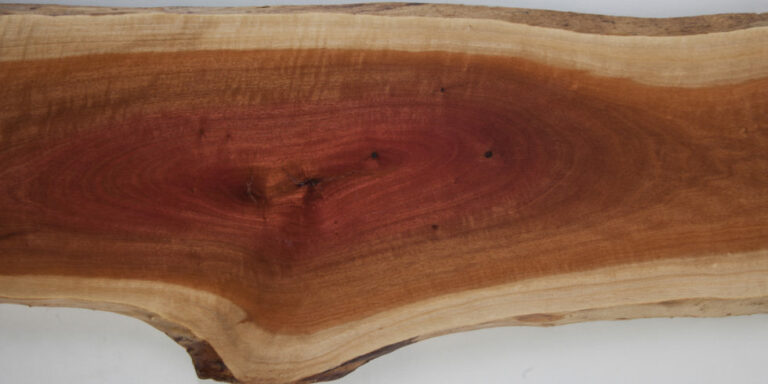
Pink Ivory (Berchemia zeyheri), also known as Red Ivory, is one of the rarest and most sought-after woods in the world. It's native to southern Africa, where it's traditionally associated with Zulu royalty, and many guitar makers see it as a “holy grail” tonewood.It's prized for its dazzling pink to red color, which ranges from pale pink to deep red, and occasional striking figure such as curl or chatoyant stripes. The texture is fine and even, with a lovely natural luster.It's very hard and dense, popular with carvers and turners, but it can be difficult to work and dulls blades. It turns beautifully and polishes to a glassy finish, and a finish with UV protection helps preserve its color. The trees are small, rarely much over 35 feet tall with trunks around a foot across, and harvesting in South Africa is limited by permit.As a result, Pink Ivory is mostly available in small, craft-sized pieces. It's used for turnings, knife handles, chess pieces, pool cues, pens, inlay and instrument parts. For another bright red wood, see Bloodwood.
chess pieces, inlay, knife handles, musical Instruments, pool cues, specialty items, turnings, veneer
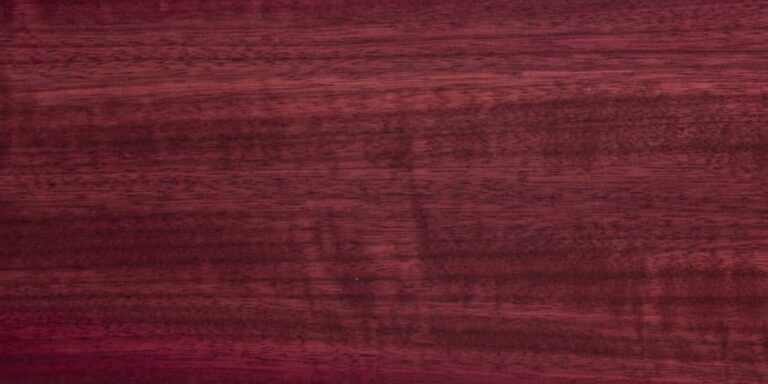
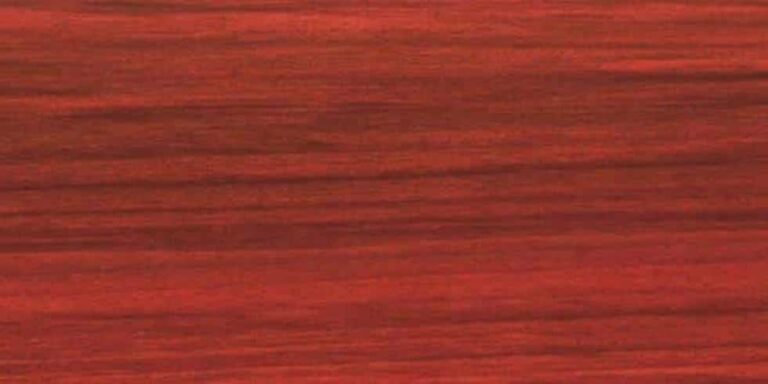
Redheart (Erythroxylum spp.), also called Chakte Kok, is a Central and South American hardwood with a bright pink to red color.The base color ranges from dull to bright pink, pinkish-red or red, with streaks of darker red, yellow, orange and occasionally purple. Like most red woods, it fades toward a brownish tone with light exposure, so a finish with UV protection is a good idea.The grain is often irregular or wild, sometimes straight, and can be wonderfully dramatic. The texture is fine and smooth, though it has little natural luster until finished. It works, turns, glues and finishes well, but dull blades can burn it when resawing, leaving a black resin that takes patient sanding.Redheart is a popular turning wood for pens, bowls and small pieces, and it's increasingly used for custom guitar necks and fretboards, inlay, boxes and accents. Its color makes it a great contrast wood in cutting boards and mixed-wood projects. For another bright red, see Bloodwood.
fine furniture, inlay, specialty items, turnings, veneer
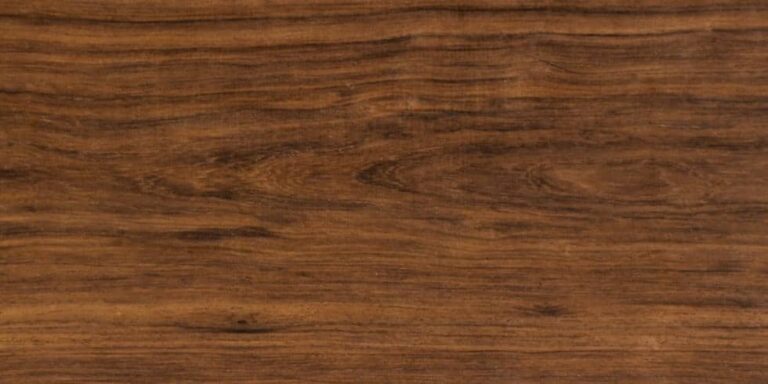
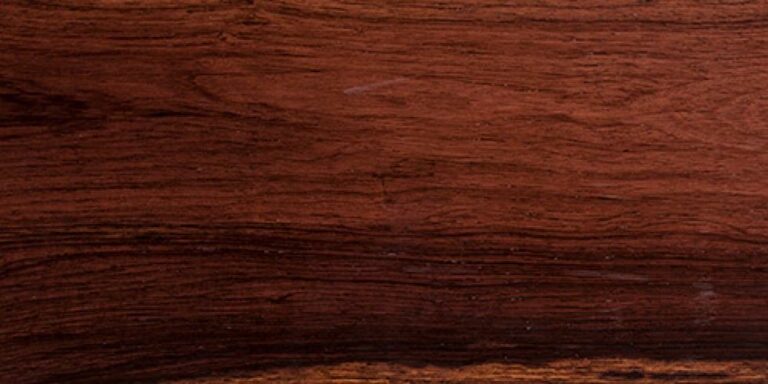
Nicaraguan Rosewood (Dalbergia tucurensis), also called Yucatan or Panama Rosewood, grows across Central America and southern Mexico. It's the lightest and softest of the true rosewoods, and its density can vary a lot by region.The heartwood ranges from pale yellow-brown and tan to light and dark browns, with clearly paler yellow sapwood. The grain is generally straight, sometimes wavy or interlocked, with a fine to medium texture and large, open pores.It's on the plainer side, though darker accents and occasional figure appear. Its color can deepen with age, and an oil finish brings out its warmth. It's surprisingly durable and less oily than other rosewoods, so it works, turns, glues and finishes very well, which makes it one of the friendliest rosewoods to use.It's used for furniture, turnings, knife handles, boxes and specialty pieces, and it's an affordable way to work with a true rosewood. For a more colorful option, see Cocobolo.
furniture, specialty items, turnings
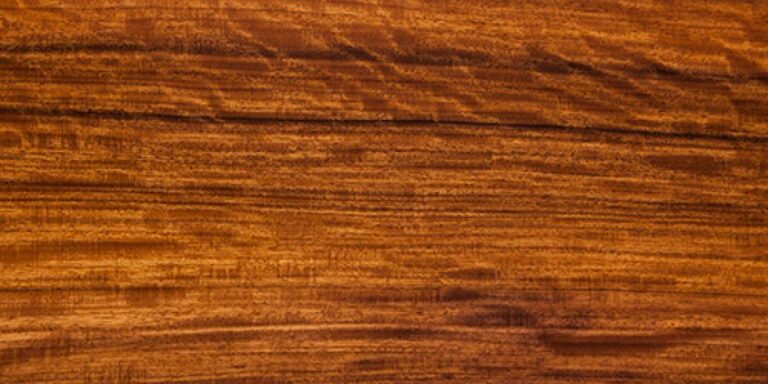
Santos Rosewood (Machaerium spp.) is more often called Pau Ferro, Bolivian Rosewood or Morado. It grows in Bolivia and Brazil, and it isn't a true rosewood, but its color and density are close, which earned it the name.It has a medium brown base with black streaks, sometimes with purple, tan and golden hues or an overall purplish tint. The grain is mostly straight with a fine to medium texture.Straight-grained boards are very easy to work, and it turns smoothly and finishes well. It's quite durable, though it can be attacked by insects, and its dust can irritate sensitive skin. A much denser wood, Brazilian Ironwood, is also sometimes sold as Pau Ferro, but most of what's available in the US is the lighter Bolivian type.Santos Rosewood is a popular Brazilian Rosewood substitute, especially for guitar fretboards, with a tight grain and a clear, focused tone that's a little brighter than rosewood. It's also used for furniture, cabinetry, flooring, knife handles, turnings and veneer.We separate Santos Rosewood from Morado, because we have two different sources of material that differ somewhat. The same genus, but this material is far more rustic than our Morado which is the quality, grain pattern and color you will likely be more familiar with.
cabinetry, flooring, furniture, specialty items, turnings, veneer
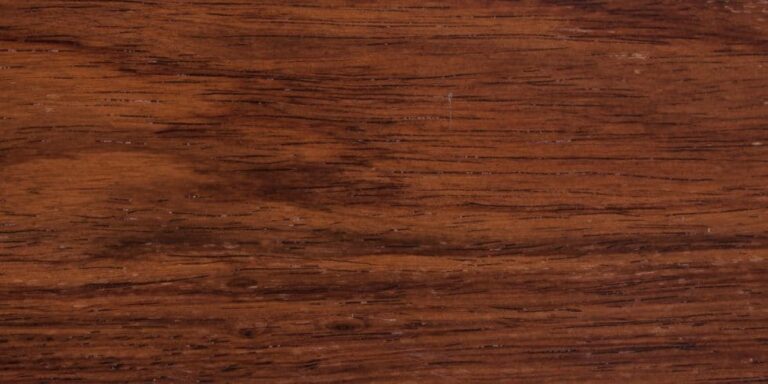
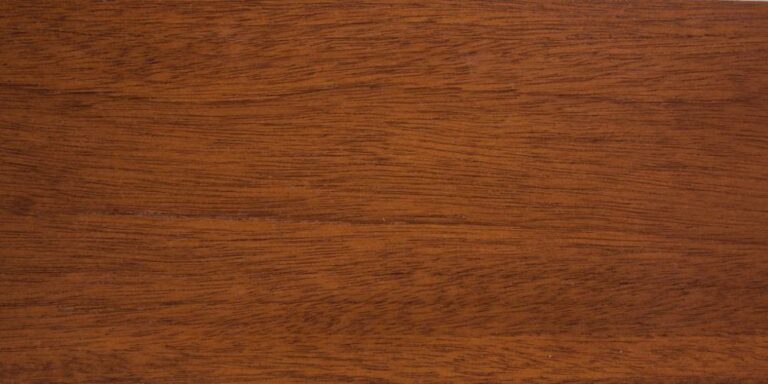
Genuine Mahogany (Swietenia macrophylla), also called Honduran, Brazilian or Big-leaf Mahogany, is the species most people mean when they say “mahogany.” It grows from Mexico to the Amazon and has long been an important wood throughout Latin America.The color ranges from pale pink to light and medium reddish-brown, deepening to a rich, warm red-brown with age, and it's renowned for its chatoyance. The grain is usually straight but can be interlocked, irregular or wavy, with a fine, even texture and a rich luster. Ribbon and fiddleback figure appear in some boards.It's famously easy to work: it cuts, planes, carves, glues and finishes beautifully, and it's very stable once dry. Wood from natural forests is generally considered more durable and stable than plantation-grown stock, which now makes up much of the supply.Genuine Mahogany is a classic for fine furniture, cabinetry, boats, guitars, carving and turnings. Tighter supply has given rise to substitutes such as Sapele and African Mahogany, but demand for the real thing remains strong.
boatbuilding, cabinetry, carving, furniture, turnings, veneer
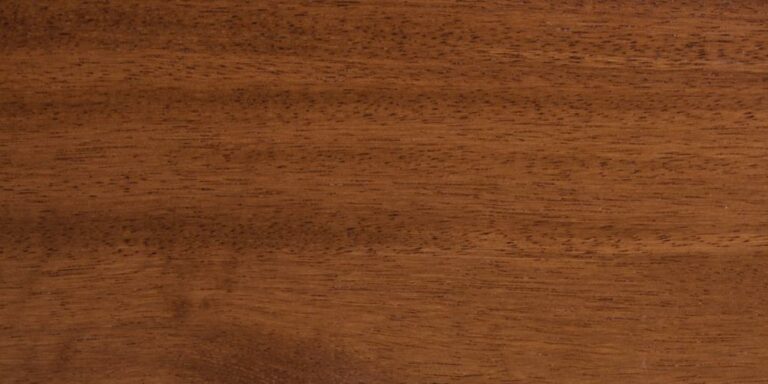
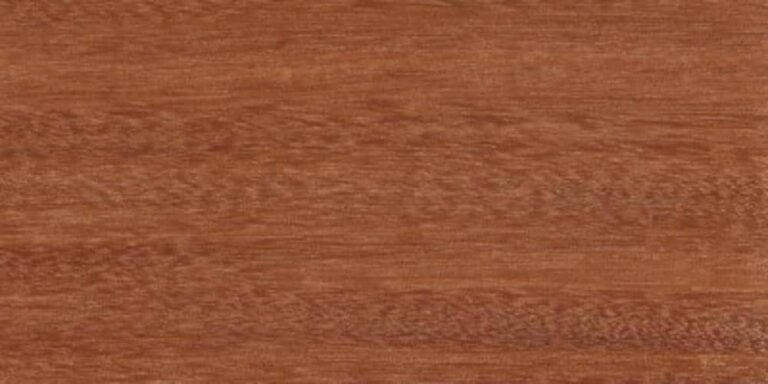
Santos Mahogany (Myroxylon balsamum), also called Cabreuva or Balsamo, grows across Central and South America. It isn't a true mahogany, but it shares much of the look. The tree is also the source of Balsam of Tolu and Balsam of Peru, aromatic resins used in medicine and perfumery.The heartwood ranges from muted yellow-orange to, more commonly, a deep red, and it darkens with age. Figured, chatoyant boards are common. That's where the similarities with mahogany end. It's much heavier and roughly twice as hard as typical mahogany, with a medium texture.The grain is usually interlocked, which makes it harder to work, and it can blunt blades. Its natural oils can complicate gluing but give it a beautiful luster and finish, along with a faint, pleasant scent.Santos Mahogany's toughness and durability make it a popular choice for flooring in the US, as well as furniture, stair treads, construction and veneer. For a lighter, true mahogany, see Genuine Mahogany.
construction, flooring, furniture, veneer
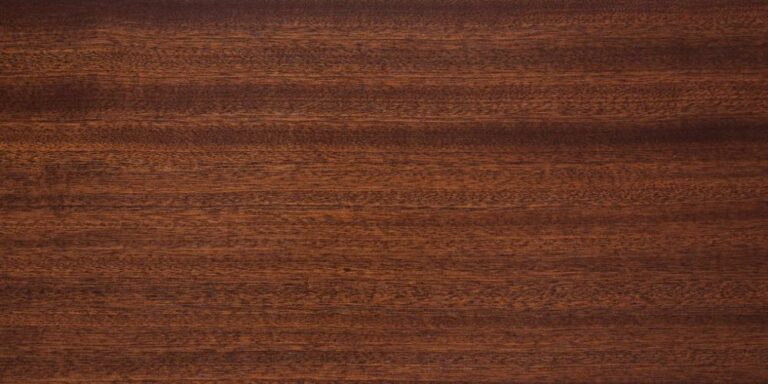
Sapele (Entandrophragma cylindricum) is an important African hardwood from the mahogany family, grown across tropical West and Central Africa. It's one of the most popular substitutes for Genuine Mahogany, at a significantly lower price.Its color ranges from light golden brown to darker reddish or pinkish-brown, darkening with age. It's moderately durable and stable, with a beautiful natural luster and a faint cedar-like scent when cut.Sapele is famous for its figure, especially the ribbon stripe on quartersawn boards, and you'll also find pommele, quilted, mottled, waterfall, beeswing and fiddleback. Highly figured boards can command high prices. It works, turns and finishes beautifully, though interlocked grain can tear out when planed, so take light final passes.The trees grow very large, so wide, long boards are readily available. Sapele is used for furniture, cabinetry, doors, windows, guitar backs, sides and necks, boatbuilding, flooring, turnings and veneer. For a close cousin, see Sipo.
boatbuilding, cabinetry, flooring, furniture, specialty items, turnings, utility lumber, veneer
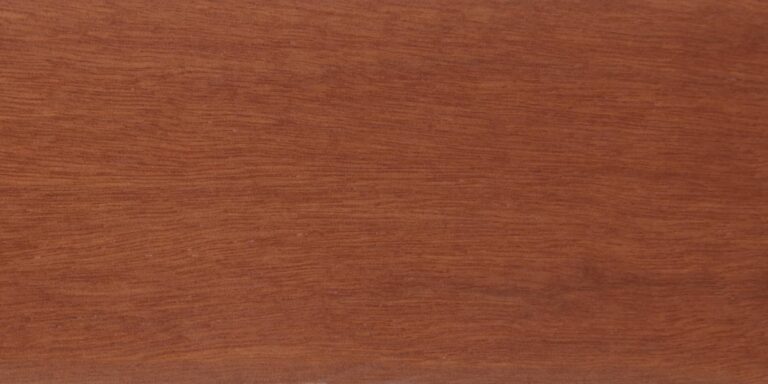
Makore (Tieghemella heckelii), sometimes called African Cherry or Cherry Mahogany, is a beautiful hardwood from the rainforests of West Africa. It's strong and durable for its moderate density, it's often used as a mahogany substitute, and it has served many roles in its native Africa for centuries.The heartwood ranges from pink to light and medium reddish-brown, with clearly paler yellow sapwood. Quartersawn boards often show striped, mottled or even beeswing figure, with a fine, even texture and a lovely luster.It's usually straight-grained and easy to work, though some boards are wavy or interlocked, and it turns well. Its silica content can dull blades, so carbide tools help, but it gives the wood a fine luster and causes no trouble with gluing or finishing. The fine dust can irritate, so use good extraction.The trees grow very tall, so long, wide and thick boards are available. Makore is used for fine furniture, cabinetry, boatbuilding, flooring, turnings and veneer, and its color makes it a handsome alternative to Cherry.
boatbuilding, cabinetry, flooring, furniture, specialty items, turnings, utility lumber, veneer