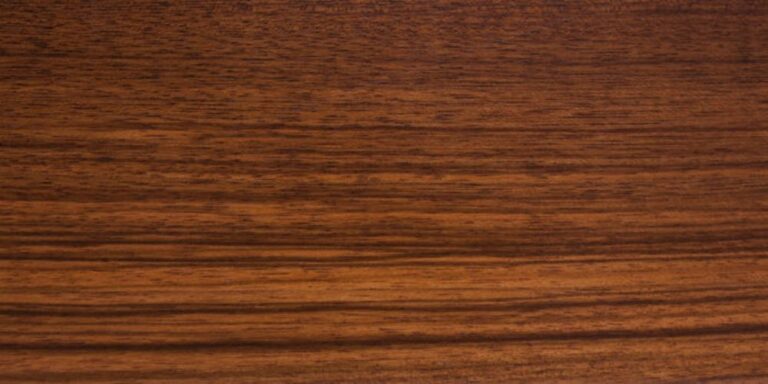
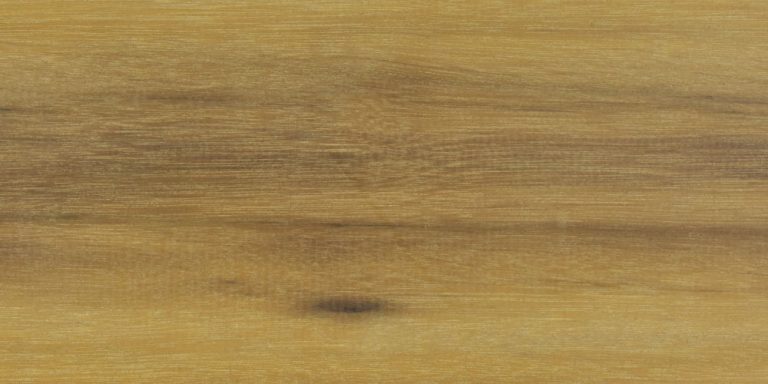
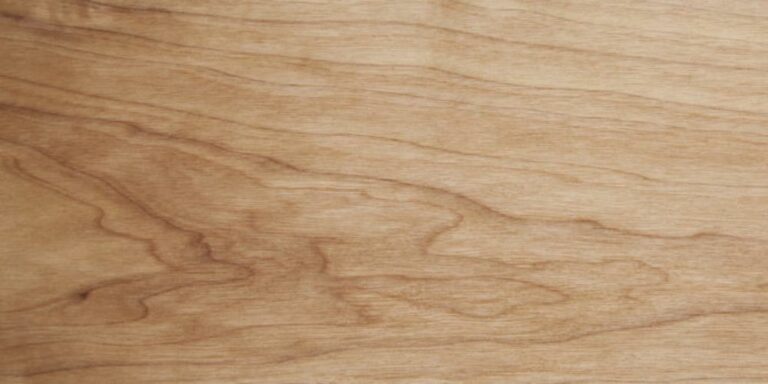
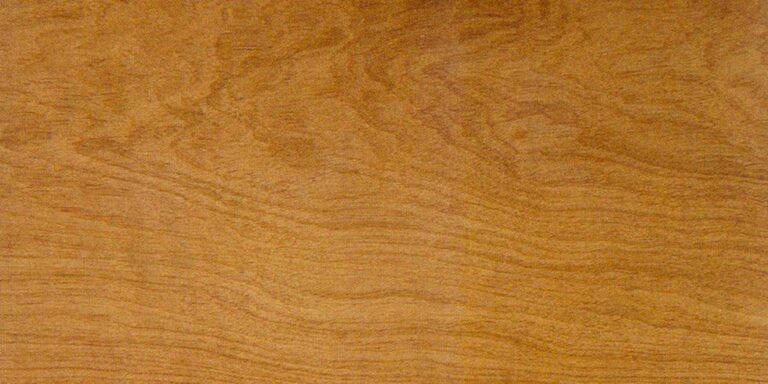
Sneezewood (Ptaeroxylon obliquum) is a South African hardwood with a reputation as one of the most durable, rot- and insect-resistant woods in the world, once classed as “imperishable” in its homeland. The name comes from the fine, peppery dust, which can make you sneeze.The heartwood is light to medium golden brown, sometimes darker toward the center, with a fine texture and an attractive sheen. The grain is straight or wavy, sometimes interlocked, and the wood is aromatic when worked.It's dense, which makes it somewhat difficult to work, but it's very stable once dry. It turns and finishes well, though its natural oils can make gluing tricky. Use good dust extraction and a mask.Sneezewood has long been used for fence posts, railway sleepers and bearings in South Africa, where old posts are said to have lasted for generations. Today it's used for turnings, carving, furniture, knife handles, specialty pieces and demanding outdoor work. For another tough South African wood, see Leadwood.
carving, construction, furniture, specialty items, turnings, utility lumber
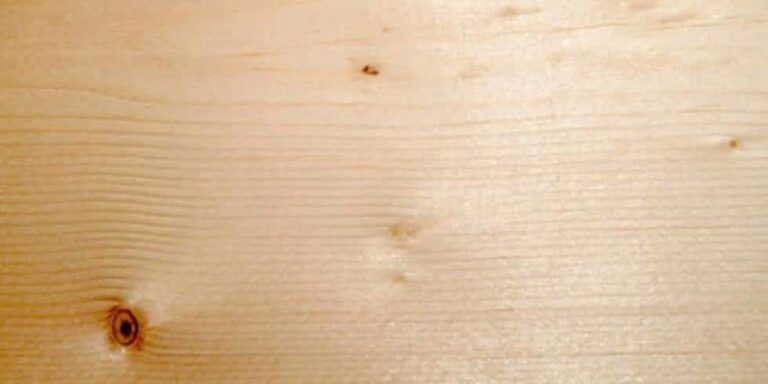
Engelmann Spruce (Picea engelmannii) grows high in the mountains of western North America, from British Columbia and Alberta down through the Rockies. It's prized by acoustic guitar makers for soundboards, thanks to its resonance and quick, responsive tone.The wood is light off-white to cream, a touch paler than Sitka, with straight grain and a fine, even texture. It's generally easy to work with hand and power tools, though it can blotch when stained, so a sealer coat or a clear finish is the safer choice.What makes it special for instruments is its stiffness-to-weight ratio. Construction-grade spruce is plentiful and inexpensive, but small knots are common, so clear, tight-grained, quartersawn billets come from slow-grown, high-altitude trees and are priced accordingly.Sitka Spruce is more widely used for guitar tops, but many builders prefer Engelmann for fingerstyle and classical guitars, where its warm, open sound and lighter weight really shine. It's also used for harps, mandolins, violin family tops and other instruments. For another classic soundboard wood, see Western Red Cedar.
construction, harps, lutherie, musical Instruments
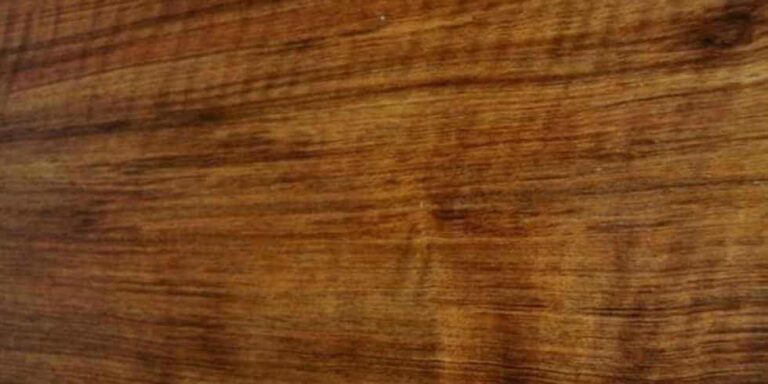
Tamboti (Spirostachys africana), also called African Sandalwood, is a beautiful southern African hardwood with a pleasant, sandalwood-like scent that lingers in finished pieces.The heartwood is brown to dark brown with darker markings and streaks, clearly set apart from the whitish to pale yellow sapwood. The grain is straight to slightly wavy and the texture fine and even, with a lovely banded figure and a satin luster that feels slightly oily to the touch.It's hard, heavy, very stable and exceptionally resistant to rot and insects. Its natural oils and latex tend to gum up saw blades, so clean blades often, but it turns, carves and finishes beautifully. The tree's sap is toxic and the sawdust can irritate eyes and skin, so wear eye protection and a mask, and never burn offcuts, as the smoke is harmful.Tamboti has long been a favorite of carvers and furniture makers in its home range. It's used for carving, turnings, furniture, cabinetry, flooring and specialty pieces such as boxes, pens and knife handles. See also Kiaat.
boatbuilding, cabinetry, carving, construction, flooring, furniture, specialty items, turnings
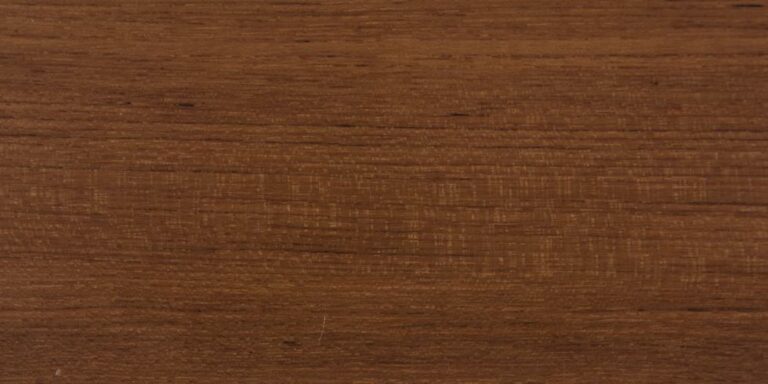
Burmese Teak (Tectona grandis), often called Genuine Teak, is one of the world's best-known woods. Teak from Myanmar has long been regarded as the benchmark, and it's prized less for its looks than for its toughness, rot resistance and durability.The heartwood is light to medium brown, with a tint from muted gold to pale red, and it darkens to a warm, rich brown with age. The sapwood is pale white to yellowish-brown. The grain is usually straight, sometimes wavy or interlocked, with a coarse, slightly oily feel.Its high natural oil content makes it very resistant to weather, water and insects, and it's exceptionally stable. It generally works well, but its silica content dulls blades quickly, so carbide tooling helps. The oils can affect glue joints and some finishes, so wipe surfaces with a solvent first.Teak has always done well around water, in boats, ships and docks, and steady demand keeps its price high. It's the classic wood for boatbuilding, decking and outdoor furniture, and it's also used for flooring, carving, turnings and veneer. See also Zambezi Teak.
boatbuilding, carving, construction, flooring, furniture, turnings, veneer
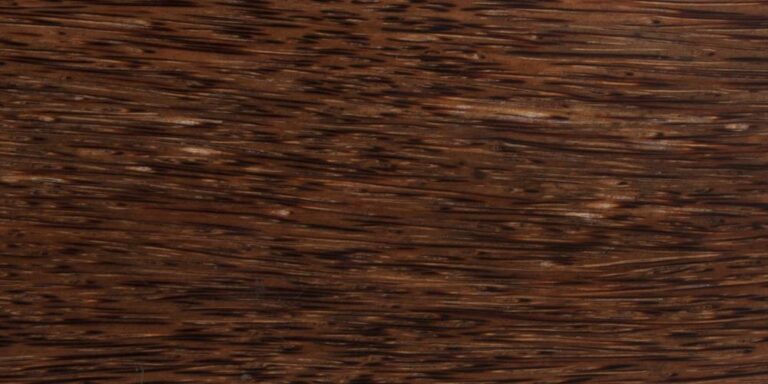
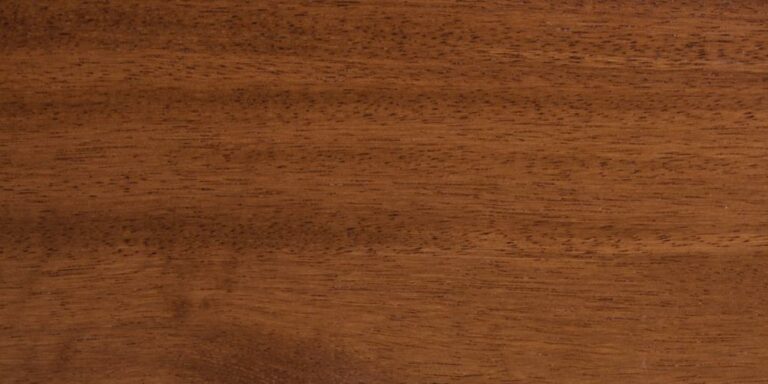
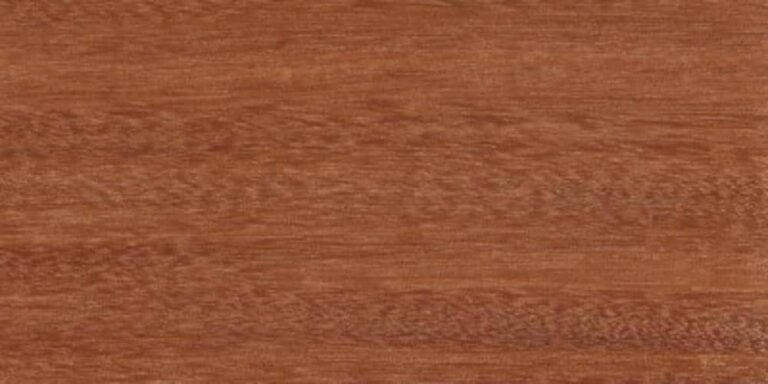
Santos Mahogany (Myroxylon balsamum), also called Cabreuva or Balsamo, grows across Central and South America. It isn't a true mahogany, but it shares much of the look. The tree is also the source of Balsam of Tolu and Balsam of Peru, aromatic resins used in medicine and perfumery.The heartwood ranges from muted yellow-orange to, more commonly, a deep red, and it darkens with age. Figured, chatoyant boards are common. That's where the similarities with mahogany end. It's much heavier and roughly twice as hard as typical mahogany, with a medium texture.The grain is usually interlocked, which makes it harder to work, and it can blunt blades. Its natural oils can complicate gluing but give it a beautiful luster and finish, along with a faint, pleasant scent.Santos Mahogany's toughness and durability make it a popular choice for flooring in the US, as well as furniture, stair treads, construction and veneer. For a lighter, true mahogany, see Genuine Mahogany.
construction, flooring, furniture, veneer
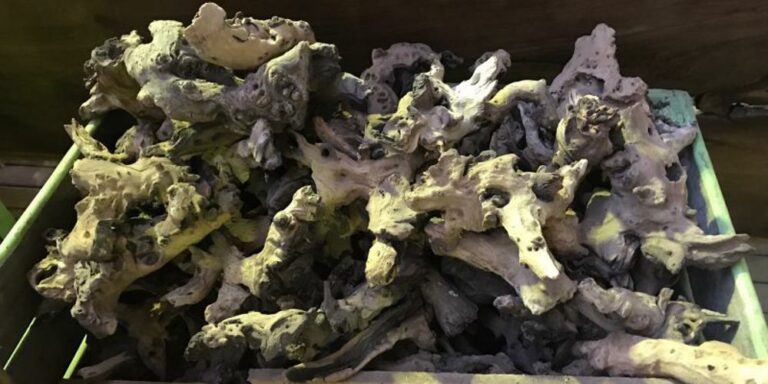
Mopane (Colophospermum mopane) is one of the densest, most stable and durable woods in the world, and still one of southern Africa's best-kept secrets. The tree is known for its butterfly-shaped leaves and is an important food source for the mopane worm, a local delicacy. We stock the roots, and the details here describe the wood.The heartwood is medium to dark brown with a golden to reddish tint, often with black streaks. It's very resistant to insects and has long been used outdoors in its native region. Root pieces offer some of the most interesting figure, with swirling grain and natural shapes.The interlocked grain and great density make it hard to work, but it turns smoothly, polishes to a deep luster and holds fine detail. The trees grow wide and irregular, so large boards are rare.Mopane has been used for centuries for carved woodwind instruments and is valued for its tone, similar to African Blackwood, and it's used today for bagpipe chanters and clarinets. It's a favorite with turners and carvers, and root pieces make striking bowls, bases and natural-edge art.
carving, construction, fencing, flooring, furniture, turnings, utility lumber
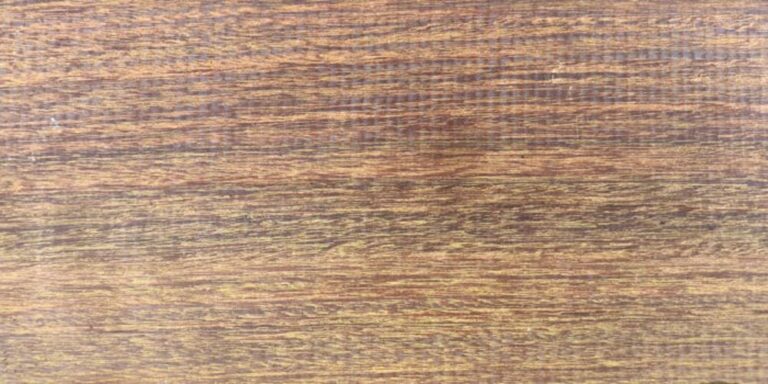
Ipe (Handroanthus spp.) is known across Central and South America as an extremely dense, durable wood. It covers several species, so its color and grain vary quite a bit. In flooring it's sometimes sold as “Brazilian Walnut,” though it isn't related to walnut.It can be a deep chocolate brown with a reddish tint, or more olive-toned with hints of yellow, orange or red, often with darker striping and occasional mottled figure. Left outdoors unfinished, it weathers to a silver grey.The grain can be straight, irregular or interlocked, and the texture fine to medium with good luster. It's famously hard on saw blades, so carbide tooling is a must, and you should pre-drill for fasteners. Straight-grained pieces plane and turn well, but always use your sharpest tools, and note that some boards contain a powdery yellow deposit called lapachol. Wear a dust mask, as the dust can irritate.Ipe is virtually impossible to wear out and resists insects, rot and fire, which makes it a favorite for decking, boardwalks and flooring. It's also used for outdoor furniture, handles, turnings and veneer. For a similar alternative, see Cumaru.
construction, decking, flooring, handles, turnings, veneer
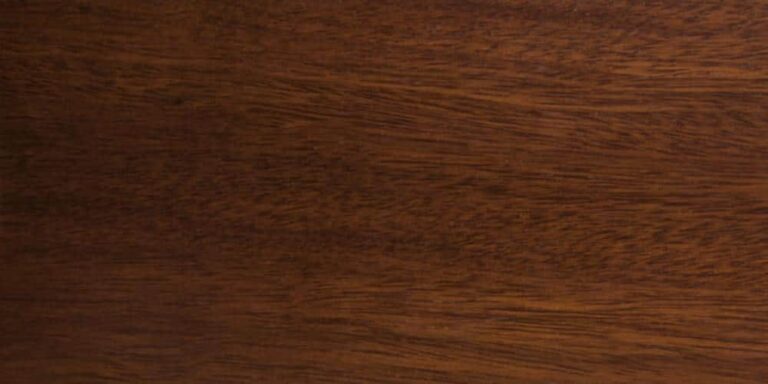
Iroko (Milicia spp.) is a tough, durable hardwood from tropical West and Central Africa that's often used in place of Teak. It's one of Africa's most important timbers.Its golden to medium brown color, coarse texture and interlocked grain give it a very Teak-like look. Freshly cut, it can be quite yellow, but it darkens to a richer brown with age and light exposure.It's lighter than Teak but resistant to rot and insects and strong for its weight, with good stability once dry. Despite the interlocked grain, it isn't difficult to work, and it glues and finishes well. Occasional hard mineral deposits can dull blades, and the dust can irritate, so wear a mask when machining.Iroko has long been used across Africa in many of the same roles Teak fills elsewhere. It's a great choice for boatbuilding, outdoor furniture, decking, flooring, cabinetry, countertops and general construction, and it offers Teak-like performance at a friendlier price.
boatbuilding, cabinetry, construction, flooring, furniture, specialty items, turnings, utility lumber, veneer
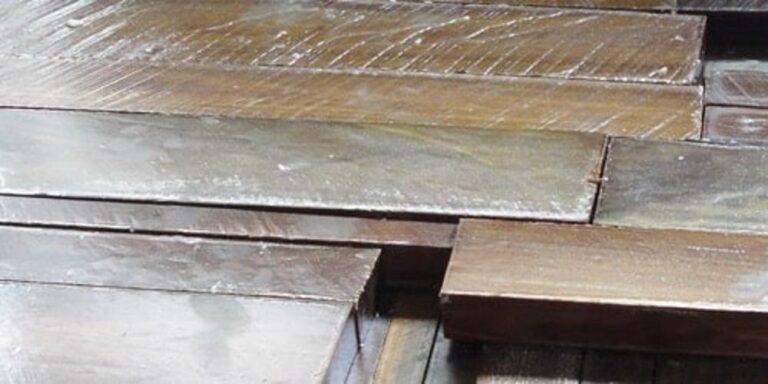
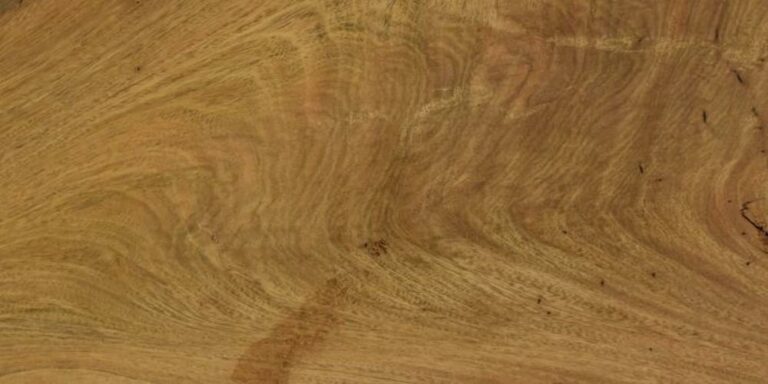
Cerejeira Crotch (Amburana cearensis) is the most dramatic part of the Cerejeira tree, cut from where the trunk divides into major branches. It's prized for its detailed, almost three-dimensional figure, which shifts and shimmers as the light moves across it.Cerejeira, also known as Amburana or Brazilian Oak, comes from the dry regions of central and southern South America. It's valued for its beauty, durability, strength and stability, with a warm golden to light brown color and often a pleasant vanilla-like scent.Large trees are cut mainly for their slabs, which are prized by furniture makers and slab importers around the world, and many highly figured logs go to the veneer industry. Crotch pieces are the pick of the tree. Crotch grain changes direction a lot, so take light passes and sand carefully to avoid tear-out.Cerejeira Crotch makes standout tabletops, cabinet doors, panels, box lids and veneer, anywhere the figure can be the star. Every piece is different, so we recommend choosing by eye. For straight-grained stock, see Cerejeira.
cabinetry, construction, furniture, veneer
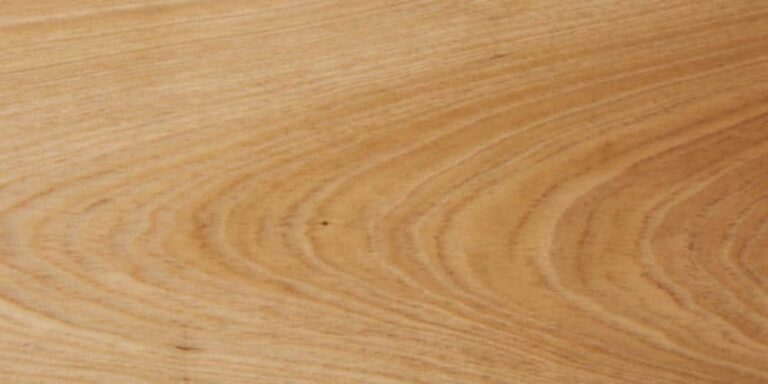
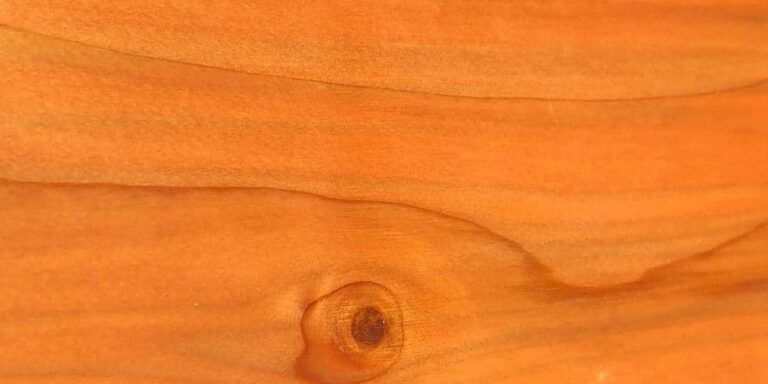
Himalayan Cedar (Cedrus deodara), or Deodar, is a true cedar native to the western Himalayas, where it's an important timber tree in Pakistan, Kashmir and northwestern India. Its name comes from the Sanskrit “devadaru,” meaning “timber of the gods,” and it's a sacred tree in Hinduism.Our Himalayan Cedar was grown in the Eastern Cape of South Africa, a long way from its mountain home. Deodar was introduced to many parts of the world in the 1800s, and it has done well in South Africa's climate.The heartwood ranges from light tan to light brown with a reddish tint. The grain is usually straight and the texture fine and even, with a high natural luster. It's strong for its weight and has a reputation for excellent working properties: it cuts, planes and finishes cleanly. The wood is prized for its durability, pleasant fragrance and resistance to insects, and the trees also yield a fragrant oil with insect-repelling and anti-fungal properties.In its native regions it's used for construction, carpentry, temple building and furniture. It suits furniture, joinery, boxes, closet linings and general woodworking anywhere you want a light, fragrant, durable softwood. See also Aromatic Cedar.
carpentry, construction, furniture, joinery
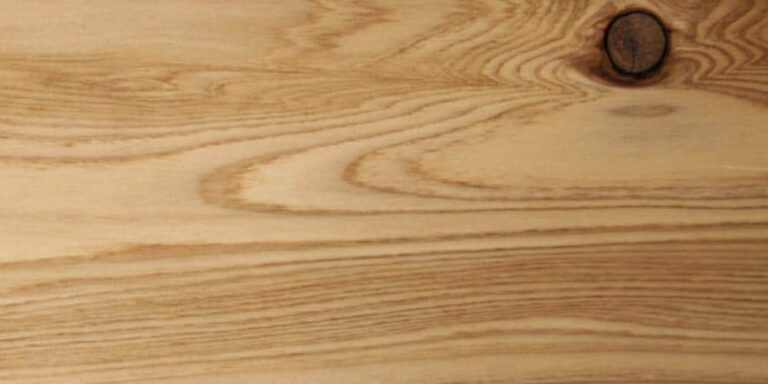
Japanese Cedar (Cryptomeria japonica), known in Japan as Sugi, is the country's national tree. It's planted at temples and sacred sites across Japan, and some ancient trees are famous landmarks in their own right. It's prized for its scented, strong but lightweight timber, and it's been planted well beyond Japan, including in South Africa.The wood is reddish-pink to light brown, straight-grained and medium-textured, often with a pleasant, clean fragrance. It's strong for its weight and resists water well, which is why it has been used in Japanese boat and ship building for centuries.Knots are fairly common, as you'd expect from a cedar, but otherwise it works very easily with hand and power tools, and it glues, stains and finishes well. It's soft, so it dents more easily than hardwoods.Japanese Cedar is used for construction, interior paneling, furniture, boatbuilding, carving and turnings, and it's a traditional choice for Japanese architecture and woodwork. Our Japanese Cedar was grown in South Africa, where the species was introduced and does well. If you like light, fragrant softwoods, see also Western Red Cedar.
boatbuilding, carving, construction, furniture, turnings
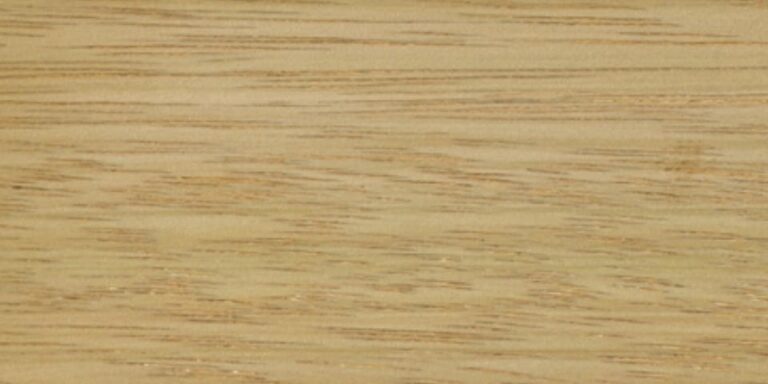

Cerejeira (Amburana cearensis), also known as Amburana or Brazilian Oak, is an important wood in the dry regions of central and southern South America. In Brazil, it's also famous for the barrels used to age cachaça, where it gives the spirit a sweet, spicy character.The wood is a warm golden to light brown, sometimes with an orange tint, and it often has a pleasant vanilla-like scent when cut. It's valued for its beauty, durability, strength and stability, and it works and finishes well.Left undisturbed, the trees grow very large. Big trees are cut mainly for their dramatic slabs, which are prized by South American furniture makers and slab importers worldwide, and many highly figured logs go to veneer.Cerejeira is a tough, versatile wood for furniture, cabinetry, doors, flooring and veneer. Despite its popularity with those who know it, it's still a bit of a well-kept secret in the US. For the most dramatic figure, see Cerejeira Crotch.
cabinetry, construction, furniture, veneer