
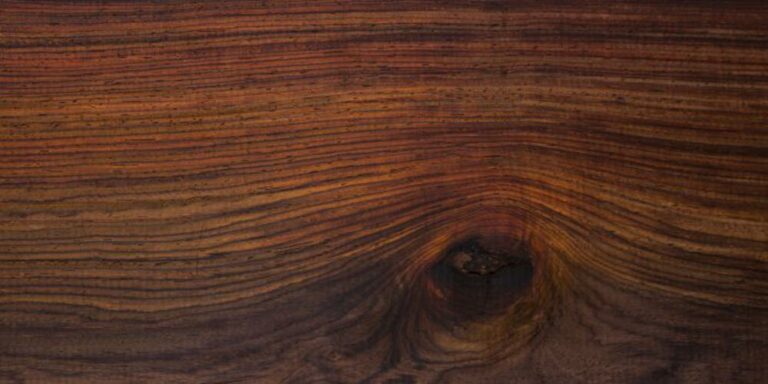
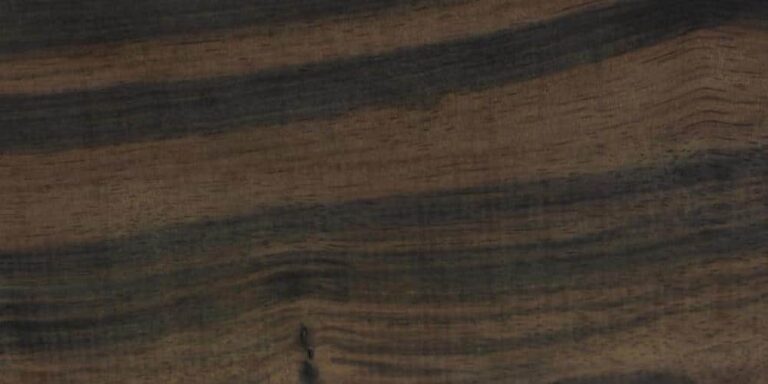
Amara Ebony (Diospyros celebica) is generally regarded as the same species as Macassar Ebony, with Amara coming only from Indonesia. Its different look is put down to local soil conditions, and it's a wood rarely seen in the US.It's typically deep chocolate brown with pink striping, but we've also seen boards with greens and reds, more like Malaysian Blackwood, and others with gold and orange hues. Some show “landscape” grain patterns that make them look like a cross between the two. The sapwood is tan.The grain is more often wavy or irregular than straight, with a fine texture and a nice natural luster. We've found it slightly less dense than Macassar Ebony, and despite its density it works well, turning and polishing to a beautiful finish. Sharp tools help, and the fine dust is best handled with good extraction.Amara is a distinctive choice for carving, inlay, turnings, boxes, furniture accents, veneer and specialty pieces, anywhere you want an ebony that's a little out of the ordinary.
carving, furniture, inlay, specialty items, turnings, veneer
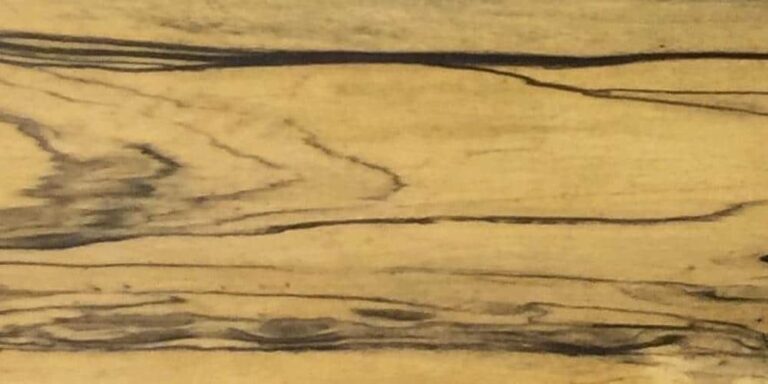
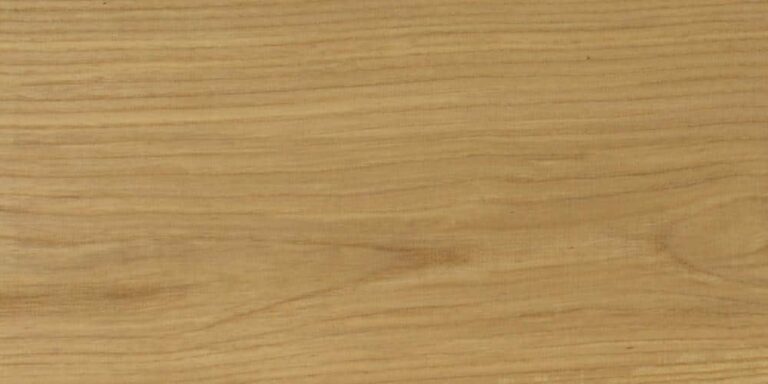
White Ash (Fraxinus americana) is native to eastern and central North America and, along with Oak and Hickory, is one of the most widely used utility hardwoods in the US. It's the tallest-growing of the North American ashes and the one you'll see most often.The color ranges from light beige to light brown, with medium to dark brown grain lines. The grain is usually straight and the texture coarse, often compared to Oak. It's modestly priced, works easily, and glues and finishes well.Ash is tough and shock-resistant, which is why it's the classic wood for tool handles and baseball bats. It's also used for furniture, flooring, boxes and turnings, and occasionally for electric guitar bodies, where it has good resonance. If you're after a lighter ash for guitars, take a look at Swamp Ash.
boxmaking, flooring, turnings
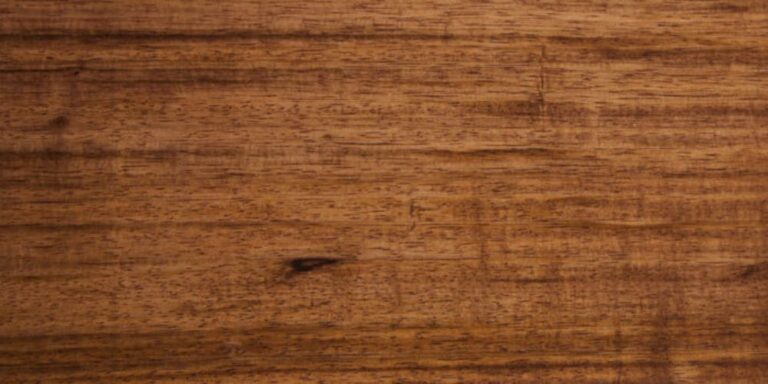
Berlinia (Berlinia spp.) is a West African hardwood sold in the US as Ebiara or Red Zebrawood. It's a fairly new arrival on the US market, and a moderately priced one.The heartwood ranges from pale yellow to, more typically, a muted reddish-brown, with darker stripes that can be regular or irregular. That's where the comparison with Zebrawood comes from, and the two are in fact related.The grain is straight or interlocked and the texture medium to coarse, with good natural luster and occasional figure and chatoyance. It cuts, turns, glues and finishes smoothly, though interlocked boards can tear out, so take light final passes.Berlinia suits furniture, cabinetry, turnings, veneer and specialty items, and luthiers and turners are starting to take an interest in it.
cabinetry, furniture, specialty items, turnings, veneer
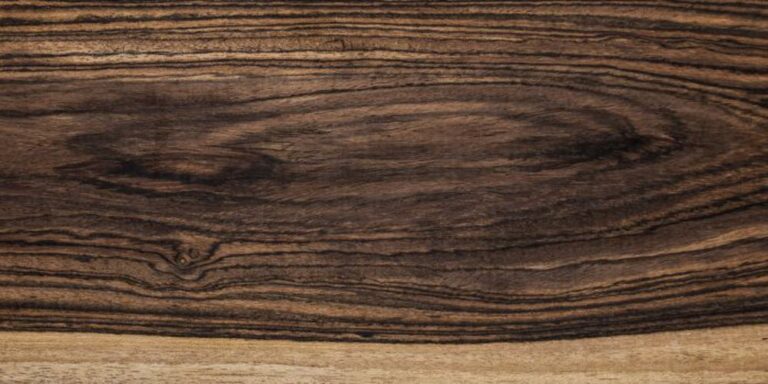
Bocote (Cordia spp.) is a Mexican and Central American hardwood with a golden brown base and dark brown to black stripes.Its best boards are covered in tiny “eyes” in the grain. These aren't knots and cause no trouble when machining. In pieces grown south of Mexico, the base color can be a bright, muted orange.Despite its oily nature, Bocote glues surprisingly well, and it turns and finishes nicely. Some boards contain silica, which can dull blades, so keep a spare sharp edge handy.Its striking looks make it a favorite with furniture and cabinet makers, guitar builders and turners, and it's also used for gun stocks, flooring and veneer. It's related to Ziricote and Louro Preto.
boatbuilding, cabinetry, fine furniture, flooring, gun stocks, specialty items, turnings, veneer
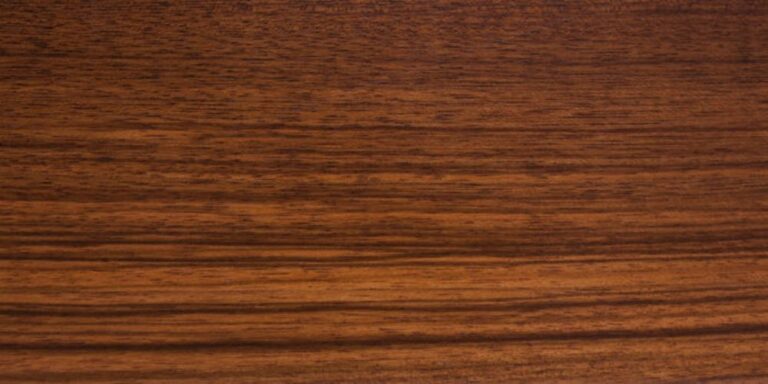
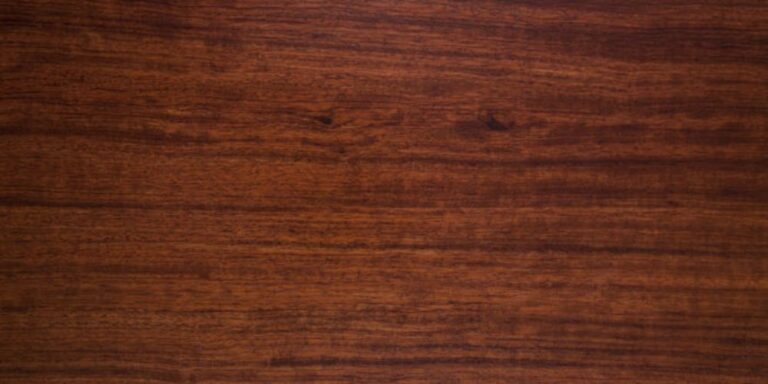
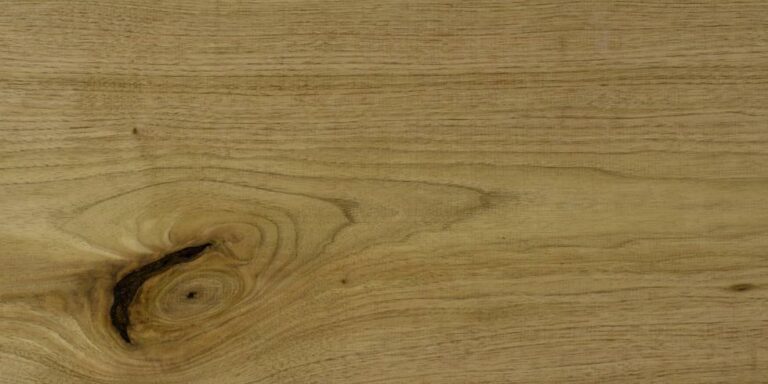
Butternut (Juglans cinerea) is often called White Walnut, and it's a true member of the walnut family. It grows across the eastern United States and southeastern Canada, and it's much lighter and softer than its walnut cousins.The color is a pleasant light tan with a soft, pastel look, and some boards carry a pink or reddish tint. The grain is mostly straight with a medium to coarse texture, and the tree's fluted trunk can produce irregular, eye-catching figure. It looks a lot like a pale walnut, which makes it a handsome choice for furniture with a softer, lighter tone.Its low density makes it very easy to work by hand or machine, and like other walnuts it turns, glues, stains and finishes well. Despite being soft it's fairly durable, though like all walnuts it can be attacked by insects, and it dents more easily than harder woods.Butternut is a favorite with carvers and is also used for furniture, paneling, boxes, crafts and veneer. Many North American trees have been lost to butternut canker, a fungal disease, so good lumber is becoming harder to find. For a darker walnut, see American Black Walnut.
boxmaking, carving, crafting, furniture, veneer